
I’ll be direct about this one, because it matters: losing 5kg of actual fat in 5 days isn’t physiologically possible for the overwhelming majority of people, and any plan promising it is selling you water weight, not fat loss. What you can realistically achieve in a short, focused window is 1.5–3kg — mostly water retention, bloating, and a small amount of fat — with the right approach.
I’m Yash Pathak, founder and lead trainer at FitStrot, and I’d rather give you an honest 5-day plan that sets up real progress than a fictional number that leaves you disappointed and possibly worse off.
What Actually Happens in 5 Days
Fat loss requires a calorie deficit sustained over time — roughly 7,700 calories to lose one kilogram of fat. Losing 5kg of pure fat in 5 days would require an average daily deficit of over 7,000 calories, which isn’t achievable or safe through diet alone.
What is achievable in 5 days: reducing bloating and water retention (often 1–2kg of the number on the scale), starting a genuine calorie deficit that shows early results, and building momentum and habits that carry into week 2 and beyond — which is where the real fat loss happens.
A Realistic 5-Day Structure
Cut sodium and processed food. Excess salt causes water retention. Dropping packaged snacks, pickles, and restaurant food for 5 days alone often reduces visible bloating noticeably.
Increase water intake. Counterintuitively, drinking more water (not less) helps your body release retained water rather than holding onto it.
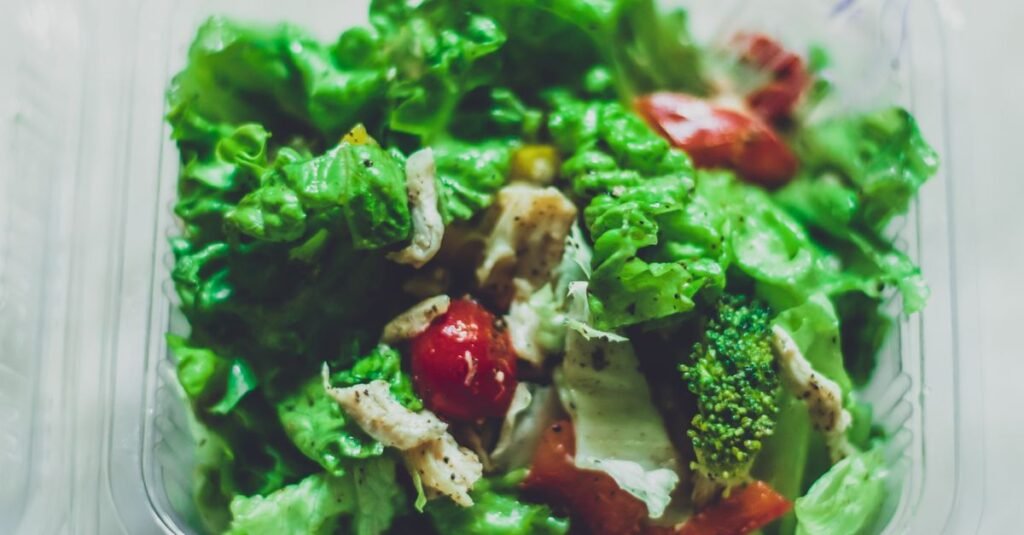
Prioritise protein and fibre. These keep you full on fewer calories, which supports the deficit without constant hunger. Dal, paneer, eggs, vegetables, and salads should make up most of each plate.
Cut refined carbs, not all carbs. White rice, maida, and sugar cause more water retention (each gram of stored carbohydrate holds roughly 3g of water). Swapping to smaller portions of whole grains reduces this effect.
Move daily. A 30-45 minute walk or light workout each day supports the deficit and helps with digestion and bloating.
Sleep 7+ hours. Poor sleep disrupts cortisol and hunger hormones, which works against any short-term diet effort.
Sample Day
Breakfast: Vegetable egg white omelette or moong dal chilla. Lunch: Grilled protein, a large salad, and a small portion of rice or one roti. Evening: Green tea, a handful of nuts. Dinner: Soup or a light vegetable-and-protein stir-fry, early and small.
What to Skip Entirely for 5 Days
Alcohol, sugary drinks, deep-fried food, and excess salt. Not because they’re evil, but because in a short focused window, they work directly against the water-retention and calorie-deficit goals above.
After the 5 Days: What Actually Matters
The number on the scale after 5 days is mostly noise — some real progress, some water fluctuation. What determines whether you keep losing weight is what you do in week 2, 3, and beyond. This is where a structured diet plan for weight loss matters more than any short-term plan, and our Kerala diet for weight loss and vegan diet plan for weight loss guides show two different long-term structures you could transition into.
An online weight loss trainer is genuinely useful right at this transition point — turning a 5-day reset into a sustainable plan, rather than yo-yoing between short bursts of restriction and regaining the water weight back.
What 5kg in 5 Days Actually Represents
If you do see a number close to 5kg on the scale after 5 days of aggressive restriction, it’s worth understanding what that number is made of: primarily water weight (glycogen depletion causes the body to release the water stored alongside it — roughly 3-4g of water per gram of glycogen), reduced food volume in the digestive tract, and some genuine but small fat loss. None of this is fat loss in the way most people picture it, and most of it returns within days of eating normally again, which is why extreme short-term plans have such poor long-term track records despite dramatic-looking initial numbers.
If your actual goal is to look and feel noticeably better for a specific event within 5 days, the sodium-and-processed-food-reduction strategy in this guide achieves that safely. If your goal is lasting fat loss, treat this window as the first 5 days of a longer plan, not the whole plan.
The Hidden Cost of Crash Dieting
Almost every client who comes to me asking about a 5kg-in-5-days plan has tried something like it before, usually more than once, and it didn’t work — not because they lacked discipline, but because crash diets are designed to fail past the first attempt. The first time you starve your body of calories, it responds with panic: metabolism slows slightly to conserve energy, hunger hormones spike, and the moment normal eating resumes, the body over-corrects by storing more fat than usual as insurance against the next “famine.”
This is why so many people who crash diet end up heavier six months later than when they started, even though the diet itself “worked” in the short term. Each round of extreme restriction followed by a rebound teaches the body to hold onto fat more aggressively the next time food gets scarce. It’s not a moral failing or a lack of commitment — it’s a predictable physiological response that gets stronger with repetition.
There’s a mental cost too, one I see just as often as the physical one. Crash diets create an all-or-nothing relationship with food — you’re either “on the diet” or “off it” — and that binary thinking is exhausting to sustain and easy to abandon. Clients who’ve done three or four crash diets over the years usually arrive exhausted by the idea of dieting itself, which is a much harder place to coach someone back from than simply being new to weight loss.
What Sustainable Fat Loss Actually Looks Like Week by Week
A realistic pace for fat loss, once water weight has settled, is about 0.5 to 1 kg a week for most people, closer to the lower end the leaner you already are. In the first week of any new plan, you’ll typically see a bigger drop — often 1.5 to 2.5 kg — but almost all of it is water and glycogen, not fat, released because you’ve cut back on refined carbs and sodium. Worth knowing, so you don’t mistake it for your new normal rate and get discouraged in week three when the number slows down.
Weeks two through four are where actual fat loss becomes the dominant driver, and it’s also where most people quit, because the scale moves more slowly than it did in week one and the novelty of a new plan has worn off. This is exactly the stretch where measurements — waist, hips, how clothes fit — become more useful than the scale, since fat loss and small amounts of muscle gain can offset each other in the number without reflecting what’s actually happening to your body.
By week six to eight, most clients following a structured plan have lost somewhere between 3 and 6 kg of genuine fat, built consistent habits around meal timing and protein, and — this is the part crash diets never deliver — kept it off, because nothing about the process required extreme restriction that has to end eventually.
If You’ve Already Tried a Crash Diet and Regained the Weight
I get a specific type of message often: someone tried a 5-day or 7-day extreme plan, lost weight fast, felt great for about a week, and then watched it all come back within ten days, sometimes with a kilo or two extra on top. If this is you, the first thing I want to say is that this isn’t a personal failure of willpower, it’s the predictable outcome of how crash diets work on the body, and understanding why it happened is the first step to actually breaking the cycle instead of trying the same approach again with more discipline next time.
When you drastically undereat for several days, your body doesn’t just lose weight, it also downregulates its metabolic rate as a protective response, and it aggressively signals hunger through hormones like ghrelin once you return to normal eating. This is why the rebound after a crash diet often isn’t just a return to your old weight, it overshoots, because your body is compensating for what it perceived as a starvation event by driving you to eat more and store more efficiently for a while afterward. The weight regained in that window is a mix of water, glycogen, and genuine fat, and the fat portion tends to accumulate faster than it did before, especially around the midsection, which is your body’s way of preparing for the next perceived shortage.
The reset from this isn’t another restrictive plan, it’s the opposite: a period of eating at a moderate, sustainable calorie level, roughly matching your actual daily needs rather than a deficit, for two to three weeks before attempting any further fat loss. This lets your metabolism and hunger hormones settle back toward normal, and it stops the cycle of crash-rebound-crash that leaves many people heavier a year later than when they started, despite multiple attempts at quick fixes in between. During this reset period, focus on protein at every meal, regular sleep timing, and light daily movement like a 30-minute walk, without counting calories obsessively or restricting food groups. The goal here isn’t fat loss for these two to three weeks, it’s metabolic and hormonal recovery, which is a prerequisite for any fat loss that follows to actually stick.
Once that reset period is behind you, a properly structured deficit of 300 to 500 calories a day, built around whole foods and adequate protein, will produce fat loss that doesn’t trigger the same extreme rebound, simply because your body isn’t being pushed into a starvation response in the first place. If you’ve been through two or three rounds of crash-and-regain already, this reset step isn’t optional, it’s the single most important thing you can do before trying again, and it’s exactly the kind of situation where working with someone who can track your progress and adjust week to week makes the difference between another failed attempt and weight that actually stays off.
Frequently Asked Questions
How does a fast weight loss diet plan work?
It works primarily by reducing sodium and refined carbohydrate intake (which cuts water retention) alongside a genuine calorie deficit — most of the fast, visible change in the first few days is water weight, not fat.
Is a fast weight loss diet plan safe?
It’s safe when it involves reducing processed food and salt rather than severe calorie restriction or skipping meals. Extremely low-calorie “crash” versions of fast diets are not recommended and can backfire through muscle loss and rebound weight gain.
How long does a fast weight loss diet plan take to show results?
Visible changes (less bloating, 1-3kg down) typically show within 3-5 days. Real fat loss requires weeks, not days — the fast plan is a starting point, not the full solution.
Can beginners try a fast weight loss diet plan?
Yes, this structure is beginner-friendly since it’s about cutting specific things (salt, processed food, alcohol) rather than complex meal prep or calorie counting.
Ready to Turn a 5-Day Reset Into Real Results?
A short reset is a good start, but lasting weight loss needs a plan built for the weeks after. A FitStrot online weight loss trainer designs that plan around your body, habits, and schedule — so the progress from week one doesn’t disappear by week three.