A good full body workout routine for men trains every major muscle group, chest, back, shoulders, legs, arms, and core, in each session, three or four times a week, with a day of rest between sessions. It works because most men don’t have five days a week to spend in a gym, and hitting each muscle group multiple times weekly builds strength and size faster than training one body part per day. The best routines rotate compound lifts like squats, deadlifts, presses, and rows, and they get harder over time as you add weight or reps.
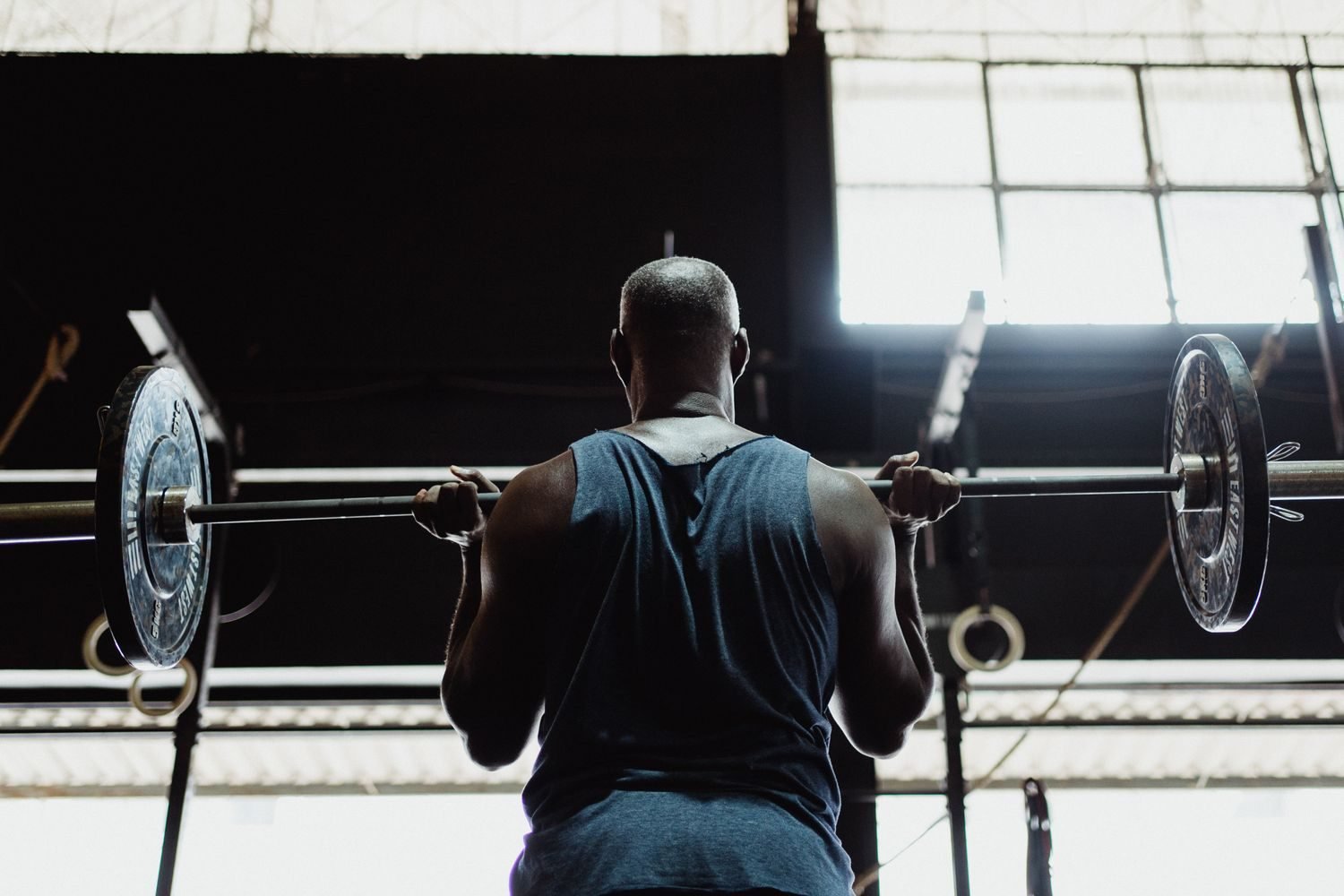
What Is a Full Body Workout Routine for Men?
A full body workout routine is exactly what it sounds like. Instead of splitting your week into “chest day” or “leg day,” you train your entire body, upper and lower, push and pull, in a single session. You do this two to four times a week, usually on non-consecutive days, so your muscles get time to recover between workouts.
This is different from a bro split, where you might hit chest on Monday, back on Tuesday, and legs on Wednesday. In a full body workout, you’re touching every major muscle group in one session, usually through six to eight compound and accessory exercises. It’s a format that’s been around for decades because it simply works, especially for men who aren’t training for a bodybuilding competition and just want to get strong, look good, and stay consistent.
Why Does This Style Work So Well for Men Balancing Gym Time With Life?
Most guys we coach aren’t professional athletes. They’ve got jobs, commutes, families, and maybe forty-five minutes to an hour, three or four days a week, to actually train. A full body routine fits that reality better than almost anything else.
Here’s the practical case for it. If you miss a session on a split routine, you might not hit your legs or back for an entire week. Miss a full body session and you’ve still trained everything two or three other times that week. It’s forgiving. It also means every workout counts toward your overall progress instead of being one narrow slice of a bigger puzzle. For men who travel for work or have unpredictable schedules, that flexibility matters more than any theoretical advantage a split routine might offer on paper.
There’s also a hormonal and metabolic argument here. Compound, multi-joint movements like squats and deadlifts recruit more muscle mass per session, which tends to burn more calories and drive better strength adaptations than isolated single-muscle work, especially for men new to structured training.
Which Muscle Groups Should You Cover in Every Session?
A properly built men workout body plan touches these areas each time you train:
- Legs (quads, hamstrings, glutes): squats, lunges, deadlifts, leg presses
- Chest: bench press, push-ups, dumbbell press
- Back: rows, pull-ups, lat pulldowns
- Shoulders: overhead press, lateral raises
- Arms (biceps, triceps): curls, tricep extensions, dips
- Core: planks, hanging leg raises, cable crunches
You don’t need to do every single one of these in one workout. Pick one or two exercises per muscle group per session, and rotate the specific movements across your three weekly workouts so you’re not doing the exact same thing every time. This keeps the joints happier and keeps you mentally engaged, which matters more than people admit when you’re three months into a routine.
What Does a Sample 3-Day Full Body Workout Schedule Look Like?
Below is a full body workout schedule we regularly build out for men in the early-to-intermediate stage of training. Do these on non-consecutive days, for example Monday, Wednesday, and Friday, with rest or light activity on the days in between.

| Day | Exercise | Sets | Reps | Rest |
|---|---|---|---|---|
| Day 1 | Barbell Back Squat | 4 | 6-8 | 90 sec |
| Flat Bench Press | 4 | 6-8 | 90 sec | |
| Bent-Over Row | 3 | 8-10 | 60 sec | |
| Overhead Press | 3 | 8-10 | 60 sec | |
| Dumbbell Bicep Curl | 3 | 10-12 | 45 sec | |
| Plank | 3 | 30-45 sec | 30 sec | |
| Day 2 | Romanian Deadlift | 4 | 6-8 | 90 sec |
| Incline Dumbbell Press | 3 | 8-10 | 75 sec | |
| Lat Pulldown or Pull-up | 4 | 6-10 | 75 sec | |
| Walking Lunges | 3 | 10 per leg | 60 sec | |
| Tricep Dips | 3 | 10-12 | 45 sec | |
| Hanging Leg Raise | 3 | 10-12 | 30 sec | |
| Day 3 | Leg Press | 4 | 10-12 | 75 sec |
| Seated Cable Row | 4 | 8-10 | 75 sec | |
| Dumbbell Shoulder Press | 3 | 8-10 | 60 sec | |
| Push-ups (weighted if possible) | 3 | To near failure | 60 sec | |
| Lateral Raises | 3 | 12-15 | 45 sec | |
| Cable Crunch | 3 | 12-15 | 30 sec |
Warm up for five to ten minutes before each session with light cardio and dynamic stretching. If you’re brand new to lifting, start with lighter loads and focus on form before you worry about the exact rep ranges above. Our beginner gym workout guide breaks that first-month approach down in more detail.
Full Body or Split Routine: Which Is Better for Men?
This debate comes up constantly, and the honest answer depends on your training age and your schedule. If you’re training three days a week or fewer, full body wins, no argument. You simply can’t get enough weekly volume for each muscle group with a split routine if you’re only in the gym three times.
If you can commit to four or five days consistently, and you’ve already built a solid base of strength, an upper/lower split or a push/pull/legs split can let you focus more volume on specific muscle groups per session. But most men overestimate how many days they’ll actually show up. We’d rather see someone nail three full body sessions every single week than plan an ambitious five-day split and end up training twice.
Full body also tends to build more well-rounded strength faster for men who are newer to lifting, because you’re practicing the big compound lifts more often, which speeds up the learning curve on technique.
Should You Train Full Body at Home or at the Gym?
Both work, and the muscle groups you’re targeting don’t change. What changes is the tools available to you.
At the gym, you’ve got barbells, machines, and enough weight to keep progressing for years. At home, you can still build real strength using dumbbells, resistance bands, a pull-up bar, and bodyweight movements like push-ups, split squats, and inverted rows. The core movement patterns, squat, hinge, push, pull, stay identical either way. If you’re working with limited equipment, check out our home workout guide for exercise swaps that hit the same muscles without a gym membership.
The main tradeoff at home is load progression. It’s harder to keep adding weight once your dumbbells max out, so you’ll need to get creative with tempo, pause reps, and higher rep ranges to keep challenging your muscles.
How Do You Progress Once the Routine Gets Easy?
Progression is where most routines quietly fall apart. Doing the same weights for the same reps month after month stalls results fast. Here’s how we tell men to move forward:
- Add weight once you can complete all sets at the top of your rep range with good form.
- Add reps before adding weight if you’re not quite there yet.
- Slow down the eccentric (lowering) phase to increase difficulty without more load.
- Add a set every few weeks if recovery allows.
- Swap exercises every six to eight weeks to keep stimulating growth from slightly different angles.
Track your numbers. A simple notes app or spreadsheet showing what you lifted last time removes the guesswork and keeps you honest about whether you’re actually improving.
What Mistakes Do Men Make With Full Body Training?
A few patterns show up again and again:
- Training too hard, too often. Full body sessions are demanding. Training every single day without rest leads to burnout and injury, not faster gains.
- Skipping legs. It’s tempting to spend all your energy on chest and arms, but neglecting squats and hinges limits your overall strength and looks unbalanced over time.
- Ignoring progressive overload. Showing up isn’t enough if the weights never change.
- Poor exercise order. Doing isolation work before your big compound lifts leaves you too fatigued to squat or press heavy.
- No structured plan at all. Random exercises picked on the spot rarely add up to consistent progress.
If you’re not sure your current routine is actually built around progression, that’s usually the first thing worth fixing before adding more exercises or more days.
Should You Get Personalized Coaching for Your Routine?
A written plan on a page is a starting point, not a guarantee. Your recovery, your joints, your schedule, and your goals are specific to you, and a generic routine can only take you so far. If you want a program built around your actual body and your actual week, our coaches at FitStrot offer 1-on-1 personal training designed around your goals, whether that’s strength, fat loss, or just building a habit that sticks.
Frequently Asked Questions
What is a good full body workout routine for men?
A good routine trains legs, chest, back, shoulders, arms, and core in every session using mostly compound lifts like squats, presses, and rows. Aim for three sessions a week on non-consecutive days, six to eight exercises per session, and increase weight or reps gradually over time.
How often should men do full body workouts?
Three days a week works best for most men, giving each muscle group enough recovery time between sessions. Beginners can start with two days a week, while more advanced lifters with good recovery can push to four, as long as rest days are built in between.
What are the benefits of a full body workout routine?
Full body routines build balanced strength, burn more calories per session through compound movements, and fit better into busy schedules since missing one day doesn’t skip an entire muscle group. They’re also easier to stay consistent with long term, which matters more than any single workout.
Can beginners do a full body workout routine?
Yes, and it’s actually the best starting point for most beginners. Training the whole body regularly helps you learn proper form on key lifts faster, builds a solid strength base, and avoids the common beginner mistake of overtraining one muscle group while neglecting others.
Do I need a gym for a full body workout schedule?
No. While gym equipment lets you progress longer with heavier loads, dumbbells, resistance bands, and bodyweight exercises can build real strength at home. The exercise selection changes, but the same muscle groups and training principles apply either way.