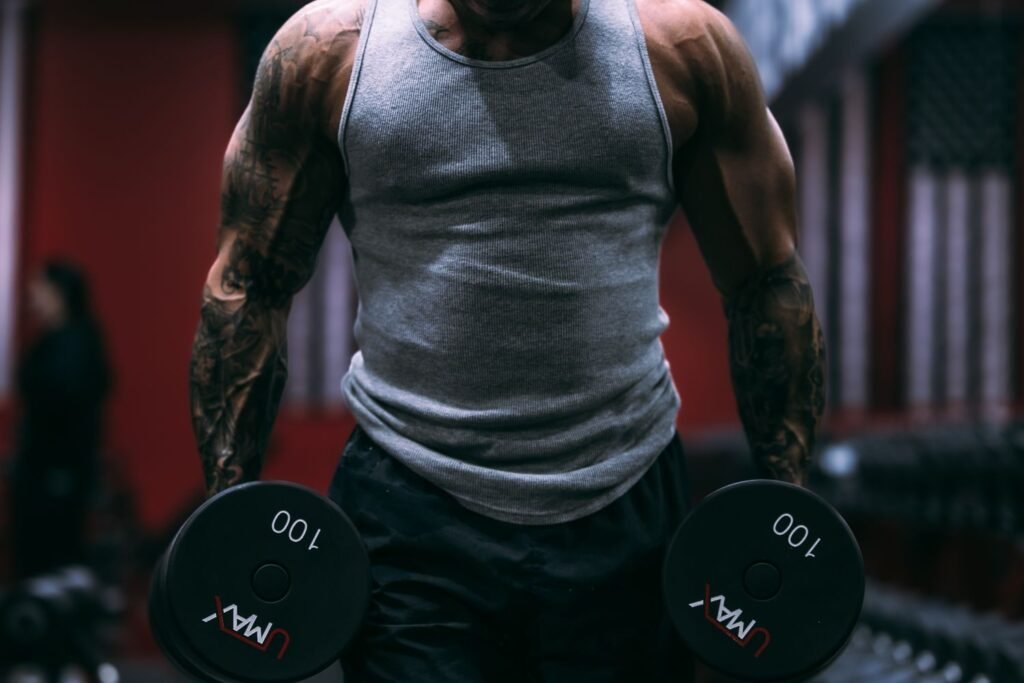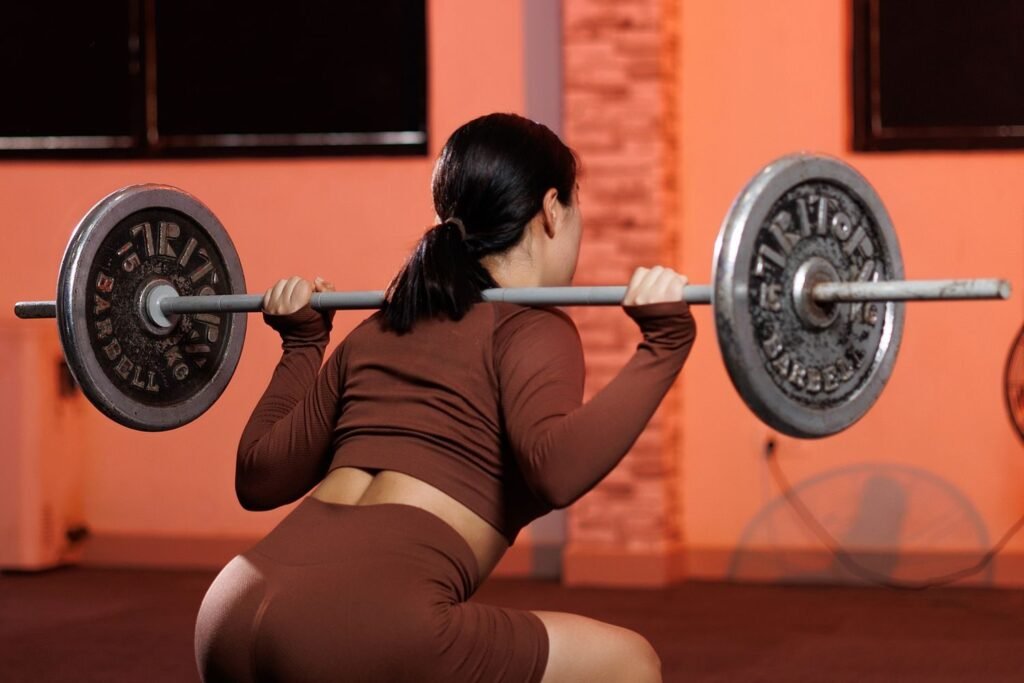
A proper core workout at the gym goes far beyond crunches on a mat. It trains the abs, obliques, lower back, and the deep transverse abdominis together, using gym equipment like cables, weighted plates, hanging bars, and stability tools to build strength you can actually use under a barbell. At FitStrot we build core sessions around anti-rotation, anti-extension, and loaded flexion work, not just endless sit-up reps. If you want a core that holds up during heavy squats and long training days, this is the difference that matters.
What Does “Core” Actually Mean, and Why Isn’t It Just Abs?
Most people say “core workout” and picture a six-pack. That’s a narrow view. Your core is a muscular cylinder that wraps around your entire midsection. It includes the rectus abdominis (the visible abs), the internal and external obliques on the sides, the lower back muscles (erector spinae), the deep transverse abdominis that acts like a natural weight belt, and even the pelvic floor and diaphragm. Ab training usually isolates the front of that cylinder. Core training works the whole thing, front, sides, and back, so your spine stays stable when you’re lifting, twisting, or bracing under load.
This is also why core workouts and pure ab workouts are not interchangeable. If you’re chasing visible definition, our guide on ab workouts covers that angle directly. If your goal is functional strength and injury resilience, core training is the wider, more useful net.
Which Muscles Should a Core Muscle Workout Actually Target?
A well-built core muscle workout should hit four zones, not one:
- Rectus abdominis – flexes the spine, gives you the visible ab lines when body fat is low enough.
- Obliques (internal and external) – control rotation and side bending, critical for sports and daily twisting movements.
- Transverse abdominis – the deepest layer, wraps around your torso and stabilizes the spine before you even move a limb.
- Erector spinae and lower back – often skipped, but essential for posture and for protecting your spine during deadlifts and rows.
Skip any one of these and you end up with a core that looks fine but folds under real load. We build training splits that hit all four every week.
What Are the Best Core Exercises to Do at the Gym?
Gym equipment lets you load core work in ways a home mat session can’t match. These are the movements we lean on most:
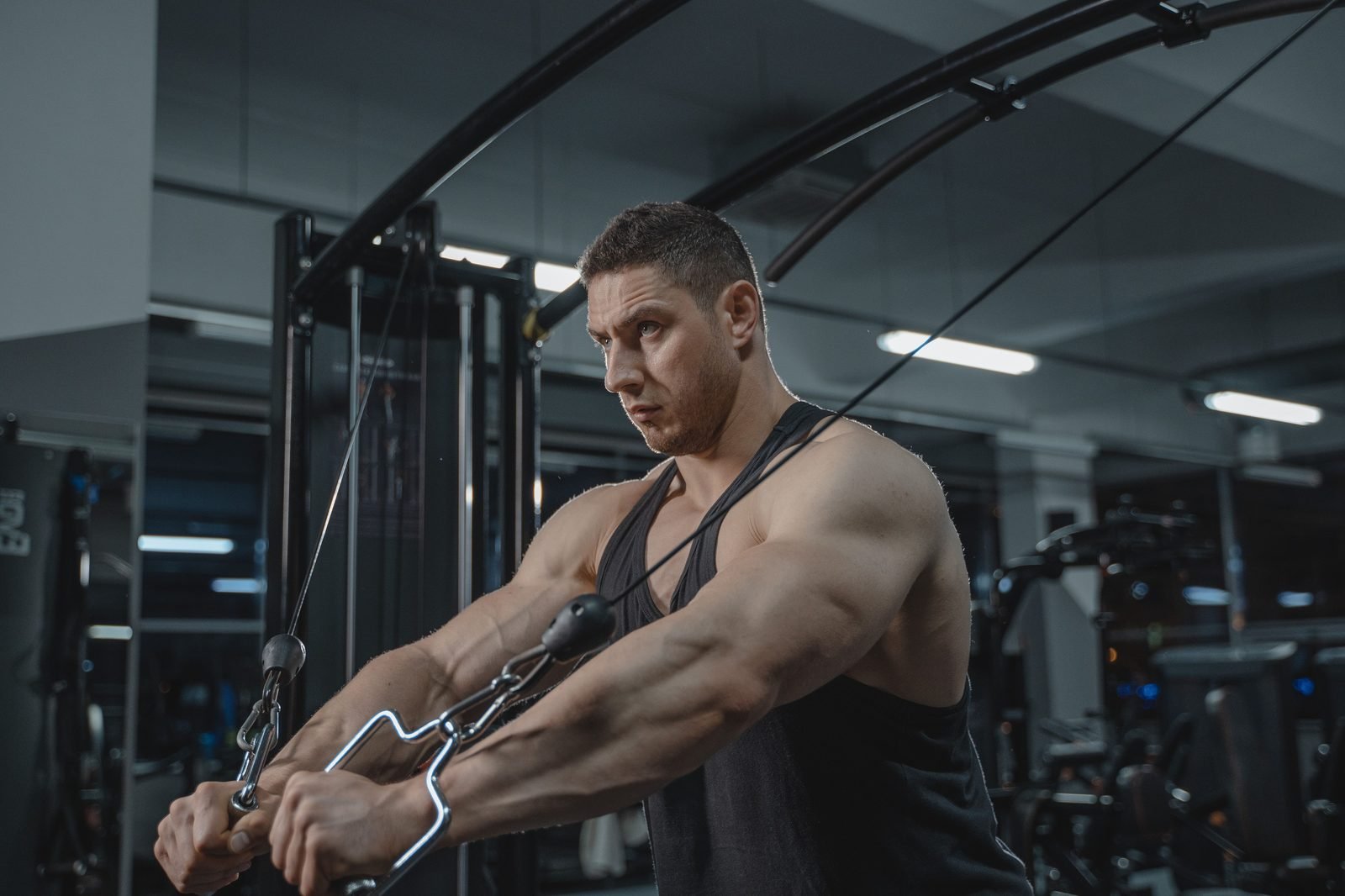
- Cable woodchoppers (high-to-low and low-to-high) – anti-rotation and rotation training for the obliques, using constant cable tension instead of momentum.
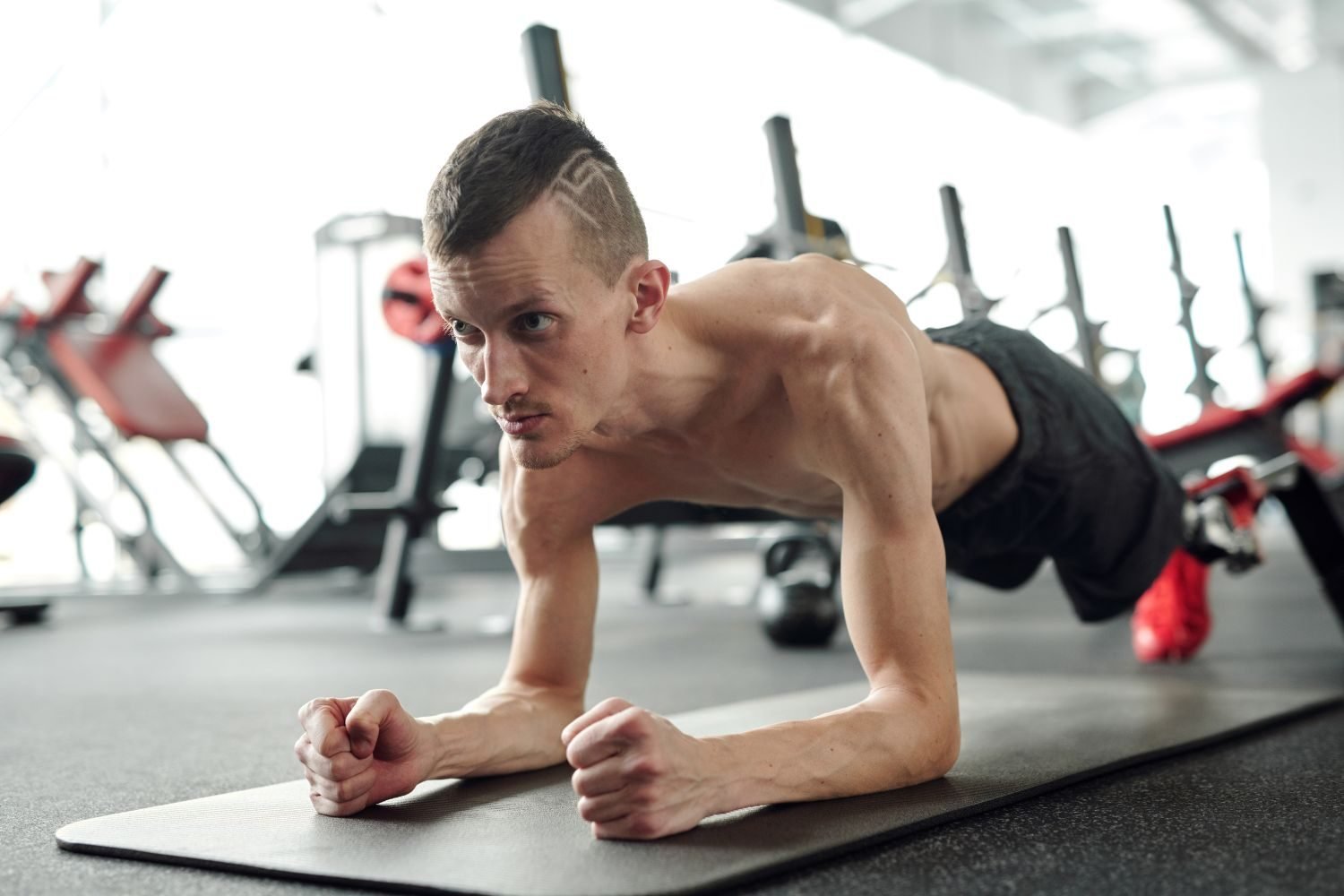
- Weighted planks – a plate on the back turns a basic hold into real anti-extension strength work.
- Hanging leg raises – hits the lower abs and hip flexors while also building grip and shoulder stability.
- Cable pallof press – an anti-rotation move that trains your core to resist force rather than just produce it.
- Ab wheel rollouts – brutal on the entire front chain, great once you’ve built a base level of control.
- Weighted decline sit-ups – adds resistance to a classic movement without turning it into a neck strain contest.
- Farmer’s carries – an underrated core strength workout tool; heavy carries force your obliques and lower back to stabilize your spine with every step.
If you want a breakdown focused specifically on machines and cable stations, our piece on abs workout in the gym goes deeper into equipment selection and setup.
What Does a Sample Gym Core Session Look Like?
Here’s a full session we regularly program for clients who train core twice a week alongside their main lifts. It combines abs and core workout elements with loaded, gym-based equipment.
| Exercise | Sets | Reps | Rest |
|---|---|---|---|
| Cable woodchopper (high-to-low) | 3 | 10 per side | 45 sec |
| Hanging leg raises | 4 | 8-12 | 60 sec |
| Weighted plank (plate on back) | 3 | 30-40 sec hold | 45 sec |
| Cable pallof press | 3 | 12 per side | 45 sec |
| Weighted decline sit-up | 3 | 12-15 | 60 sec |
| Farmer’s carry (heavy dumbbells) | 3 | 30-40 meters | 60 sec |
Total session time runs about 35-40 minutes. If you’re new to training, swap the loaded moves for a beginner core workout using just bodyweight: standard plank instead of weighted plank, lying leg raises instead of hanging ones, and bird-dogs instead of the pallof press. Same structure, no equipment needed, and it’s a solid bridge to the gym version once your control improves.
Is Core Training for Men Any Different?
The muscles don’t change based on gender, but the priorities often do. Core workouts for men in a gym setting tend to lean heavier on loaded, strength-focused movements rather than high-rep isolation work. If your main goals are bigger lifts and a flatter midsection at the same time, prioritize weighted planks, hanging leg raises, and cable rotational work over 100-rep crunch circuits. Volume alone won’t get you there; loading progressively will. We also see a lot of men skip lower back and oblique work entirely and only train the front of the abs, which leaves an obvious strength imbalance and increases lower back strain risk during heavy pulling movements.
If visible definition is the actual end goal alongside strength, pair this approach with our six pack workout guide, which addresses the nutrition and volume side of visible abs specifically.
How Do You Progress from Beginner to Hard Core Workouts?
Start with control, not intensity. A beginner core workout should focus on holding proper spine position under low load: standard planks, dead bugs, glute bridges, and bodyweight bird-dogs. Once you can hold a plank cleanly for 60 seconds and control a slow dead bug without your lower back arching off the floor, you’re ready to load up.
From there, progress toward genuinely hard core workouts: weighted planks, ab wheel rollouts from the knees and eventually from standing, heavy cable woodchoppers, and hanging leg raises with a dumbbell held between the feet. The jump shouldn’t be about adding more reps forever. It should be about adding resistance and complexity while keeping form tight. A hard core workout done with bad form teaches your body compensation patterns, not strength.
You don’t need a gym for every session either. Bodyweight calisthenics core workout formats (hollow holds, L-sits, dragon flags for advanced trainees) build serious strength and translate well back into gym lifts. We use calisthenics work as a deload option or a home substitute when a client can’t make it into the gym that week.
How Does Core Training Support Your Squats and Deadlifts?
This is the part most people underestimate. Your core isn’t just there to look good; it’s the thing that keeps your spine rigid while a barbell tries to fold you in half. A weak core shows up as your lower back rounding on heavy deadlifts or your torso caving forward at the bottom of a squat. Neither is a hip or leg problem at that point; it’s a bracing problem.
Anti-extension and anti-rotation core exercises directly transfer to lift stability. Pallof presses and weighted planks teach the same bracing pattern you need before you unrack a heavy squat. Farmer’s carries build the same trunk rigidity you need mid-deadlift. This is why we program a leg and core workout together on the same day for a lot of clients. Training legs and core back to back reinforces exactly the bracing pattern you need while the nervous system is already primed for heavy compound lifts.
How Often Should You Train Core at the Gym?
Two to three dedicated sessions a week is enough for most people, on top of the indirect core work you’re already doing during squats, deadlifts, and overhead pressing. More isn’t automatically better here. Your core gets worked far more often than people realize just from bracing during other lifts, so hammering it every single day usually just adds fatigue without adding results. We recommend two focused sessions of 20-40 minutes, placed either after a lower body day or as a standalone short session, with at least one full rest day for the muscle group between sessions.
Ready to Build a Core Training Plan That Actually Fits Your Goals?
Reading about exercises only gets you so far. What actually moves the needle is a program built around your current strength level, your injury history, and your specific goals, adjusted as you progress. That’s exactly what our coaches do inside FitStrot’s 1-on-1 personal training service. You get a coach who checks your form, adjusts your loading week to week, and makes sure your core work is actually supporting your bigger lifts instead of existing as a separate afterthought.
What is a good core workout at the gym?
A good gym core workout combines loaded anti-rotation moves (cable woodchoppers, pallof press), anti-extension holds (weighted planks), and flexion work (hanging leg raises, weighted sit-ups). It should train the abs, obliques, and lower back together, not just the front of your midsection, in a 30-40 minute session two to three times weekly.
How do you do a core workout at the gym?
Pick one movement from each category: rotation control, flexion, and extension stability. Use cables and light weight plates for added resistance, keep reps controlled rather than rushed, and rest 45-60 seconds between sets. Warm up your spine with a few bodyweight rounds before adding load, and progress weight gradually as your form holds steady.
What are the benefits of core workouts?
Core workouts build spine stability, improve posture, reduce lower back pain risk, and directly boost performance in squats, deadlifts, and overhead lifts. A trained core also improves balance and rotational power for sports, and it supports better bracing technique across nearly every other exercise in your program.
Can you do an effective core workout without gym equipment?
Yes. Planks, dead bugs, bird-dogs, hollow holds, and leg raises build genuine core strength using just bodyweight. Core workouts at home are a solid option on rest days or when travel gets in the way, though gym equipment lets you load movements more precisely as you get stronger.
Should I train abs and core on the same day as leg day?
Yes, this pairing works well. A leg and core workout on the same day reinforces the bracing pattern your body needs for squats and deadlifts while your nervous system is already primed from heavy compound lifting, and it keeps your weekly split simpler with fewer standalone sessions to schedule.