A shrugs workout targets the upper trapezius through a simple vertical shoulder-elevation movement, using a barbell, dumbbells, or a trap bar loaded heavy enough to challenge the muscle in a short range of motion. At FitStrot, we build shrug work into almost every trap and back session we program for clients because it is the most direct way to add visible thickness to the traps without turning the whole workout into a grip-strength contest. This guide breaks down barbell and dumbbell shrug technique, how we sequence them against other pulling movements, and how much weight actually makes sense for most lifters. If you want the bigger picture on trap training, our traps muscle workout guide covers the full muscle group. Here, we’re staying narrow and going deep on the shrug itself.
What Is a Shrug and Why Do We Program It for Clients?
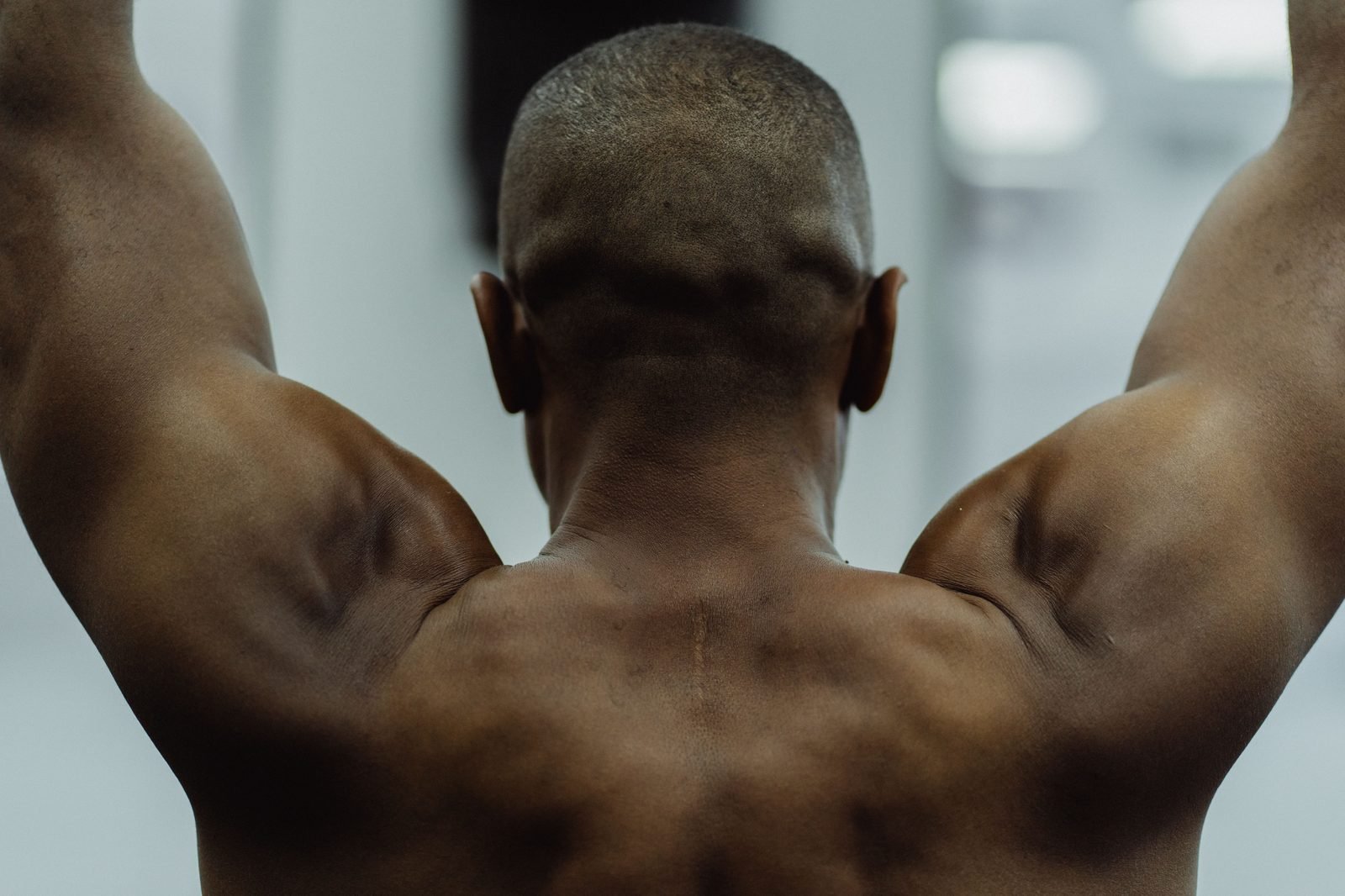
A shrug is exactly what it sounds like. You hold weight in your hands and elevate your shoulders straight up toward your ears, then lower them back down under control. No elbow bend, no rowing motion, no shoulder rotation. It’s a one-joint movement for the scapulae, and that simplicity is the point.
We program shrugs because the upper traps respond well to heavy, short-range loading and don’t get much direct work from rows or pulldowns. Those movements hit the mid and lower traps along with the lats, but the upper trap shelf that gives the neck and shoulder area that built look needs its own dedicated movement. Shrugs are that movement. We usually place them after compound pulls like deadlifts or rows, not before, since fatigued traps make it harder to stabilize the bar on heavier lifts.
How Do You Perform a Barbell Shrug With Good Form?
Follow these steps for clean barbell shrug form:
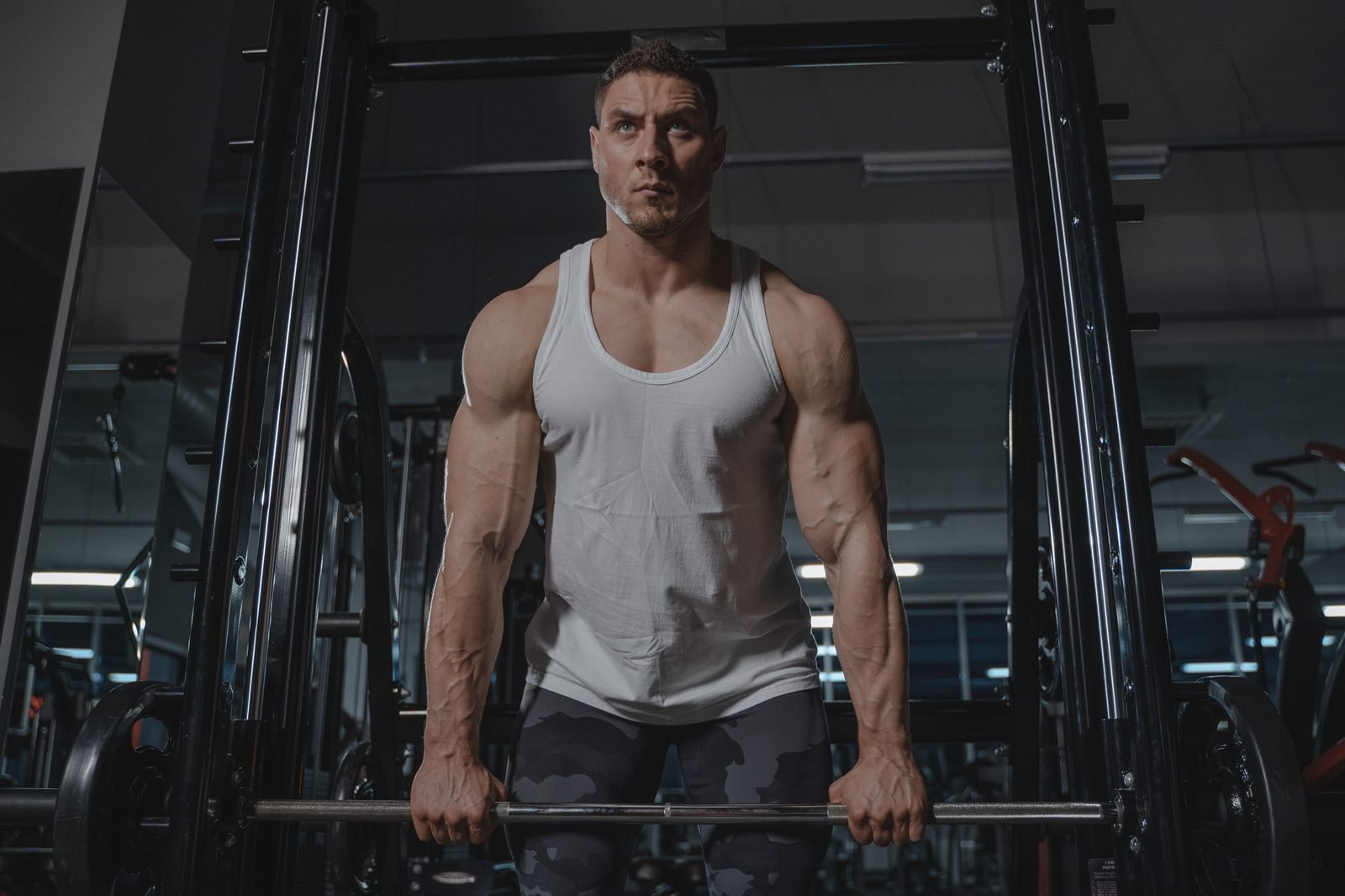
- Set your stance and grip. Stand with the bar in front of your thighs, feet hip-width apart, grip just outside your legs. Keep your arms straight throughout the entire set — your elbows are hooks, not levers.
- Drive your shoulders straight up, as if you’re trying to touch your ears with them.
- Hold the top position for a full second. This pause matters more than most people think. It’s where the upper traps actually do the work instead of just coasting through momentum.
- Lower slowly and feel the stretch at the bottom, then repeat.
- Keep your neck neutral. A lot of lifters crane their neck forward or back to “help” the movement, which does nothing for the traps and just irritates the cervical spine. Look straight ahead the whole time.
How Do You Perform a Dumbbell Shrug With Good Form?
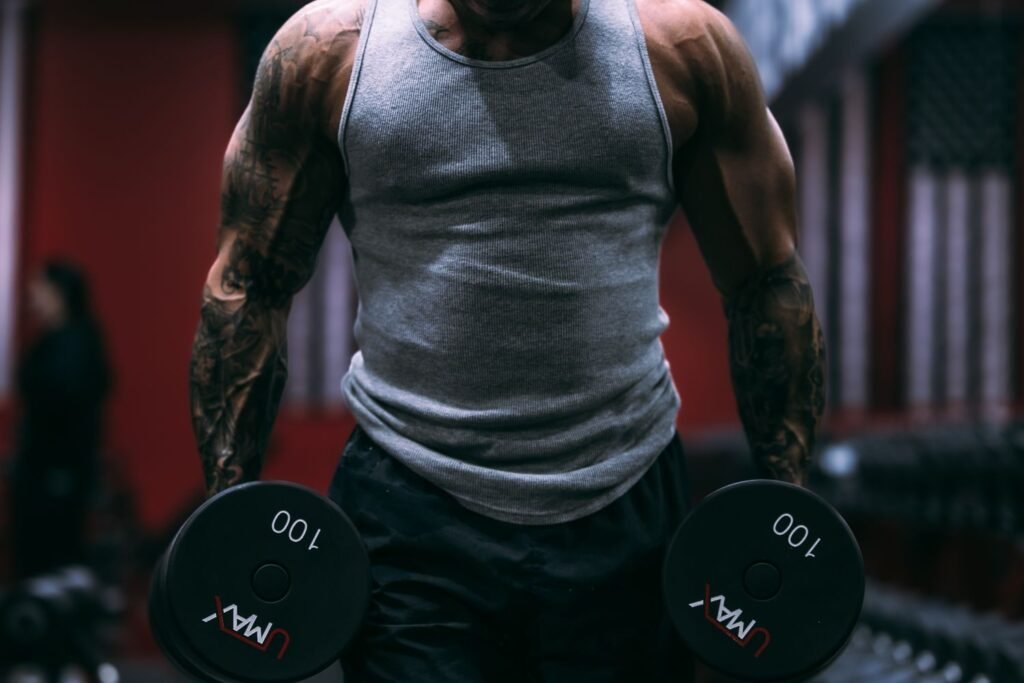
Dumbbell shrugs follow the same mechanics, but you hold a dumbbell in each hand at your sides with a neutral grip, palms facing your body. Stand tall, brace your core, and elevate both shoulders together.
Because the dumbbells hang at your sides rather than in front of your thighs, most people find they can move through a slightly larger range of motion here. Some coaches like adding a small backward shoulder roll at the top; we’ll cover why we’re generally against that in a moment. For now, keep it simple: straight up, brief pause, straight down.
What’s the Difference Between Barbell and Dumbbell Shrugs?
Load capacity is the biggest difference. A barbell lets you stack plates and move serious weight, which matters once your traps get strong enough that dumbbells run out of runway in a commercial gym. Grip becomes the limiting factor faster with a barbell too, since both hands share one bar.
Dumbbells give you a more natural shoulder path and let each side work independently, which is useful if you’ve got one trap that lags behind the other, which is common. They’re also easier on the lower back and forearms for lifters who feel barbell shrugs turning into a grinding grip exercise before the traps are anywhere near fatigued.
Neither is strictly better. We rotate both into programs depending on the client’s goals, current strength, and what equipment they’ve got access to for home or gym-based sessions.
Should You Roll Your Shoulders During a Shrug?
No. We don’t have clients roll their shoulders at the top of a shrug, and we’d recommend against it for most lifters. The idea behind rolling is that it recruits more of the trapezius through a circular path, but in practice it just adds rotational stress to the shoulder joint under load, with no real added benefit to the muscle. Straight up and straight down is safer and just as effective for building trap size and strength. Save the fancy variations for lighter, controlled mobility work if you want them at all.
How Do We Program Shrugs Into a Trap and Back Session?
Here’s a sample layout we use with clients who are training back and traps together in one session. Shrugs come after the heavy compound pull, not before.
| Exercise | Sets | Reps | Rest |
|---|---|---|---|
| Barbell Deadlift | 4 | 5 | 2-3 min |
| Bent-Over Barbell Row | 4 | 8 | 90 sec |
| Barbell Shrug | 4 | 10-12 | 75-90 sec |
| Dumbbell Shrug (single-arm) | 3 | 12-15 per side | 60 sec |
| Lat Pulldown | 3 | 10-12 | 60 sec |
Notice the barbell shrug comes right after the row while your grip is already warm, and the dumbbell version closes out the trap work unilaterally to catch any side-to-side imbalance. This is roughly the structure we lean on before layering in accessory arm work like a preacher curl session or finishing with something like an around the world shoulder movement on upper body days.
How Much Weight Should You Shrug?
More than you think, honestly. The traps are a thick, dense muscle group built to handle heavy loads day to day just from carrying your own head and posture, so they respond well to weight that would feel heavy on a row or a curl. That said, the right number depends entirely on your training history and current strength, not a generic chart.
Start with a weight that lets you complete the prescribed reps with clean form and that one-second pause at the top. If you’re swinging the weight up using momentum from your hips or knees, it’s too heavy. Drop it down and rebuild from there. Progressive overload still applies here like anywhere else: add small increments week to week once your reps and form are solid.
What Mistakes Do We See Most Often?
The biggest one is using momentum. Clients bounce the weight up with a knee dip or hip thrust instead of isolating the shoulder elevation, and it turns a trap exercise into a sloppy half-deadlift. We see this constantly with new clients who load the bar too heavy too soon, and it’s the single fastest way to strip the movement of its actual training effect.
Beyond that, cutting the range short at the bottom is common. People stop halfway down instead of letting the shoulders fully relax and stretch before the next rep. That stretched position under tension is part of what makes shrugs effective, so skipping it leaves gains on the table.
Frequently Asked Questions
What muscles do shrugs work?
Shrugs primarily target the upper trapezius, the muscle running from your neck to your shoulders. The levator scapulae assists with the elevation, and the rhomboids and lower traps engage isometrically to stabilize the shoulder blades. It’s a focused movement, not a full-back exercise, which is exactly why it pairs well with rows and pulldowns.
How do you do shrugs with proper form?
Hold the weight with straight arms, stand tall, and elevate your shoulders straight up toward your ears without bending your elbows or rolling your shoulders. Pause briefly at the top, then lower under control until you feel a full stretch. Keep your neck neutral throughout and avoid using hip or knee momentum to move the weight.
What’s the difference between barbell and dumbbell shrugs?
Barbell shrugs let you load more total weight but limit you to a fixed bar path in front of your thighs. Dumbbell shrugs allow a more natural range of motion at your sides and let each shoulder work independently, which helps catch imbalances. We use both, choosing based on the client’s goals and equipment access.
How much weight should you shrug?
There’s no universal number. Choose a weight that lets you complete your target reps with a controlled top pause and a full stretch at the bottom, without swinging the weight up. If your hips or knees are driving the movement, the weight is too heavy. Add small increments over time as your form stays clean.
Can shrugs help improve posture?
Yes, to a degree. Strengthening the upper traps supports the neck and shoulder girdle, which can help counteract the forward-hunched posture common with desk work. Shrugs alone won’t fix serious postural issues, but paired with rows and rear delt work, they contribute meaningfully to a stronger, more upright upper back.
Shrugs look simple, and mechanically they are, but getting real trap growth out of them takes attention to tempo, load selection, and where they sit in your weekly split. If you’d rather not guess your way through progressive overload alone, our coaches build shrug work directly into a personalized plan through FitStrot’s 1-on-1 personal training program, with form checks and load adjustments built into every session.