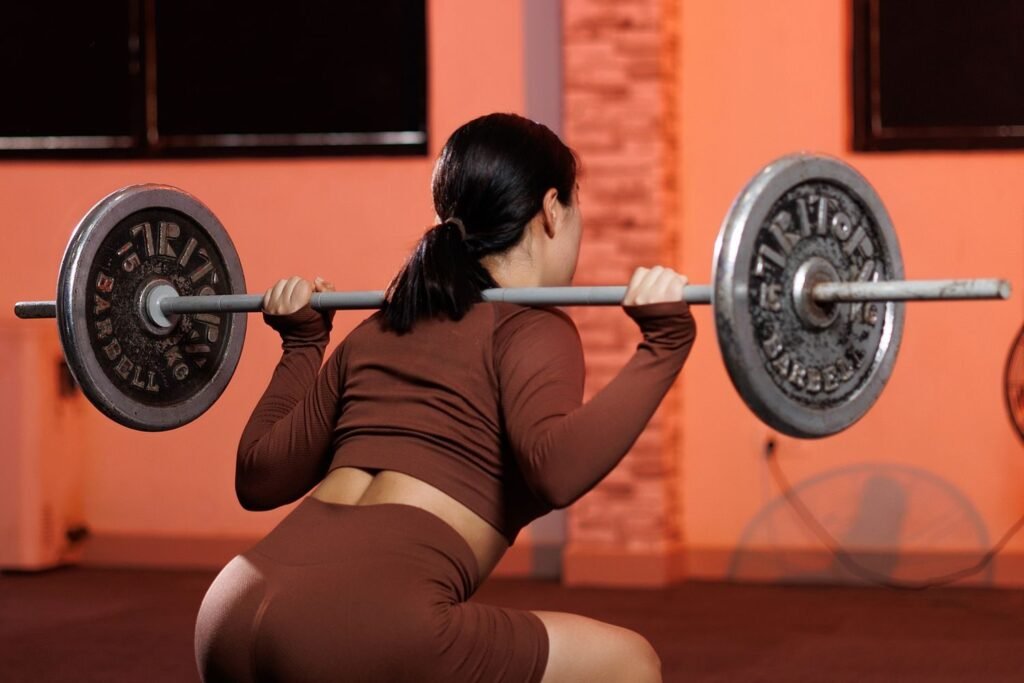
A traps muscle workout targets the trapezius, the large kite-shaped muscle running from your neck down to your mid-back and out to your shoulder blades. A proper session hits all three regions, upper, middle, and lower traps, using a mix of shrugs, rows, carries, and pulling movements. At FitStrot we program traps work into almost every upper body and back session we build, because this muscle does more than make your neck look thick. It stabilizes your shoulder blades, supports your posture, and shows up in nearly every pulling and pressing exercise you do.
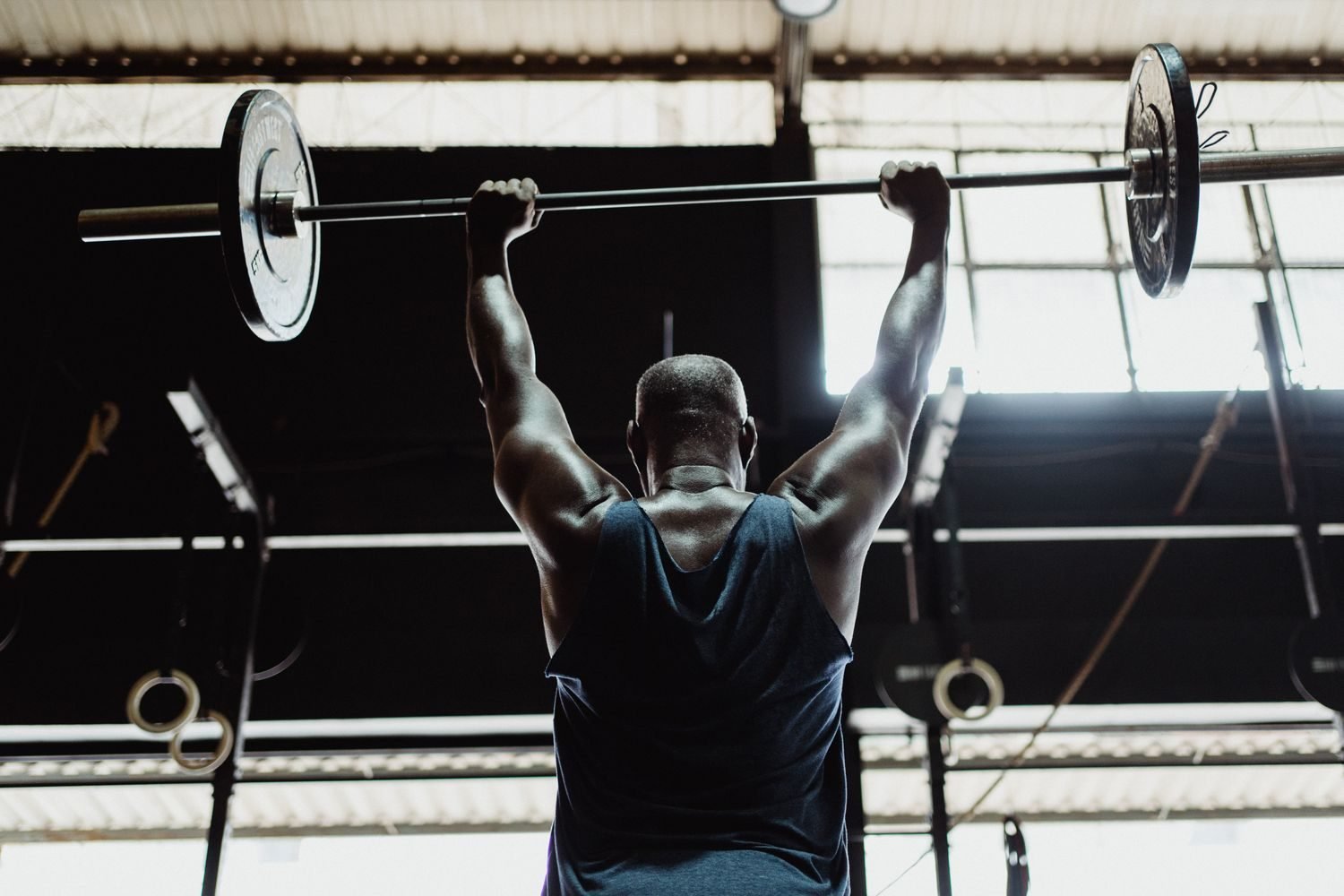
What Do the Traps Actually Do?
The trapezius isn’t one uniform muscle, it’s really three functional sections working together:
- Upper traps. Elevate your shoulder blades, the motion behind a shrug.
- Middle traps. Retract your shoulder blades, pulling them together.
- Lower traps. Depress and rotate your shoulder blades downward.
Most people who train traps only hit the upper fibers with shrugs and wonder why their upper back still looks flat and their shoulders round forward at a desk all day.
We build traps programming around all three regions because that’s what actually changes how your upper body looks and functions. A thick, well developed trapezius doesn’t just add size, it pulls your shoulders back into a better resting position and takes pressure off your neck and lower back during heavy lifts like deadlifts and overhead presses.
Why Does Training Traps Directly Matter?
You could argue the traps get plenty of indirect work from deadlifts, rows, and carries, and that’s true to a point. But indirect work rarely trains the full range of motion these muscles are capable of, especially the middle and lower fibers that control scapular retraction and depression. If you only deadlift and never do direct scapular work, you’ll build strong upper traps and leave the rest underdeveloped.
This matters for two reasons. First, aesthetics: traps are one of the most visible muscles when you’re wearing a t-shirt, and an underdeveloped set makes your whole upper body look smaller than it is. Second, and more important to us as coaches, shoulder health. Weak or imbalanced traps are one of the most common contributors to shoulder impingement and neck tightness we see in clients who sit at a desk all day and then go straight into heavy pressing work without addressing scapular control first.
How Do You Structure a Traps Muscle Workout?
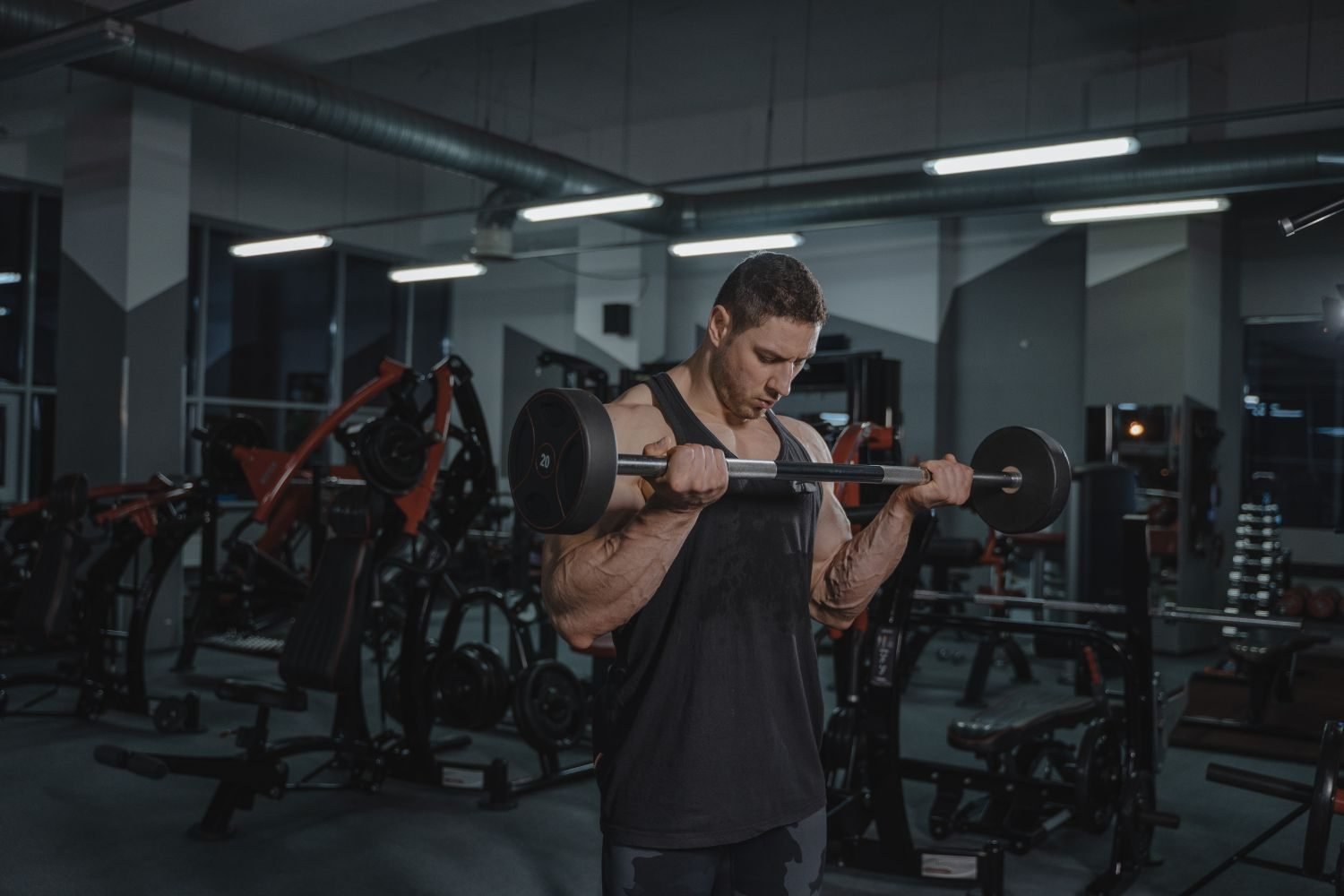
A good session isn’t just shrugs until your traps burn. We structure ours around three movement patterns: a loaded carry or hold for overall trap and grip endurance, a shrug variation for upper trap isolation, and a row or pull variation that hits middle and lower fibers through retraction. Here’s a sample workout we actually use with clients who want dedicated trap development, whether they’re training traps standalone or tacking it onto a back or shoulder day.
| Exercise | Sets | Reps | Rest |
|---|---|---|---|
| Barbell Shrug | 4 | 10-12 | 90 sec |
| Farmer’s Carry | 3 | 30-40 meters | 90 sec |
| Face Pull | 3 | 15-20 | 60 sec |
| Upright Row | 3 | 10-12 | 75 sec |
| Dumbbell Shrug (with a pause at the top) | 3 | 12-15 | 60 sec |
| Prone Y-Raise | 2 | 15 | 45 sec |
Run this as a standalone session once a week, or split it across your back and shoulder days if you train those separately. The pause at the top of the dumbbell shrug isn’t a gimmick, holding peak contraction for a second or two forces the upper traps to actually work instead of just bouncing the weight up and down, which is the single biggest technique flaw we correct in clients doing shrugs.
What’s the Best Exercise for Traps?
If we had to pick one exercise, it would be the barbell shrug, simply because it lets you load the upper traps heavier than almost anything else and progressively overload over time. But we’d push back on the idea that any single exercise builds complete traps. Shrugs hit the upper fibers hard but do almost nothing for the middle and lower traps, which need rowing and pulling patterns with a retraction focus, like face pulls, band pull-aparts, and Y-raises. If you want balanced development, you need at least one exercise from each category, not just heavier and heavier shrugs.
How Do Traps Connect to Your Back and Shoulder Training?
Traps rarely deserve their own dedicated day for most lifters. We usually fold trap work into a broader back workout routine, right after your main pulling movements like rows and pulldowns, since your grip and upper back are already primed. The trapezius is also functionally part of your upper back musculature, so if you’re building out a full upper back workout, your traps work should sit alongside rhomboid and lat training rather than as an afterthought tacked onto the end.
The other close relationship is with your shoulders. The upper traps and the deltoids share a lot of overlapping movement in overhead pressing and lateral raises, and imbalances between the two are a common source of shoulder discomfort. When we’re programming deltoid training for a client, we’re always thinking about how the traps are contributing to or compensating for shoulder mechanics, especially in anyone who complains about tightness during overhead movements.
Do Deadlifts Work the Traps?
Yes, heavily. The traps act as a stabilizer throughout the entire deadlift, particularly the upper and middle fibers, which keep your shoulder blades pulled back and your upper back rigid as you pull the bar off the floor. If your traps fatigue before your grip or lower back does during heavy deadlift sets, that’s usually a sign you’d benefit from more direct trap work to keep pace with your pulling strength.
How Often Should You Train Traps?
Two to three times a week works well for most people, whether that’s a dedicated session or trap accessory work folded into existing back and shoulder days. Because the traps recover quickly compared to larger muscle groups like the lats or quads, you can hit them more frequently without the same soreness or performance drop-off. We typically program direct trap work twice a week for clients focused on general development, and up to three times for anyone specifically chasing size in that area.
Can You Overtrain Your Traps?
It’s possible, but less common than people think. The bigger issue we run into isn’t overtraining volume, it’s poor technique repeated too often, like shrugging with rolled shoulders or using momentum instead of controlled contraction. We see clients make the mistake of chasing heavier shrug weight every session without ever pausing at the top or controlling the eccentric, which builds bad movement patterns faster than it builds actual trap size. If your neck feels perpetually tight or your shrugs start creeping into your ears, that’s your cue to back off load and clean up form rather than push volume higher.
What Mistakes Should You Avoid?
Rolling the shoulders during shrugs is the most common one we correct. Shrugs should move straight up and down, not in a circular motion, since rolling adds shoulder joint stress without recruiting the traps any better. Another mistake is ignoring the middle and lower fibers entirely and building what we call “shrug-only traps,” a muscle that looks disproportionately developed right at the base of the neck but flat everywhere else across the upper back. Balanced programming across all three regions avoids this and gives you a more complete, functional result.
Grip strength is also a limiting factor people underestimate. If your hands give out before your traps are properly fatigued during farmer’s carries or heavy shrugs, consider using straps occasionally so you can push the muscle itself rather than stopping short because your forearms tapped out first.
Bringing It Together
A traps muscle workout doesn’t need to be complicated. Pick one heavy loading movement, one carry or hold, and one or two pulling exercises that emphasize retraction, and you’ve covered the muscle’s full range of function. Consistency and clean technique will do more for your traps over a few months than any exotic exercise variation.
Every client’s starting point, injury history, and goals are different, and a generic template only goes so far. If you want a program built specifically for your goals, taking into account your posture, your current lifts, and how your traps fit into your broader back and shoulder training, that’s what our 1-on-1 personal training is for. Yash and our coaching team build every program around the person in front of us, not a one-size-fits-all sheet.
Frequently Asked Questions
What is the best exercise for traps?
The barbell shrug is the best single exercise for loading the upper traps heavily and progressing over time. That said, it mostly ignores the middle and lower fibers, so pairing it with rows, face pulls, or Y-raises gives you more complete trapezius development rather than relying on one movement alone.
Do deadlifts work the traps?
Yes. The traps stabilize your shoulder blades throughout the deadlift, especially the upper and middle fibers, keeping your upper back tight as you pull the bar off the floor. Heavy deadlifting builds real trap strength, though it shouldn’t replace direct trap work if you want fuller development.
How often should you train traps directly?
Two to three sessions a week is a solid range for most people. Traps recover faster than larger muscle groups, so they tolerate more frequent training without excessive soreness. We usually program direct trap work twice weekly for general clients and up to three times for those specifically prioritizing trap size.
Can you overtrain your traps?
It’s possible but less common than people assume. The bigger risk is poor technique, like shrugging with momentum or rolling the shoulders, repeated across too many sessions. Persistent neck tightness or shrugs creeping toward your ears is usually a sign to fix your form and reduce load rather than cut volume entirely.
Should beginners train traps directly?
Yes, though beginners often don’t need to prioritize it early on. Compound lifts like deadlifts, rows, and overhead presses already provide solid indirect trap stimulus in the first few months. Once basic strength and technique are established, adding two direct trap exercises a week rounds out development nicely.