Prana Mudra is a simple hand gesture, formed by touching the tips of the ring finger and little finger to the tip of the thumb while keeping the index and middle fingers extended, that is traditionally used in yoga and pranayama to awaken vital energy, reduce fatigue, and support better sleep, circulation, and eyesight. Practiced for 15 to 45 minutes daily, it is considered one of the easiest mudras to learn because it requires no special posture, breathing pattern, or prior yoga experience, only quiet, seated attention.
What Is Prana Mudra?
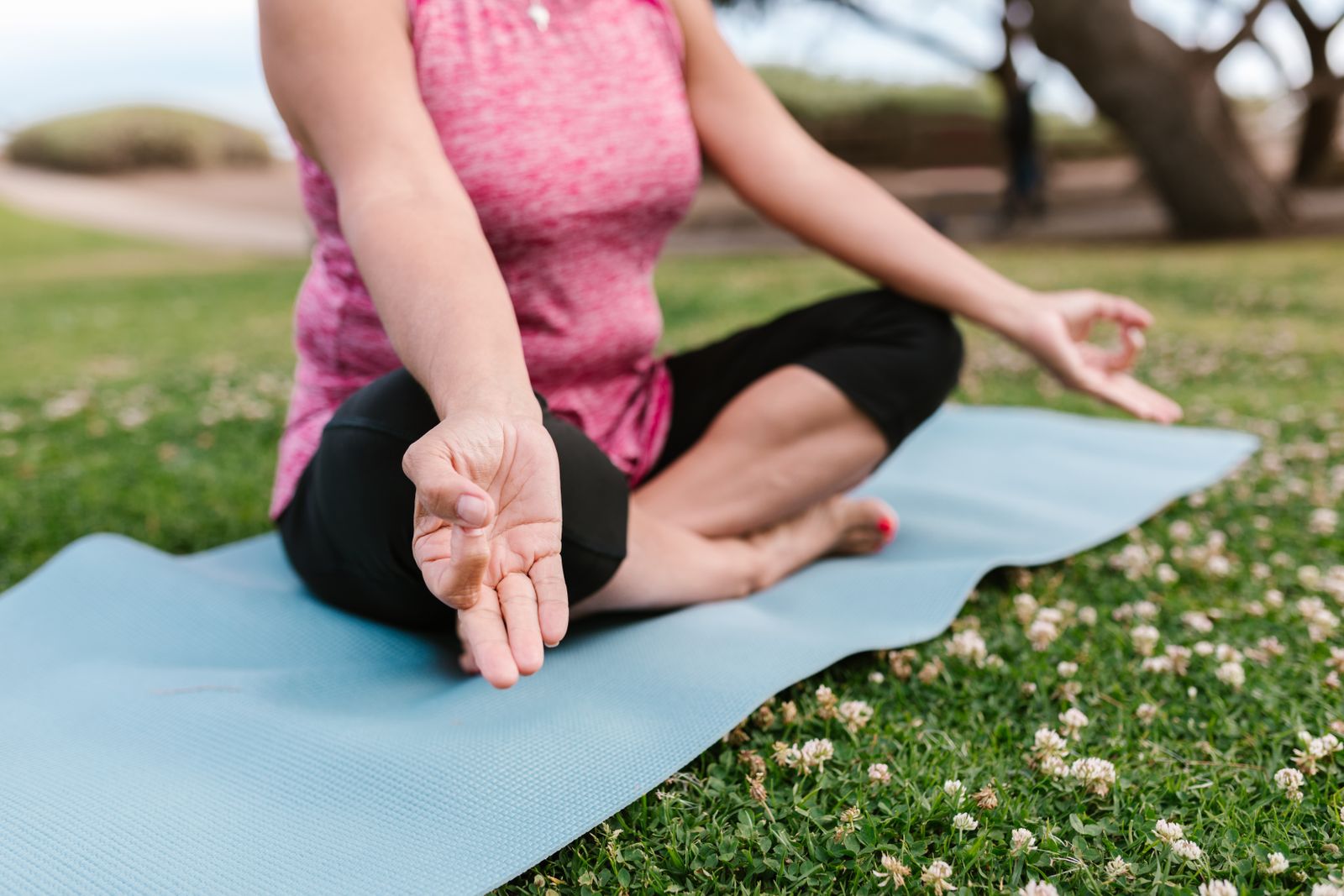
Prana Mudra takes its name from “prana,” the Sanskrit word for life force or vital energy, and “mudra,” meaning seal or gesture. In the classical hand-mudra system used across hatha yoga and Ayurveda, each fingertip is associated with one of the five elements: thumb with fire, index finger with air, middle finger with space, ring finger with earth, and little finger with water. Prana Mudra joins the earth and water fingers to the fire finger, a combination believed to balance the earth and water elements in the body while stimulating internal energy. It belongs to the same broader family of hand gestures covered in a general yoga mudra guide, where dozens of finger positions are used to direct subtle energy through the hands.
How Do You Perform Prana Mudra Correctly?
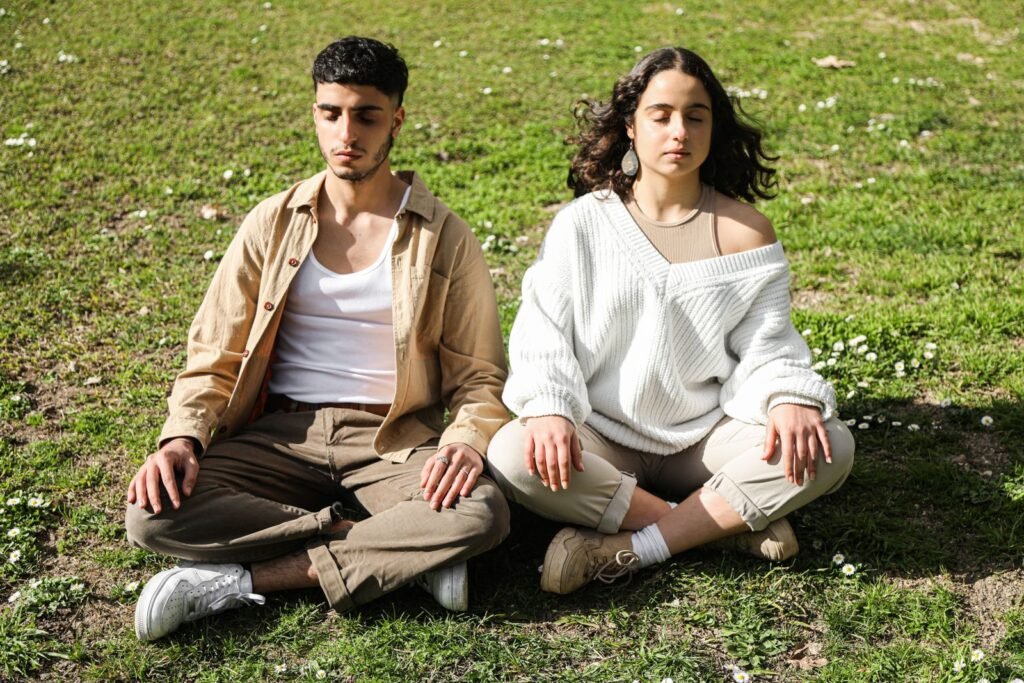
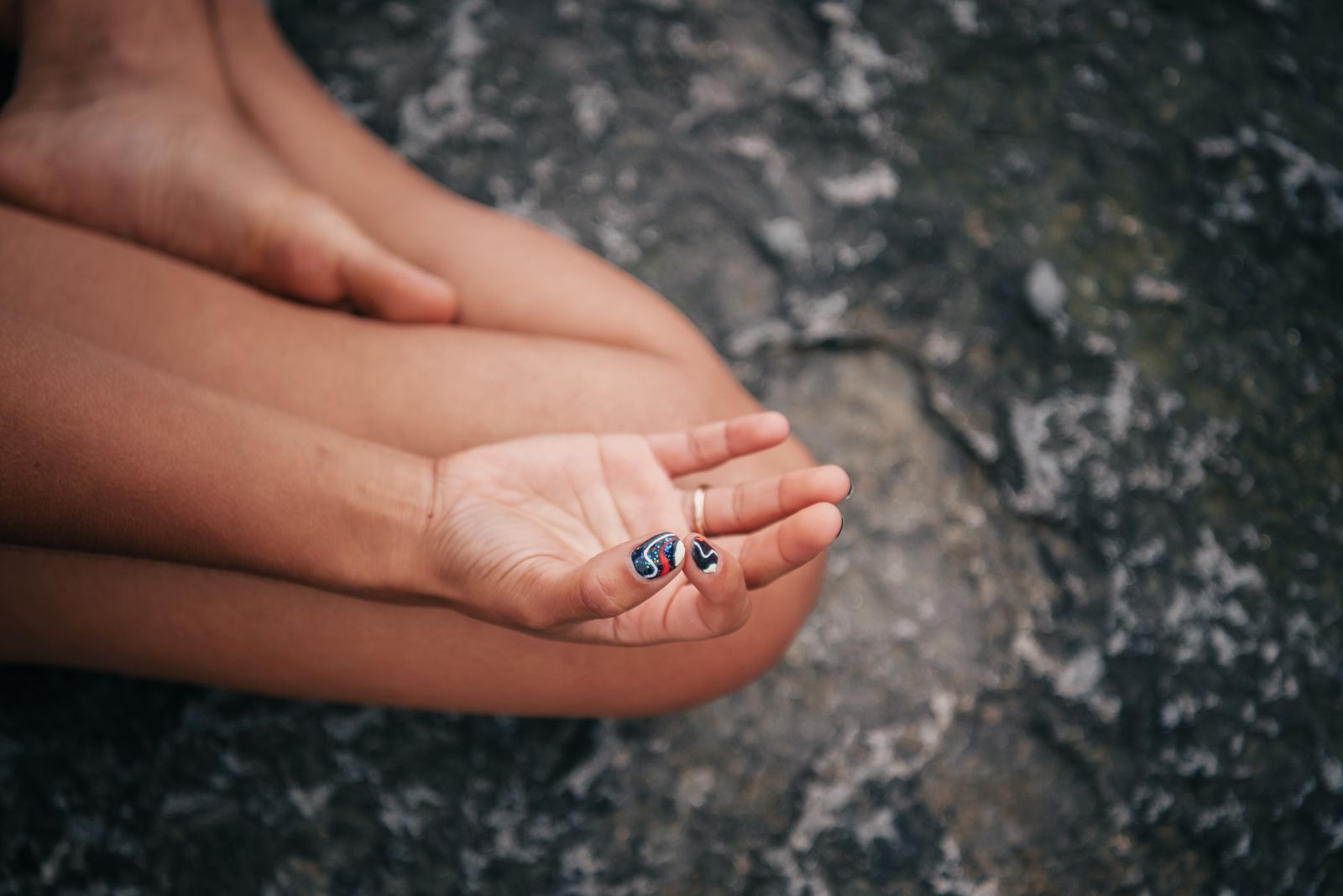
Sit in any comfortable cross-legged position such as Sukhasana or Padmasana, or sit upright in a chair with your feet flat on the floor. Keep your spine straight without stiffening it. Rest your hands on your knees, palms facing upward. Bring the tip of your ring finger and the tip of your little finger to touch the tip of your thumb, while the index and middle fingers stay straight and relaxed. Hold this shape gently, without pressing hard, and breathe slowly through the nose. Beginners often benefit from combining this hand position with a few rounds of Anulom Vilom pranayama or simple diaphragmatic breathing to deepen the calming effect.
How Long Should You Hold Prana Mudra?
Traditional teaching recommends practicing Prana Mudra for 15 to 45 minutes at a stretch, though many teachers suggest starting with 5 to 10 minutes if you are new to seated mudra practice and building up gradually. The mudra can be split across two or three shorter sessions in a day rather than one long sitting, which makes it realistic to fit into a lunch break, a pre-sleep wind-down, or the first few minutes after waking. Consistency across days appears to matter more than the length of any single session, similar to the pattern seen with other steady mudras and their benefits in daily practice.
What Are the Reported Benefits of Prana Mudra?
Practitioners and traditional yoga texts associate Prana Mudra with several benefits, though it’s worth noting most of this evidence is experiential and passed down through yogic tradition rather than large clinical trials:
- Reduced fatigue: Regular practice is commonly described as helping counter tiredness and low energy, which is where the mudra gets its name.
- Better sleep quality: Many teachers recommend it before bed to quiet a restless mind and ease the transition into sleep.
- Improved eyesight: Ayurvedic tradition links this gesture to eye health, sometimes pairing it with palming exercises or gentle eye yoga.
- Support for immunity: By calming the nervous system, the mudra is said to indirectly support the body’s resilience against minor illness.
- Grounding and stability: Because it balances the earth element, some practitioners use it during anxious or scattered moments to feel more centered.
These claims are best understood as traditional wellness observations rather than medically proven outcomes, and Prana Mudra should complement, not replace, medical care for any diagnosed condition. If low energy and poor sleep are recurring struggles, it’s worth pairing this mudra with broader lifestyle habits covered in guides like yoga for better sleep and yoga for stress relief.
What Is the Difference Between Prana Mudra and Vayu Mudra?
Prana Mudra and Vayu Mudra are often confused because both involve folding a finger toward the thumb, but they serve different purposes. Vayu Mudra involves folding the index finger down and pressing it with the thumb, and it is used specifically to pacify excess “air” element in the body, commonly recommended for joint discomfort, bloating, or a restless, scattered mind. Prana Mudra, by contrast, joins the ring and little fingers to the thumb while leaving the index finger extended, and it is aimed at energizing the body rather than calming excess air. Some traditional sequences use Vayu Mudra to settle discomfort first, then move into Prana Mudra to restore energy afterward.
Can Prana Mudra Help With Eye Strain and Vision?
In Ayurvedic and yogic tradition, the fingers are mapped to different organs and systems, and the ring finger is associated with the eyes. This is part of why Prana Mudra is often recommended alongside simple eye exercises such as slow blinking, focus shifting between near and far objects, and palming, where warmed palms are cupped gently over closed eyes for a minute. None of this replaces an eye examination or corrective lenses when needed, but as a low-effort daily habit to reduce digital eye fatigue from screens, many practitioners find the combination genuinely soothing.
Who Should Avoid or Be Cautious With Prana Mudra?
Prana Mudra is considered gentle and low-risk for most healthy adults, but a few situations call for caution. If you have a hand injury, arthritis flare-up, or significant joint pain in the fingers, forcing the gesture can cause unnecessary strain, so ease into it or skip it until the joint settles. People with very low blood pressure should monitor how they feel, since some practitioners report a warming, energizing effect that can occasionally feel intense at first. As with any yoga or pranayama practice, anyone with a heart condition, recent surgery, or a chronic illness should check with their doctor before adding new breathing-linked routines, and pregnant practitioners should mention any new practice to their prenatal care provider.
When Is the Best Time to Practice Prana Mudra?
Early morning on an empty stomach is the classical recommendation, ideally seated facing east if that resonates with your practice, since morning practice is thought to set an energized tone for the day. That said, Prana Mudra is flexible enough to use whenever fatigue hits: mid-afternoon energy dips, before an evening workout, or during a short break between work calls. Some practitioners also use it at night specifically to quiet the mind before sleep, which shows how the same gesture can be adapted to different goals depending on when and how it’s used. Pairing it with a short morning yoga routine is a popular way to build the habit, and some practitioners fold it into an evening wind-down before sleep instead.
How Does Prana Mudra Fit Into a Meditation Practice?
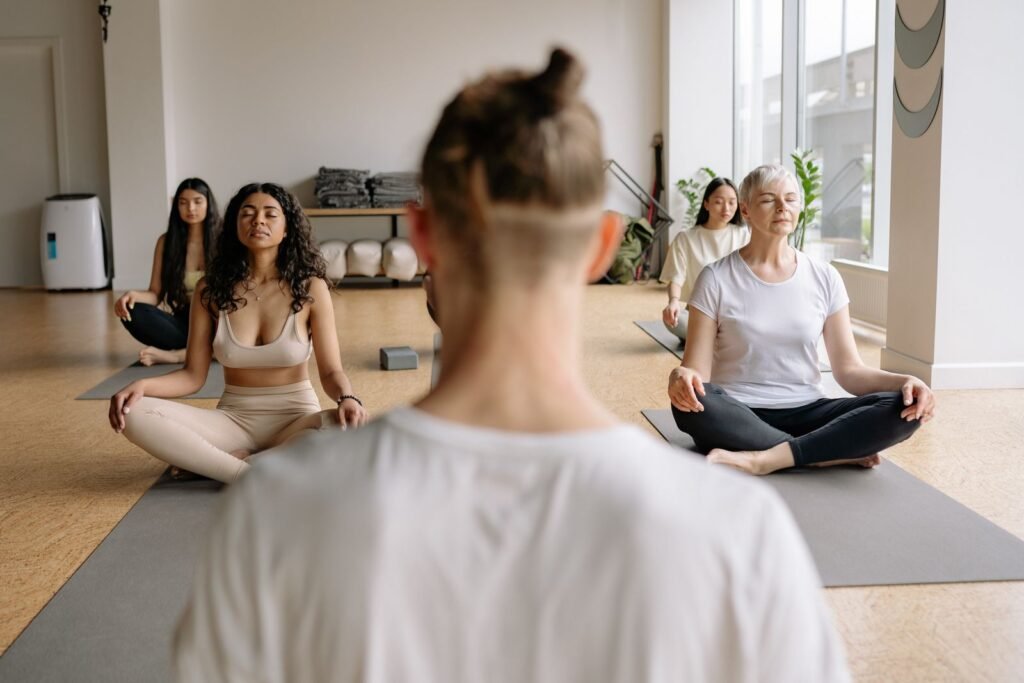
Because Prana Mudra requires no movement, it pairs naturally with seated meditation. Many practitioners hold the mudra throughout a full meditation session, using the physical anchor of the fingers touching as a way to keep attention from wandering. It also works well layered on top of mantra repetition, guided visualization, or simple breath counting. If you’re building a broader meditation for beginners practice, Prana Mudra is a low-barrier entry point because it doesn’t require learning a breathing ratio or a specific posture beyond sitting upright and comfortable.
What Does Science Say About Mudras Like Prana Mudra?
It’s important to be direct here: the mechanism behind mudras, that specific finger positions redirect “life force” through the hands, is a traditional yogic and Ayurvedic concept rather than one with an established physiological explanation in modern science. What research does support more broadly is that quiet, seated practices involving slow breathing and sustained attention are associated with reduced markers of stress and improved subjective calm. So while the elemental theory behind Prana Mudra is a matter of yogic philosophy, the practical experience of sitting still, breathing slowly, and focusing attention for several minutes a day has plausible, well-documented calming value on its own, independent of the specific finger position used.
How Does Prana Mudra Compare to Other Common Mudras?
Prana Mudra is one of several widely practiced hand gestures, each associated with a different intention. Gyan Mudra, formed by joining the thumb and index finger, is linked to concentration and clarity. Apana Mudra, joining the thumb, middle, and ring fingers, is associated with detoxification and grounding. Surya Mudra, pressing the ring finger to the thumb, is linked to metabolism and warmth in the body. Understanding how Prana Mudra sits alongside these other gestures helps clarify why teachers often rotate mudras depending on what a student needs that day, whether that is calm focus, energy, or release. A broader look at these differences is covered in the general mudras and benefits overview, alongside related practices like pranayama breathing techniques that often accompany mudra work.
Can Beginners Combine Prana Mudra With Yoga Poses?
Yes, and this is a common way teachers introduce the gesture to new students. Prana Mudra can be held during seated poses such as Sukhasana, Vajrasana, or even during the final relaxation of a class in a modified seated version of Savasana. Some instructors also incorporate it into gentle restorative sequences, such as a slow yin yoga class or a beginner-friendly Hatha yoga session, where long holds give practitioners plenty of time to settle into the mudra without rushing. Since the gesture doesn’t interfere with breath or balance, it’s one of the easier mudras to layer onto an existing practice rather than treating it as a separate routine.
What Mistakes Do Beginners Make With Prana Mudra?
The most common mistake is pressing the fingers together too hard, which creates tension in the hand and forearm instead of the intended relaxed, sealed touch. Another frequent error is holding the shoulders tightly or hunching forward, which undercuts the calming effect the mudra is meant to support. Some beginners also give up too quickly, expecting a dramatic shift in energy within a single session, when the traditional guidance points to weeks of steady daily practice before noticing subtler changes in sleep or fatigue. Finally, skipping the breath entirely, holding the mudra while breathing shallowly through the mouth, misses much of the calming benefit that comes from slow nasal breathing during the hold.
Questions People Ask About Prana Mudra
What is Prana Mudra good for?
Prana Mudra is traditionally used to reduce fatigue, support better sleep, improve focus during meditation, and is sometimes linked to better eyesight in Ayurvedic teaching. It’s considered a gentle, energizing gesture suited to daily practice, especially for people feeling drained or mentally scattered.
How many minutes should I do Prana Mudra?
Traditional guidance suggests 15 to 45 minutes daily, but beginners can start with 5 to 10 minutes and build up gradually. Splitting the practice into two shorter sessions, morning and evening, is a realistic way to build consistency without needing a long uninterrupted block of time.
Can I do Prana Mudra while lying down?
Yes, Prana Mudra can be practiced lying down, though seated practice is more traditional because an upright spine is thought to support better energy flow. If you’re using it to wind down before sleep, holding the mudra while lying in bed with slow breathing is a perfectly reasonable adaptation.
Is Prana Mudra the same as Prana Vayu Mudra?
Prana Mudra and Prana Vayu Mudra refer to the same hand gesture, joining the ring and little fingers to the thumb. The two names are used interchangeably across different yoga schools and regional teaching traditions, so you may see either term used for the identical hand position.
Does Prana Mudra really increase energy?
There’s no clinical measurement confirming that this specific finger position increases physiological energy. What’s more defensible is that the accompanying stillness, slow breathing, and focused attention that typically go along with practicing the mudra can reduce the mental fatigue that often gets mistaken for low physical energy.
Can children practice Prana Mudra?
Children can practice Prana Mudra safely since it involves no strain or complex posture, though most teachers suggest introducing it briefly, for just a few minutes, and framing it as a calming game rather than a serious discipline to keep it engaging for younger age groups.
Try This for Yourself
Reading about Prana Mudra is a start, but the calming and energizing effects described here are easiest to feel with guided practice alongside someone who can correct your hand position, pacing, and breath in real time. If you’d like structured support building this and other mudras into a daily routine, explore FitStrot’s online yoga classes and practice with an instructor from home.
Related reading: Yoga Mudra: A Complete Guide, Mudras and Their Benefits, Vayu Mudra Explained, Meditation for Beginners, and FitStrot’s online yoga classes.