You can’t spot-reduce visceral fat with crunches, and no supplement melts it off overnight — but the fat wrapped around your liver, intestines, and other organs does respond reliably to a specific combination of habits: a modest calorie deficit built around less added sugar and refined starch, a mix of resistance and aerobic training, 7-9 hours of sleep, and lower chronic stress. What’s different about visceral fat is that it tends to respond faster and more dramatically to these changes than the fat under your skin does — genuinely good news if you’re carrying more of it than you’d like.
This guide covers what visceral fat actually is, why it carries more health risk than the fat you can pinch, what research shows actually works, and how long it realistically takes to see a difference.
What is visceral fat, and how is it different from subcutaneous fat?
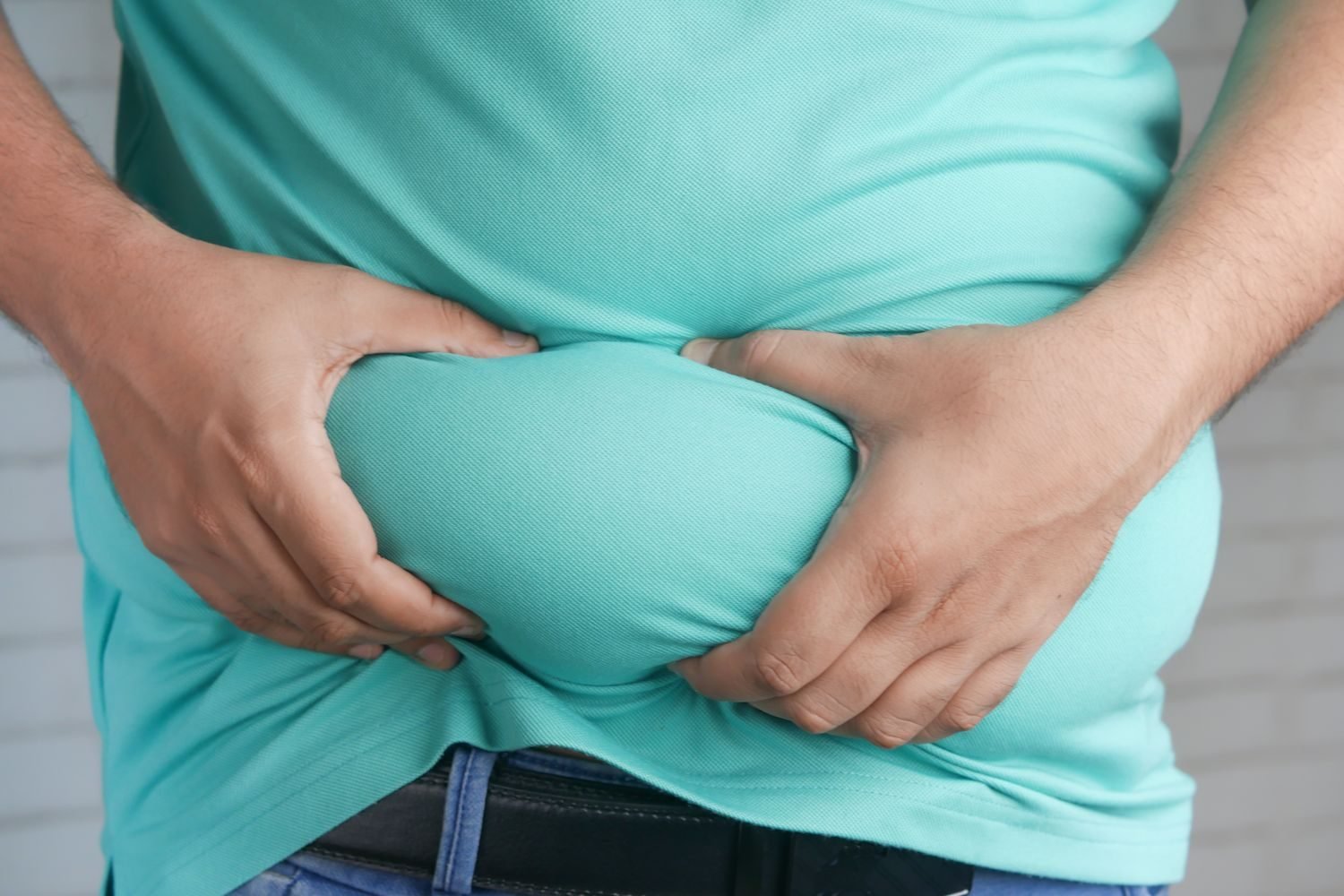
Visceral fat is the fat stored deep in the abdominal cavity, packed around your liver, pancreas, and intestines. Subcutaneous fat is the fat you can pinch — the layer sitting just under the skin on your belly, hips, thighs, and arms. In most people, roughly 90% of total body fat is subcutaneous, and only about 10% is visceral, according to Harvard Health.
That 10% punches well above its weight metabolically. Visceral fat is biologically active tissue — it releases inflammatory compounds and fatty acids directly into the portal vein, the blood supply that feeds straight into the liver, which disrupts liver function and insulin signaling. Subcutaneous fat, by contrast, produces more leptin (a satiety hormone) and adiponectin, which helps regulate insulin sensitivity, per Harvard Health’s summary of the research.
This distinction matters for how you think about your body composition generally — two people with the same BMI can carry very different amounts of visceral fat, which is part of why BMI alone is an imperfect risk marker.
Why does visceral fat matter more for health risk than subcutaneous fat?
Because of where it sits and what it does once it’s there. Visceral fat’s proximity to the portal vein means the inflammatory and metabolic signals it produces go straight to the liver, contributing to insulin resistance, elevated blood fats, and low-grade systemic inflammation. Harvard Health cites a large study of European women ages 45 to 79 in which those with the largest waists had more than double the risk of developing heart disease — and the risk stayed nearly double even after researchers adjusted for blood pressure, cholesterol, smoking, and BMI.
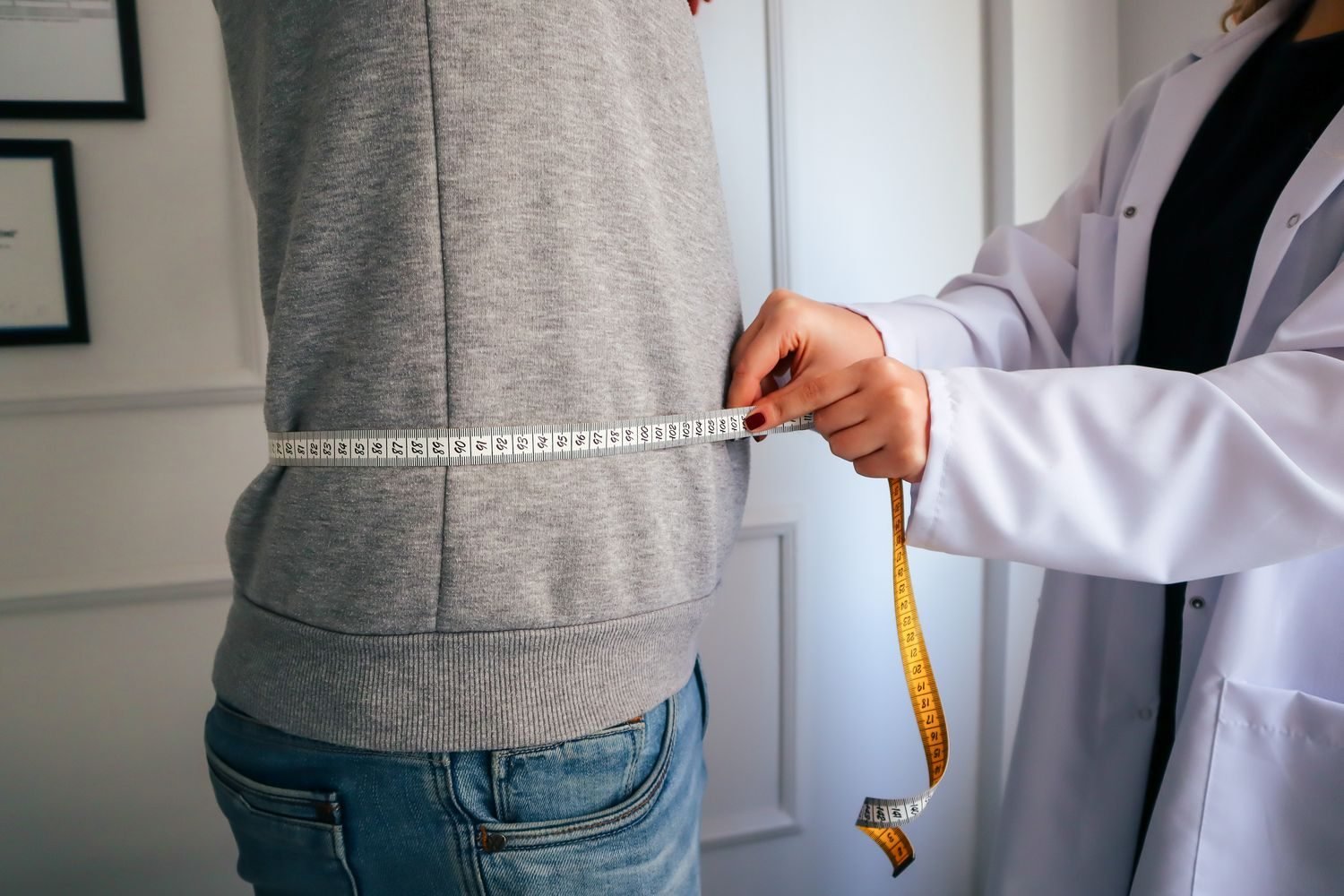
That last point is the key one: waist size, a proxy for visceral fat, predicted heart disease risk independent of overall body weight. This is why a waist circumference measurement — not just weight or BMI — is a useful, low-cost screening tool. The National Heart, Lung, and Blood Institute defines elevated metabolic risk based on waist circumference:
- Men: a waist above 40 inches (102 cm)
- Women: a waist above 35 inches (88 cm)
Visceral fat accumulation is also tied to cholesterol changes worth understanding on their own — see does sugar raise cholesterol for that connection.
Can you spot-reduce belly fat with ab exercises?
No — and the research on this is unusually consistent. A study in the Journal of Strength and Conditioning Research found that participants who did targeted abdominal exercises for six weeks lost no more belly fat than those who did no ab-specific training at all. A 2021 meta-analysis pooling 13 studies and more than 1,100 participants reached the same conclusion: localized muscle training does not produce localized fat loss. A separate 12-week randomized trial found no extra reduction in belly fat when an abdominal resistance program was added on top of a diet-only intervention.
The mechanism explains why: when you burn fat for energy, it’s released from fat cells throughout the body into the bloodstream and used wherever the body needs it, not preferentially from the muscle you just worked. Where you lose fat first and most is determined largely by genetics and hormones, not by which muscle you trained that day.
This doesn’t mean core exercise is pointless. Strengthening your abdominal and back muscles improves posture, supports your spine, and can make your midsection look firmer as overall body fat drops — it just won’t selectively strip fat from that area. If you’re building a broader plan, our guide to nutrition and fat loss covers how fat loss actually works system-wide.
What actually reduces visceral fat, according to research?
Four levers show up consistently in the research:
- A sustained calorie deficit, especially one that cuts added sugar and refined carbs
- A combination of resistance and aerobic training
- Adequate sleep
- Lower chronic stress
These same fundamentals show up throughout our guide to nutrition and fat loss — here’s how each one applies specifically to the fat around your organs.
An overall calorie deficit, prioritizing less added sugar and refined carbs
Visceral fat is fat, and fat loss ultimately requires burning more energy than you consume. But not all calorie sources appear equal for visceral fat specifically. A randomized controlled trial published in the Journal of Clinical Investigation (Stanhope et al.) found that people who drank fructose-sweetened beverages gained significantly more visceral fat than those drinking glucose-sweetened beverages — even though total calories were matched between groups. Fructose is metabolized primarily in the liver, and high intake appears to drive fat storage there and in the surrounding visceral depot more than other sugars do.
A more recent randomized trial in primary care patients with overweight and obesity, the DISFRUTE study, found that simply cutting added fructose from the diet reduced both waist circumference and blood glucose, without any other prescribed changes. Research also links regular sugar-sweetened beverage consumption to a fat distribution pattern favoring abdominal storage over other areas.
The practical takeaway isn’t that all carbs are the enemy — whole fruit, for instance, comes with fiber and doesn’t show these effects. It’s that sodas, sweetened coffee drinks, pastries, and refined starches appear to have an outsized effect on visceral fat specifically, beyond what their calories alone would predict. For a broader framework on structuring meals, see nutrition for weight loss.
Resistance training combined with aerobic exercise
Exercise research points to a dose-dependent relationship: a systematic review found that at least 150 minutes per week of moderate-to-vigorous aerobic exercise was needed to produce clinically meaningful reductions in waist circumference and visceral fat, and that every additional 30 minutes of weekly aerobic exercise was associated with measurable decreases in visceral adipose tissue area. Comparisons of high-intensity interval training against steady-state cardio in obese young women found comparable reductions in abdominal visceral fat between the two approaches — so the total volume and consistency of aerobic work seems to matter more than the specific format.
Resistance training adds a separate benefit: it preserves and builds lean muscle mass during a calorie deficit, supporting a healthier metabolic rate and body composition long-term, even though lifting alone hasn’t been shown to melt visceral fat as directly as aerobic work does. Research following men over time found that combining weight training with aerobic activity produced better long-term waist circumference outcomes than either alone. Pairing both with food choices that support recovery is where metabolism-boosting foods play a supporting role.

Sleep and stress management — the cortisol connection
This is the piece people underestimate most. Visceral fat tissue has a higher density of glucocorticoid (cortisol) receptors than subcutaneous fat, along with more cells per unit of mass and greater blood flow — meaning cortisol affects abdominal fat storage more directly than it affects fat elsewhere on the body. Chronic activation of the body’s stress response system (the HPA axis) raises cortisol output, which research links to increased appetite and preferential fat storage in the visceral depot.
A Yale study found that non-overweight women who were more biologically reactive to stress, meaning their cortisol rose more sharply under pressure, carried more abdominal fat than women with a blunted stress response, even at similar body weights. The clearest human evidence for the cortisol-visceral fat link comes from Cushing’s syndrome, a condition of chronic cortisol excess where central fat accumulation is a hallmark symptom — showing the underlying mechanism, if not the everyday magnitude, more dramatically than ordinary stress does.
Sleep matters here too, since poor sleep is itself a driver of elevated cortisol and disrupted appetite hormones. You don’t need to eliminate stress to make progress, but chronically poor sleep and unmanaged stress can work against an otherwise solid diet and training plan.
How long does it take to reduce visceral fat?
Faster than you’d expect for the scale to move much. Because visceral fat is more metabolically active than subcutaneous fat, it tends to respond earlier to a calorie deficit and increased activity. Research on aerobic training shows measurable reductions in visceral fat area within 8 to 12 weeks of consistent moderate-to-vigorous exercise at or above 150 minutes per week, and a waist circumference reduction of roughly 2-3 cm over 12 weeks is generally considered to reflect meaningful visceral fat loss.
That timeline assumes consistency, not perfection — a sustained deficit most weeks, regular training, decent sleep, and lower added sugar intake, kept up for at least a couple of months before judging results. Visceral fat also tends to be the first fat lost as total body fat decreases, which is why waist circumference and how clothes fit around the middle often shift before overall weight changes dramatically. If you’re not seeing movement in your waist measurement after 10-12 weeks of consistent effort, that’s a reasonable point to reassess your approach, ideally with guidance tailored to your numbers rather than general rules of thumb.
Frequently Asked Questions
Can I lose visceral fat without losing weight overall?
It’s uncommon but not impossible. Visceral fat responds strongly to exercise, particularly aerobic training, even when total weight loss is modest, because activity improves how the body partitions and stores fat. Most people who reduce visceral fat meaningfully do see some overall weight or waist circumference change — and improvement in BMI and related health markers, even if the scale moves slowly.
Does belly fat freezing or fat-dissolving injections reduce visceral fat?
No. Treatments like cryolipolysis and lipolytic injections are approved for subcutaneous fat just under the skin — they cannot reach fat deep around the organs. Visceral fat can only be reduced through approaches that create a genuine calorie deficit and improve metabolic health, such as diet, exercise, sleep, and stress management.
Is waist circumference a reliable way to track visceral fat at home?
Yes, reasonably. While imaging (CT or MRI) is the gold standard, waist circumference correlates well with visceral fat levels in research and is a practical home proxy. Measure at the navel, standing relaxed, and track changes over weeks rather than day to day, since it naturally fluctuates.
Does alcohol specifically affect visceral fat?
Alcohol contributes calories that can support a surplus, and regular higher intake is associated with increased abdominal fat storage in observational research, partly because alcohol is processed by the liver similarly to fructose. Moderating intake is a reasonable part of a visceral-fat-focused approach, alongside reducing added sugar.
Do I need to cut all carbs to reduce visceral fat?
No. The research pointing to outsized visceral fat effects centers on added sugar and refined starches specifically — not carbohydrates broadly. Whole grains, fruit, and legumes haven’t shown the same effects and provide fiber and nutrients that support the calorie deficit itself. See nutrition for weight loss for how to build meals around this.
Visceral fat responds to the same fundamentals that support health generally: a moderate calorie deficit that’s lighter on added sugar and refined carbs, regular resistance and aerobic training, consistent sleep, and manageable stress. If you want a plan built around your own numbers, history, and schedule rather than generic rules, an online nutritionist consultation can help you turn these principles into something you’ll actually stick with.