Good nutrition for kids comes down to hitting five food groups consistently, not chasing perfection at every meal. A practical daily target for a 4-8 year old looks like this: 3-5 servings of grains, 1-2 cups of vegetables, 1-2 cups of fruit, 3-5.5 oz of protein, and 2-2.5 cups of dairy, spread across three meals and two snacks. The rest of this guide turns those numbers into an actual weekly plan — what to pack, what to cook, and how to fix the gaps that show up when a child skips vegetables or refuses the tiffin box.
If you’ve read general advice on child nutrition and still feel stuck at “but what do I actually cook,” this is the implementation layer: a week’s worth of breakfast, lunch, snack, and dinner ideas organized by age band, plus fixes for two problems every parent hits — picky eaters and school lunches that come back untouched.
How Much Should Kids Eat Each Day, By Age?
Portion needs scale with age and activity level, not with how much food fits on an adult-sized plate. According to USDA MyPlate guidelines, children 2-4 years need 1-1.5 cups of fruit and 1-2 cups of vegetables daily, while children 5-8 years need slightly more: 1-2 cups of fruit and 1.5-2.5 cups of vegetables. Grains sit at 3-5 servings a day for children age 8 and under, and protein needs range from 2-5 oz for toddlers to 3-5.5 oz for early school-age kids.
Dairy is where a lot of Indian households under-serve without realizing it. Two- to six-year-olds need about 2 servings from the milk group daily — this can be a glass of milk, a bowl of curd, or a cube of paneer, not necessarily all three. For a deeper look at why this matters for bone development, see our piece on calcium nutrition.
Calcium and Iron: The Two Nutrients Parents Most Often Miss
Calcium needs jump sharply with age. Kids 1-3 years need 700 mg daily, kids 4-8 years need 1,000 mg daily, and children 9-18 years need 1,300 mg daily, per the National Institutes of Health Office of Dietary Supplements. One glass of milk (roughly 250 ml) provides about 250-300 mg, so a 6-year-old realistically needs milk plus curd or paneer across the day to hit target.
Iron requirements are lower in absolute terms but easy to miss because plant-based iron (from dals, spinach, jaggery) absorbs less efficiently than iron from meat or eggs. Children aged 1-6 need about 7 mg of iron daily, rising to 11 mg for ages 7-11, according to nutrition data compiled by the Linus Pauling Institute at Oregon State University. Pairing iron-rich foods with a vitamin C source — lemon on dal, or amla with a snack — improves how much iron the body absorbs. Our article on nutritional requirements for children breaks down more of these micronutrient targets.
What Should a Weekly Nutrition Chart for Kids Actually Look Like?
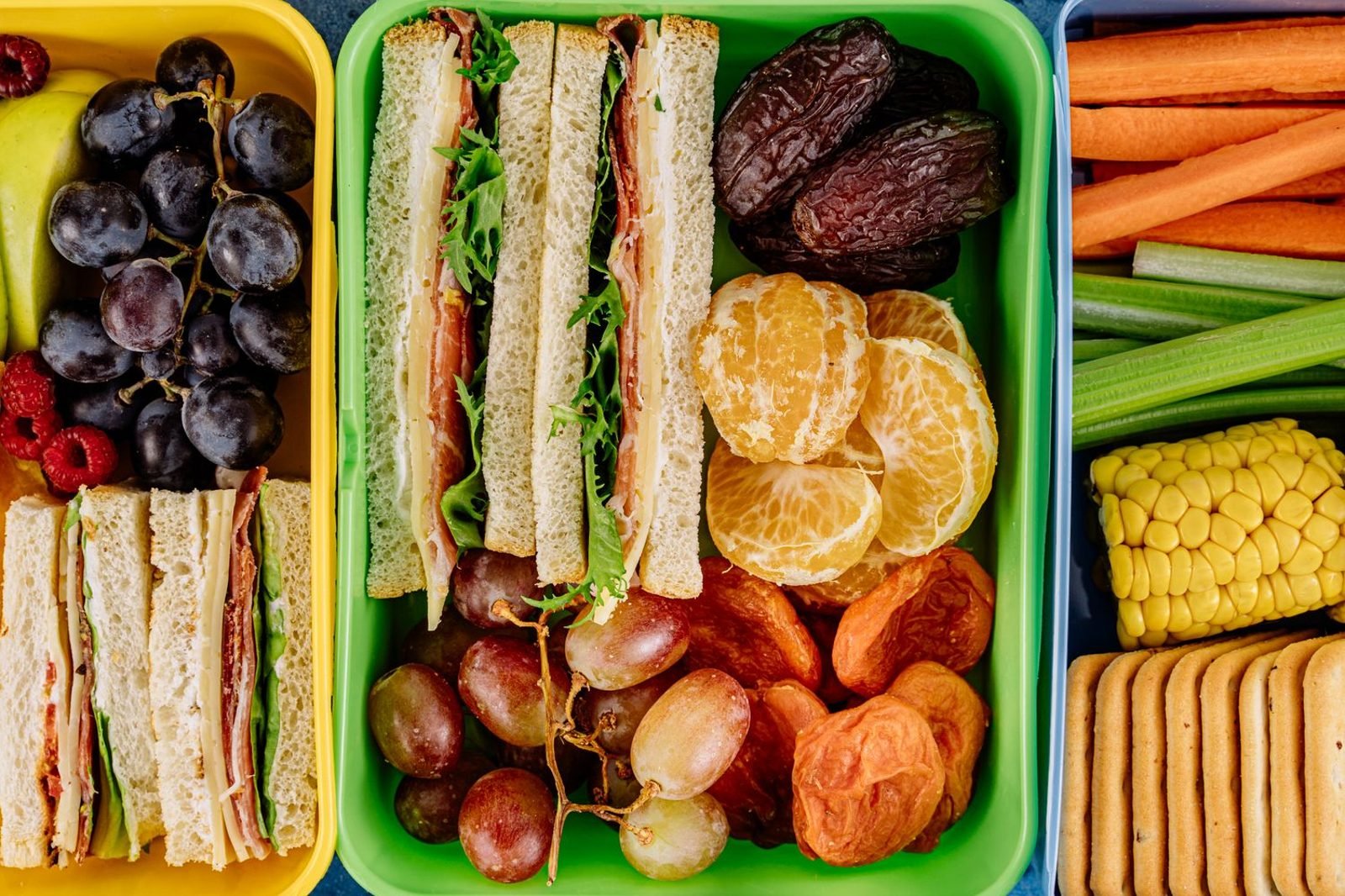
A nutrition chart for kids works best when it’s a rotation, not a rigid script. Below is a 7-day framework built around three meals and two snacks, designed so you can swap items within each category without losing balance.
Breakfast Ideas (Pick One Daily)
- Monday: Vegetable-stuffed paratha with a small bowl of curd
- Tuesday: Poha with peanuts, peas, and a boiled egg on the side
- Wednesday: Idli with sambar (lentil-based, good iron and protein combo)
- Thursday: Vegetable upma with a glass of milk
- Friday: Whole-grain toast with peanut butter and banana slices
- Saturday: Besan chilla with mint chutney
- Sunday: Egg bhurji with multigrain roti
Mid-Morning and Evening Snack Ideas
- Roasted chana or peanuts with jaggery
- Sliced fruit — apple, papaya, or seasonal options like mango or guava
- A handful of soaked almonds and walnuts
- Homemade fruit and curd smoothie
- Whole wheat crackers with hummus or paneer spread
- Makhana roasted lightly in ghee
Lunch and Dinner Ideas
- Dal, rice or roti, a seasonal vegetable sabzi, and a small side of curd
- Rajma or chole with rice and cucumber salad
- Grilled paneer or chicken with sauteed vegetables and roti
- Khichdi with ghee and a vegetable stir-fry
- Fish curry (where included in the diet) with rice and greens
The pattern that matters more than any single recipe: protein at every meal, a vegetable in some form at lunch and dinner, and dairy worked in once or twice daily rather than saved for just one big glass of milk at night. For families exploring how liquid nutrition fits into this, our guide to kids nutrition drinks covers when a fortified drink is useful and when whole food does the job better.
How Should Meals Change by Age Band?
Toddlers (2-4 Years)
Portions are small and frequent — think five to six mini-meals rather than three large ones. Foods should be soft, cut into safe pieces (avoid whole nuts, whole grapes, and hard raw vegetables that pose choking risks), and mildly spiced. A toddler’s stomach is roughly the size of their fist, so a tablespoon of dal, a small piece of roti, and a few vegetable pieces is a complete portion, not a failure to finish. See toddler nutrition for more on feeding this age group specifically.
Early School Age (5-8 Years)
This is when tiffin boxes become a daily challenge and appetite becomes more unpredictable. Portions grow to roughly 1-2 cups of vegetables and fruit and 3-5.5 oz of protein, per USDA figures. Kids this age can handle more texture variety and are old enough to start participating in food choices, which helps with acceptance.
Pre-Teens (9-12 Years)
Calcium needs jump to 1,300 mg daily and portion sizes approach adult ranges, especially for active kids playing sports. This is also the age where processed snack intake tends to rise through school canteens and social eating, so building a strong home routine matters more, not less.
How Do You Pack a School Tiffin Kids Will Actually Eat?
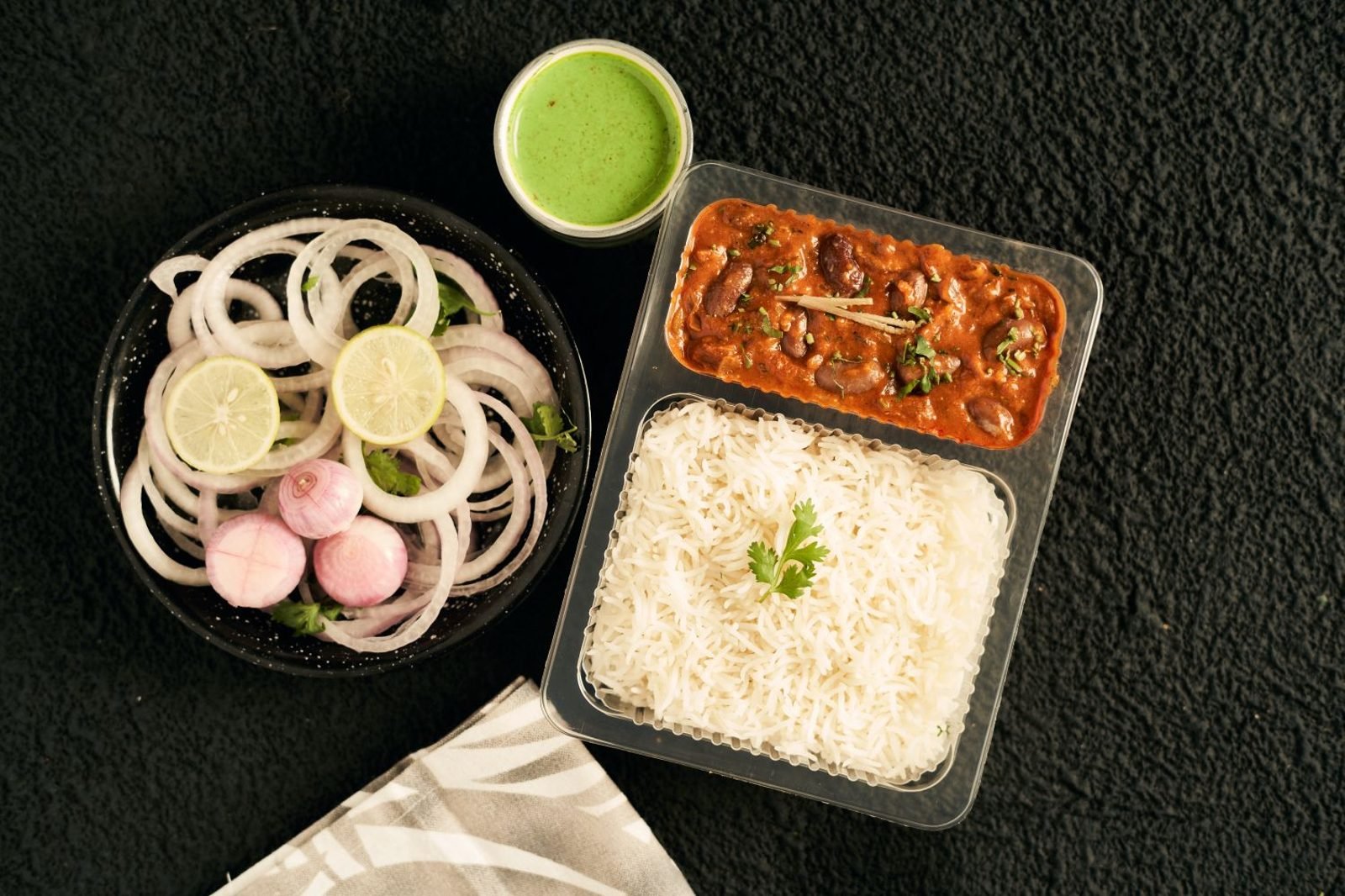
A tiffin that comes home untouched provides zero nutrition regardless of how well-designed it is on paper — palatability has to come first. The most reliable formula is one carbohydrate base, one protein source, and one fresh element (fruit, vegetable sticks, or curd in a separate container).
- Handheld formats work best for younger kids: small rotis rolled around paneer strips, or a dal-stuffed paratha that delivers protein and iron without needing cutlery.
- One-pot dishes travel and reheat well: vegetable upma with peanuts and peas covers grains, protein, and vegetables in a single container.
- Millet-based options add nutrient density: ragi or bajra pancakes spread with nut butter and rolled with banana are well accepted by children age 4 and up, and bring in iron and fiber that rice-based tiffins often miss.
- Keep a fresh element separate: a small box of cut fruit or curd keeps textures from going soggy and adds a food group without extra cooking.
Rotate through three or four go-to tiffin formats rather than reinventing lunch daily — kids find familiar formats reassuring, and you’ll spend less time each morning. If tiffin refusal is a recurring issue independent of the food itself, it’s worth checking with your child’s teacher whether lunchtime is rushed or socially stressful, since that affects intake as much as the menu does.
How Do You Fix Common Nutrition Gaps Like Picky Eating?
Vegetable refusal is the most common gap parents report, and it’s developmentally normal rather than a sign something is wrong. Around age 2, many children go through a phase of “food neophobia,” becoming wary of new foods, partly because vegetables taste more bitter while children are wired to prefer sweetness.
What Actually Works
- Repeated, low-pressure exposure: it can take more than 10 exposures before a child accepts a new food. Keep offering it without commentary or bribery — research shows pressure to eat is linked to more pickiness, not less.
- Change the preparation, not just the food: a child who refuses boiled carrots may accept them roasted (which brings out natural sweetness) or raw with a yogurt dip.
- Food chaining: introduce new vegetables by pairing them with a texture, color, or flavor the child already accepts — for example, adding finely grated carrot to a paratha they already eat.
- Model the behavior: children who regularly see parents and siblings eating vegetables without fuss are more likely to try them eventually, even without direct encouragement.
If a child’s diet feels consistently narrow — accepting fewer than 10-15 foods, or dropping entire food groups for weeks at a time — that’s a reasonable point to loop in a pediatrician or pediatric dietitian rather than troubleshooting alone. Our overview of the importance of childhood nutrition explains why early patterns tend to stick into adolescence.
Common Gap: Not Enough Protein at Breakfast
Many Indian breakfasts lean heavily on refined carbohydrates — plain poha, toast, or cereal — without a protein anchor. Adding an egg, a spoon of peanuts, or a side of curd to whatever breakfast is already accepted is a low-friction fix that doesn’t require overhauling the whole meal. For more on why this matters through the day, read about protein and nutrition.
Frequently Asked Questions
How many meals and snacks should a child eat per day?
Most children do best with three main meals plus two snacks, spaced roughly 2.5-3 hours apart. Toddlers may need smaller, more frequent meals — up to five or six a day — because their stomach capacity is smaller relative to their nutrient needs.
How much milk does a child need daily?
Children 2-6 years need about 2 servings from the dairy group daily, which can be split between milk, curd, and paneer. One glass of milk provides roughly 250-300 mg of calcium, so most children need a combination of dairy sources to meet the 700-1,300 mg daily target depending on age.
Is it normal for kids to refuse vegetables for weeks at a time?
Yes, especially between ages 2 and 6, when food neophobia is common. Continued low-pressure exposure, varied preparation methods, and modeling from parents typically resolve it over time. Persistent, severe food refusal across most food groups is worth discussing with a pediatrician.
What should go in a tiffin box for a 6-year-old?
Aim for one carbohydrate (roti, paratha, or rice-based dish), one protein source (dal, paneer, egg, or legumes), and one fresh element like fruit or curd in a separate compartment. Handheld formats without cutlery tend to get eaten rather than returned.
How do I know if my child is getting enough iron?
Children aged 1-6 need about 7 mg of iron daily, rising with age. Regularly including dals, leafy greens, jaggery, and eggs, paired with a vitamin C source like citrus or amla to boost absorption, generally covers this. A pediatrician can check hemoglobin levels if you’re concerned about deficiency.
Can a nutrition chart really work for a fussy eater?
Yes, but it needs flexibility built in rather than fixed menus. Use the chart as a rotation of accepted foods across food groups, and introduce new items alongside familiar ones rather than replacing them outright.
Every child’s needs shift with age, activity level, and individual eating patterns, so a generic chart is a starting point, not a prescription. If you want a weekly meal and tiffin plan built specifically around your child’s age, appetite, and any nutritional gaps, an online nutritionist consultation can turn this framework into a plan that actually fits your kitchen and your kid.