A 2-year-old needs about 1,000-1,400 calories, 13 grams of protein, 700 mg of calcium, 7 mg of iron, and 15 mcg (600 IU) of vitamin D a day. A 9-year-old’s needs jump to roughly 1,400-2,200 calories, 34 grams of protein, 1,300 mg of calcium, 8 mg of iron, and 15 mcg of vitamin D. These figures come from the U.S. National Institutes of Health’s Dietary Reference Intakes and the ICMR-National Institute of Nutrition (NIN) 2020 guidelines for India, and they shift more sharply between ages 1 and 13 than most parents expect.
If you’re checking a food label or a pediatrician’s note to see whether your child is getting “enough,” this article answers that directly with a reference table broken into the three age bands parents need most — 1-3, 4-8, and 9-13 years — followed by short explainers on what each nutrient does. For the bigger-picture feeding philosophy, see our guide on child nutrition fundamentals, and for weekly meal plans built around these numbers, check nutrition for kids.
What are the RDA numbers for calories, protein, calcium, iron, and vitamin D by age?
The table below combines U.S. Dietary Reference Intakes (NIH Office of Dietary Supplements) with ICMR-NIN 2020 figures for Indian children, since the two frameworks are both widely used and differ slightly, mainly in calcium and calories. Use whichever set matches the guidance your pediatrician or dietitian follows.
| Nutrient | 1-3 years | 4-8 years | 9-13 years |
|---|---|---|---|
| Calories (kcal/day) | 1,000-1,400 | 1,200-1,800 | 1,400-2,200 |
| Protein (g/day) | 13 g | 19 g | 34 g |
| Calcium (mg/day, US DRI) | 700 mg | 1,000 mg | 1,300 mg |
| Calcium (mg/day, ICMR-NIN 2020) | 500 mg | 550 mg (4-6y) | 650 mg (7-9y) |
| Iron (mg/day) | 7 mg | 10 mg | 8 mg |
| Vitamin D (mcg/IU per day) | 15 mcg (600 IU) | 15 mcg (600 IU) | 15 mcg (600 IU) |
A few things stand out. Protein requirements roughly double between the toddler years and early adolescence. Calcium climbs steadily because bone mineral is laid down fastest during middle childhood. Iron dips slightly at 9-13 compared to the 4-8 band, rising again once menstruation begins — why teen girls’ needs look so different. Calorie ranges are wide because they depend heavily on activity level, sex, and growth pace.
Why does protein intake need to roughly double by age 9?
Protein RDA rises from 13 g/day at 1-3 years to 19 g/day at 4-8 years to 34 g/day at 9-13 years because muscle, organ tissue, and enzyme systems scale up with body size, and the pre-adolescent growth spurt adds extra demand. One cup of milk provides about 8 g of protein, one egg about 6 g, and a small bowl of dal around 7-9 g, so most children hit these numbers through ordinary meals without supplements.
The RDA is a floor, not a target to chase obsessively — most children eating a varied diet with dairy, legumes, eggs, or meat clear it without special planning. Deficiency is genuinely rare in children who eat regular meals; the more common issue is skewed distribution, where a child eats almost all their protein at dinner and little at breakfast. For a deeper look at protein sourcing, see our piece on protein and nutrition.

What if my child is a picky eater and consistently under protein targets?
Track intake over a week rather than a single day — children naturally compensate across meals, and one low-protein day rarely matters. If a week of tracking still shows a gap, add easy wins like paneer, yogurt, or scrambled eggs to breakfast. Persistent, severe pickiness that limits an entire food group is worth flagging to a pediatrician rather than solving with supplements alone.
How much calcium and vitamin D does a growing child actually need?
Calcium need rises from 700 mg/day at 1-3 years to 1,000 mg/day at 4-8 years to 1,300 mg/day at 9-13 years under the U.S. DRI framework, while ICMR-NIN 2020 sets somewhat lower Indian benchmarks of 500 mg, 550 mg, and 650 mg across similar bands. Both agree on the direction: calcium needs increase substantially through middle childhood because roughly 40% of adult peak bone mass is accumulated during adolescence, and deposits laid down now are hard to make up for later.
Vitamin D, by contrast, stays flat at 15 mcg (600 IU) per day across all three bands — it doesn’t scale with body size, since its job is regulating calcium absorption rather than building tissue mass. A cup of fortified milk provides roughly 250-300 mg of calcium and 2.5-3 mcg of vitamin D, so most children need 3-4 servings of dairy or fortified alternatives daily, while vitamin D often depends on sunlight too.
Can a child get enough vitamin D from sunlight alone?
Partially, but it’s inconsistent — skin tone, latitude, season, sunscreen use, and time outdoors all affect how much vitamin D skin actually synthesizes. Many pediatric guidelines treat food and supplement sources as a necessary backup, especially for children with limited outdoor time or in northern climates during winter. Ask your pediatrician whether a supplement makes sense for your child.
Why does iron intake actually dip between ages 4 and 13?
Under the U.S. DRI, iron RDA is 7 mg/day at 1-3 years, rises to 10 mg/day at 4-8 years, then drops to 8 mg/day at 9-13 years — the only nutrient here that doesn’t rise in a straight line. The 4-8 year peak reflects rapid blood volume expansion, while the dip at 9-13 reflects growth plateauing before the adolescent spurt (and before menstruation begins, which pushes girls’ needs sharply higher). Iron-rich foods include lean meat, poultry, fish, lentils, beans, tofu, and fortified cereals; pairing plant-based iron with vitamin C — citrus, tomatoes, bell peppers — meaningfully improves absorption, since non-heme iron is absorbed far less efficiently than heme iron from animal sources.
Iron deficiency remains one of the most common nutrient gaps in early childhood, partly because toddlers transitioning off iron-fortified formula don’t always replace it through diet. Signs of concern — unusual fatigue, pale skin, poor appetite, or slowed growth — warrant a pediatrician visit and possibly a blood test rather than guesswork at home.

How do calorie needs vary so much within the same age band?
The calorie ranges in the table — 1,000-1,400 kcal for toddlers, 1,200-1,800 for 4-8 year olds, and 1,400-2,200 for 9-13 year olds — are wide because they build in variation for sex and activity level. A sedentary 4-year-old and an active one running around a playground daily can easily differ by 300-400 calories despite being the same age and size. This is why calorie counting isn’t the most useful day-to-day tool for parents; growth curves plotted by a pediatrician over months give a far more reliable picture of adequacy.
Rather than counting, most guidance for this age range focuses on structure: three meals plus two snacks at consistent times, a protein and fiber source at each sitting, and trusting a child’s appetite to regulate portions. If growth tracking shows a child consistently falling off their curve, that’s a cue for a pediatrician visit rather than a home-calculated calorie target.
Should I count calories for my child day to day?
Generally no — calorie counting is rarely recommended for children and can create unhealthy relationships with food. Pediatricians typically assess adequacy through growth charts tracked over months, not daily intake tallies. Focus on offering balanced meals at regular intervals and let appetite guide portions; flag persistent under- or overeating patterns to your child’s doctor.
What foods realistically cover these targets in a day?
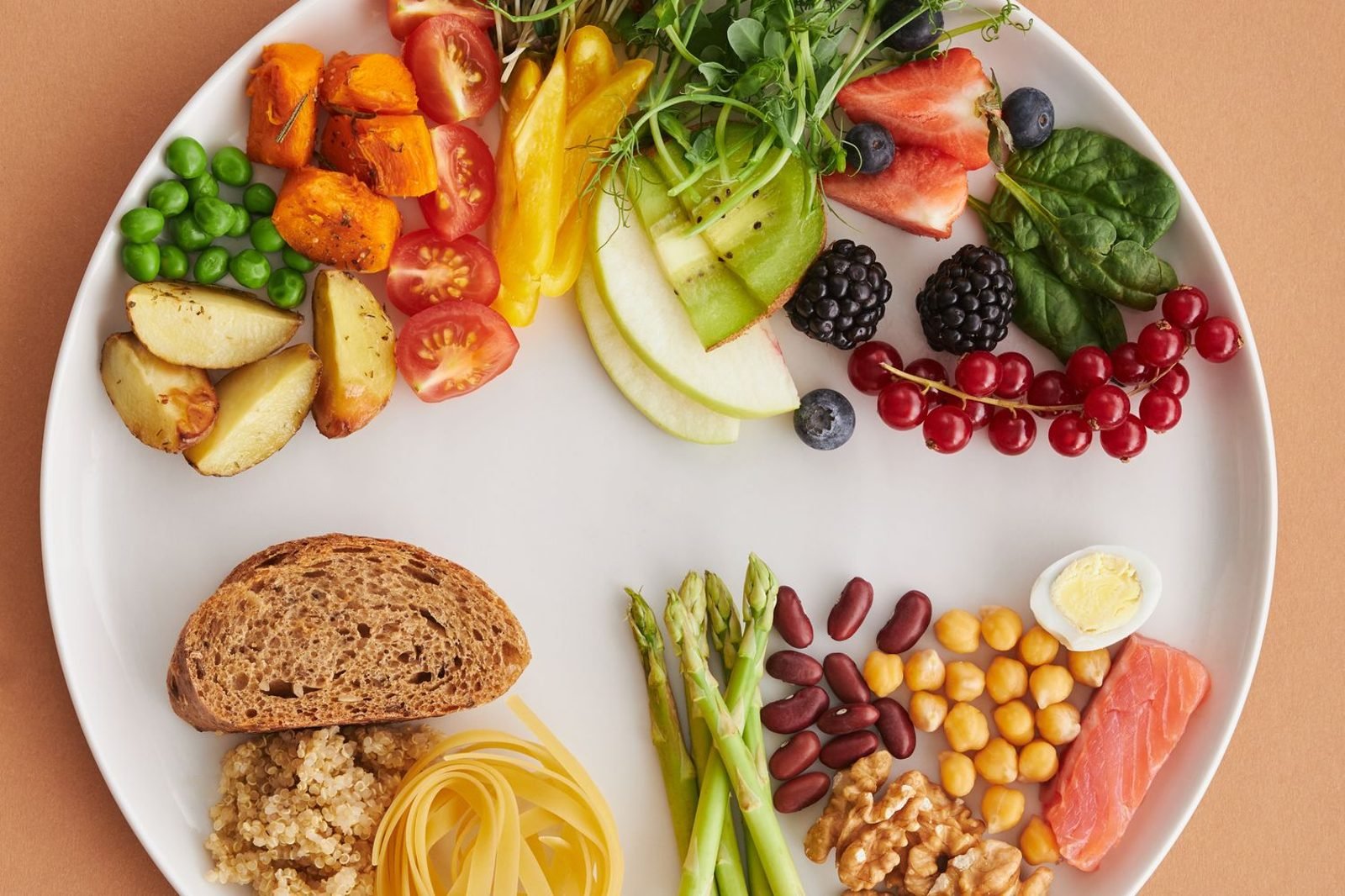
For a 4-8 year old needing roughly 19 g protein, 1,000 mg calcium, 10 mg iron, and 600 IU vitamin D, a realistic day might include:
- Breakfast: Milk or a fortified plant alternative (about 8 g protein, ~300 mg calcium)
- Mid-morning: Eggs or yogurt
- Lunch: Dal-rice-vegetable
- Snack: Fruit and nuts
- Dinner: Paneer, chicken, or fish with leafy greens
Spread this way, targets are usually met without any single “superfood” meal doing all the work.
Fortified dairy and plant-based drinks help close gaps for lactose-intolerant or picky children, particularly for calcium and vitamin D — our breakdown of kids’ nutrition drinks covers what to look for on the label. For weekly menus and tiffin ideas built around these RDA numbers, see our nutrition for kids guide, and for calcium-rich habits beyond dairy, see calcium nutrition.
How should parents use this reference table day to day?
Treat these RDA numbers as a planning guide across a week, not a checklist for every meal. Children’s appetites naturally fluctuate — a light-eating day followed by a hungrier one is normal and balances out. The most useful way to apply this table is to glance at it when planning meals: are we getting dairy or a fortified alternative most days? Is there an iron source at lunch or dinner most days?
These are general population reference values. A child with a diagnosed condition, allergy, restrictive diet, or documented growth concern may need individually adjusted targets that only a pediatrician or registered dietitian can set. Always loop in your child’s pediatrician before making significant dietary changes or starting any supplement, especially iron or vitamin D, both of which can cause harm in excess.
Frequently asked questions
Is it normal for my child’s calorie intake to vary a lot day to day?
Yes, this is completely normal. Children’s appetites naturally fluctuate based on growth spurts, activity level, and mood. Rather than worrying about daily totals, look at intake trends across a full week and rely on your pediatrician’s growth chart tracking as the real indicator of adequacy.
Do breastfed or formula-fed toddlers need different RDA targets?
These figures apply to children over age 1 eating a mixed diet of solid foods. Children still breastfeeding or on formula past age 1 typically get a portion of their nutrients from milk, so total dietary targets should be discussed with a pediatrician who knows the child’s specific feeding pattern.
Can too much vitamin D or iron be harmful to a child?
Yes. Both have upper limits that shouldn’t be exceeded without medical supervision — vitamin D upper limits range from 2,500 to 4,000 IU/day depending on age, well above the 600 IU RDA. Iron supplements are a leading cause of pediatric poisoning when taken in excess. Never supplement either without a pediatrician’s guidance.
My child refuses dairy — how else can they meet calcium needs?
Several non-dairy sources contribute meaningfully to calcium intake:
- Calcium-fortified plant milks
- Tofu set with calcium sulfate
- Sesame seeds (til)
- Ragi (finger millet)
- Almonds
- Leafy greens like moringa or kale
Combining a few of these across the week, alongside a vitamin D source for absorption, can substitute reasonably well for dairy under a pediatrician’s guidance.
Are ICMR-NIN and US DRI numbers both “correct” — which should I follow?
Both are scientifically developed reference standards, just calibrated to different population data. If you follow an Indian pediatrician’s guidance, ICMR-NIN 2020 figures are typically more relevant; under Western pediatric guidance, DRI figures apply. The directional pattern — rising protein and calcium needs, flat vitamin D, dipping iron at 9-13 — holds across both.
These reference numbers are a useful starting point, but every child’s needs shift with growth pace, activity, and health history. For a personalized plan, consider booking an online nutritionist consultation with a registered dietitian.