The fastest way to gain weight without gaining it as sluggishness or empty fat is to build every meal around foods that are both calorie-dense and nutrient-dense — healthy fats like nuts, seeds, avocado, and ghee; complex carbs like whole grains, potatoes, and bananas; and quality protein like dal, paneer, eggs, and chicken. These foods pack more calories per bite than “diet” foods do, but they also deliver the protein, fiber, vitamins, and minerals your body needs to build muscle and tissue instead of just inflating on empty calories.
Most people trying to gain weight reach for whatever is high in calories — fried snacks, sugary drinks, packaged sweets. The scale moves, but you also feel tired and no stronger than before. The smarter approach is picking foods by category, the same way you’d plan a weight-loss diet, just flipped toward a calorie surplus. Below is a category-by-category list you can build meals around, with the reasoning behind each one.
What makes a food good for healthy weight gain?
A food earns a spot on a weight-gain plate when it clears two bars at once: it’s calorie-dense (a lot of energy in a small volume) and nutrient-dense (rich in protein, healthy fats, vitamins, or minerals, not just sugar). Fat is the most calorie-efficient macronutrient — it supplies about 9 calories per gram versus roughly 4 calories per gram for carbohydrates and protein, per Harvard Health’s guidance on building meals from nutrient-dense foods. That’s why fat sources like nuts, seeds, and avocado show up so often on weight-gain lists: a small serving carries a lot of energy without forcing huge, uncomfortable meal volumes.
But calories alone aren’t the goal. Gaining weight the right way means adding lean mass and energy, not just fat around the middle. Every category below brings something extra: protein for muscle repair, fiber and micronutrients for digestion and immunity, or complex carbs that release energy steadily instead of spiking blood sugar. For a broader look at structuring this into a full eating pattern, see our guide on nutrition for weight gain.
Which healthy fats help you gain weight fastest?
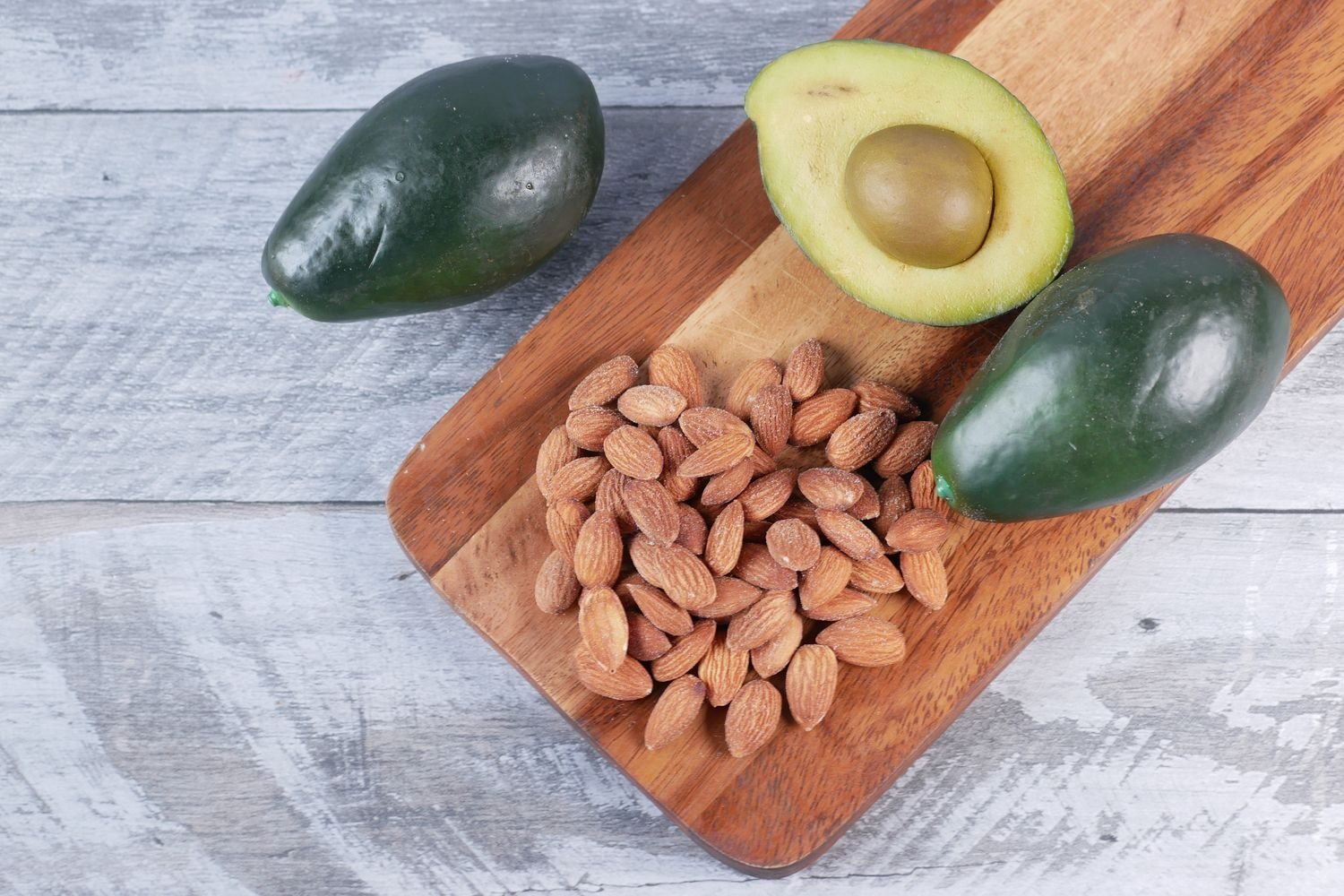
Healthy fats are the single most efficient calorie source on this list, and a handful a day can add hundreds of calories without forcing you to overeat.
- Nuts (almonds, walnuts, cashews): A quarter cup of almonds provides roughly 170 calories, 6 grams of protein, 4 grams of fiber, and 15 grams of mostly unsaturated fat. Walnuts add plant-based omega-3 fats and vitamin E. Eat them plain, soaked overnight, or blended into smoothies.
- Seeds (chia, flax, pumpkin, sunflower): Two tablespoons can add 90-100 calories along with magnesium, zinc, and healthy fat. Stir them into porridge, curd, or dal.
- Avocado: A large avocado carries around 322 calories, 29 grams of fat, and 14 grams of fiber, along with potassium and folate. Mash it onto toast or blend it into a shake.
- Ghee and cold-pressed oils: A staple in Indian kitchens, a spoonful of ghee stirred into dal, rice, or roti adds roughly 120 calories and supports fat-soluble vitamin absorption (A, D, E, K) — one of the easiest ways to boost calories without changing the dish itself.
These fats don’t just sit as stored energy — they support hormone production, help your body absorb vitamins, and in the case of nuts and seeds, bring fiber and protein along for the ride. If you’re building a structured meal plan around this, our nutrition diet for weight gain breaks down how to space these fats across a full day.
Which complex carbs should you eat to bulk up?
Carbohydrates are your body’s preferred fuel, and complex carbs in particular give you sustained energy for workouts and daily activity instead of a quick sugar spike and crash.
- Whole grains (brown rice, oats, quinoa, whole wheat roti): Dense in calories and fiber, and pair naturally with protein and fat. A bowl of oats cooked in milk with nuts and banana can cross 400-450 calories in one sitting.
- Potatoes and sweet potatoes: Rice, potato, and corn are classic calorie-dense carb sources — a medium potato with the skin on delivers close to 160-170 calories along with potassium and fiber. Roast, mash with ghee, or add to curries.
- Bananas: One of the easiest grab-and-go weight-gain foods. A medium banana has around 105 calories plus potassium and quick-digesting carbs — useful before or after a workout, or blended into a shake.
- Dried fruits (raisins, dates, figs): Concentrated in natural sugars and calories; a small handful can add 100+ calories along with iron and fiber. Mix into oats or eat alongside nuts.
These carbs matter especially if you’re active, since depleted glycogen stores are one reason people struggle to gain weight even while eating “enough.” Pairing carbs with protein at each meal also improves how well your body uses that protein for muscle repair.
Which protein foods actually build muscle, not just fat?
This is the category people skimp on most, and it’s the one that decides whether your weight gain shows up as strength or as soft, unused fat.
- Dal and legumes (moong, chana, rajma, toor dal): A cooked cup of dal offers roughly 12-15 grams of plant protein along with fiber, iron, and folate. Cooking it with a spoon of ghee turns a light dish into a genuine calorie contributor.
- Paneer and full-fat dairy: Paneer, whole milk, and yogurt are rich in protein, calcium, and healthy fats together. A cup of whole milk brings protein, carbs, fat, and calcium in one glass, which is why it’s such a reliable weight-gain staple in Indian households.
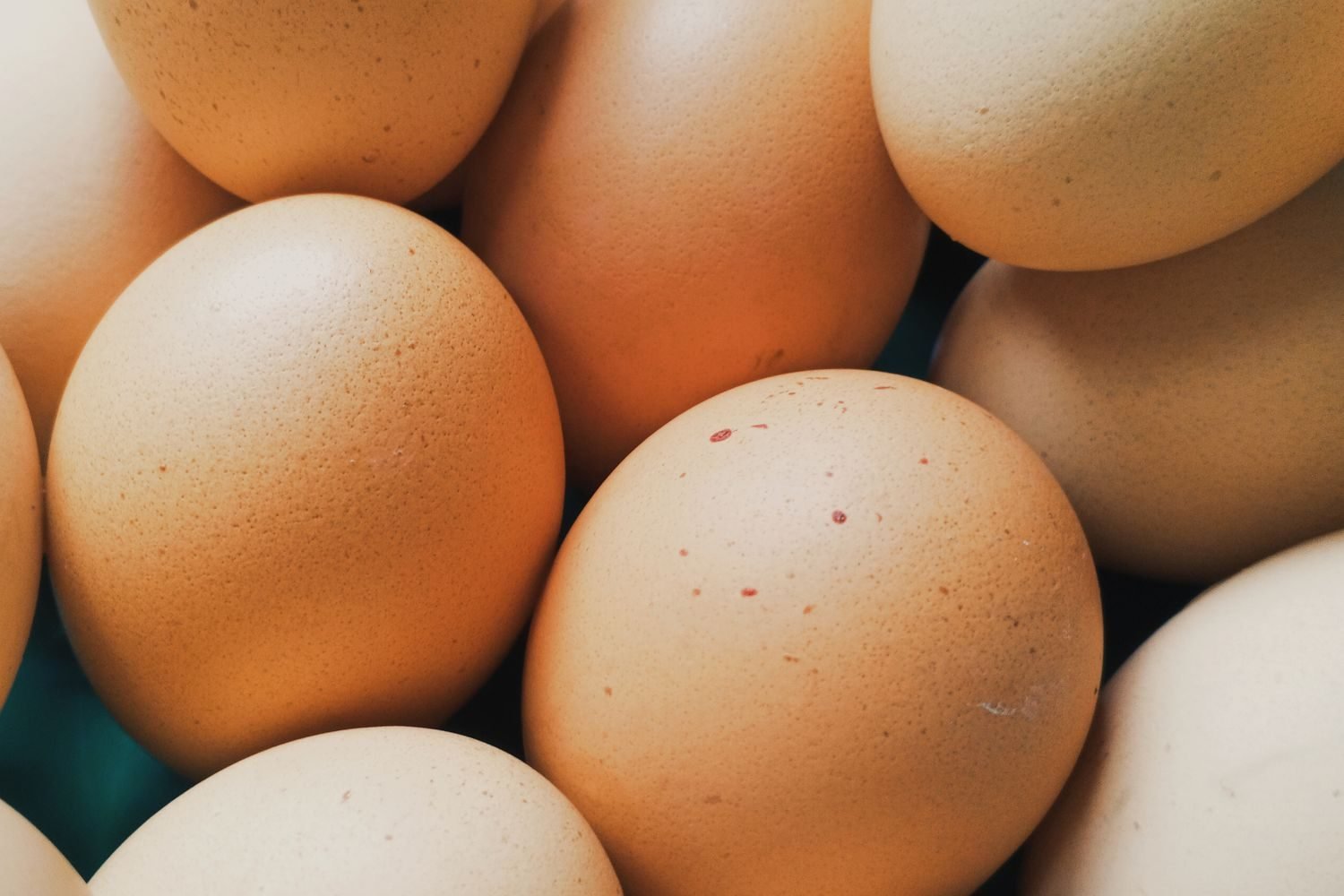
- Eggs: Eggs supply high-quality protein, healthy fats, vitamin D, and a bit of nearly every micronutrient the body needs, making them one of the most efficient muscle-building foods available. Two whole eggs cooked in ghee can add close to 200 calories with roughly 13 grams of protein.
- Chicken and lean meats: A skinless chicken breast provides lean, high-quality protein with minimal added fat, useful when you want to raise protein intake without pushing calories too high too fast.
Aim to include a protein source at every meal, not just one big serving at dinner. Spreading intake across the day helps your body use it for repair and growth rather than storing the surplus as fat. Our piece on protein and nutrition covers how much you realistically need per day based on body weight and activity level.
How do smoothies and shakes fit into a weight-gain diet?
Smoothies and shakes are useful because they let you combine several calorie-dense categories into one drink that’s easier to consume than a full plate of food — especially helpful if you have a small appetite or struggle to eat large meals.
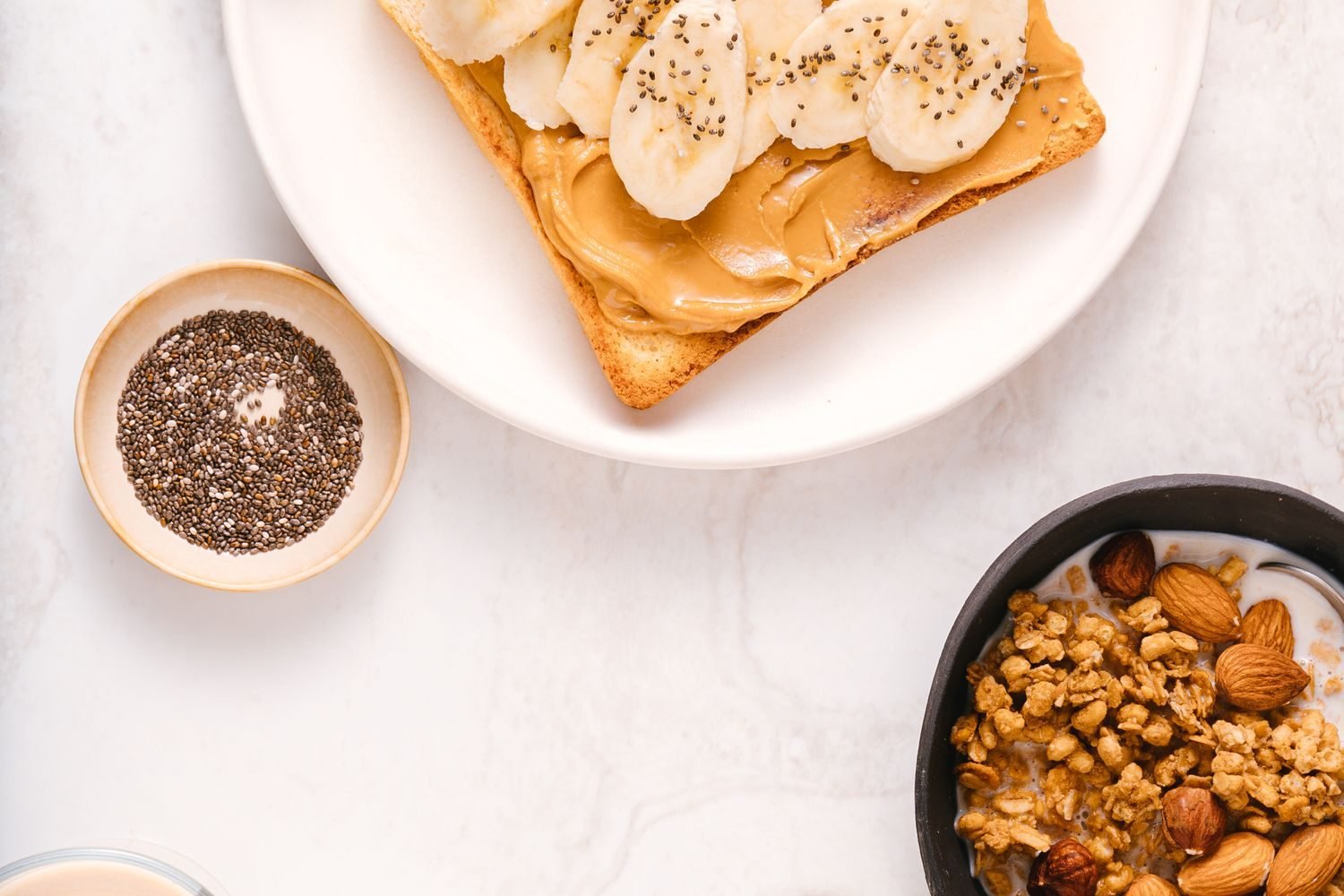
- Whole-food base: Use whole milk, curd, or soaked nuts blended smooth rather than reaching for a protein powder tub. A banana-peanut-milk shake, for instance, combines fast carbs, healthy fat, and protein in one glass and can run 400-500 calories depending on portions.
- Add a fat source: A spoon of peanut butter, almond butter, or a few soaked cashews blended in adds both calories and creaminess without needing extra sugar.
- Add a carb source: Banana, dates, or soaked oats thicken the shake and add sustained energy.
- Keep it whole-food first: The goal is a drink built from real ingredients — milk, fruit, nuts, seeds — rather than relying on processed powders as the main calorie source. Whole foods bring fiber and micronutrients that powders typically strip out.
A smoothie is a good way to eat “extra” between main meals, especially mid-morning or after a workout, without feeling too full to eat your next regular meal.
How much should you actually be eating from each category?
There’s no single number that fits everyone — it depends on current weight, activity level, and how much of a surplus you need. A practical framework across a day: two to three servings of healthy fats (a handful of nuts, a spoon of ghee, a slice of avocado), three to four servings of complex carbs spread across meals, and a protein source at every meal including snacks. Add one smoothie or shake if your appetite is small or you’re training hard.
The mistake to avoid is loading up on just one category — lots of rice and roti but skipping protein leads to weight gain that’s mostly fat and water rather than muscle. Rotate through fats, carbs, and protein at every meal so your body has what it needs to use the extra calories constructively. If you’ve been eating “a lot” without seeing the scale move, check whether you’re genuinely in a surplus or just eating more volume of low-calorie foods — the same energy-density concept explained from the opposite angle in our nutrition food for weight loss article.
Can herbs and traditional remedies support weight gain?
Certain herbs used in traditional Indian nutrition — like ashwagandha, shatavari, and licorice — are often paired with a calorie-dense diet to support appetite and digestion, though they work as a complement to real food, not a replacement for it. Our guide on herbal nutrition for weight gain covers which herbs have traditional backing and how to use them sensibly.
Frequently Asked Questions
What is the single best food to eat for weight gain?
There isn’t one single best food — the fastest results come from combining categories. A banana-peanut-milk shake or a plate of dal, rice, ghee, and paneer covers healthy fat, complex carbs, and protein together, which is more effective than relying on any one food alone.
How many extra calories do I need to gain weight healthily?
A common, sustainable target is adding roughly 300-500 calories above your maintenance level per day, which typically supports gradual weight gain of about 0.5-1 pound per week without excessive fat gain. Individual needs vary with activity level and metabolism.
Is ghee good for weight gain, or is it just unhealthy fat?
Ghee is calorie-dense and, in moderate amounts, supports the absorption of fat-soluble vitamins A, D, E, and K. A spoonful added to dal or rice is a traditional, effective way to raise calorie intake without changing your meal structure or overloading on sugar.
Can I gain weight with a vegetarian diet?
Yes. Dal, paneer, whole milk, nuts, seeds, and ghee together provide enough protein, fat, and calories to support healthy weight gain without meat. The key is consistency — including a protein and fat source at every meal rather than relying only on carbs.
Should I use protein powder instead of whole foods?
Whole foods are generally the better starting point because they bring fiber, vitamins, and minerals that powders don’t. A shake made from milk, banana, nuts, and dates can match or beat a powder-based shake in calories while giving you more nutritional value overall.
How long does it take to see results from these foods?
Most people notice a change on the scale within 3-4 weeks of consistently eating in a calorie surplus with adequate protein, though visible strength and muscle gains usually take longer, especially if paired with resistance training.
Getting the combination right — how much fat, carbs, and protein, and when to eat them — is easier with a plan built around your body and routine. If you want that structure without the guesswork, an online nutritionist consultation can help you turn this food list into a plan that actually fits your day.