The best nutrition foods for weight loss aren’t the ones lowest in calories overall — they’re the ones lowest in calories per bite while still filling you up. Think a bowl of vegetable soup versus a handful of crackers with the same calorie count: the soup takes up more space in your stomach, contains more water, and keeps hunger away far longer. That’s not a coincidence. It’s a documented phenomenon called energy density, and understanding it is the single most useful thing you can do to make weight loss feel less like restriction and more like eating smart.
This list isn’t another generic “eat more vegetables” roundup. It’s organized by food category — proteins, vegetables, whole grains, and fruits — with the specific reasoning behind why each one earns its spot, rooted in the science of satiety: fiber, water content, and protein density. If you want the underlying principles of how a weight-loss diet should be structured first, our guide on nutrition for weight loss covers that foundation.
What makes a food actually filling per calorie?
Three properties determine how much a food satisfies you relative to its calorie count: water content, fiber content, and protein content. Foods high in all three tend to fill your stomach, slow digestion, and trigger fullness signals to your brain — all while contributing fewer calories per gram than processed, dry, or fat-dense foods.
This is the core idea behind what nutrition researchers call “volumetrics,” a framework developed through decades of satiety research at Penn State University. The principle is straightforward: foods with low energy density (fewer calories per gram, largely because of high water and fiber content) let you eat a satisfying volume of food while consuming fewer total calories. A large plate of stir-fried vegetables and lean protein can weigh far more and take up more physical space in your stomach than a small portion of fried food — yet contain a fraction of the calories.
Water is the biggest lever here. Foods like cucumber, watermelon, and broth-based soups are made up mostly of water, which adds volume and weight without adding calories. Fiber works differently: it isn’t fully digested, so it adds bulk, slows gastric emptying, and feeds gut bacteria that produce short-chain fatty acids linked to appetite regulation. Protein has the highest satiating effect per calorie of any macronutrient, partly because digesting it requires more energy (the “thermic effect”) and partly because it influences hunger hormones like ghrelin and PYY. Combine all three in one food or one meal, and you get maximum fullness for minimum calories — the exact opposite of energy-dense, low-fiber convenience foods that make it easy to overeat without feeling satisfied. For a deeper look at how these two ideas differ, see our piece on nutrition and fat loss.
Which high-protein foods should anchor a weight-loss plate?
Protein belongs on every plate during weight loss because it protects lean muscle while you’re in a calorie deficit and keeps you fuller for longer than fat or carbohydrate alone. The following options deliver protein without the calorie density of fattier cuts or fried preparations.
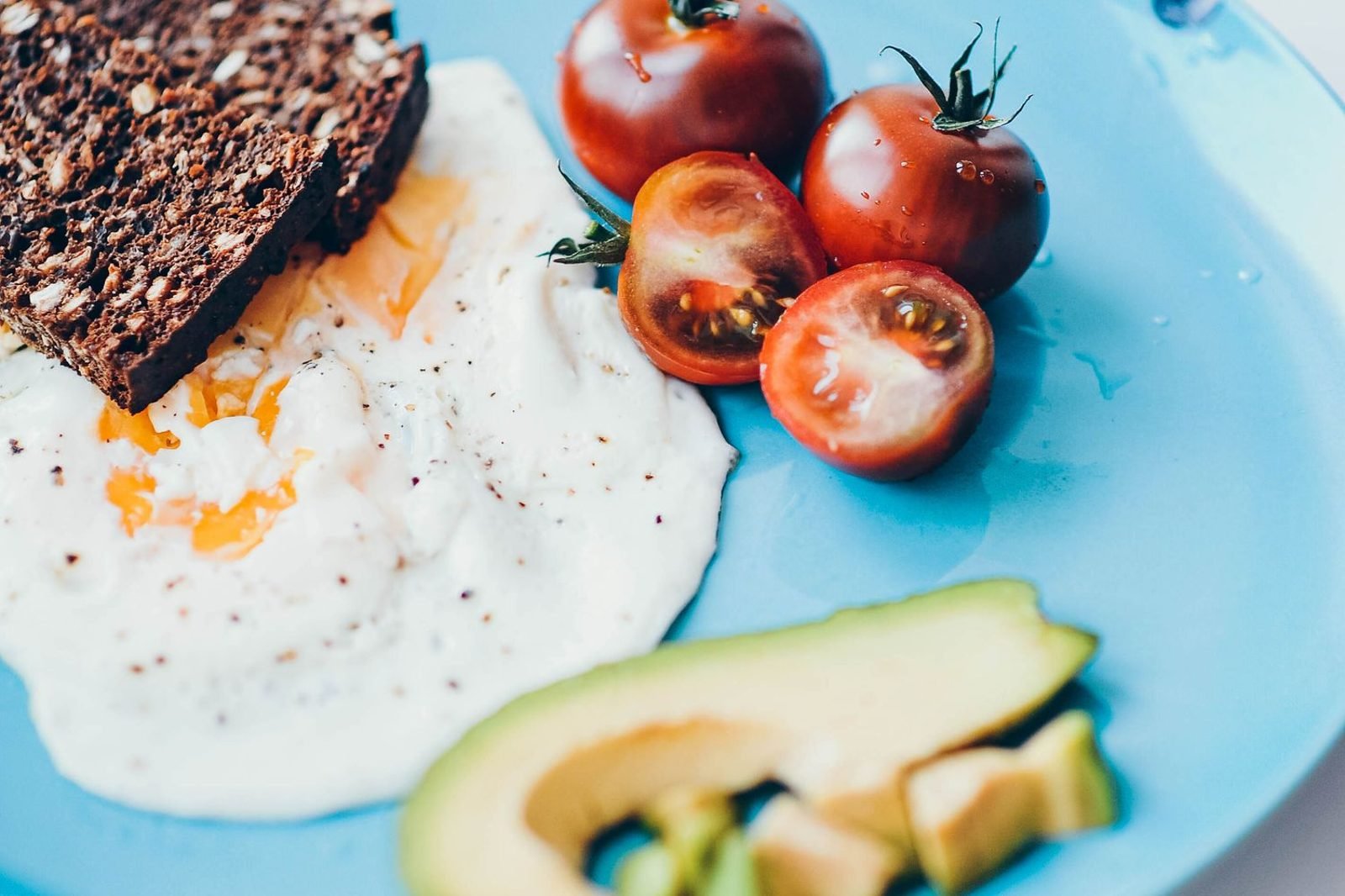
- Egg whites and whole eggs: Around 6 grams of protein per large egg with minimal calories in the white. Eggs are also one of the most satiating breakfast foods studied, often keeping people fuller through the late morning compared with a carbohydrate-only breakfast of the same calorie count.
- Skinless chicken breast: A lean, dense protein source with very little fat, making it efficient for building a filling meal without a high calorie load.
- White fish (cod, tilapia, sole): Extremely low in fat and calories relative to their protein content, while still delivering the fullness benefit of a high-protein meal.
- Greek yogurt (plain, low-fat): Roughly double the protein of regular yogurt in the same serving, plus a thick texture that’s been shown to increase perceived fullness.
- Legumes (lentils, chickpeas, black beans): A rare food that combines meaningful protein with high fiber in one package, which is part of why legume-based meals consistently score well in satiety research.
- Cottage cheese: High in casein protein, which digests slowly and can extend the feeling of fullness between meals.
- Tofu and tempeh: Plant-based proteins that absorb flavor easily, making it simpler to build satisfying, lower-calorie meals without relying on animal fat.
For a closer look at how much protein you actually need and how to spread it across the day, our article on protein and nutrition breaks down the details.
Why do high-volume vegetables matter more than “low-calorie” ones?
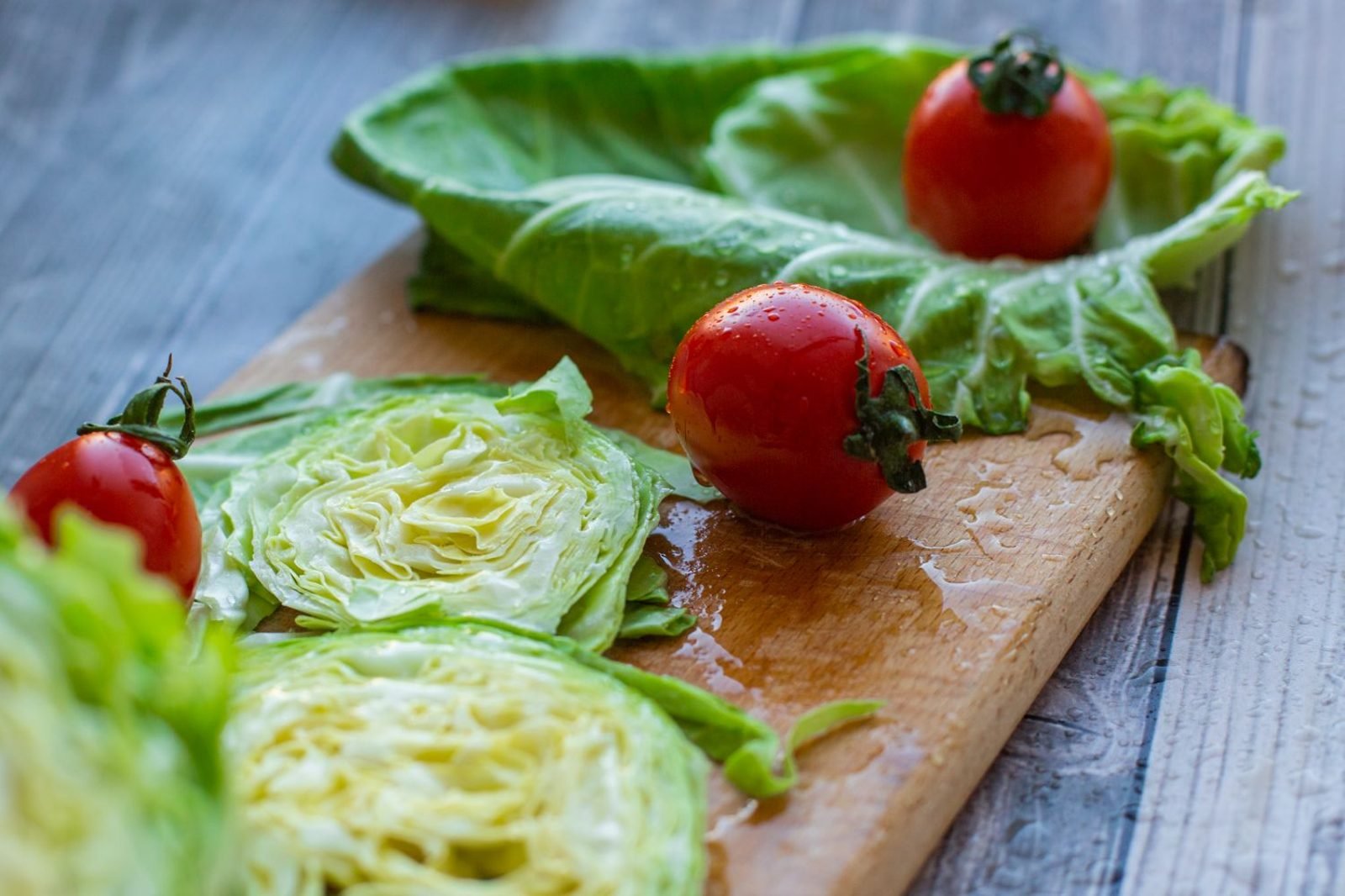
Almost all non-starchy vegetables are low in calories, but the ones that matter most for weight loss are the ones with the highest water and fiber content relative to their bulk — because they let you eat a genuinely large portion without a large calorie cost.
- Cucumber and zucchini: Around 95% water by weight, meaning you can eat a large volume for a very small number of calories, which is ideal for bulking up salads or stir-fries.
- Leafy greens (spinach, kale, romaine): Very low calorie density combined with fiber and micronutrients, and easy to add in large volume to almost any meal without meaningfully raising the calorie count.
- Broccoli and cauliflower: Higher in fiber than most vegetables, which adds chewing time and digestive bulk — both linked to greater fullness per calorie.
- Bell peppers: High water content with a naturally sweet flavor, useful for adding volume to dishes without needing added fats or sauces.
- Tomatoes: Roughly 94% water, and a good source of fiber for their size, making them one of the most efficient volume-for-calorie foods available.
- Carrots and celery: Both deliver satisfying crunch and chewing time, which slows down eating speed — a factor that’s been linked to lower overall calorie intake at meals.
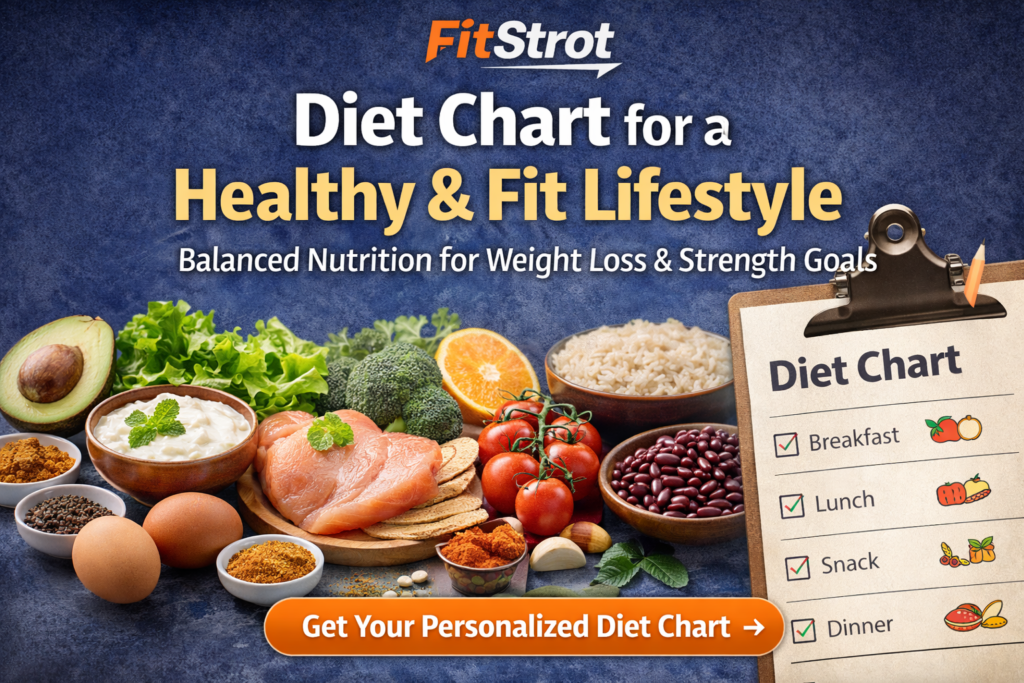
The practical takeaway: filling half your plate with these vegetables before adding protein and grains is one of the simplest ways to apply volumetrics without tracking a single number. Our nutrition diet chart for weight loss shows exactly how to structure that kind of plate across a full day.
Which whole grains keep you fuller than refined carbs?
Whole grains keep their bran and germ intact, which is where most of the fiber lives. That fiber is what separates a filling carbohydrate from one that spikes blood sugar and leaves you hungry again within the hour.
- Oats: Contain beta-glucan, a soluble fiber that forms a gel-like substance in the gut, slowing digestion and extending fullness longer than most other breakfast carbohydrates.
- Quinoa: One of the few grains that also supplies a meaningful amount of complete protein, giving it a satiety edge over rice or plain pasta.
- Brown rice: Digests more slowly than white rice because the bran layer remains, which moderates the blood sugar rise that can trigger early hunger.
- Barley: Especially high in fiber among whole grains, and studies on barley-based meals have shown it can reduce hunger ratings compared with refined-wheat meals.
- 100% whole wheat or whole grain bread: Choosing this over refined white bread adds fiber that slows digestion, though portion size still matters since bread is more calorie-dense than vegetables.
Swapping refined grains for whole ones doesn’t just add fiber — it also generally lowers the glycemic load of a meal, which matters because sharp blood sugar spikes followed by crashes are a common trigger for snacking soon after eating. If you’re also managing a calorie deficit, keeping key micronutrients in check while you cut refined carbs is worth reading about in our guide to nutritional balance for weight loss.
Which fruits offer the best fullness-to-calorie ratio?
Fruit gets an undeserved reputation as “too sugary” for weight loss, but whole fruit behaves very differently from fruit juice or dried fruit because the natural fiber and water are still intact, which slows sugar absorption and adds real bulk.
- Watermelon: About 92% water, making it one of the most literally “filling per calorie” foods that exists — a large slice contains very few calories relative to its size.
- Berries (strawberries, raspberries, blueberries): Among the highest-fiber fruits by volume, with raspberries in particular carrying a substantial fiber load relative to their sugar content.
- Apples and pears: The skin holds much of the fiber, so eating them whole (rather than peeled or juiced) preserves the chewing time and digestive bulk that make them satisfying.
- Oranges and grapefruit: High water content plus fiber in the pulp, and eating the whole segment (instead of drinking the juice) means you get the fullness benefit that juice strips away.
- Melon and pineapple: Both high in water, useful for a naturally sweet, low-calorie-density snack or dessert substitute.
The key distinction is whole fruit versus fruit products. A glass of orange juice can contain the sugar of three or four oranges with almost none of the fiber that would normally slow that sugar down — which is exactly the opposite of the volumetrics principle this entire list is built on.
How do you put these foods together into an actual meal?
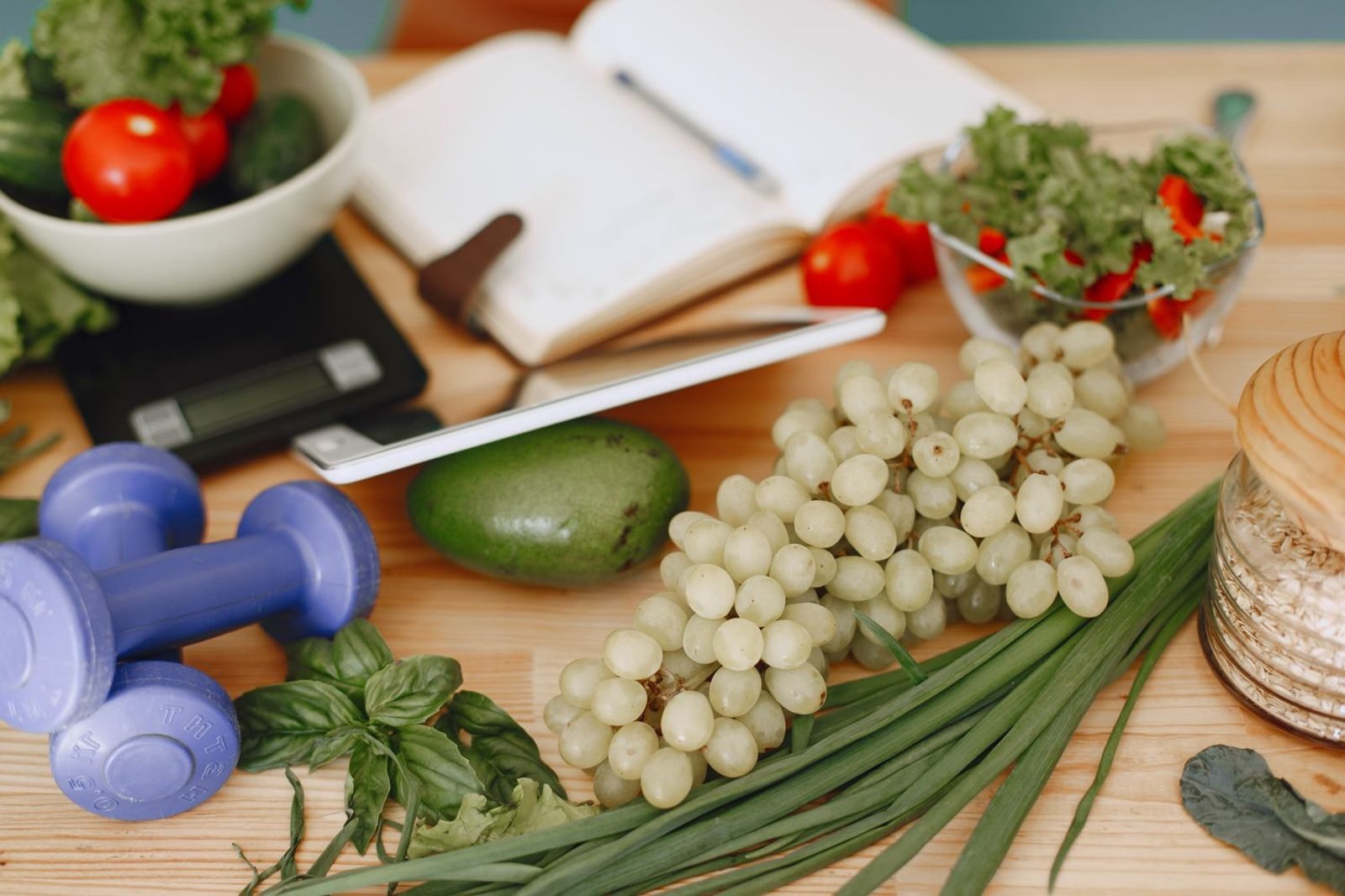
A simple, repeatable formula works better than trying to memorize a long food list: fill half your plate with high-water vegetables, a quarter with a lean protein source, and a quarter with a whole grain or legume, then finish with a small amount of healthy fat like olive oil, nuts, or avocado for flavor and additional satiety. This structure naturally applies volumetrics without requiring you to calculate energy density for every ingredient.
A few practical habits make this easier to sustain. Start meals with a broth-based soup or a large salad, since research on meal sequencing has shown that eating a low-calorie-density starter before the main course tends to reduce total calories consumed at that meal. Batch-cook high-fiber grains like barley or brown rice at the start of the week so a filling base is always ready. And when snacking, reach for whole fruit or raw vegetables with a protein pairing, like apple slices with a spoon of Greek yogurt, rather than dry, processed snacks that pack a lot of calories into a small volume.
None of this requires eliminating entire food groups or eating bland meals. It simply means prioritizing the foods that give you the most physical fullness for the calories they contain, so the calorie deficit needed for weight loss feels manageable rather than like a constant fight against hunger.
Frequently Asked Questions
Are low-calorie-density foods enough on their own for weight loss?
They help significantly, but weight loss still depends on overall calorie balance. Low-calorie-density foods make it easier to feel full while eating fewer calories, which supports adherence to a deficit — but portion sizes, activity levels, and total daily intake still matter for actual results over time.
Can I eat as much of these foods as I want?
Non-starchy, high-water vegetables can generally be eaten in large volume with minimal calorie impact. However, foods like whole grains, legumes, nuts, and even lean proteins still contain meaningful calories, so portion awareness matters even when a food is considered “filling.”
Is fruit sugar a problem for weight loss?
Whole fruit’s natural fiber slows sugar absorption, which is different from added sugar or fruit juice. Most people can include 2-3 servings of whole fruit daily as part of a weight-loss plan without it undermining progress, as long as overall calorie intake stays in a deficit.
Do I need to eat protein at every meal?
Spreading protein across meals, rather than concentrating it at dinner, tends to support fullness more consistently throughout the day and helps preserve muscle mass during a calorie deficit. Aiming for a palm-sized portion of protein at each main meal is a practical, non-restrictive target.
What’s the difference between this food list and a diet plan?
This list explains which foods to prioritize and why, based on satiety science. A structured meal-by-meal plan with portions and timing is a separate step — our nutrition diet chart for weight loss is built for that purpose.
Choosing the right foods is a powerful starting point, but the right combination and portions for your body, activity level, and goals can vary significantly. If you’d like a plan built around your specific needs, an online nutritionist consultation can help you turn this food list into a sustainable, personalized routine.