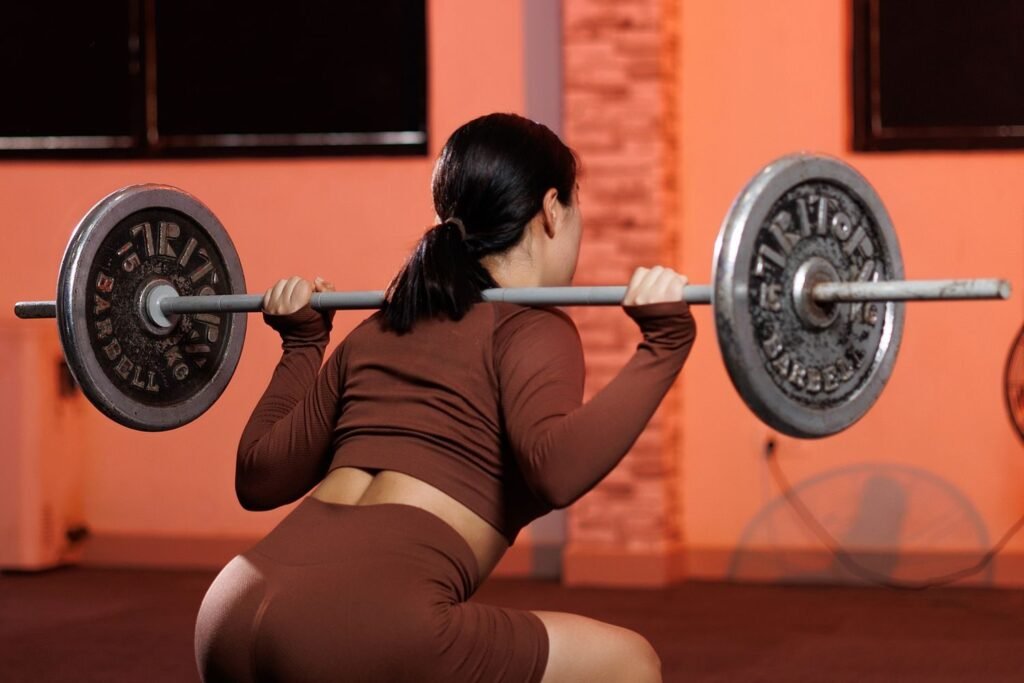
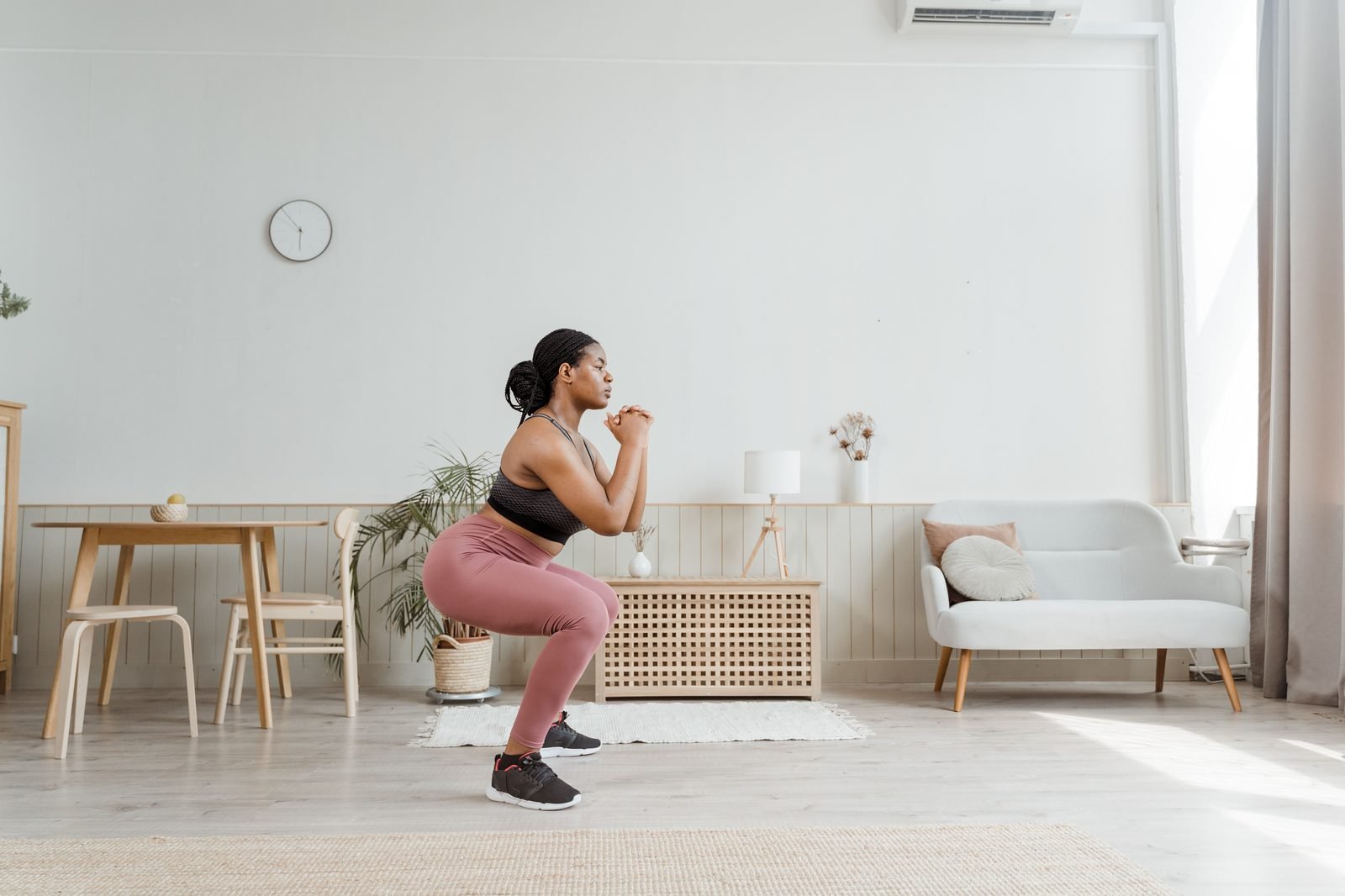
Start with bodyweight moves you can already do with correct form: squats, push-ups (on knees if needed), glute bridges, and a plank hold. If you’re a true beginner, your first two weeks should focus on learning these five or six patterns before you add load, speed, or fancy equipment. We coach people through this stage constantly, and the ones who stick with it are the ones who keep week one boring: same few moves, slightly better form each session, no rush to add dumbbells or complicated circuits.
What does a true beginner actually need to know before starting?
You need less than you think. You don’t need a gym membership, a fancy app, or a stack of equipment sitting in the corner of your room. What you do need is a plan that doesn’t change every day, because switching workouts constantly is the single biggest reason beginners quit within three weeks.
A true beginner should know three things going in:
- Soreness after your first few sessions is normal and isn’t a sign you did something wrong.
- Form matters more than reps at this stage – five clean squats beat fifteen sloppy ones.
- Progress in the first month is mostly about consistency, not intensity. You’re teaching your body and your schedule to work together.
That’s the whole job for the first four weeks.
Do you need equipment, or is bodyweight enough?
Bodyweight is enough to start. A well-structured bodyweight workout can build real strength and conditioning for the first six to eight weeks, especially if you’re new to training. Squats, lunges, push-ups, rows using a towel or door frame, and core work will challenge most beginners plenty.
That said, equipment isn’t a luxury forever. Once bodyweight squats or push-ups stop feeling hard, you’ll plateau unless you add resistance. A pair of adjustable dumbbells is the cheapest, most versatile upgrade you can make. You don’t need a full home gym. A resistance band and one set of dumbbells cover most of what a beginner needs for the first six months. If you want a full breakdown of a structured routine at home, our home workout guide walks through progressions in more detail.
What does a sample 3-day beginner starter workout look like?
Here’s a starter plan we actually give new clients in their first two weeks. It’s built around bodyweight movements, with optional dumbbell additions noted for anyone who already owns a pair. Rest 48 hours minimum between sessions.
| Day | Exercise | Sets x Reps | Optional Dumbbell Add-on |
|---|---|---|---|
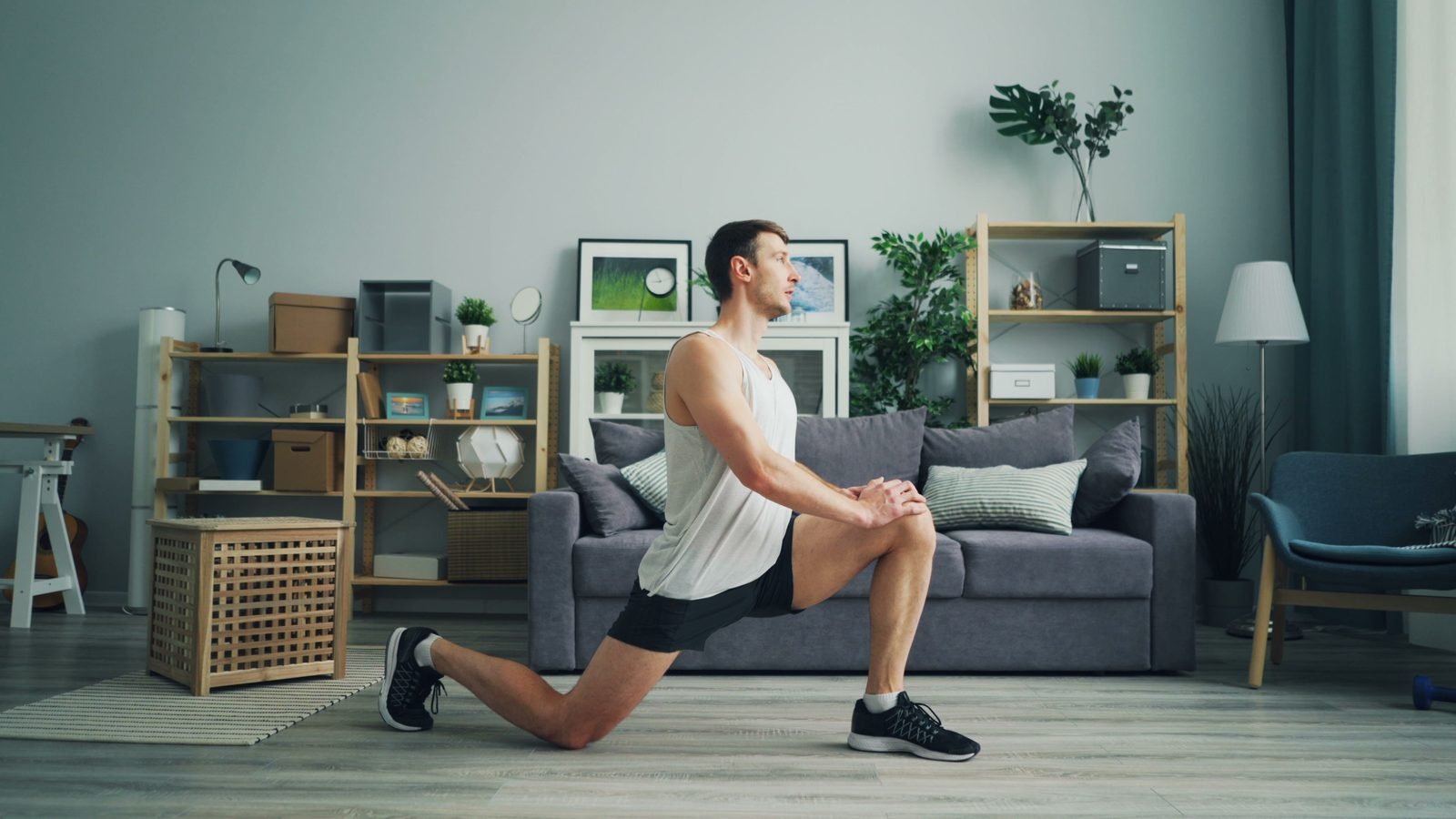
| Day 1 (Lower Body + Core) | Bodyweight squat | 3 x 12 | Hold one dumbbell at chest (goblet squat) |
| Glute bridge | 3 x 15 | Dumbbell across hips | |
| Reverse lunge | 2 x 10 per leg | Dumbbells in each hand | |
| Plank hold | 3 x 20-30 sec | None needed | |
| Day 2 (Upper Body + Core) | Incline push-up (hands on couch or step) | 3 x 10 | Standard push-up if strong enough |
| Towel/door row | 3 x 12 | Bent-over dumbbell row | |
| Dumbbell shoulder press | 3 x 10 | Use light dumbbells or water bottles | |
| Bicycle crunch | 3 x 20 | None needed | |
| Day 3 (Full Body) | Squat to overhead reach | 3 x 12 | Hold dumbbells overhead at top |
| Push-up | 3 x 8-10 | None needed | |
| Step-ups (using a stair or sturdy box) | 3 x 10 per leg | Dumbbells in each hand | |
| Dead bug | 3 x 12 per side | None needed |
Keep rest between sets to 45-60 seconds. If your form breaks down before you hit the target reps, stop the set early. That’s not failure, that’s the workout doing its job.
When and how should you add dumbbells to the mix?
Add dumbbells once your bodyweight sets stop feeling like real work, usually somewhere between week three and week six for most beginners. If you can knock out 15-20 clean bodyweight squats without your form falling apart, it’s time to load the movement.
A basic home dumbbell workout doesn’t need to be complicated. Start light, lighter than you think you need. A pair of 3-5 kg dumbbells is plenty for most beginners to start goblet squats, rows, presses, and lunges. The goal in the first two weeks with weights isn’t to feel exhausted, it’s to check that your form holds up under load. Increase weight in small jumps, roughly 1-2 kg at a time, once a movement feels easy for all three sets.
How do you learn proper form without a trainer watching you?
This is where most people at home get it wrong, and honestly, it’s the main reason we exist as a coaching service. But you can get a long way on your own with a few habits.
Record yourself. Prop your phone up at a side angle and film a set of squats or push-ups. Watching the video back, even once, will show you things you can’t feel in the moment, like knees caving in or a back that rounds under load. Compare against a slow, well-lit reference video from a credible source rather than a 15-second clip.
Slow down the tempo. Beginners rush reps because it feels more productive. Slowing each rep to a 3-second lowering phase forces better control and makes bad form obvious immediately. Use a mirror if you have one, even a bathroom mirror works for checking squat depth and knee position.
If a movement causes sharp pain (not muscle fatigue, actual joint or sharp pain), stop and swap it out. That’s not something to push through and figure out later.
How many days a week should beginners start with?
Three days a week is the right starting point for almost everyone. Not five, not two. Three sessions give your body enough stimulus to adapt while leaving real recovery time between them, and it’s sustainable enough that you won’t dread it by week two.
We see a consistent pattern with new clients who start at five or six days a week: they burn out fast, usually within ten days, and either quit training altogether or get hit with soreness so bad they skip the next two weeks entirely. Three sessions, spaced with at least one rest day, beats an ambitious schedule you abandon.
Once three days a week feels easy and recovery isn’t an issue, usually around week five or six, you can add a fourth day. There’s no rush to get there.
How do you stay motivated in the first month?
Motivation fades. Systems don’t. Pick a fixed time of day for your workouts, ideally the same time each session, so it becomes part of your schedule rather than a decision you make fresh every day. Mornings work well for a lot of people simply because there’s less chance of the day getting in the way.
Track something simple: reps completed, how a set felt, or just a checkmark on a calendar. Seeing three checkmarks in a row does more for motivation than any amount of willpower. Don’t chase soreness as proof of a good workout either, that mindset burns people out fast and it’s not actually a sign of progress.
Give yourself permission to have an easier session on a bad day rather than skipping entirely. A ten-minute version of the workout keeps the habit alive. A skipped day makes the next skipped day easier to justify.
What mistakes do beginners make most often at home?
A few show up again and again. Doing too much too soon is the most common one, going from zero activity to daily hour-long sessions in week one almost always backfires. Skipping warm-ups is another, even five minutes of light movement and joint circles before you start makes a real difference to how a session feels.
Copying advanced routines off social media is a trap too. A workout designed for someone with two years of training experience will wreck a beginner’s joints and confidence in equal measure. Ignoring form in favor of speed is another big one, rushing through reps to “get the workout done” defeats the purpose of the workout entirely.
And finally, treating rest days as wasted time. Recovery is when the actual adaptation happens. Training through fatigue without any rest just slows your progress and raises injury risk.
Is it worth getting a coach once you’ve started?
A lot of people manage the first month fine on their own. Where things usually stall is month two or three, once the beginner gains slow down and it’s not obvious what to change next. That’s the point where a second pair of eyes, even a virtual one, catches form issues and adjusts your plan before bad habits set in. If you want that kind of structured support built around your schedule and equipment, our 1-on-1 personal training program is built for exactly that stage, taking what you’ve started at home and turning it into a plan that keeps working.
Frequently Asked Questions
What are good at home workouts for beginners?
Bodyweight-based full-body routines are best for beginners: squats, push-ups, glute bridges, lunges, rows, and planks. These build strength and coordination without needing equipment. Once these feel manageable, adding a pair of dumbbells for goblet squats and presses is a natural next step, usually after two to four weeks.
How do you start working out at home as a beginner?
Start with three sessions a week using simple bodyweight movements you can already do with decent form. Keep sessions to 20-30 minutes, warm up first, and don’t change the routine every session. Consistency for the first month matters far more than variety or intensity.
What are the benefits of at home workouts for beginners?
Home workouts remove common barriers like gym anxiety, travel time, and cost. They let beginners learn movements at their own pace, in private, and on a flexible schedule. For most people, that lower barrier to entry is what actually gets a first workout habit off the ground and keeps it going.
Can you build real strength with just bodyweight exercises?
Yes, especially in the first two to three months. Bodyweight training builds genuine strength and muscle endurance for beginners. Progress does eventually require added resistance, like dumbbells or bands, once bodyweight movements stop feeling challenging, but there’s no need to rush that transition.
How long should a beginner’s home workout session last?
Twenty to thirty minutes is enough for most beginners, including a short warm-up. Longer sessions don’t necessarily produce better results at this stage and can make the habit feel harder to sustain. Short, consistent sessions three times a week beat occasional long ones.