Yes, you can train legs and abs in the same session, and for most people juggling a job and a training schedule, it’s the smarter option. The key is sequencing: train legs first while your nervous system is fresh, then finish with core work when heavy lifting is no longer the priority. Done right, this combo saves time, doesn’t blunt your squat or deadlift numbers, and still leaves your abs properly worked by the end of the session.
At FitStrot we build legs and abs sessions for clients who train three or four days a week and can’t afford a dedicated core day. It’s one of the most requested combinations we program, right after upper body push-pull splits. This article breaks down why the pairing works, how to sequence it so one doesn’t sabotage the other, and gives you a full session you can run this week.
Why Pair Legs and Abs in One Session?
Your abs get worked indirectly every time you squat, lunge or deadlift. Adding direct ab work on leg day just finishes the job instead of leaving it half done. It’s also a scheduling win. Most people training three to five days a week don’t have room for a standalone ab day, so stacking core work onto leg day means you’re not skipping it altogether when the week gets busy.
There’s a physiological argument too. Leg training, especially anything loaded like squats or deadlifts, already demands heavy core bracing. Your abs are semi-warmed up by the time you get to direct core work, so you don’t need a separate warm-up block for them. Compare that to bolting abs onto an upper body day, where your core hasn’t done any real work yet.
Does Training Legs First Tire Out Your Core Too Early?
This is the real concern, and it’s a fair one. Heavy squats and deadlifts rely on core stability. If you fry your abs first with planks and hanging leg raises, your squat form falls apart and you’re now loading a fatigued spine. That’s how people end up with lower back tweaks that have nothing to do with their actual leg strength.
The fix is sequencing, not avoidance. Train your compound leg lifts first, when your core can still brace hard and your central nervous system is fresh. Save direct ab isolation work, the crunches, leg raises, and rotational movements, for the end of the session. Your legs will be tired by then, but that doesn’t matter much for ab exercises since most of them don’t need your quads or glutes to be fresh.
We see clients try to do it backwards when they’re short on time, rushing through abs first so they can “get to the good part.” It almost always costs them on their working sets. Their squat depth gets shaky by set three and they blame the exercise instead of the order they did things in.
How Should You Structure a Legs and Abs Workout?
A simple four-block structure works well for most people:
- Warm-up (5-8 minutes): dynamic stretches, bodyweight squats, hip openers, and a light activation set for glutes.
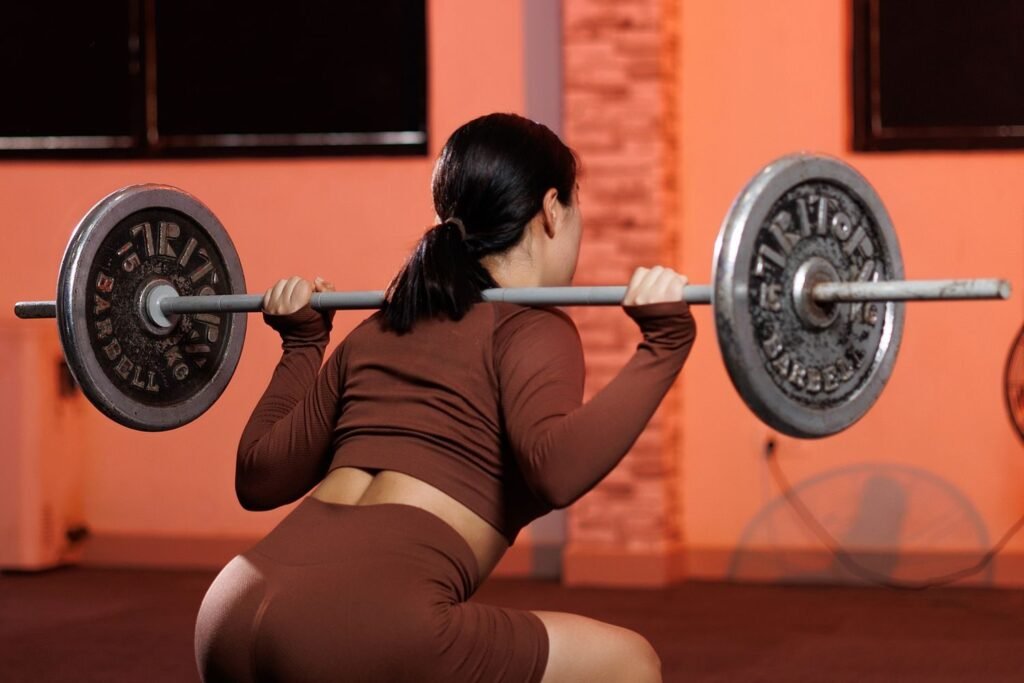
- Heavy compound leg lifts (20-25 minutes): squats, deadlifts, or leg press. This is where you lift the most weight and need the most core stability, so it goes first.
- Accessory leg work (10-15 minutes): lunges, leg curls, calf raises. Still leg-focused but lighter load, less demand on bracing.
- Direct core work (10-15 minutes): planks, leg raises, rotational movements. This closes out the session when your legs are cooked but your core can still handle isolated work.
If you want a version of this session with zero direct ab work and more volume on the lower body, our leg day workout breaks that down separately. And if you’d rather build a standalone core session for a different day of the week, we’ve laid one out in our ab day workout guide.
What Does a Full Legs and Abs Workout Look Like?
Here’s a session we actually program for intermediate clients training legs and abs together twice a week. Adjust the loads to your own strength level, but keep the order as it is.

| Exercise | Sets | Reps | Rest |
|---|---|---|---|
| Barbell Back Squat | 4 | 6-8 | 2-3 min |
| Romanian Deadlift | 3 | 8-10 | 2 min |
| Walking Lunges | 3 | 10-12 per leg | 90 sec |
| Leg Press | 3 | 10-12 | 90 sec |
| Standing Calf Raise | 3 | 15 | 60 sec |
| Hanging Leg Raise | 3 | 10-12 | 60 sec |
| Cable Woodchopper | 3 | 12 per side | 45 sec |
| Plank | 3 | 30-45 sec hold | 45 sec |
| Bicycle Crunches | 3 | 15-20 per side | 30 sec |
This gives you two compound leg movements, two accessory leg movements, and four core exercises that hit flexion, rotation, and isometric holds. Total session time lands around 50-60 minutes depending on how you pace your rest.
Which Ab Exercises Actually Work Well After Legs?
Not every ab exercise is a good fit for the end of a leg-heavy session. Anything that needs explosive hip drive or heavy external loading is going to suffer once your legs and glutes are fatigued. Stick to exercises that isolate the core without depending on lower body power:
Hanging leg raises, cable woodchoppers, planks, bicycle crunches, and Russian twists all work well here because they load the abs directly without needing fresh legs. Avoid things like weighted step-up crunches or exercises that combine a squat pattern with a core movement. Save those for a day when your legs aren’t already spent.
How Many Exercises Should Go Into a Legs and Abs Day?
Six to nine exercises total is the sweet spot for most people. That usually breaks down as two to three heavy compound leg lifts, one to two accessory leg movements, and three to four core exercises. Go beyond that and you’re either cutting sets short to save time or turning a 60-minute session into 90 minutes, which most people can’t sustain twice a week.
If you’re newer to training, lean toward the lower end of that range and focus on form. If you’ve been training for a year or more, you can handle the full nine and still recover well between sessions.
How Often Should You Train Legs and Abs Together?
Two sessions a week is realistic for most intermediate lifters, spaced with at least 48 hours between them so your lower body and lower back get proper recovery. If you’re also doing a broader program like our 30 day workout plan, you can slot legs and abs days in on a rotation with upper body and rest days without overloading any single muscle group.
Beginners are usually better off with one combined session a week plus a lighter core-only day, since the volume from squats and deadlifts alone is enough to challenge the core without adding a second heavy leg session.
Do You Need a Coach to Get This Right?
You don’t need one to follow the workout above, but a lot of people get the sequencing wrong on their own, either front-loading abs out of habit or skipping the compound lifts because they’re intimidating. That’s exactly the kind of thing we fix in our 1-on-1 personal training programs, where Yash Pathak and our coaching team build a week-by-week plan around your actual schedule, equipment, and recovery capacity instead of a generic template pulled off the internet.
Frequently Asked Questions
Is it good to train legs and abs together?
Yes. It’s an efficient pairing because your core already gets indirect work during squats and deadlifts, and doing direct ab work at the end of the session doesn’t interfere with your leg lifts as long as you sequence it correctly. It’s a common structure in time-efficient training programs for exactly this reason.
What is a good legs and abs workout?
A good one starts with heavy compound leg lifts like squats and deadlifts, moves into lighter accessory leg work like lunges or leg press, and finishes with direct core exercises like hanging leg raises, planks, and rotational movements. The sample workout in this article follows that exact structure.
Should you do abs before or after legs?
After legs, in almost every case. Training abs first pre-fatigues the muscles that stabilize your spine during heavy squats and deadlifts, which increases injury risk and tanks your performance on the lifts that matter most. Save ab isolation work for the end of the session.
How many exercises for a legs and abs day?
Six to nine total works well for most people: two to three compound leg lifts, one to two accessory leg movements, and three to four core exercises. Beginners should stay toward the lower end, while more experienced lifters can handle the full range.
Can you do this combination on a cut or fat loss phase?
Yes, and it actually works well during a cut since combining legs and abs keeps sessions dense and time-efficient, which matters when your recovery capacity is a bit lower from being in a calorie deficit. Just keep an eye on your rest periods since fatigue tends to build faster on reduced calories.