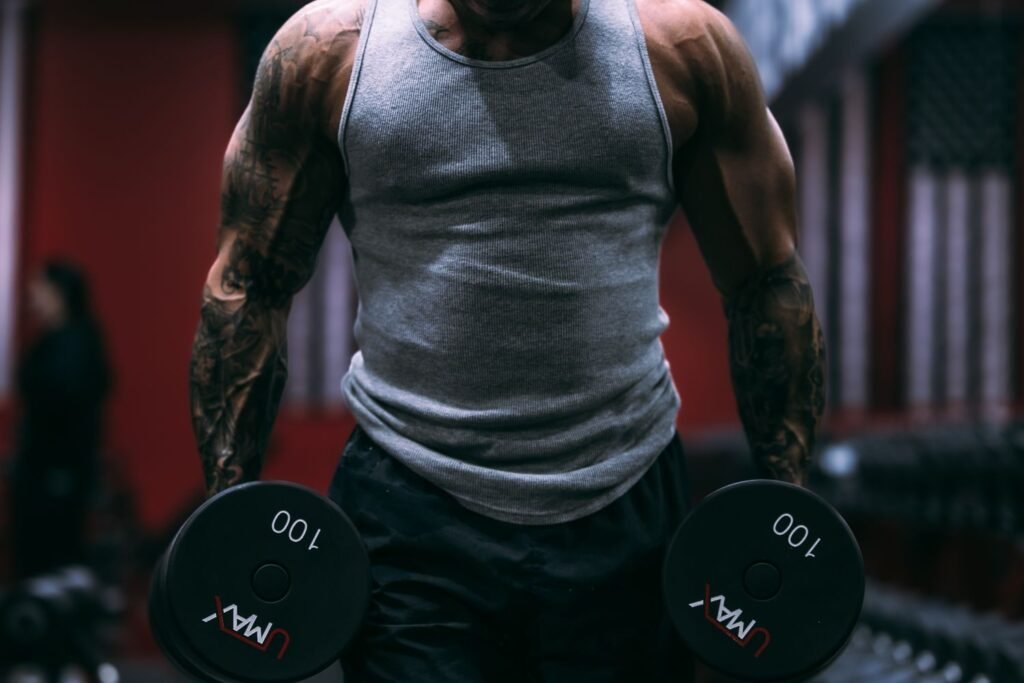
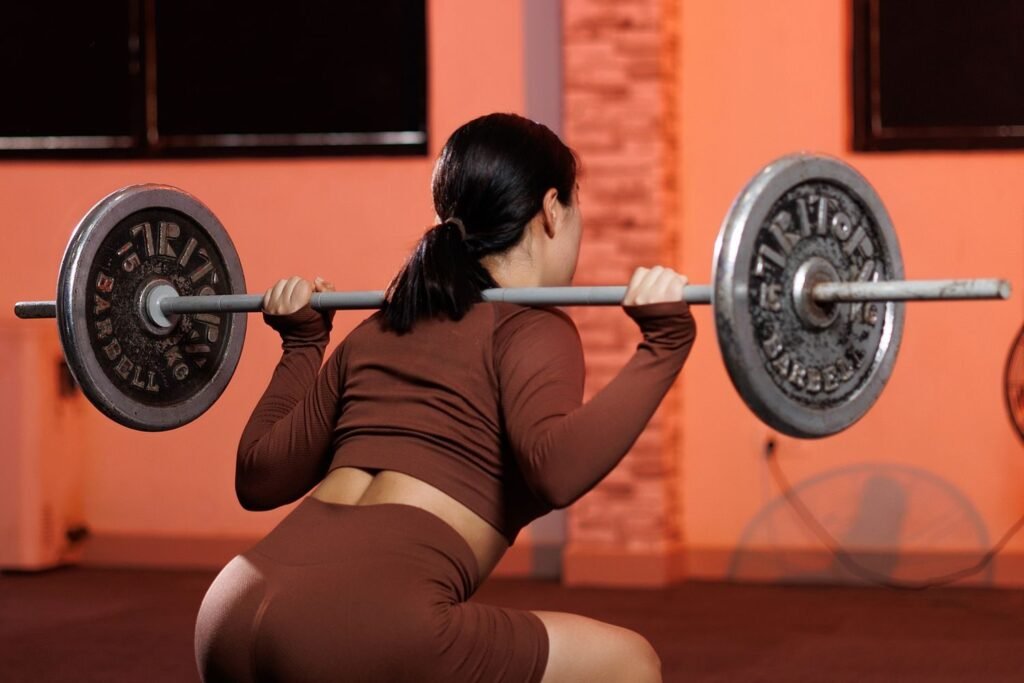
A gym workout plan for women is a structured training week built around free weights, machines, and cables, not just a treadmill and a set of pink dumbbells. A solid plan trains the whole body across 3 to 5 sessions a week, with compound lifts like squats, deadlifts, presses, and rows forming the base. It should progress in weight or reps over time, hit glutes, back, shoulders, and legs directly, and still leave room to recover. Most women do best on a plan that mixes strength training on machines and free weights with a day or two of light cardio or conditioning. The goal is building real strength that changes how your body looks, moves, and holds up over the years, not just over a few weeks. Toning is a side effect of that, not the plan itself.
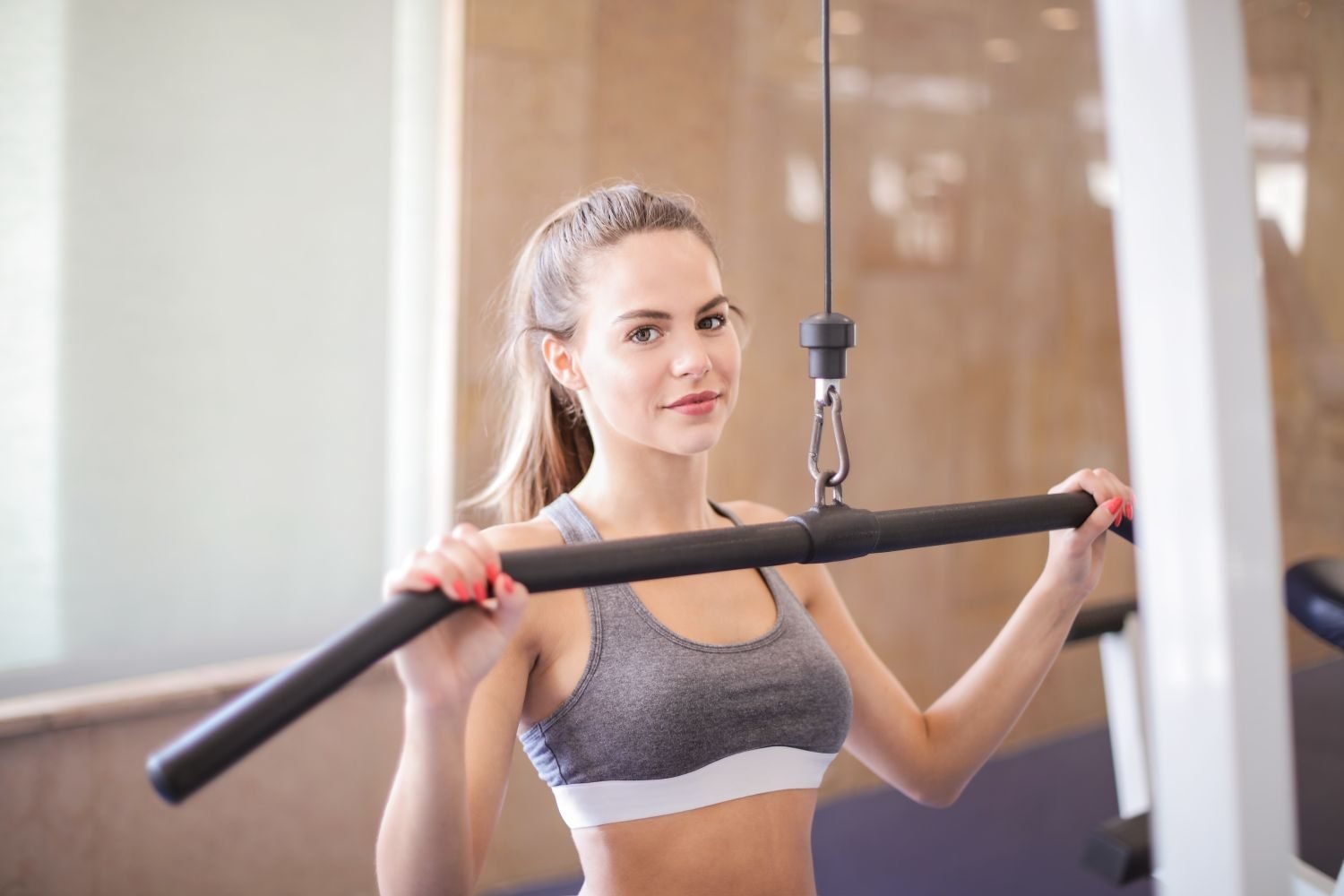
What Should a Gym Workout Plan for Women Actually Include?
A proper plan has four things: a clear split, progressive overload, enough recovery, and exercises that use the gym’s actual equipment instead of avoiding it. Too many women stick to the cardio section and light resistance bands because that’s what feels familiar, then wonder why their body composition doesn’t change after months of showing up. Strength training is what reshapes muscle, improves bone density, and speeds up your metabolism at rest. Cardio supports that work, it doesn’t replace it.
If you want the fundamentals of how a gym session should be structured, our gym workout guide breaks down warm-up, main lifts, and accessory work in more detail. This article focuses specifically on how women should apply that structure across a full week using gym equipment.
Will Lifting Weights at the Gym Make Women Bulky?
No, and this is the single biggest reason women avoid the weights section. Building visible muscle mass requires a calorie surplus, high training volume, and years of consistent, targeted work, plus a hormonal environment that most women simply don’t have. Testosterone is the primary driver of large muscle growth, and women naturally produce a fraction of what men do. Lifting heavy 3 to 4 times a week will make you stronger, more defined, and leaner. It will not turn you into a bodybuilder by accident.
We see this fear play out constantly in first sessions. A client will hesitate at the squat rack and ask to stick to the 2kg dumbbells instead, worried that anything heavier will “bulk her up” overnight. Within a few weeks of progressive loading, that same client is usually the one asking to add weight to the bar herself, because she can see her shoulders and back taking shape instead of just her weight dropping on a scale.
How Many Days a Week Should Women Train at the Gym?
Three to five days is the sweet spot for most women, depending on experience and recovery capacity. Beginners do well with 3 full-body sessions a week, with a rest day between each. Intermediate lifters can move to a 4-day upper/lower split, which gives more volume per muscle group without burning out the nervous system. Advanced trainees sometimes push to 5 or 6 days, but that only works if sleep, protein intake, and stress are already dialed in. More days doesn’t automatically mean more results. Poor recovery on a 6-day plan will leave you weaker than a well-recovered 4-day plan.
If a higher-frequency approach interests you, our 6-day gym workout schedule lays out how that structure works once you’ve built a base. For most women starting out or juggling a full-time job, 4 days is realistic and sustainable.
What Does a Sample Gym Workout Week for Women Look Like?
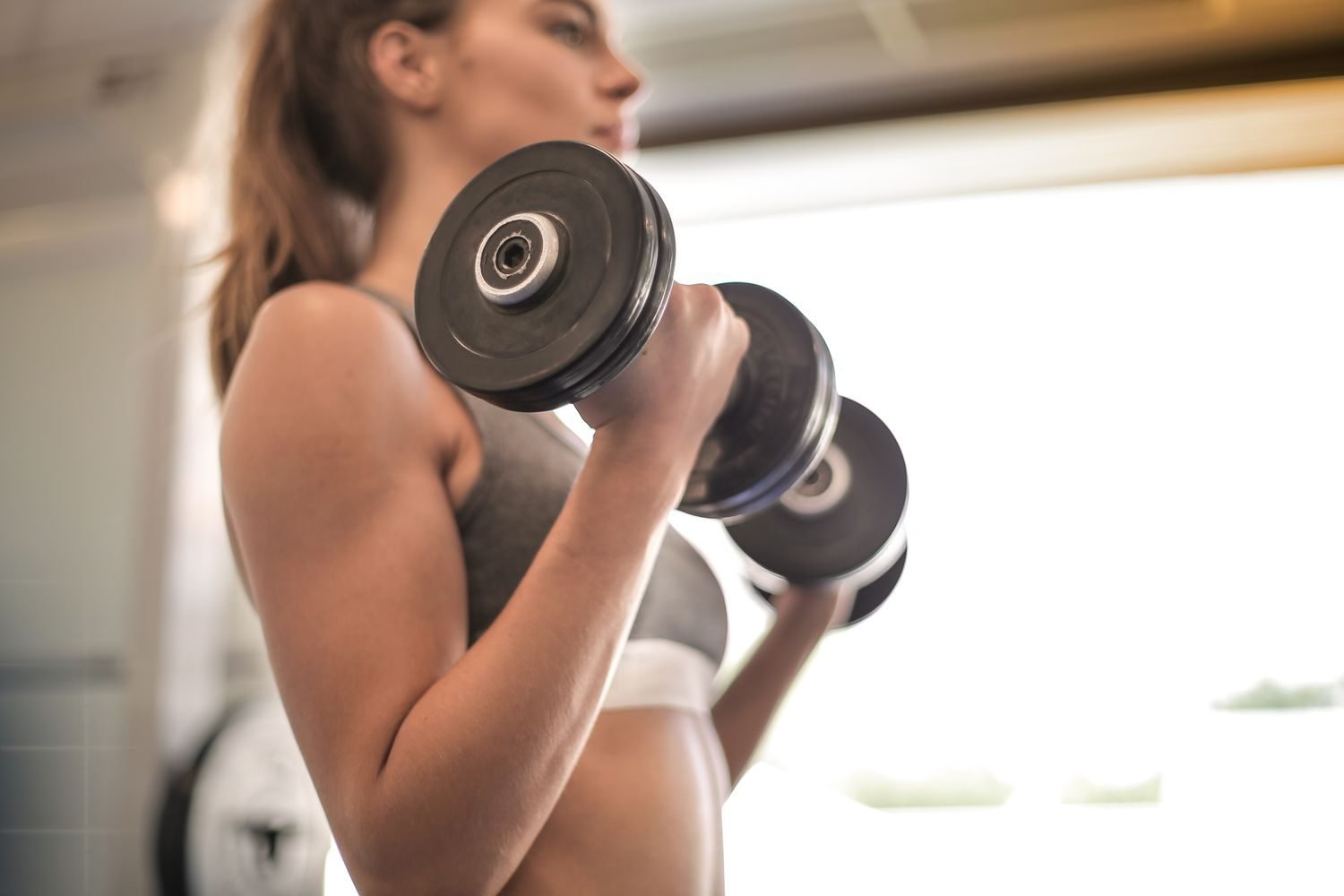
Below is a real 4-day gym split using machines, free weights, and cables. It’s written for a woman with some gym familiarity who wants to build strength and shape without living in the gym seven days a week. Adjust the loads to your current strength level, but keep the rep ranges and exercise order as they are.
| Day | Focus | Exercises (Sets x Reps) | Equipment |
|---|---|---|---|
| Monday | Lower Body (Glutes & Quads) | Barbell back squat 4×8, Leg press 3×12, Cable glute kickback 3×15 per side, Seated leg curl 3×12 | Barbell, leg press machine, cable stack, leg curl machine |
| Tuesday | Upper Body Push | Chest press machine 4×10, Dumbbell shoulder press 3×10, Cable tricep pushdown 3×15, Machine chest fly 3×12 | Chest press machine, dumbbells, cable stack, pec deck |
| Wednesday | Rest or 20-min brisk walk | Optional light cardio | Treadmill or outdoor walk |
| Thursday | Lower Body (Hamstrings & Glutes) | Romanian deadlift 4×8, Hip thrust (barbell) 3×10, Cable pull-through 3×15, Standing calf raise 3×15 | Barbell, bench, cable stack, calf raise machine |
| Friday | Upper Body Pull | Lat pulldown 4×10, Seated cable row 3×12, Dumbbell bicep curl 3×12, Face pull 3×15 | Lat pulldown machine, cable row machine, dumbbells, cable stack |
| Saturday | Optional full-body circuit or core | Kettlebell swings, plank, cable woodchopper, 15-20 min light cardio | Kettlebell, cable stack, mat |
| Sunday | Rest | Full recovery, no structured training | None |
This split hits every major muscle group twice a week when you count the Saturday circuit, which is enough stimulus for steady progress without wrecking your joints or your schedule. If you want a printable version of a weekly structure like this one, check our gym workout chart for a format you can keep on your phone.
Which Gym Equipment Should Women Actually Use?
Use all of it, in this order of priority:
- Barbells and dumbbells first. Free weights force your stabilizer muscles to work, which builds functional strength that carries over into daily life.
- Machines second. Useful for isolating a muscle when you’re tired or new to a movement pattern, since they remove the balance component.
- Cables third. Excellent for glute and shoulder work because they keep constant tension on the muscle through the full range of motion.
- Bodyweight last. A solid warm-up or filler option when the equipment you want is busy.
None of these tools are “for men only”. A barbell doesn’t know or care who’s holding it.
How Should Women Progress Their Gym Workouts Over Time?
Progressive overload is non-negotiable if you want the plan to keep working. That means adding weight, adding a rep, or slowing down the tempo every couple of weeks once a movement starts feeling easy. Write your numbers down. If you squatted 30kg for 8 reps last week, aim for 32.5kg or 9 reps this week. Plateaus happen when women repeat the exact same weights for months because the workout still “feels hard” from fatigue, not from actual resistance. Track it on paper or your phone, and review it every two weeks.
Do Women Need a Different Gym Plan Than Men?
Not structurally, but there are a few practical adjustments worth making. Women often benefit from slightly higher training frequency for glutes and upper back, since these areas respond well to more volume and are usually underdeveloped from years of low-intensity cardio. Programming around the menstrual cycle also matters for some women, with heavier lifts placed in the first half of the cycle when energy tends to be higher. Beyond that, the same principles of progressive overload, compound lifts, and adequate protein apply exactly the same way they do for men. If you’d rather start from a broader overview before narrowing into gym-specific programming, our workouts for women guide covers the full picture, including home and gym options.
How Long Before a Gym Plan Shows Results?
Strength gains usually show up within 2 to 3 weeks, since a lot of early progress is neurological rather than muscular. Visible changes in shape and definition typically take 6 to 8 weeks of consistent training paired with decent nutrition. Weight on the scale is the least reliable marker in this window, because muscle gain and fat loss can happen at the same time and cancel each other out numerically. Photos and how your clothes fit tell you more than the scale does in the first two months.
Following a plan on paper is one part of the equation. Doing the lifts with correct form, at the right intensity, and adjusting the plan as you get stronger is where most people fall off on their own. That’s where working with a coach who can watch your squat depth, correct your hip thrust setup, and change your programming based on how you’re actually recovering makes the difference between a plan that stalls and one that keeps working month after month. If you want that kind of guidance built around your schedule and your gym, FitStrot’s 1-on-1 personal training service pairs you with a coach who builds and adjusts your plan as you progress, not a generic template you’re left to figure out alone.
Frequently Asked Questions
What is a good gym workout plan for women?
A good plan trains the full body across 3 to 5 days a week using free weights, machines, and cables, with compound lifts like squats, deadlifts, and rows as the foundation. It should include progressive overload, at least one rest day between heavy sessions, and a mix of lower body, upper body, and optional conditioning work.
How do I follow a gym workout plan as a woman?
Start by picking a split that matches your schedule, 3 or 4 days is realistic for most people. Warm up before each session, track your weights and reps, and increase load or reps gradually every two weeks. Prioritize compound lifts before accessory movements, and rest at least one full day between training the same muscle group twice.
What are the benefits of following a structured gym workout plan?
A structured plan builds strength consistently instead of leaving progress to chance. It improves bone density, boosts resting metabolism, and reshapes your body through muscle definition rather than just weight loss. It also reduces injury risk because movements are programmed with proper recovery, instead of random workouts with no progression logic behind them.
Can a beginner follow a gym-based plan, or should she start at home first?
Beginners can absolutely start at the gym. Machines are actually easier to learn than bodyweight movements because they guide the motion path for you. Start with 3 full-body sessions a week, learn the main lifts with lighter weight first, and add load once your form feels controlled and confident.
How long before I see results from a gym plan?
Strength improvements often show within 2 to 3 weeks as your nervous system adapts to the movements. Visible changes in muscle tone and body shape usually take 6 to 8 weeks of consistent training combined with adequate protein intake and sleep. Results compound the longer you stay consistent with the plan.