A keratin nutrition treatment hair mask can make your hair look smoother, shinier, and more manageable within one wash — but it works by coating the outside of the hair shaft with protein, not by changing what your body produces at the root. The keratin in the jar and the keratin your follicles are actively building are the same protein family, yet only one of them determines whether your next inch of hair grows in strong. That one is built from the inside, using amino acids you eat, not products you apply.
This isn’t an argument against keratin masks — smoothing frizz and sealing damaged cuticle has real, visible value. It’s a clarification of what the product can and can’t do, so you’re not expecting a jar of hydrolyzed protein to fix something that only hair nutrition can fix: new hair growth quality.
What does a keratin treatment actually do to your hair?
A keratin hair mask or smoothing treatment works almost entirely on the surface. Hair is covered by the cuticle — the outermost layer of overlapping, scale-like cells that protect the inner cortex. Rough towel-drying, heat styling, coloring, and sun exposure lift and chip away at these scales, creating frizz, dullness, and tangling.
Hydrolyzed keratin (protein broken into smaller fragments so it can adhere to hair) fills in the gaps where cuticle scale is missing and lies flat over lifted edges. Professional smoothing treatments go further: heat from a flat iron bonds the keratin more firmly to the strand, which is why salon versions can last six weeks to five months depending on formula strength, while an at-home mask typically rinses out within a few washes.
Either way, the mechanism is the same: keratin sits on top of hair that already exists. It doesn’t travel to the follicle, and it doesn’t become part of the next strand your scalp produces. Once that treated hair is cut or grows out, the smoothing effect goes with it.
Why is hair made of keratin in the first place?
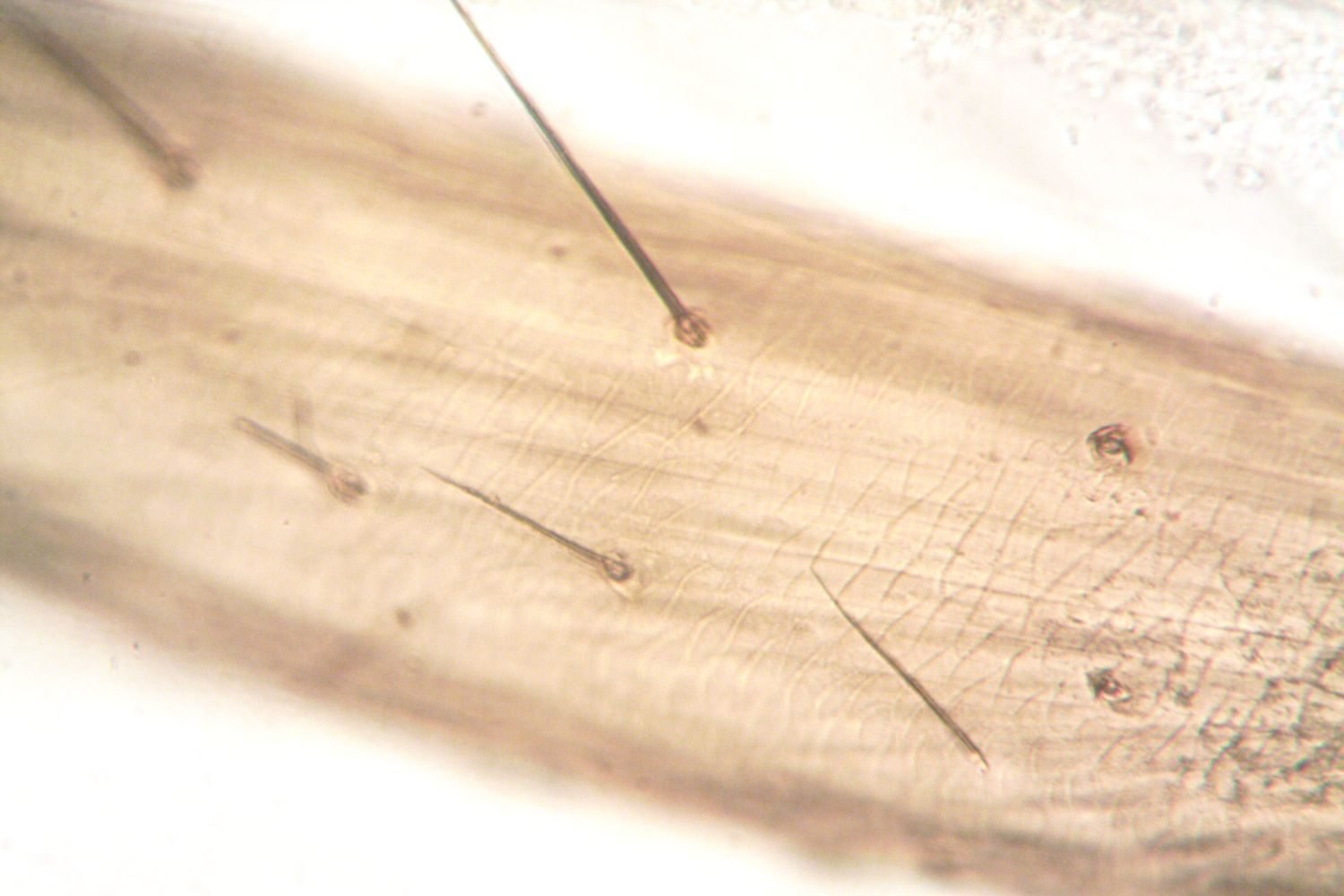
Hair isn’t coated in keratin as an afterthought — it’s built from it. Each strand is a fibrous structural protein made mostly of interwoven keratin filaments, organized into three regions: the outer cuticle, the thick middle cortex that gives hair its strength and elasticity, and sometimes a soft inner medulla. Within the cortex, keratin strands are bundled and cross-linked by disulfide bonds, largely formed by the sulfur-containing amino acid cysteine — part of why hair holds up as well as it does under normal wear.
Your hair follicle assembles this protein constantly. Living cells at the base of the follicle divide, fill with keratin, then die and compact into the tough, keratinized fiber you see above the scalp — a process called keratinization. This happens every day, at every follicle, for as long as that hair is in its active growth phase. The raw materials for it — amino acids — have to come from somewhere, and diet is that source.
Can topical keratin actually rebuild hair from the inside?
No, and this is the core distinction worth understanding before buying another mask. Keratin applied to the hair shaft cannot cross into the follicle or reach the living cells that manufacture new keratin. Neither the scalp’s outer layer nor the structure of mature hair is designed to absorb intact proteins into active growth tissue — topical keratin’s job is adhesion to the strand surface, not delivery to a growth site.
That means a keratin mask can:
- Smooth the cuticle and reduce visible frizz
- Add shine by filling gaps in damaged cuticle scale
- Reduce tangling and breakage from friction during styling
- Temporarily improve how colored or heat-damaged hair looks and feels
What it cannot do is change the diameter, strength, or growth rate of the hair your follicles produce next. That’s determined by what’s happening at the root — and that depends on your body having enough protein and specific amino acids on hand when the follicle needs them, not on what’s sitting on the strand surface. If your real concern is hair that seems thinner or weaker as it grows in, the more useful place to look is the essential amino acids your body needs but can’t make on its own.
How does dietary protein turn into the keratin your hair is made of?
When you eat protein — from eggs, fish, poultry, legumes, dairy, or other sources — digestion breaks it down into individual amino acids. These circulate in your bloodstream and get delivered to tissues throughout the body, including hair follicles. Follicle cells then use those amino acids to synthesize new keratin chains, a process that happens continuously in every hair that’s in its active growing (anagen) phase.
Two amino acids do particularly specialized work here: cysteine and methionine. Both contain sulfur, and that sulfur is what forms the disulfide bonds holding keratin’s structure together — the same bonds responsible for hair’s natural strength and resistance to breakage. Without enough of these amino acids available, the keratin your follicles produce is measurably weaker.
Because hair isn’t essential for survival, it sits fairly low on your body’s priority list. When protein intake is limited, your body allocates amino acids to vital organs and muscle first — hair follicles get what’s left over, which is why chronic low protein intake shows up in hair before almost anywhere else visible. For more on intake targets, see how protein and nutrition intake affects hair and body composition.
What happens to hair when protein intake is too low?
The effects aren’t immediate, which is part of why the diet connection often goes unnoticed. It typically takes about two to three months of insufficient protein intake before hair changes become noticeable, because the follicle has to work through its existing growth cycle before the shortage shows up in visible shedding.
What follows is a condition called telogen effluvium: hair follicles are pushed prematurely out of the growth (anagen) phase and into the resting (telogen) phase, with shedding following a few months later. Inadequate protein or amino acid availability has been shown to shorten the active growth phase, reduce hair fiber diameter, and increase overall shedding, typically peaking around month four to six after the deficit began.
The reassuring part: this is generally reversible. Once protein intake is corrected, follicles typically resume normal keratin production within one to two growth cycles, and visible regrowth tends to follow within roughly three to six months for most people. That timeline is worth sitting with — a mask changes how today’s hair looks in the mirror, while fixing protein intake changes what’s coming out of the follicle for months afterward. If shedding or thinning has been ongoing, it’s worth ruling out other angles too — see this overview of nutritional deficiencies linked to hair loss, since iron, zinc, and biotin status can compound a protein shortfall.
How much protein does your body actually need for healthy hair?
General nutrition guidance has shifted toward more generous protein targets than older baseline recommendations, with many adults benefiting from around 1.0 to 1.2 grams of protein per kilogram of body weight per day to adequately support tissue maintenance, including hair. For someone weighing around 65 kg (about 143 lbs), that’s roughly 65–78 grams of protein daily, spread across meals rather than loaded into one sitting.
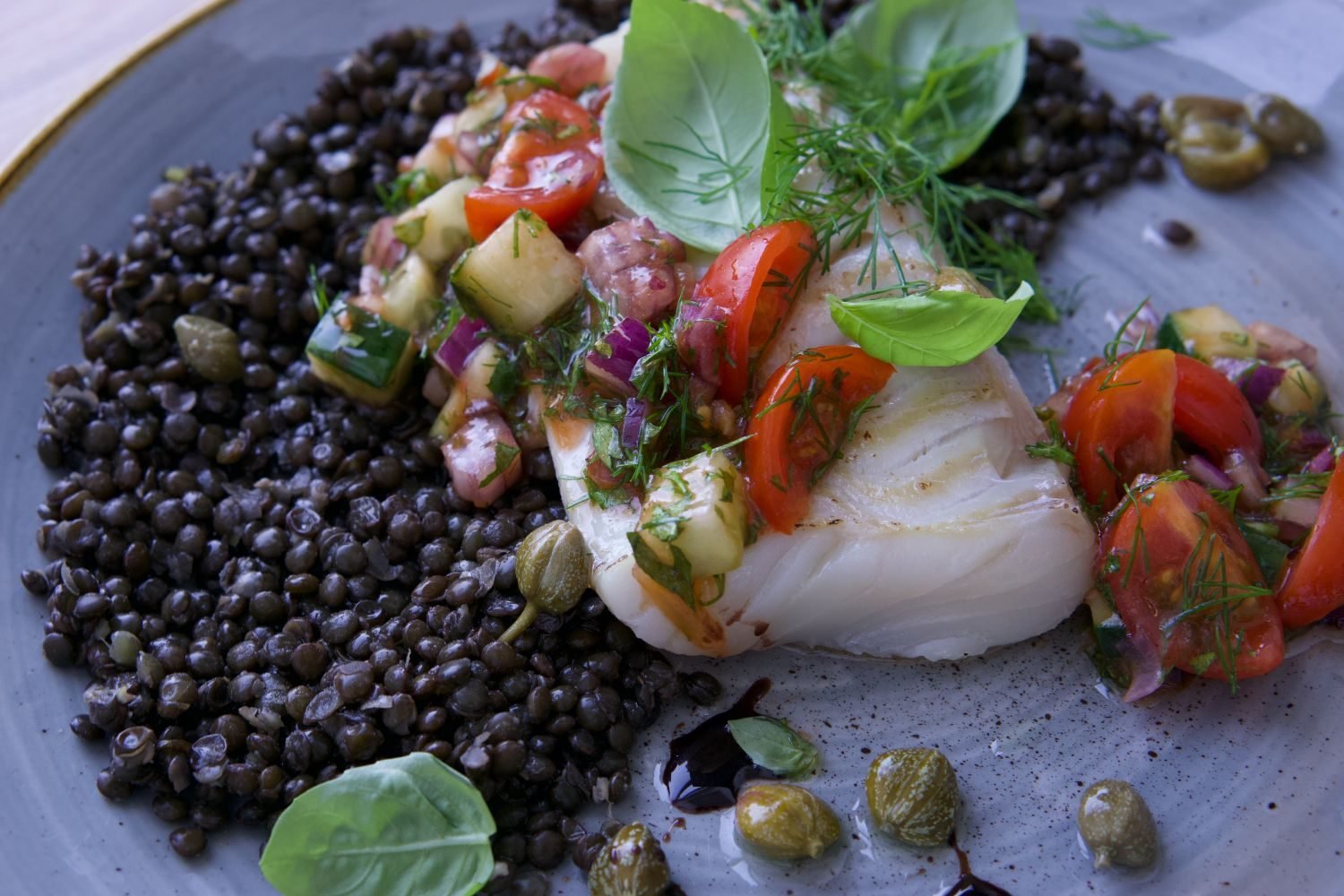
Good food sources that support hair growth and supply the sulfur-containing amino acids hair specifically relies on include:
- Eggs — a complete protein source rich in both methionine and cysteine
- Fish and poultry — lean, complete protein with a full amino acid profile
- Greek yogurt and dairy — convenient, protein-dense, easy to add to daily meals
- Legumes and lentils — solid plant-based protein, useful alongside grains for a fuller amino acid profile
- Nuts and seeds — smaller protein contributions but meaningful for sulfur amino acids and minerals like zinc
Someone eating a varied diet with adequate calories often meets this without much effort. The higher-risk groups are people on restrictive diets, those recovering from illness or surgery, older adults with reduced appetite, and anyone under significant caloric restriction — all situations where protein intake can quietly fall short for months before hair shows it. For a broader picture of how vitamins and minerals factor in alongside protein, see this guide to nutrition for hair health.
Should you use a keratin mask, fix your diet, or both?
These aren’t competing solutions — they solve different problems. If your hair looks frizzy, dull, or damaged from heat and color processing, a keratin treatment addresses that directly. If your hair is coming in thinner, shedding more than usual, or feels weaker at the root as new growth appears, that’s a signal to look at what you’re eating, not what you’re applying.
Using both makes sense for a lot of people: a keratin mask to manage the hair you already have while you correct protein intake to improve the hair still to come. What doesn’t make sense is expecting the mask to fix a problem that started at the follicle.
If you’re not sure whether your diet is actually giving your hair what it needs, working through the specifics with a professional is usually faster than guessing. An online nutritionist consultation can look at your actual intake and flag gaps before they turn into months of visible shedding.
Frequently Asked Questions
Does a keratin hair mask make hair grow faster?
No. Keratin masks coat the existing hair shaft to smooth the cuticle and add shine; they don’t reach the follicle where new hair is produced. Hair growth rate and quality are determined by follicle activity and nutrient supply, particularly protein intake, not by anything applied to the strand’s surface.
Can I get enough keratin from my diet directly by eating keratin supplements?
Not usefully. Dietary keratin itself is broken down into individual amino acids during digestion, just like any other protein — your body can’t absorb it intact and deposit it into hair. What matters is total protein and amino acid intake, particularly cysteine and methionine, which your follicles then use to build keratin themselves.
How long before low protein intake affects my hair?
Noticeable changes typically take about two to three months of insufficient protein intake, since existing hair has to move through its growth cycle before a shortage shows up as shedding or thinning. Shedding often peaks around month four to six after the deficit begins, based on typical telogen effluvium timelines.
Will fixing my protein intake reverse hair thinning?
In most diet-related cases, yes. Once protein intake is corrected, follicles generally resume normal keratin production, and visible regrowth tends to appear within roughly three to six months. Results vary based on how long the deficiency lasted and whether other nutrients, like iron or zinc, are also involved.
Are keratin treatments bad for hair health long-term?
Not inherently, though some professional keratin smoothing treatments use formaldehyde-releasing chemicals to bond keratin to hair, which has raised safety concerns and regulatory scrutiny in some regions. Formaldehyde-free versions and at-home masks avoid that issue but still only affect the hair shaft, not growth.
Do I need animal protein to get enough sulfur amino acids for hair?
No. While eggs, fish, and dairy are concentrated sources of cysteine and methionine, plant sources like legumes, nuts, seeds, and whole grains can supply adequate amounts when eaten in varied combinations across the day. The key is total protein adequacy, not any single food.