The fastest way to fix diet-related hair fall isn’t a supplement aisle — it’s your weekly grocery list. Hair follicles need a steady supply of protein, iron, zinc, biotin, omega-3 fats, and vitamin C to stay in their growth phase, and most of these are easier to get from a well-stocked kitchen than from a bottle of capsules. Below is a nutrient-by-nutrient shopping reference — what to buy, how much counts as a real serving, and how to combine foods so your body actually absorbs what you’re eating.
This is a practical list, not a diagnosis. If you’re losing more than 100-150 strands a day or seeing visible thinning, that’s worth a conversation with a doctor or an online nutritionist consultation before you overhaul your diet. For the science behind why these nutrients matter, see our deeper dive on hair nutrition and nutrition and hair loss.
Which foods are highest in iron for hair growth?
Iron carries oxygen to the hair follicle, and low iron (even without full-blown anemia) is one of the most common diet-linked causes of diffuse hair shedding, especially in women. The Recommended Dietary Allowance for adult women is 18 mg/day and 8 mg/day for men, per the NIH Office of Dietary Supplements.
- Lentils (masoor dal, moong dal): roughly 6.5 mg iron per 100 g raw (about 3.3 mg once cooked) — a katori of cooked dal most days covers a meaningful chunk of your target.
- Spinach and other leafy greens (palak, methi, amaranth): a cooked cup delivers close to 3-4 mg of non-heme iron, plus folate and vitamin A.
- Chickpeas and rajma: about 2.5-3 mg iron per cooked cup, and doubles as a protein source.
- Red meat and liver: among the richest heme-iron sources, which the body absorbs far more efficiently than plant iron.
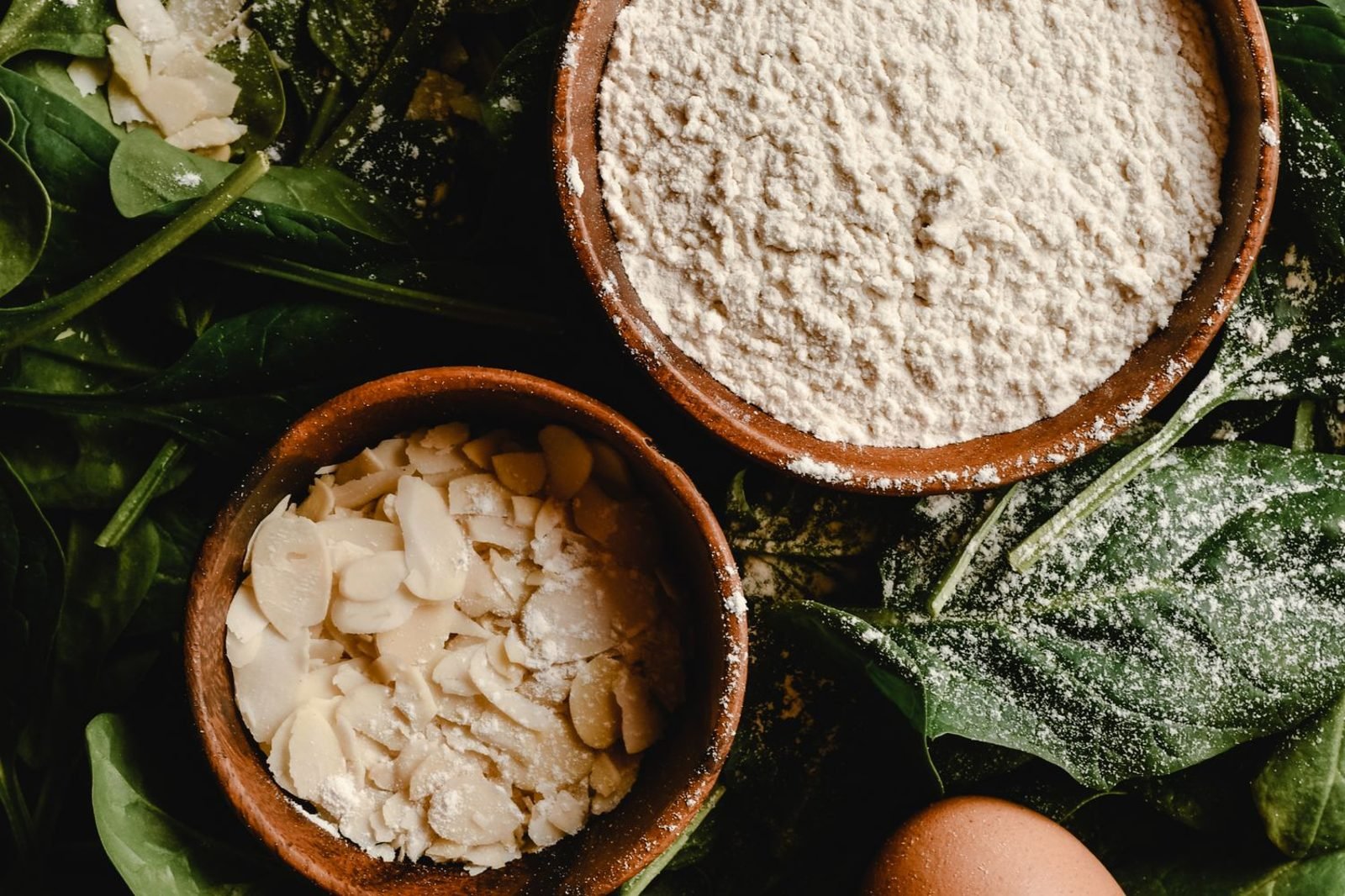
- Pumpkin seeds: around 3.3 mg per 30 g handful, easy to sprinkle over salads or yogurt.
Heme iron (meat, poultry, fish) is absorbed at roughly 15-35%, while non-heme iron (dal, greens, seeds) is absorbed at only 2-20%, according to Cleveland Clinic. That gap is exactly why pairing matters — see the vitamin C section below.
What are the best protein-rich foods for hair strength?
Hair is almost entirely made of a protein called keratin, so a low-protein diet is one of the quickest ways to end up with weak, slow-growing strands. Most adults need roughly 0.8-1 g of protein per kg of body weight daily, more if you’re active.
- Eggs: about 6 g protein per large egg, plus biotin and zinc — arguably the single best all-round hair food.
- Paneer and Greek yogurt: roughly 18-20 g protein per 100 g of paneer; a small katori works well as a mid-meal snack.
- Dal, rajma, chana: around 7-9 g protein per cooked cup, plus the iron and zinc mentioned above — a genuine two-in-one for vegetarians.
- Chicken and fish: about 25-30 g protein per 100 g cooked portion.
- Soy products (tofu, edamame): roughly 8-10 g protein per 100 g, a solid plant-based option for those avoiding dairy and legumes.
For a full breakdown of daily protein targets and timing, our guide on protein and nutrition goes deeper than we can here.
Which foods are naturally high in biotin?
Biotin (vitamin B7) deficiency is genuinely rare in people eating a varied diet, but when it does happen, hair thinning is one of the first visible signs, per Cleveland Clinic. The adequate intake for adults is 30 mcg/day.
- Eggs (especially the yolk): a whole cooked egg has about 10 mcg of biotin — nearly a third of your daily need in one food.
- Almonds and peanuts: a 30 g handful provides a useful amount, along with vitamin E for scalp health.
- Sweet potato: a half-cup cooked serving is a good plant-based contributor.
- Mushrooms: roughly 100 g of cooked mushrooms adds a modest but real amount.
- Bananas and oats: smaller contributors, but easy to eat daily as part of breakfast.
One caution: raw egg whites contain avidin, a protein that binds biotin and blocks absorption — another reason to eat eggs cooked, not raw.
Which omega-3 foods actually help with hair and scalp health?
Omega-3 fatty acids don’t grow hair directly, but they reduce scalp inflammation and keep the skin around follicles hydrated, which matters if flaking or an itchy scalp is part of your shedding problem.
- Fatty fish (mackerel, sardines, salmon, Indian pomfret): a 100 g cooked portion, 2-3 times a week, is the most concentrated source.
- Flaxseeds (alsi): 1 tablespoon ground, added to smoothies or roti dough, is an easy vegetarian source of ALA omega-3.
- Chia seeds: similar profile to flaxseed — a tablespoon soaked in water or milk works well.
- Walnuts: a small handful (about 7 halves) also brings in copper, which supports hair pigmentation.
- Fortified eggs or omega-3 supplements: useful if you eat little to no fish.
Since plant-based ALA converts to the more usable EPA/DHA forms at a fairly low rate, people eating no fish may want to look at supplementation — our omega-3 nutrition article covers dosing in more detail.
What foods are rich in zinc for hair, and why does it matter?
Zinc is directly involved in building keratin and repairing hair tissue, and both very low and excessively high zinc intake have been linked to hair loss, per Healthline. The RDA is 11 mg/day for men and 8 mg/day for women.
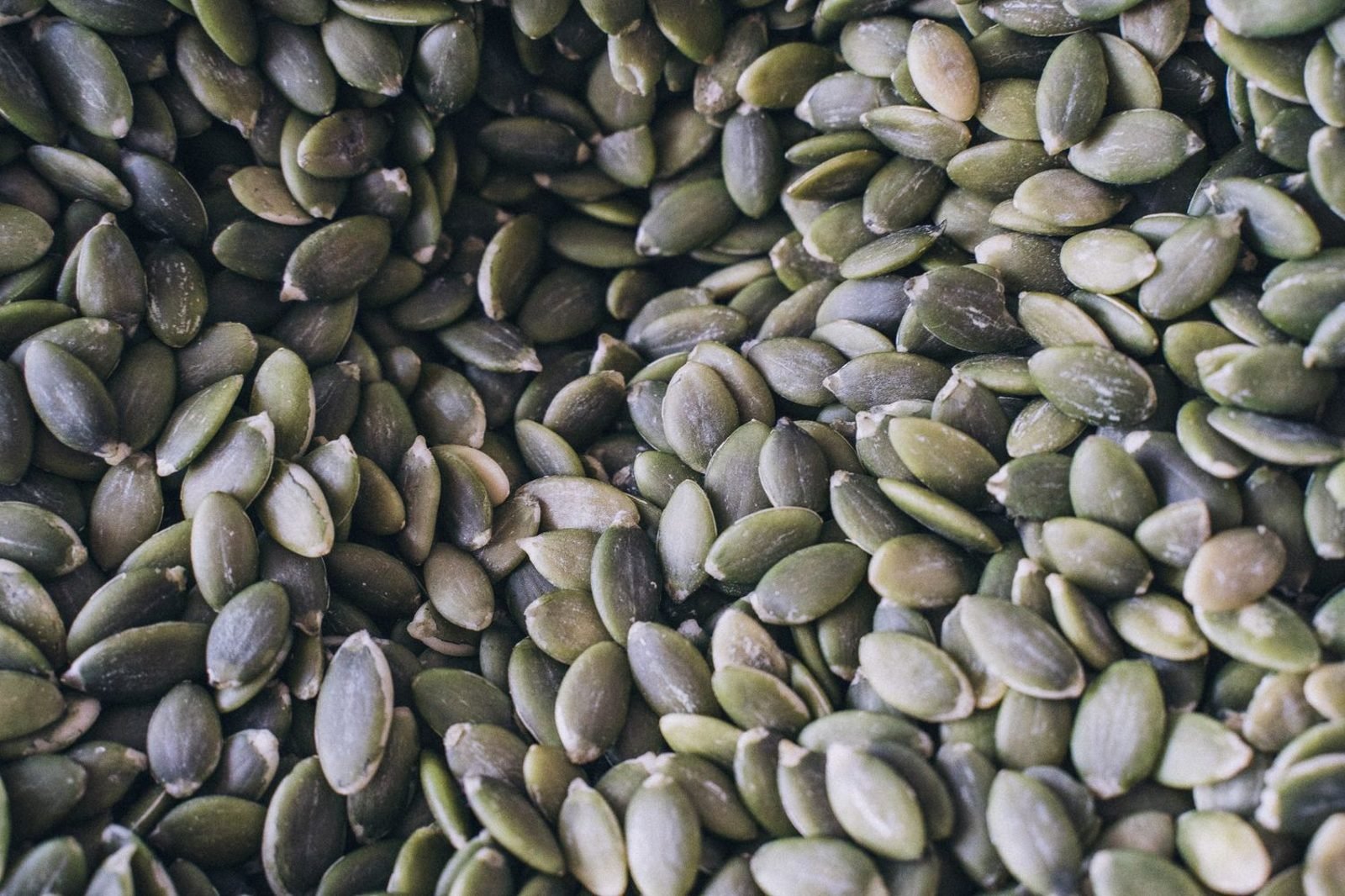
- Pumpkin seeds: about 2.3 mg zinc per 30 g handful — one of the best plant sources and genuinely easy to snack on daily.
- Shellfish (oysters, crab, shrimp): oysters in particular are exceptionally concentrated in zinc, though not a daily staple for most Indian diets.
- Chickpeas and kidney beans: roughly 1.5-2.5 mg zinc per cooked cup.
- Cashews and almonds: a small handful adds around 1.5 mg.
- Paneer and milk: modest but consistent contributors if eaten daily.
Zinc from plant foods is less bioavailable due to phytates, so vegetarians may need to eat slightly more of these foods, or soak/ferment legumes (as is traditional with dal and idli batter) to reduce phytate content. Our zinc nutrition guide covers absorption tricks in more depth.
Which vitamin C foods help your body absorb hair nutrients?
Vitamin C doesn’t just support collagen production around the hair shaft — its real value here is boosting iron absorption from plant foods, which is often the missing link for vegetarians dealing with hair fall.
- Amla (Indian gooseberry): one of the richest vitamin C sources available, traditionally used in Indian hair care for good reason — a small amla or a tablespoon of amla juice with a dal-based meal is a simple, high-impact pairing.
- Citrus fruits (orange, lemon, mosambi): one medium orange provides close to a full day’s vitamin C requirement (adults need about 65-90 mg/day).
- Guava: a single medium guava often contains more vitamin C than an orange of the same size.
- Bell peppers (capsicum): a half-cup of chopped capsicum is an easy addition to sabzi or salads.
- Tomatoes and papaya: smaller but consistent contributors if eaten regularly.
The practical takeaway: squeeze lemon over your dal, finish a meal with a citrus fruit, or drink amla juice alongside an iron-rich lunch. This single habit can meaningfully change how much iron your body actually keeps.
How do you put these food groups together in a day?
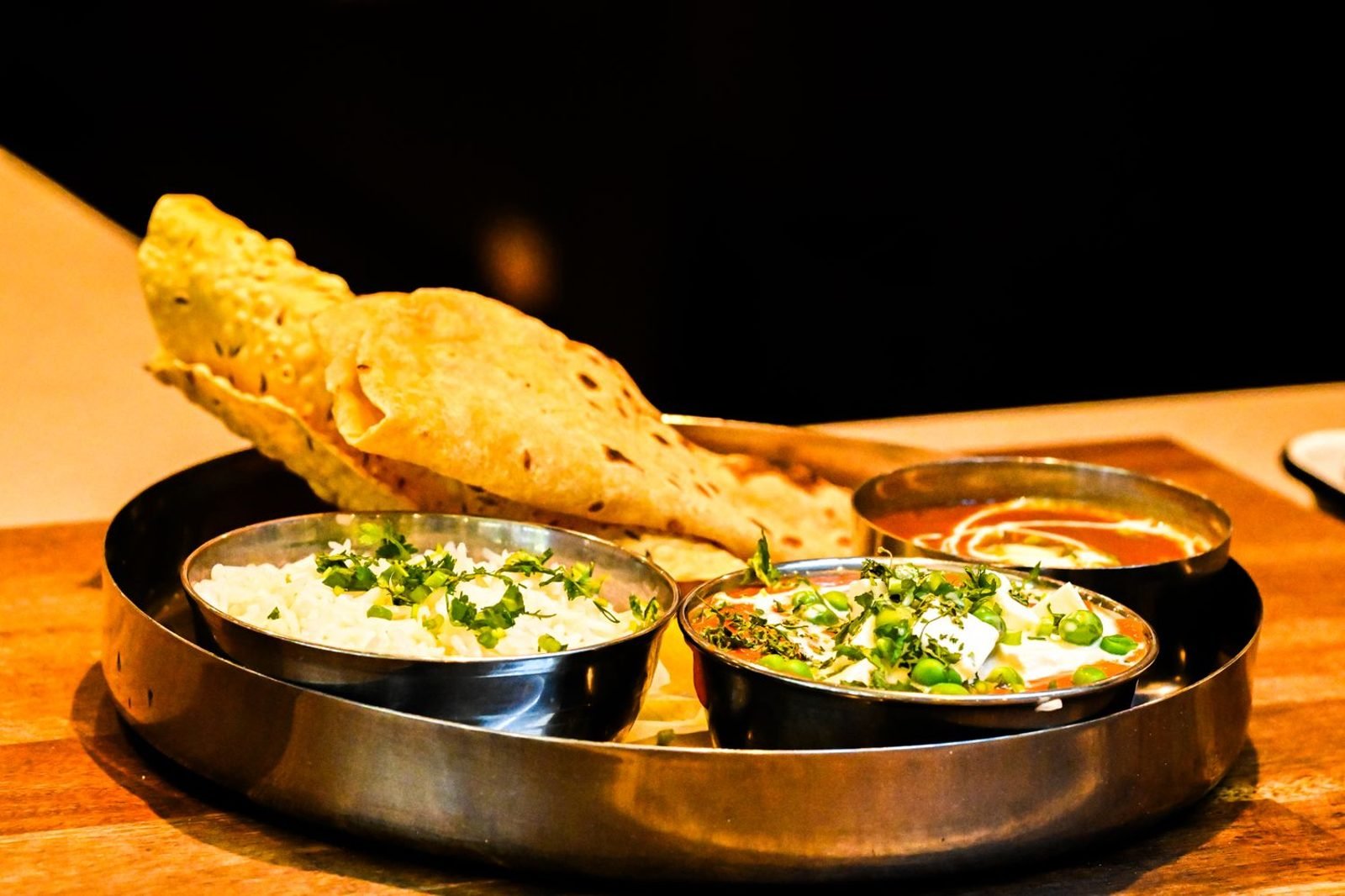
You don’t need to eat every item above daily — you need to hit most nutrient categories across a week. A simple pattern that covers protein, iron, zinc, biotin, and omega-3s without much extra effort:
- Breakfast: 1-2 eggs or a bowl of sprouted moong, with a small handful of nuts.
- Lunch: a katori of dal or rajma with a squeeze of lemon, plus a cooked leafy green sabzi.
- Snack: a small handful of pumpkin seeds or almonds, or a piece of citrus fruit.
- Dinner: fatty fish twice a week, or paneer/tofu on other days, with a vitamin-C side like tomato or capsicum sabzi.
Consistency over weeks matters more than any single “superfood” — hair grows in cycles, so dietary changes typically take 3-6 months to show visibly in new growth.
Do men and women need different hair-nutrition foods?
The core nutrient list above applies to everyone, but the emphasis shifts. Women are more likely to run low on iron due to menstrual blood loss, so iron-rich foods paired with vitamin C deserve extra priority. Men dealing with pattern-related thinning benefit more from consistent protein and zinc intake, though diet alone won’t reverse genetically driven hair loss. If that’s your specific concern, our article on hair nutrition for men covers it in detail, and it’s worth pairing any dietary changes with a proper diagnosis rather than assuming food alone will fix it.
FAQs
Can eating more protein alone stop hair fall?
Not on its own. Protein is essential since hair is built from keratin, but hair fall is often multi-factorial — involving iron, zinc, stress, thyroid function, or hormones. Adequate protein supports growth, but if you’re deficient in iron or zinc too, protein alone won’t fully resolve shedding.
How long before diet changes show results in hair growth?
Hair grows in cycles, and a strand takes roughly 3-4 months to move from the follicle to visibly emerge. Most nutrition-focused changes need at least 3-6 months of consistency before you’ll notice a real difference in shedding or new growth.
Is it better to get these nutrients from food or supplements?
Food first, in most cases. Whole foods provide nutrients alongside fiber, cofactors, and absorption helpers (like vitamin C alongside iron) that supplements don’t replicate. Supplements make sense when a blood test confirms a specific deficiency, not as a default.
Can too much biotin or zinc from food cause problems?
From food alone, it’s very difficult to overdose on these nutrients. Excess intake is almost always a supplement issue — very high-dose zinc supplements, for instance, can actually interfere with copper absorption and worsen hair health over time.
Are eggs enough to cover most hair-nutrition needs?
Eggs are unusually well-rounded — protein, biotin, zinc, and selenium in one food — but they’re not complete on their own. You’d still need iron-rich foods like dal or greens and vitamin C to help absorb that iron, plus omega-3 sources for scalp health.
If your hair fall persists despite consistent dietary changes, it’s worth getting a proper nutrient panel done rather than guessing. An online nutritionist consultation can help you identify actual deficiencies and build a realistic, food-first plan around them.