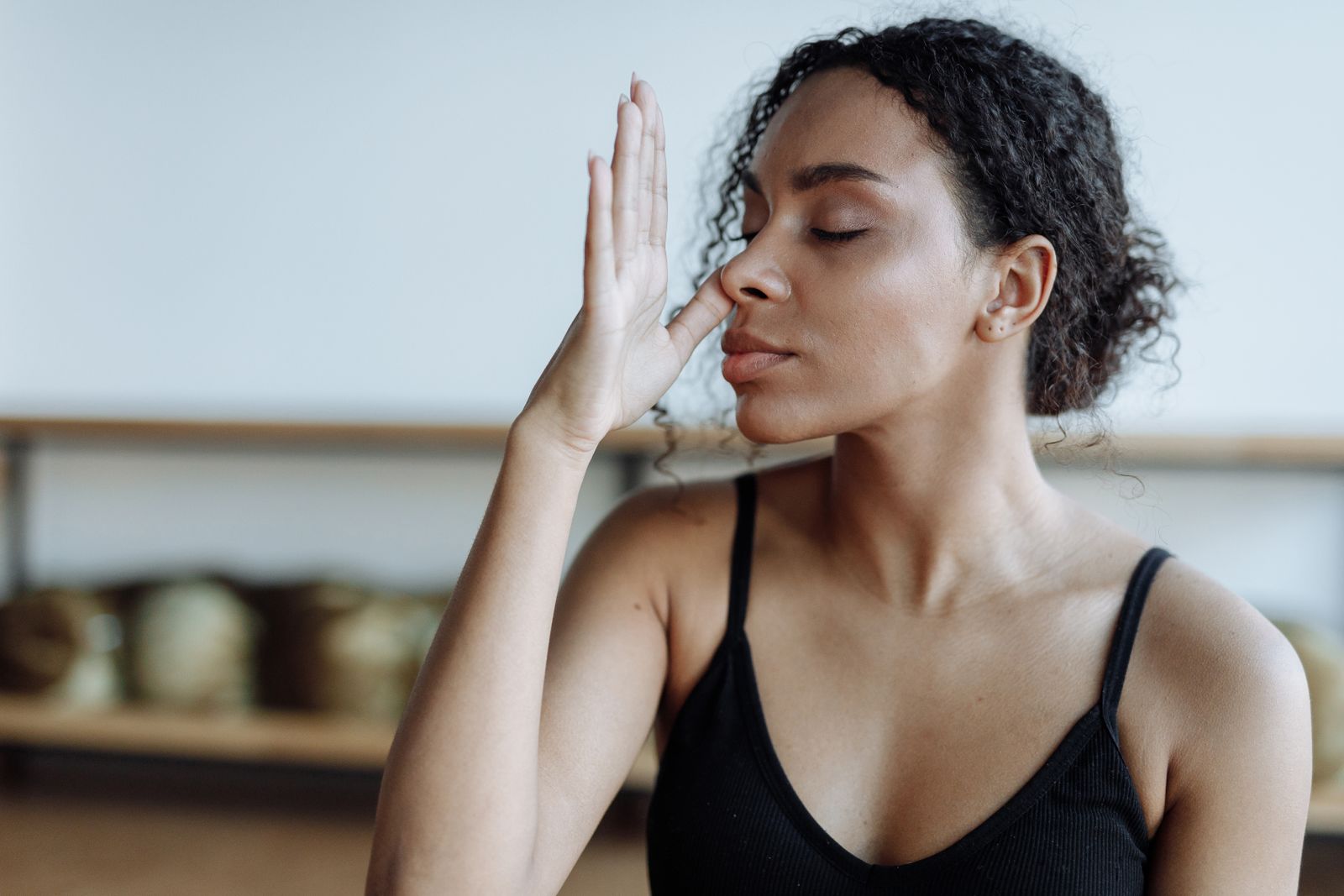
Kapalbhati kriya is a yogic breathing technique built on short, forceful exhalations through the nose paired with passive, automatic inhalations, practiced in rapid rhythmic rounds while seated with a straight spine. The word comes from “kapala” (skull) and “bhati” (to shine or illuminate), reflecting its traditional reputation for clearing the head and energizing the mind. It is classified as one of the six shatkarma cleansing techniques in hatha yoga, though most modern practitioners use it as an energizing pranayama practice done at the start of a session, on an empty stomach, for 3 to 5 minutes at a time.
What Does Kapalbhati Actually Mean?
Kapalbhati is a Sanskrit compound word: “kapala” translates to skull or cranium, and “bhati” means light, luster, or shining. Traditional hatha yoga texts group it among the shatkarma kriyas, a set of six cleansing practices designed to purify the body before deeper pranayama and meditation work. Unlike a typical breathing exercise where inhale and exhale get equal attention, kapalbhati flips the emphasis: you actively push air out through sharp abdominal contractions, and the inhale simply happens on its own as the belly releases. This asymmetry is what separates it from calming techniques like anulom vilom or nadi shodhana, both of which use slow, even, controlled breath ratios instead.
How Do You Practice Kapalbhati Kriya Step by Step?
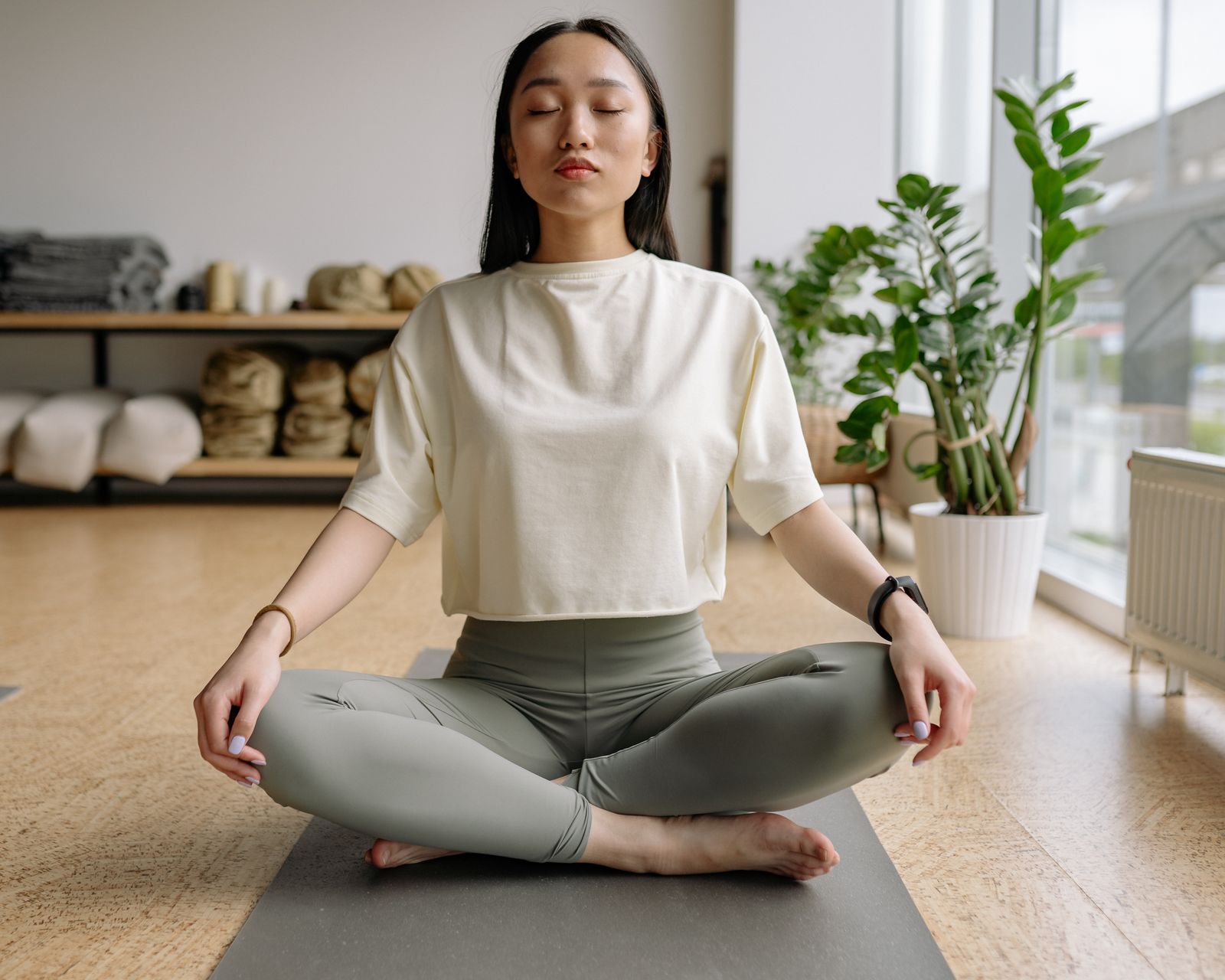
Start by sitting in a comfortable cross-legged position such as sukhasana or padmasana, keeping the spine tall and the shoulders relaxed. Rest your palms on your knees, close your eyes, and take two or three normal breaths to settle. Then begin the kriya itself:
- Inhale a natural, comfortable breath through the nose.
- Exhale sharply by pulling your navel firmly toward your spine, forcing air out through the nostrils in a quick, audible burst.
- Let the inhale happen passively and automatically as your abdominal muscles relax; do not force or control it.
- Repeat this cycle at a steady rhythm, aiming for roughly one exhalation per second once you’re comfortable with the pattern.
Beginners should start with a single round of 20 exhalations, rest for 15 to 20 seconds while breathing normally, then repeat for 2 to 3 rounds total. Over weeks of consistent practice, many practitioners build up to 50-100 exhalations per round, though speed and count should always come from consistency rather than strain. This progression mirrors how many yoga poses are built: slowly, with attention to form before intensity.
What Is the Correct Breathing Ratio and Rhythm?
The defining rhythm of kapalbhati is an active, forceful exhale followed by a passive, roughly equal-duration inhale, repeated in quick succession without pauses between rounds of breath. This is different from box breathing or ujjayi breathing, where both the inhale and exhale are consciously extended and controlled. In kapalbhati, the effort lives entirely in the exhale. If you find yourself straining to inhale or gasping for air, you’re likely working too fast for your current lung capacity; slow the pace down until the passive inhale genuinely feels effortless.
What Are the Benefits of Kapalbhati Kriya?
Regular practitioners and yoga teachers commonly report several benefits associated with kapalbhati, though it’s worth noting that much of this evidence is traditional and experiential rather than drawn from large clinical trials:
- Respiratory strengthening: the rapid contractions engage the diaphragm and abdominal muscles, which many teachers describe as building respiratory endurance over time.
- Mental alertness: the brisk pace and increased oxygen exchange are commonly cited as producing a feeling of mental clarity and reduced sluggishness, especially when practiced in the morning.
- Core engagement: the repeated navel-to-spine action works the deep abdominal muscles, which is why some practitioners pair it with core-focused sequences.
- Stress relief: like other structured breathing practices, kapalbhati is often used as a short reset before meditation or trataka meditation, helping settle a restless mind before stillness practices begin.
- Digestive stimulation: the abdominal pumping action is traditionally believed to stimulate digestive organs, which is one reason it’s typically practiced on an empty stomach.
Because claims about kapalbhati and specific medical outcomes vary widely across sources, treat any dramatic health claims with caution and view the practice primarily as a breath-training and focus-building tool rather than a treatment for disease.
How Is Kapalbhati Different From Bhastrika Pranayama?
Kapalbhati and bhastrika pranayama are often confused because both involve rapid, forceful breathing, but the mechanics differ in an important way. In kapalbhati, only the exhale is active and forceful; the inhale is entirely passive. In bhastrika, both the inhale and exhale are forceful and equally emphasized, making it a more vigorous and energetically demanding practice overall. If you’re new to rapid-breath techniques, kapalbhati is the gentler entry point, and mastering it first builds the core control needed before attempting bhastrika.
Who Should Avoid Kapalbhati Kriya?
Kapalbhati is a forceful practice that significantly increases intra-abdominal pressure and changes your breathing rhythm quickly, so it isn’t appropriate for everyone. People commonly advised to avoid or modify the practice include:
- Anyone who is pregnant
- People with high blood pressure or cardiovascular conditions
- People with glaucoma or other eye pressure conditions
- Anyone with a hernia or recent abdominal surgery
- People with epilepsy or a history of seizures
- Anyone recovering from recent surgery of any kind
People with asthma, chronic obstructive pulmonary disease, migraines, or acid reflux are often advised to proceed with extra caution and start with very short, slow rounds under the guidance of an experienced teacher. If you feel dizzy, lightheaded, nauseous, or notice chest discomfort at any point, stop immediately, return to normal breathing, and rest. When in doubt, check with a doctor before starting, particularly if you have any diagnosed heart, lung, or eye condition.
When Is the Best Time to Practice Kapalbhati?
Early morning, on a completely empty stomach, is the traditional and most practical time to practice kapalbhati kriya. A full or even partially full stomach makes the rapid abdominal contractions uncomfortable and can cause nausea. Many practitioners fold it into the start of a morning yoga routine, using it to wake up the body and mind before moving into asanas or seated meditation. Because of its energizing, stimulating effect, it’s generally not recommended right before bed, as it can make it harder to wind down and fall asleep.
What Mistakes Do Beginners Make With Kapalbhati?
The most common beginner mistake is confusing speed with effectiveness, rushing into fast, forceful rounds before the body has learned the pattern. This often leads to shallow, chest-based breathing instead of the deep abdominal pumping the technique requires. Other frequent errors include holding tension in the shoulders and face, forcing the inhale instead of letting it happen passively, practicing on a full stomach, and skipping the warm-up breaths that help the nervous system adjust before the rapid rounds begin. Slowing down, focusing on the navel-to-spine action, and building rounds gradually solves nearly all of these issues within a few practice sessions.
How Does Kapalbhati Fit Into the Six Shatkarma Kriyas?
Kapalbhati is one of six traditional cleansing techniques known collectively as the shatkarma kriyas, alongside practices like jal neti (nasal cleansing with water), dhauti (internal cleansing techniques), nauli (abdominal churning), basti (yogic enema techniques), and trataka (steady-gaze concentration practice). These six kriyas were traditionally taught as preparatory practices, meant to clear physical and energetic blockages before a student moved on to formal pranayama and meditation. Kapalbhati specifically targets the respiratory system and frontal brain region, which is where its “skull-shining” name comes from. Learning it alongside a practice like jal neti gives a fuller picture of how classical hatha yoga approached bodily purification long before modern wellness framed these as breathing exercises.
Can Kapalbhati Help With Weight Management?
Kapalbhati is frequently marketed as a weight-loss technique because of its vigorous abdominal engagement, and the repeated core contractions can tone the abdominal wall over time with consistent practice. However, it should not be viewed as a direct substitute for cardiovascular exercise or dietary changes when it comes to fat loss. Its real value here is more indirect: a consistent practice builds body awareness, core strength, and could support a broader wellness routine that includes movement, mindful eating, and a full yoga for weight loss sequence rather than replacing it entirely.
How Does Kapalbhati Compare to Simple Deep Breathing?
Ordinary deep breathing, sometimes called diaphragmatic or belly breathing, is slow, even, and calming by design, typically used to lower stress and activate the parasympathetic nervous system. Kapalbhati is the opposite in tempo and intention: it’s fast, forceful, and stimulating, designed to energize rather than relax. Both are valuable, but for different moments. If you need to calm down before sleep or reduce anxiety in the moment, slow diaphragmatic breathing or a practice like pranayama for anxiety is the better tool. If you need an energy boost before a workday or a yoga session, kapalbhati is more appropriate.
How Many Rounds and How Often Should You Practice?
A sustainable beginner structure looks like 2 to 3 rounds of 20 exhalations each, with a short rest of normal breathing between rounds, performed once daily in the morning. As comfort and lung capacity build over several weeks, rounds can be extended to 50 or more exhalations, and a second short session can be added later in the day if desired, provided it’s still on a relatively empty stomach. There’s no strong reason to rush this progression; the goal is a controlled, steady rhythm rather than a high number for its own sake. Pairing kapalbhati with a broader pranayama for beginners routine gives the practice more context and helps prevent overuse of any single technique.
Questions People Ask About Kapalbhati Kriya
Is Kapalbhati the Same as Pranayama?
Not exactly. Kapalbhati is technically classified as one of the shatkarma cleansing kriyas rather than a pure pranayama, though it’s commonly taught and practiced alongside pranayama techniques because of its breath-based format. Traditional texts separate cleansing kriyas from formal breath-control practices, even though modern yoga classes often blur this distinction.
How Long Should a Kapalbhati Session Last?
A typical beginner session lasts 3 to 5 minutes total, including 2 to 3 rounds of 20 exhalations with rest periods in between. Experienced practitioners may extend total practice time to 10 minutes, but longer isn’t automatically better; quality of technique and comfort should guide duration more than the clock.
Can Beginners Do Kapalbhati Every Day?
Yes, most healthy beginners can practice kapalbhati daily, ideally each morning on an empty stomach. Start with shorter, slower rounds and increase gradually over several weeks rather than jumping straight to high repetition counts, which reduces the risk of dizziness or strain.
Does Kapalbhati Help With Anxiety?
Kapalbhati is a stimulating, energizing practice, so it isn’t the first choice for calming acute anxiety in the moment. For anxiety relief, slower techniques like alternate nostril breathing tend to be more effective. Kapalbhati may still support long-term stress resilience as part of a consistent, varied breathing practice.
What Should You Feel After Practicing Kapalbhati?
Most people feel more alert, mentally clear, and slightly warmed up in the core and chest area after a session. Mild lightheadedness for a few seconds can happen, especially for beginners, and should pass quickly with normal breathing. Persistent dizziness, headache, or discomfort is a sign to stop and slow down next time.
Can You Do Kapalbhati Lying Down?
Kapalbhati is traditionally practiced seated with an erect spine, not lying down, because the upright posture supports the abdominal pumping action and diaphragm movement the technique relies on. Lying flat restricts this movement and makes the forceful exhalations far less effective and harder to control safely.
Try This for Yourself
Reading about kapalbhati only gets you so far; the rhythm, the pacing, and the feel of the passive inhale are things you learn through guided practice with real-time feedback on your form. If you want to build this into your routine safely and correctly, join an online yoga class with FitStrot and practice kapalbhati and other pranayama techniques with a certified instructor guiding your breath, pace, and posture in real time.
Related reading: Shatkarma Kriyas, Jal Neti, Trataka Meditation, Pranayama for Beginners, and FitStrot’s online yoga classes.