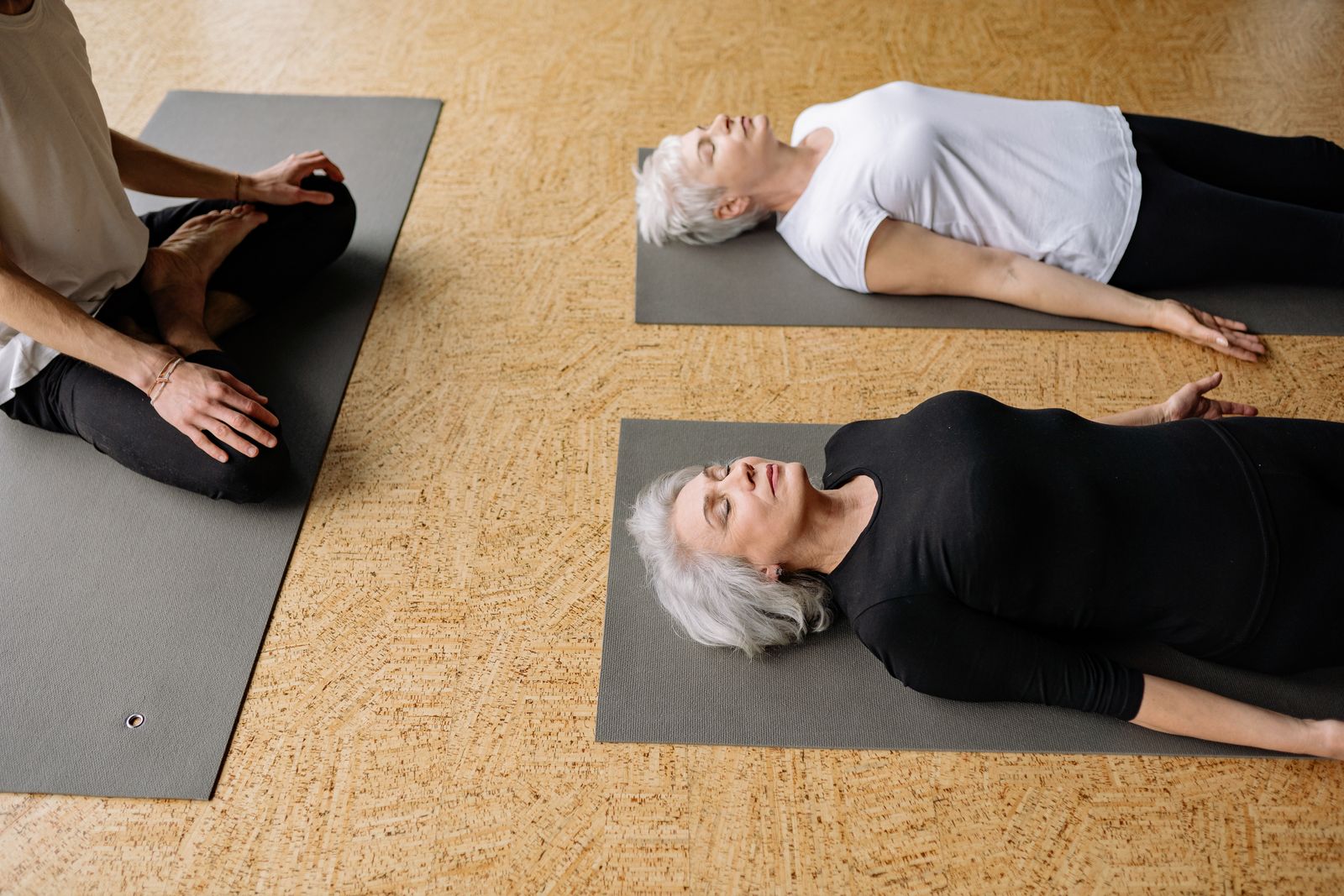
Shatkarma kriyas are six traditional Hatha Yoga cleansing techniques — Neti, Dhauti, Nauli, Basti, Kapalabhati, and Trataka — designed to purify the body’s internal systems before deeper pranayama and meditation practice. Each kriya targets a specific area: the nasal passages, digestive tract, abdominal organs, lower bowel, respiratory system, and eyes/mind. Rooted in classical texts like the Hatha Yoga Pradipika and the Gheranda Samhita, these practices are traditionally taught as preparatory steps that clear physical and energetic blockages so that breathwork and seated meditation become easier and steadier.
What Is Shatkarma in Yoga?
Shatkarma (also spelled shat kriya or shatkriya) literally means “six actions” in Sanskrit — “shat” for six and “karma” for action or practice. In the classical Hatha Yoga tradition, shatkarma refers to a set of purification techniques meant to clear out impurities, excess mucus, and toxins from the body’s internal channels before a student takes up serious pranayama (breath control) or dhyana (meditation). The underlying idea, described in texts such as the Hatha Yoga Pradipika, is that a body clogged with waste cannot hold breath or attention steadily, so cleansing comes first. Unlike asana, which shapes the body, or pranayama, which regulates breath, shatkarma is specifically about clearing pathways — nasal, digestive, and respiratory — so that later practices work more effectively. If you’re new to the broader practice, it helps to first understand the different types of yoga and where Hatha Yoga’s cleansing branch fits into that wider map.
What Are the Six Shatkarma Kriyas?
Each of the six classical shatkarma kriyas is assigned to a different bodily system, and traditional teachers often sequence them from the simplest and safest (Neti, Trataka) to the more advanced and physically demanding (Nauli, Basti). Together they form a complete internal cleansing system that predates modern wellness detox trends by many centuries and is still taught in Hatha Yoga teacher trainings today.
| Kriya | Target Area | What It Does |
|---|---|---|
| Neti | Nasal passages | Nasal cleansing, typically with saline water or a soft thread |
| Dhauti | Digestive tract | Cleanses the mouth, throat, and stomach |
| Nauli | Abdominal organs | Massages the organs via rolling, wave-like abdominal muscle contractions |
| Basti | Lower bowel | Cleanses the rectum and lower colon |
| Kapalabhati | Respiratory system | A forceful, rhythmic cleansing breath technique |
| Trataka | Eyes and mind | Concentrated, unblinking gazing to train focus |
How Does Neti Cleanse the Nasal Passages?
Neti is nasal irrigation, most commonly practiced today as Jala Neti (water cleansing) using a small vessel called a neti pot filled with lukewarm water and non-iodized salt. The saline solution is poured into one nostril and allowed to flow out the other, flushing mucus and dust from the nasal passages and sinuses. A second variation, Sutra Neti, uses a soft rubber or waxed cotton thread instead of water. Regular nasal irrigation is widely used outside of yoga circles too — ENT specialists commonly recommend saline nasal rinses for sinus congestion and allergy symptoms, which is one of the few shatkarma techniques with broad support in conventional medicine. For a full step-by-step walkthrough of the water-based method, see our dedicated guide on Jal Neti.
What Is Dhauti and How Is It Practiced?
Dhauti refers to a group of cleansing techniques aimed at the digestive tract, from the mouth down to the stomach. Classical texts describe several sub-types, including Vamana Dhauti (which uses warm salted water followed by controlled vomiting to clear the stomach), Vastra Dhauti (swallowing and slowly withdrawing a length of clean cloth), and Danta Dhauti (cleansing the teeth, tongue, ears, and sinus cavities). Because several Dhauti variations are physically intense and carry a real risk of injury or complication if done incorrectly, they are traditionally taught only under the direct, hands-on supervision of an experienced teacher, and are not something to self-teach from a video or article.
What Does Nauli Kriya Involve?
Nauli is an abdominal massage technique performed by standing with feet hip-width apart, bending forward slightly with hands braced on the thighs, exhaling fully, and then isolating and rolling the abdominal rectus muscles — first centrally, then to the left, then to the right, in a wave-like churning motion. It is considered one of the more advanced shatkarma practices because it requires significant control over the abdominal muscles and diaphragm, usually built up gradually through Uddiyana Bandha (abdominal lock) and Agnisar Kriya as preparatory steps. Traditionally, Nauli is believed to stimulate digestive fire and massage the abdominal organs, though this is a traditional claim rather than a clinically established one. It should be learned in person and avoided during pregnancy, menstruation, or with any abdominal or digestive condition.
What Is Basti and Why Is It Rarely Practiced Today?
Basti is a yogic technique for cleansing the lower bowel, traditionally performed either with water (Jala Basti) or through a dry contraction-based method (Sthala Basti) that draws water or air into the rectum using a suction-like abdominal action. Of all six shatkarmas, Basti is the least commonly taught in contemporary yoga studios, largely because it requires very precise technique, specialized guidance, and in some traditional forms, a hollow tube — making it impractical and potentially unsafe without a qualified teacher physically present. Most modern practitioners encounter Basti only as a concept during teacher training rather than as a technique they actually perform.
How Does Kapalabhati Kriya Work?
Kapalabhati translates roughly to “skull shining breath” and is both a shatkarma and a pranayama practice. It’s performed by taking a passive inhale and then delivering a sharp, forceful exhale through the nose by contracting the lower abdomen, in quick repeated rounds. The passive inhale happens naturally as the abdominal muscles release between exhales, and the technique is typically practiced in rounds of 20 to 30 breaths, building up gradually over weeks. Kapalabhati is thought to clear the nasal passages and sinuses, energize the nervous system, and warm up the respiratory system before seated pranayama or meditation. It’s generally not recommended during pregnancy or for people with high blood pressure, hernia, or recent abdominal surgery, so check with a doctor if any of those apply. For a complete breakdown of pacing, hand positions, and common mistakes, read our detailed guide to Kapalbhati Kriya.
What Is Trataka and How Does It Train the Mind?
Trataka is a concentration practice that involves steadily gazing at a single fixed point — most commonly a candle flame, but sometimes a black dot, a small object, or a distant point — without blinking, for as long as comfortably possible. When the eyes begin to water, the practitioner closes them and holds the after-image of the flame in the mind’s eye, which is considered the internal phase of the practice. Trataka is unique among the shatkarmas in that it targets the eyes and the mind rather than a digestive or respiratory organ, and it’s often taught as a bridge between the physical cleansing kriyas and formal meditation practice. Because it trains sustained, single-pointed attention, many teachers introduce it early to students who are also building a Trataka meditation practice as a standalone concentration tool, independent of the other shatkarmas.

What Are the Benefits of Practicing Shatkarma?
Traditional yogic texts describe shatkarma as removing excess mucus (kapha), bile (pitta), and wind (vata) so the body’s channels, or nadis, run clear. In more practical, everyday terms, practitioners commonly report clearer sinuses and easier nasal breathing after Neti, better digestive comfort after appropriate Dhauti or Nauli practice, and calmer, more focused attention after Trataka and Kapalabhati. Some of these effects — particularly the sinus-clearing benefit of saline nasal rinsing — are also recognized in conventional medical guidance, while others, like the traditional claims around digestive fire and energy channels, remain part of yogic theory rather than established clinical findings. It’s reasonable to approach shatkarma as a practice that supports general wellbeing and mental clarity, without treating it as a substitute for medical care.
How Does Shatkarma Fit Into a Complete Yoga Practice?
In the traditional Hatha Yoga model outlined in texts like the Hatha Yoga Pradipika, shatkarma is the first of several preparatory stages, followed by asana (postures), pranayama (breath control), and then the more internal limbs of meditation. The logic is sequential: a body free of excess mucus and digestive sluggishness holds postures more comfortably, breathes more freely during pranayama, and sits still more easily during meditation. This is why many teacher-training programs introduce shatkarma early, often alongside foundational yoga poses and basic breathing work, rather than treating it as an advanced or optional add-on. Understanding the broader benefits of yoga as an integrated system makes it easier to see why cleansing, movement, and breath are taught together rather than in isolation.
What Is Shatkarma Yoga in Hindi Terminology?
In Hindi and Sanskrit-based yogic terminology, shatkarma is often written as “षट्कर्म” and referred to as “shat kriya” (छह क्रियाएं, “six actions/practices”). The individual kriyas keep their Sanskrit names in Hindi as well: नेति (Neti), धौति (Dhauti), नौलि (Nauli), बस्ति (Basti), कपालभाति (Kapalabhati), and त्राटक (Trataka). These terms are used consistently across Hindi-language yoga teaching in India, from traditional gurukul-style instruction to modern yoga teacher training programs, and understanding them can help practitioners follow instruction more precisely when learning from Hindi-speaking teachers or original Sanskrit source texts.
Is Shatkarma Safe for Beginners?
Some shatkarma kriyas are appropriate for careful beginner practice, while others are not:
- Beginner-friendly: Jala Neti and gentle Trataka are generally considered accessible starting points and are commonly taught in beginner-friendly workshops.
- Introduce gradually: Kapalabhati should be introduced slowly, in small rounds, and avoided by anyone who is pregnant or has high blood pressure, glaucoma, or a hernia.
- Teacher-supervised only: Nauli, Basti, and the more intense Dhauti variations are physically demanding, technique-sensitive, and should only be learned directly from a qualified, experienced teacher who can observe your form and adjust as needed — not from an article or video alone.
If you have any digestive, respiratory, cardiovascular, or eye condition, or if you are pregnant, check with a doctor before beginning any shatkarma practice.
How Often Should You Practice Shatkarma Kriyas?
Traditional guidance varies by kriya. Jala Neti can be practiced daily, especially during allergy season or when living in a dusty or polluted environment, and many people who do it regularly treat it like brushing their teeth — a quick daily hygiene habit. Kapalabhati is often practiced a few times a week as part of a pranayama routine, building from short rounds toward longer ones over weeks and months. Nauli and Basti are typically practiced only under a teacher’s guidance and not as unsupervised daily home practices, given their technical difficulty. As with any new practice, starting slowly and paying attention to how your body responds matters more than rushing toward a fixed daily quota.
What Equipment Do You Need to Get Started?
For Jala Neti, you need a neti pot (ceramic, plastic, or metal) and non-iodized salt to mix with lukewarm, clean water. For Trataka, all you need is a steady candle in a draft-free room, though some practitioners use a small dot drawn on paper as an alternative focal point. Kapalabhati requires no equipment at all, just a comfortable seated position with a straight spine. Because Nauli, Basti, and several Dhauti variations are technique-heavy and, in some cases, require specialized tools or direct physical guidance, they’re best learned in a workshop or teacher-training setting rather than attempted solo with household items.
Questions People Ask About Shatkarma Kriyas
What does shatkarma mean in yoga?
Shatkarma means “six actions” in Sanskrit and refers to six traditional Hatha Yoga cleansing techniques — Neti, Dhauti, Nauli, Basti, Kapalabhati, and Trataka. Each targets a different part of the body, from the nasal passages to the digestive tract to the eyes and mind, and the practices are traditionally done before pranayama and meditation to clear physical blockages.
Which shatkarma is best for beginners?
Jala Neti (saline nasal rinsing) and gentle Trataka (candle gazing) are generally the most beginner-friendly shatkarma kriyas, since they carry lower physical risk and don’t require advanced abdominal control. Kapalabhati can also be introduced slowly in small rounds, while Nauli, Basti, and intense Dhauti variations should wait until you have direct guidance from an experienced teacher.
Can shatkarma be practiced at home without a teacher?
Neti and Trataka can generally be practiced safely at home with basic instruction, since the technique and risk profile are straightforward. Kapalabhati is also commonly self-practiced in moderation. However, Nauli, Basti, and several Dhauti variations involve more complex, technique-sensitive movements and are best learned in person from a qualified teacher who can check your form.
Is shatkarma the same as pranayama?
No. Shatkarma refers to cleansing techniques that prepare the body’s channels and organs, while pranayama refers specifically to breath control and regulation practices. Kapalabhati sits at the overlap of both categories — it’s classified as one of the six shatkarmas and is also practiced as a pranayama technique — but the two categories serve different primary purposes in the traditional Hatha Yoga sequence.
How long does it take to learn all six shatkarma kriyas?
There’s no fixed timeline, since each kriya has a different learning curve. Neti and Trataka can typically be learned in a single guided session and refined over a few weeks of practice. Kapalabhati often takes several weeks of gradual round-building. Nauli and Basti can take months of consistent guided practice to perform safely and effectively, which is why they’re usually taught progressively within a longer teacher-training or dedicated course format.
Try This for Yourself
Shatkarma is easiest to learn correctly with real-time feedback from an experienced teacher who can watch your technique and pace your progress safely. If you’d like structured, guided instruction that builds from foundational breathing and asana work toward more advanced practices, explore FitStrot’s online yoga classes and start building a safe, well-sequenced practice with expert guidance.
Related reading: Kapalbhati Kriya, Jal Neti, Trataka Meditation, Pranayama Breathing Techniques, and FitStrot’s online yoga classes.