If your knees ache going down stairs or your fingers feel stiff in the morning, nutrition can genuinely help — but not in the way most supplement marketing suggests. The strongest, best-documented lever isn’t a pill; it’s an eating pattern that lowers systemic inflammation, paired with modest weight loss that reduces the mechanical load on your joints. Glucosamine and chondroitin have a weaker evidence base than their sales numbers imply, collagen shows some promise but needs more independent research, and turmeric’s anti-inflammatory potential is real but hampered by poor absorption unless it’s formulated correctly. Here’s what the evidence actually says.
What does the research say about anti-inflammatory eating for joints?
Of everything covered here, the anti-inflammatory diet pattern has the most consistent evidence behind it — particularly for rheumatoid arthritis (RA), an autoimmune condition, and to a somewhat lesser but still meaningful degree for osteoarthritis (OA), the wear-and-tear type most people mean when they say “joint pain.”
A randomized controlled trial testing a Mediterranean-style diet in people with RA found significant improvement in disease activity after 12 weeks — an effect roughly one-third the magnitude seen in methotrexate trials, notable for a dietary intervention, though obviously not a replacement for medication. A separate meta-analysis found moderate-strength evidence for reduced pain and disease activity with anti-inflammatory diets in RA patients. For osteoarthritis, an observational study tracking more than 4,000 participants found that people who followed a Mediterranean-style diet more closely were less likely to develop joint problems, with less arthritis-related pain and disability overall.
The mechanism isn’t mysterious: diets built around vegetables, fruit, legumes, whole grains, olive oil, and fatty fish — with less red and processed meat — measurably lower inflammatory markers like CRP and IL-6. This pattern pairs naturally with a broader nutrition for weight loss approach, since it favors fiber and healthy fats over ultra-processed calories. None of this means diet cures arthritis — it’s a legitimate, evidence-supported piece of a joint health plan your doctor or a registered dietitian can help you build around whatever treatment you’re already on.
Do omega-3 fatty acids actually help joint pain?
Omega-3s have some of the better-quality evidence among individual nutrients studied for joint health, specifically in rheumatoid arthritis. A meta-analysis of 16 studies covering 813 participants found that omega-3 supplementation significantly reduced RA pain, with relief noticeable at one month and improving further by six months. An earlier review of 22 studies involving 956 participants, cited by the NIH’s National Center for Complementary and Integrative Health (NCCIH), similarly found a favorable effect on pain, plus reductions in morning stiffness, tender joint counts, and NSAID use. That’s a meaningfully different picture than osteoarthritis, where omega-3 research is thinner — the anti-inflammatory benefit appears strongest for autoimmune joint conditions rather than mechanical wear-and-tear.
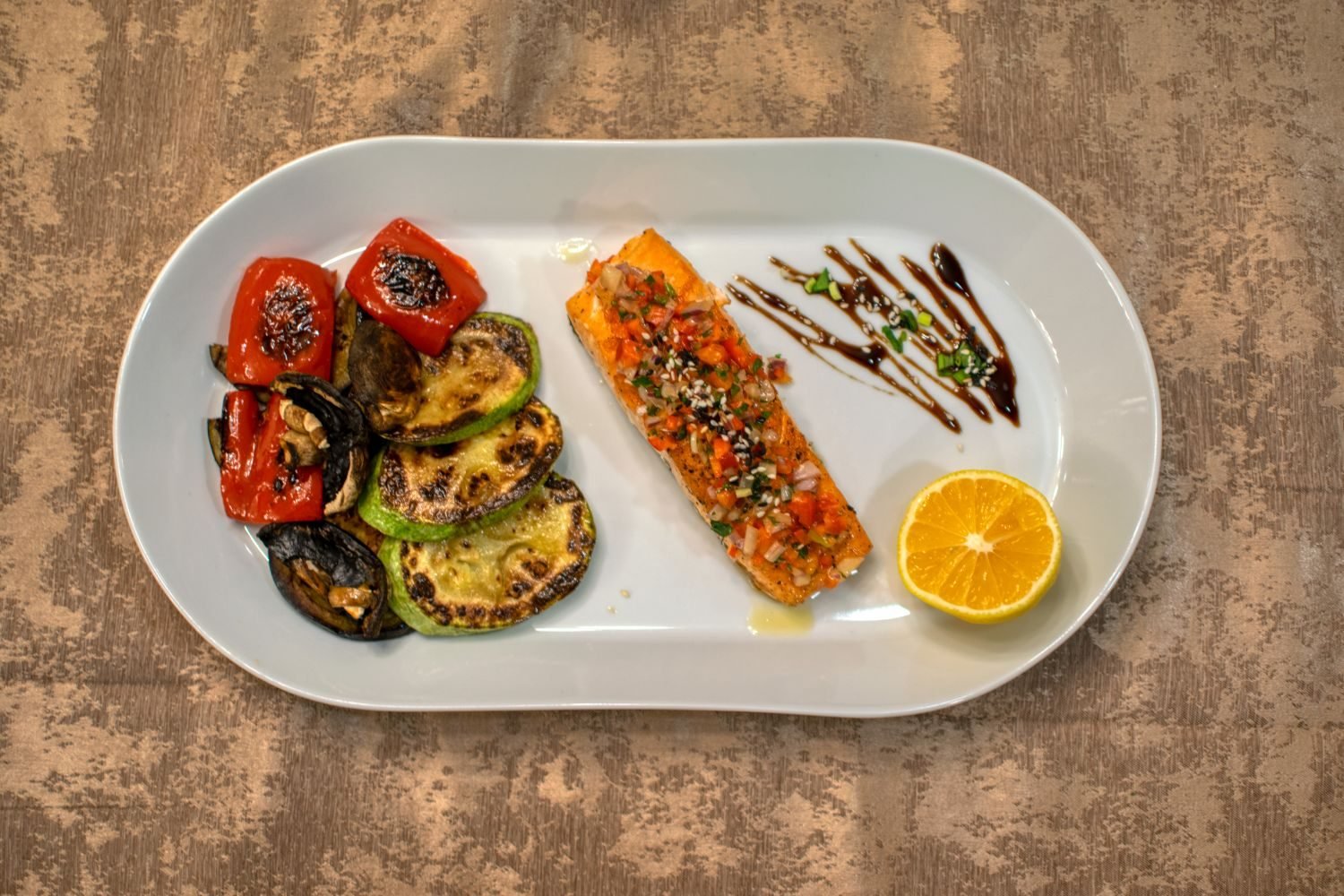
Food sources — fatty fish like salmon, mackerel, and sardines, plus walnuts and flaxseed — are generally preferred over supplements as a first step, both for cost and because whole foods bring other nutrients along with them. Our omega-3 nutrition guide covers sourcing and dosing in more depth. Loop in your doctor before adding high-dose fish oil, especially if you’re on blood thinners.
Do glucosamine and chondroitin actually work?
This is where a lot of assumptions and the actual evidence diverge. Glucosamine and chondroitin are among the most widely purchased joint supplements globally, but systematic reviews — including analyses incorporating Cochrane-level evidence — have generally concluded they don’t provide clinically meaningful benefit for knee or hip osteoarthritis against placebo. The picture is more nuanced than a flat “doesn’t work,” though: some analyses found glucosamine had a significant but narrow effect on stiffness, while chondroitin showed some benefit for pain and function in certain trials. The combination — the most common way they’re sold — hasn’t consistently outperformed placebo in higher-quality trials, and research overall is inconsistent enough that major reviews stop short of recommending them.
The reassuring part: both are considered generally safe, with adverse event rates similar to placebo. If you’ve been taking them and feel they help, there’s little reason to stop. But if you’re deciding whether to start, know you’re looking at mixed, underwhelming trial data — your money might do more spent on food quality or weight management.
What about collagen supplements?
Collagen is a newer entrant to the joint-supplement conversation, and the evidence, while still limited, is somewhat more encouraging than for glucosamine/chondroitin. Several randomized, placebo-controlled trials on hydrolyzed collagen and collagen peptides have reported reduced pain scores and improved function in people with knee osteoarthritis, including one noting reduced inflammatory markers alongside symptom improvement over six months. Trials in active adults with activity-related joint discomfort show similar modest benefits.
The caveats matter, though. A systematic review of collagen hydrolysate research flagged significant heterogeneity across studies — different collagen types, doses from 3,000 to 10,000 mg daily, and inconsistent outcome measures — making it hard to say “collagen works” versus “specific formulations at specific doses showed benefit in specific trials.” Many favorable studies were also industry-funded, which doesn’t invalidate findings but calls for caution until independent research replicates them. Bottom line: collagen is a low-risk option with promising-but-not-conclusive evidence — a fair middle ground between “proven treatment” and “waste of money.”
Is turmeric or curcumin worth trying?
Turmeric’s active compound, curcumin, has genuine anti-inflammatory properties in laboratory and clinical research, and multiple randomized controlled trials in knee osteoarthritis have found it reduces pain and improves function — in some trials, comparably to NSAIDs. That’s a legitimately strong signal, but the catch is bioavailability. Curcumin alone is poorly absorbed and rapidly cleared, so sprinkling turmeric on food or taking a plain curcumin capsule delivers very little into your bloodstream. The trials showing benefit almost universally used enhanced-absorption formulations — curcumin combined with black pepper extract (piperine), or specialized phytosome forms — which increase absorption dramatically over standard curcumin powder. If you try it, formulation matters more than the word “turmeric” on the label. NCCIH notes it’s generally safe at typical doses but can interact with blood thinners, so check with your doctor first.
How much does weight loss actually reduce joint load?
Of every intervention covered here, this has the most unambiguous, mechanically well-established evidence — particularly for the knees. A landmark Wake Forest University study measured knee-joint compressive forces in overweight and obese older adults with knee osteoarthritis and found that for every pound of weight lost, knee-joint load dropped by roughly four pounds per step. Multiplied across a day’s steps, researchers calculated that losing just one pound eliminates over 4,800 pounds of cumulative pressure on the knee per mile walked. A 15-pound loss, by that math, removes roughly 60 pounds of force from the knee with every step.
This is a straightforward physics-plus-biology story, not a contested one: less mass moving through the joint means less compressive and shear force on cartilage with every stride, stair, or squat. It’s also one of the few joint interventions where evidence is consistent across body types — the benefit scales with the amount lost, and even modest reductions of 5-10% of body weight are associated with measurable improvements in pain and function in knee osteoarthritis studies.
An approach built around sustainable nutrition and fat loss principles — rather than aggressive short-term dieting — tends to preserve muscle mass around the joint, which matters for stability. Our BMI and nutrition guide covers how body composition relates to joint health risk, with the usual caveat that BMI is a screening tool, not a diagnosis.

Which foods might be making joint inflammation worse?
If the anti-inflammatory diet pattern helps, its mirror image plausibly hurts. Diets high in ultra-processed foods, refined carbohydrates, and added sugar are consistently associated with higher inflammatory markers in observational research, and these same patterns tend to drive the weight gain that mechanically stresses joints in the first place — a double hit for people already managing joint pain. A few categories worth watching:
- Added sugars and sugar-sweetened beverages — linked to elevated inflammatory markers and to weight gain, which compounds joint load.
- Ultra-processed foods generally — packaged snacks, fast food, and heavily refined products are associated with higher CRP and other inflammation markers in population studies, likely from a combination of refined carbs, processing oils, and low fiber content.
- Refined carbohydrates (white bread, pastries, sugary cereals) — cause blood sugar spikes some research links to increased inflammatory signaling over time.
- Excess red and processed meat — the Mediterranean-diet trials showing joint benefit specifically involved reducing these in favor of fish, legumes, and plant proteins.
The honest caveat: much of this evidence is observational rather than from controlled trials, so “associated with” is more accurate than “causes.” Still, swapping ultra-processed convenience foods for whole-food alternatives is a low-risk change with plausible joint benefit and clear benefits for weight management either way.
How does joint nutrition change as you get older?
Joint cartilage naturally thins with age, and older adults tend to lose muscle mass (sarcopenia), which reduces the shock-absorbing support around joints like the knees and hips. This is one reason nutrition guidance for older adults emphasizes adequate protein alongside anti-inflammatory eating — muscle isn’t just about strength, it’s part of how load gets distributed away from cartilage. Our geriatric nutrition guide covers protein targets and age-specific considerations. Older adults are also more likely managing joint pain alongside other conditions, which makes a one-size-fits-all supplement approach less appropriate; what’s safe for a 35-year-old with mild soreness may not suit a 70-year-old on multiple medications.
Frequently Asked Questions
Can diet alone cure arthritis or joint pain?
No. Diet can meaningfully reduce inflammation and, through weight management, reduce mechanical joint stress — but there’s no dietary cure for osteoarthritis or rheumatoid arthritis. Nutrition works best as one part of a broader plan that includes medical treatment and movement, guided by your doctor or a rheumatologist.
How long does it take to see joint benefits from an anti-inflammatory diet?
In the RA trial showing significant improvement, benefits emerged around 12 weeks. Omega-3 research shows pain relief starting around one month and continuing to improve through six months. Consistency matters more than any single meal — it’s a gradual shift, not a quick fix.
Are glucosamine and chondroitin safe to keep taking even if evidence is mixed?
Generally yes — safety data shows adverse event rates similar to placebo. The concern isn’t safety, it’s whether they’re worth the cost given inconsistent efficacy evidence. If you have diabetes or take blood thinners, check with your doctor first, since glucosamine may affect blood sugar.
Should I see a doctor before starting joint supplements?
Yes, especially with a diagnosed joint condition, medication use, or pregnancy. A doctor or rheumatologist can rule out other causes of joint pain, check for interactions, and help you weigh supplement evidence against your specific situation.
Does losing weight help joint pain even if I’m not significantly overweight?
The clearest research is in people who are overweight or obese with knee osteoarthritis, where even modest loss produces outsized load reduction. If you’re already at a healthy weight, the bigger levers are likely the anti-inflammatory eating pattern and adequate protein rather than further weight loss.
Joint nutrition isn’t about chasing a single miracle supplement — it’s a combination of an anti-inflammatory eating pattern, sensible weight management, and realistic expectations about what supplements can and can’t do. If you’re dealing with ongoing joint pain, the first call should be to your doctor or a rheumatologist to rule out underlying conditions and build a treatment plan; nutrition works best alongside that care, not instead of it. For help translating this into a personalized eating plan, our online nutritionist consultation can walk through your specific situation.