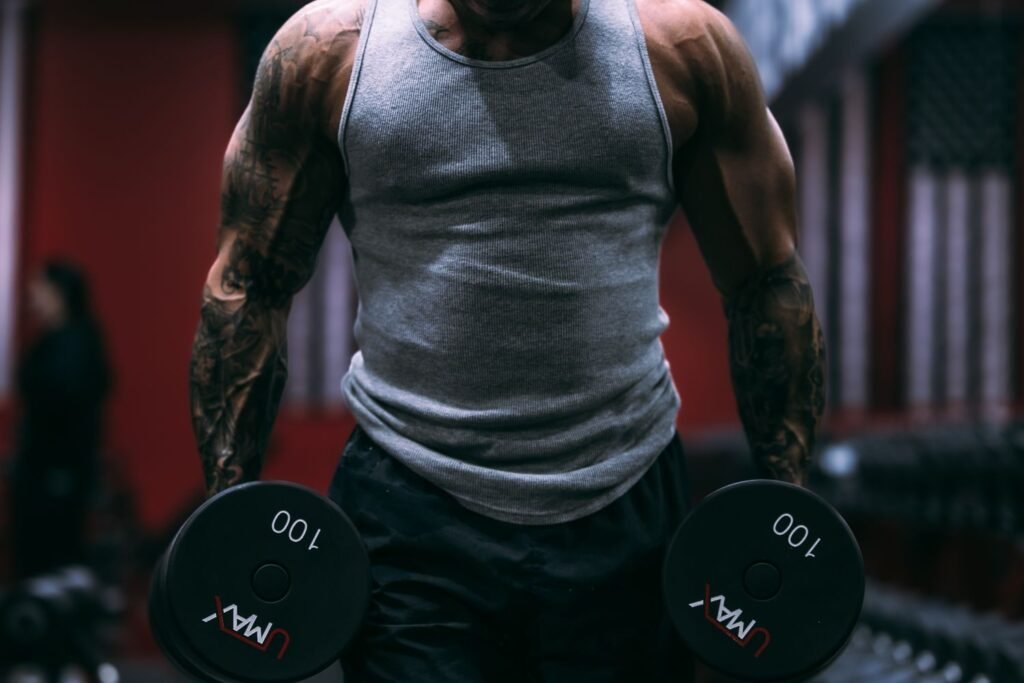
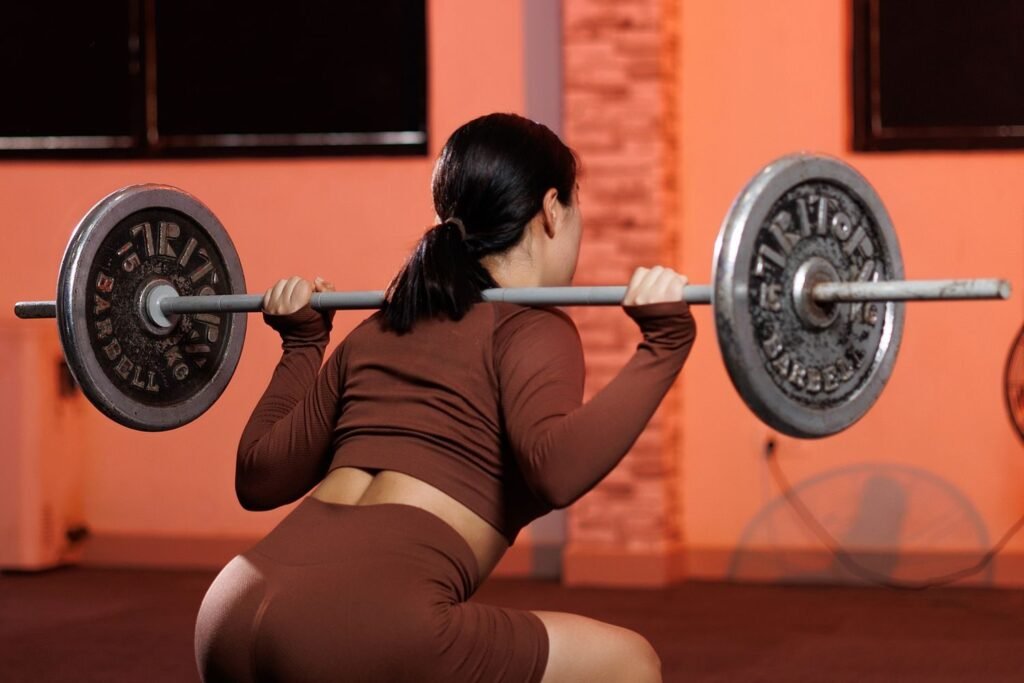
A good female home workout plan combines resistance training three to four times a week, uses whatever equipment is on hand (bodyweight, dumbbells, or resistance bands), and follows a structured split that hits the full body without needing a gym. At FitStrot, we build these plans around strength first, because muscle is what changes body composition long term, not endless cardio. The best plans progress week to week, take 30 to 45 minutes, and fit around a woman’s actual schedule instead of an idealized one. Below is the exact framework we use with our 1-on-1 clients, plus a real weekly template you can start with today.
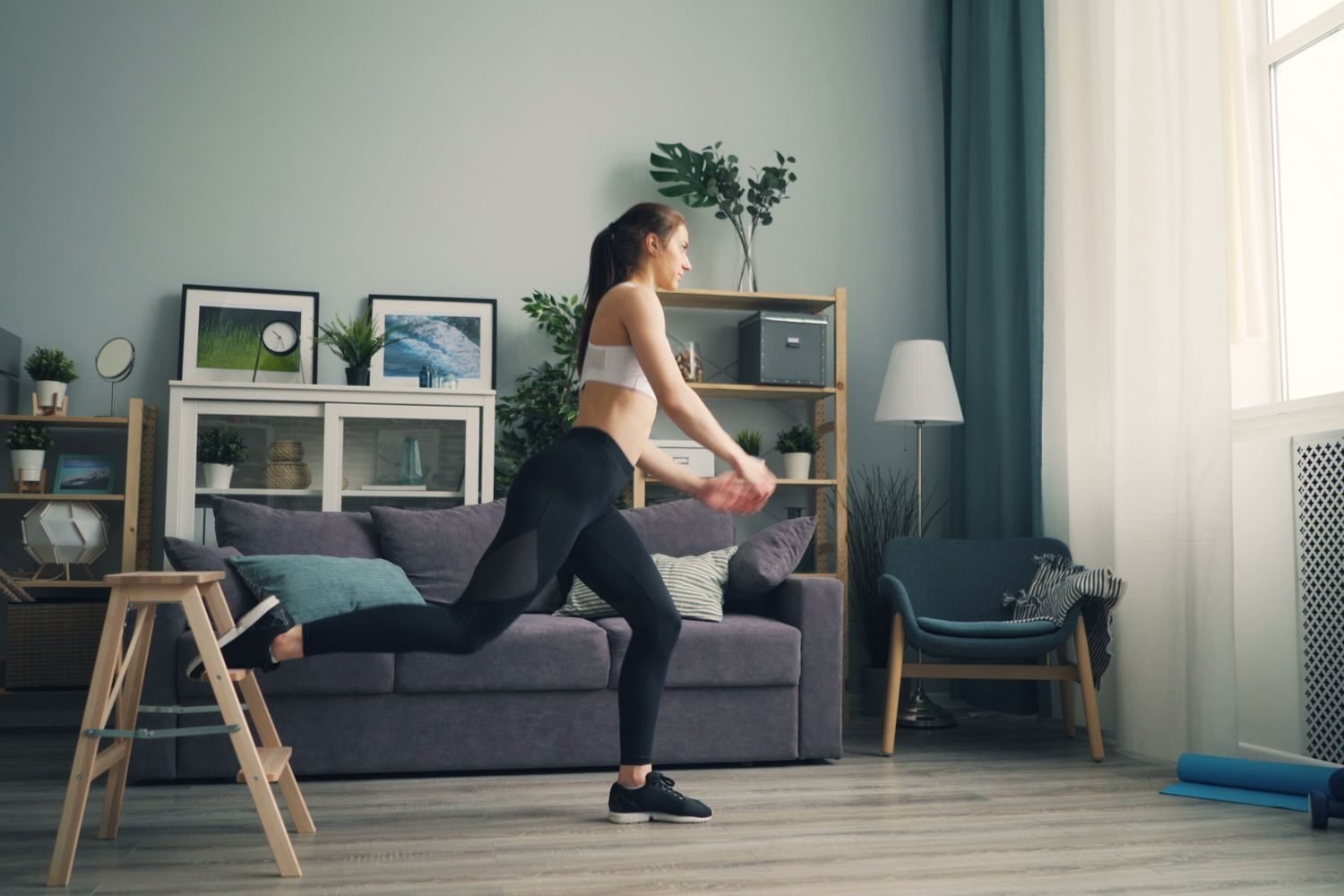
What Makes a Home Workout Plan Actually Work for Women?
Most home workout plans fail for one simple reason: they’re built around motivation instead of structure. A plan that depends on feeling energetic every day falls apart by week two. We build our plans around a fixed weekly rhythm, a small number of exercises done well, and progressive overload, meaning you add reps, sets, or resistance over time instead of repeating the same routine at the same intensity forever.
For women specifically, we also correct a common bias in generic fitness content: the assumption that “toning” means light weights and high reps. That’s outdated. Strength training with real resistance builds lean muscle, improves bone density, and changes how your body looks far more effectively than an hour of cardio ever will. If you want the fuller picture on how we structure training without a gym, our home workout guide covers the foundational principles we apply across every client plan, male or female.
Do You Need Equipment for a Female Home Workout Plan?
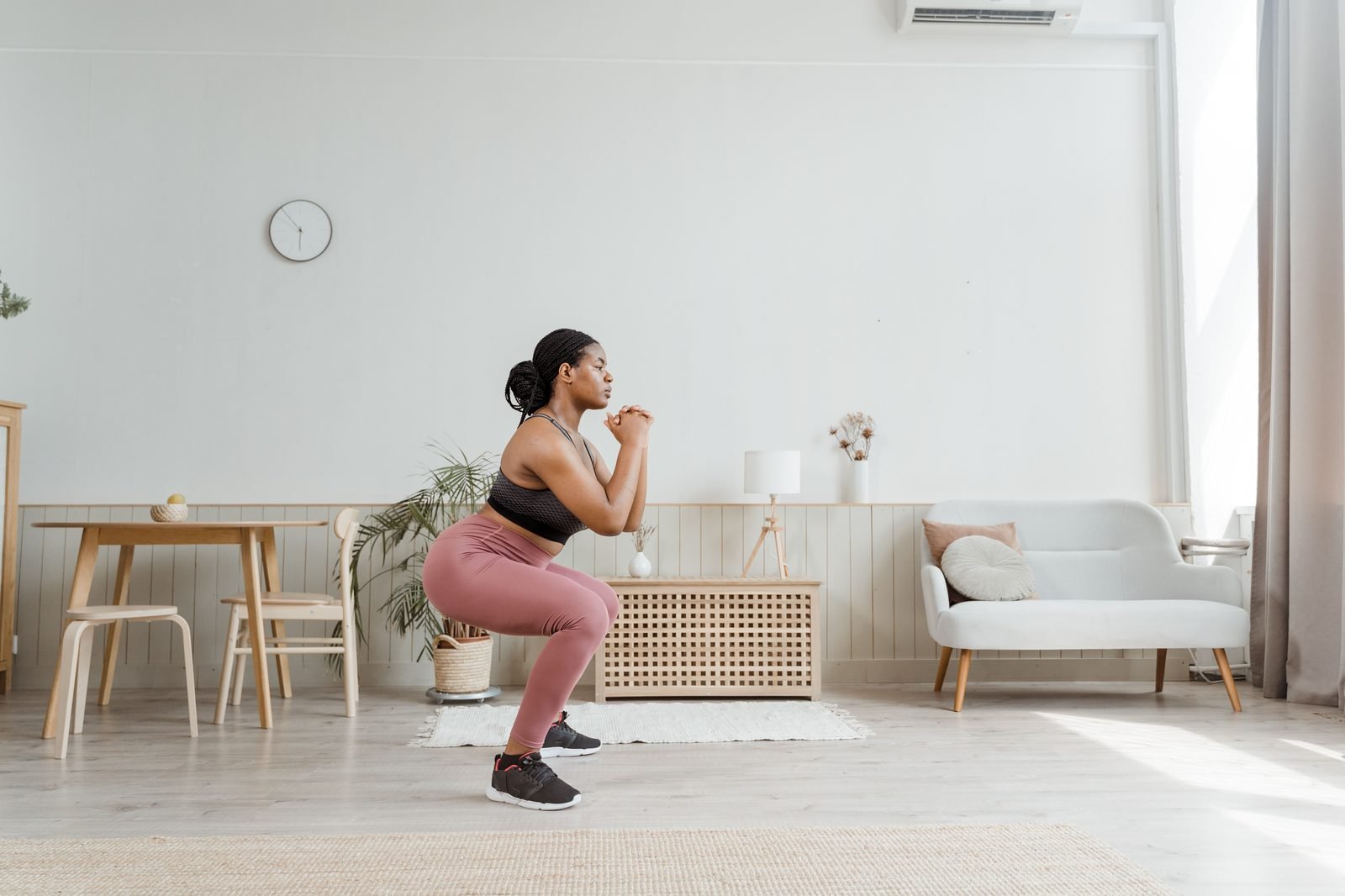
No, but it helps. You can build a genuinely effective plan with just bodyweight movements, especially in the first few months. These five moves alone will take most beginners a long way:
- Squats
- Lunges
- Push-ups
- Glute bridges
- Planks
Where equipment becomes useful is progression. Once bodyweight squats stop being challenging, you need external resistance to keep building strength, and that’s where a pair of adjustable dumbbells earns its space in your living room.
We usually recommend two to three dumbbell weights (light, medium, heavy) as the single best investment for a home setup. A resistance band or two adds variety for glute and back work. If you’re deciding what to actually buy and how to structure sessions around it, our home dumbbell workout article breaks down rep ranges and exercise selection in detail.
How Many Days a Week Should Women Train at Home?
Three to four days is the sweet spot for most women, especially if you’re combining strength work with some walking or light cardio on off days. Two days can maintain fitness but won’t drive much progress. Five or six days tends to backfire for people training at home without a coach checking form, because recovery gets skipped and fatigue builds quietly until motivation collapses.
We structure most client plans around four sessions: two lower body focused, one upper body, and one full body or conditioning day. That split hits every major muscle group twice a week, which research on hypertrophy consistently supports as more effective than training each muscle group once.
What Does a Real Weekly Plan Look Like?
Here’s a sample four-day plan we’d give a beginner to intermediate client with a set of dumbbells and a resistance band. Adjust reps and rest as your fitness improves.
| Day | Focus | Key Exercises |
|---|---|---|
| Monday | Lower Body Strength | Goblet squats, Romanian deadlifts, walking lunges, glute bridges |
| Tuesday | Upper Body Push/Pull | Push-ups, dumbbell rows, shoulder presses, band pull-aparts |
| Wednesday | Active Recovery | Brisk walk, mobility flow, core circuit (planks, dead bugs) |
| Thursday | Lower Body + Glutes | Bulgarian split squats, hip thrusts, lateral band walks, calf raises |
| Friday | Full Body Conditioning | Dumbbell thrusters, renegade rows, mountain climbers, burpees |
| Saturday | Optional light cardio | 30 to 40 minute walk or cycling |
| Sunday | Rest | Full rest or gentle stretching |
Sets and reps typically run 3 sets of 10 to 15 reps for strength days, resting 45 to 60 seconds between sets. As you get stronger, we add a fourth set or increase load rather than adding more exercises, since more isn’t usually better in a home setting where recovery and consistency matter more than volume.
How Is a Female Home Workout Plan Different From a Men’s Program?
The exercises overlap a lot more than people expect. Squats, presses, and rows work the same way regardless of who’s doing them. Where the plans genuinely differ is emphasis and loading pattern. We typically program more volume for glutes, hips, and posterior chain for female clients, partly by preference and partly because it addresses common postural and strength imbalances we see from years of sitting or under-training the lower body.
Rep ranges and recovery windows also get adjusted based on individual goals and menstrual cycle awareness, something most generic programs ignore entirely. If you want to see how the male-focused version compares, our workout plan for men article lays out the contrast in structure and intensity.
Can You Build Muscle With a Home Workout Plan?
Yes, absolutely, and this is where we take a firm stance against the myth that you need a gym to get stronger. Muscle growth happens when you progressively challenge a muscle beyond what it’s used to, and dumbbells, bands, and bodyweight can all provide that stimulus. What limits home training isn’t the equipment, it’s usually the lack of a progression plan. People do the same 10 push-ups for six months and wonder why nothing changes.
We see clients make faster progress in the first three months at home than they ever did with an unstructured gym membership, simply because someone is tracking their numbers and pushing them to add resistance every couple of weeks. Consistency plus progression beats a fancy facility with no plan behind it.
How Do You Stay Consistent Without a Trainer Watching You?
Accountability is the real gap in most home fitness journeys, not knowledge. You can find exercise lists anywhere online. What’s harder to find on your own is someone correcting your form, adjusting the plan when life gets busy, and keeping you honest about progression week to week. That’s the exact gap we built FitStrot to close.
Yash Pathak, our founder, has spent ten years coaching clients through exactly this problem, and our coaches apply that same approach to every person we train: build the plan around your life, not the other way around. If you’d rather have a coach design and adjust your program in real time instead of guessing, our 1-on-1 personal training service pairs you with a dedicated coach who tracks your sessions, corrects form over video, and updates your plan as you get stronger.
Frequently Asked Questions
What is a good home workout plan for women?
A good plan trains the full body three to four times a week, prioritizes strength over endless cardio, and progresses over time by adding reps, sets, or weight. It should include lower body, upper body, and core work each week, with at least one rest or active recovery day built in for proper muscle repair.
Do you need equipment for a female home workout plan?
Not at the start. Bodyweight exercises like squats, lunges, and push-ups work well for beginners. As you get stronger, a set of dumbbells or resistance bands becomes useful for continued progress, since bodyweight alone eventually stops providing enough resistance to keep building strength and muscle.
How many days a week should women work out at home?
Three to four days a week works best for most women balancing training with a job or family. This allows enough frequency to build strength and consistency while leaving room for recovery. Training every day without proper rest usually leads to burnout or injury, especially without a coach monitoring form and fatigue.
Can you build muscle with a home workout plan?
Yes. Muscle growth depends on progressive overload, not the location you train in. Dumbbells, resistance bands, and bodyweight exercises can all build muscle effectively when the difficulty increases over time. What matters most is consistency and a structured plan, not access to gym machines.
Is it okay to train at home if you’re a complete beginner?
Yes, home training is often easier for beginners since it removes the intimidation factor of a crowded gym. Start with simpler movements, focus on form before adding weight, and increase difficulty gradually. A structured plan or a coach reviewing your technique early on helps prevent bad habits from forming.