If you’ve been diagnosed with heart disease — a recent heart attack, heart failure, or known coronary artery disease — the single most useful shift is moving from general “eat healthy” advice to a stricter, individualized plan: keep sodium under 1,500 mg a day (not the 2,300 mg ceiling for the general population), build meals around a DASH or Mediterranean pattern, and, if you have heart failure, follow your care team’s specific guidance on fluid intake rather than a one-size-fits-all number. Eating to protect a heart that’s already been damaged, or is already working harder than it should, requires tighter margins and closer coordination with your cardiologist or a registered dietitian.
This guide covers what changes after a diagnosis, why the numbers get stricter, and how to actually live with these changes — at home, at restaurants, and on the harder days.

How is eating with heart disease different from general heart-healthy eating?
General prevention advice — aimed at someone with no diagnosis trying to lower their risk — tends to use softer targets. Someone actively managing heart disease usually works with tighter numbers because the heart muscle, arteries, or valves have already sustained damage or are under diagnosed strain.
The most concrete difference is sodium. AHA general population guidance caps sodium at 2,300 mg per day, with an “ideal limit” of 1,500 mg for most adults. For people who already have cardiovascular disease, that 1,500 mg/day ceiling stops being aspirational and becomes the actual target, according to guidance highlighted by the American College of Cardiology — roughly two-thirds of a teaspoon of salt for an entire day, counting everything.
The second difference is monitoring. Someone with heart failure may need to weigh themselves daily, log fluid intake, and watch for swelling, since diet decisions have faster, more visible consequences. For a broader foundation, our heart-healthy diet plan is a useful starting reference — just know your targets will likely be stricter with a diagnosis.
What does sodium restriction actually look like after a heart disease diagnosis?
Cutting to 1,500 mg a day sounds abstract until you realize where sodium actually lives: not in your salt shaker, but in packaged, canned, and restaurant food. A fast-food sandwich can carry 1,000 mg or more; a can of regular soup can hold 700-900 mg per serving. Deli meat, bread, and cheese — foods that don’t taste “salty” — are often the biggest daily contributors simply because of how often people eat them.
Practical ways to hit the 1,500 mg target
- Read labels for sodium per serving, not just total. A product can look reasonable until the package turns out to hold three servings.
- Cook more meals at home, where you control the salt — restaurant and packaged foods account for most sodium in typical diets.
- Rinse canned beans and vegetables under water for a few seconds to cut sodium meaningfully.
- Choose “no salt added” or “low sodium” versions of canned goods, broths, and condiments.
- Season with acid and herbs — lemon juice, vinegar, garlic, and salt-free spice blends replace much of the flavor.
If you’re rebuilding your pantry around this target, our low-sodium diet plan and food list breaks down specific swaps you can start making this week.
Do heart disease patients need to restrict fluids?
Not everyone with heart disease needs to limit fluids — this is specific to heart failure, and even then, it’s not universal. This is one of the most misunderstood parts of cardiac nutrition, so it’s worth being precise.
According to a 2024 clinical consensus statement from the Heart Failure Association of the European Society of Cardiology, fluid restriction of roughly 1.5 to 2 liters a day should be considered only in select heart failure patients, not applied as a blanket rule. Normal, unrestricted fluid intake for most adults falls between 1.5 and 2.5 liters a day. The reasoning: a weakened heart can struggle to pump efficiently, and excess fluid can back up in the lungs or cause swelling. But recent research has also pushed back on universal fluid restriction, suggesting it may not help patients who aren’t retaining fluid.
Why this is not a do-it-yourself decision
Whether you need fluid restriction, and how strict it should be, depends on your type and severity of heart failure, kidney function, medications (especially diuretics), and how your body is responding to treatment. This number should come from your cardiologist, not a general guideline. If you’ve been told to track fluids, ask your care team for your specific target and whether it includes high-water foods like soup and fruit.
What cooking methods and portions actually matter now?
Beyond sodium and fluids, how food is prepared directly affects saturated fat, calories, and overall cardiac workload. A few adjustments carry outsized impact.
Cooking methods to favor
- Baking, grilling, steaming, and poaching instead of deep-frying or pan-frying in butter.
- Trimming visible fat from meat and removing poultry skin before cooking.
- Using non-tropical oils like olive or canola instead of butter or lard.
- Roasting vegetables instead of frying them to keep flavor without added fat and sodium.
Portion habits worth building
Portion creep is easy to miss because heart-healthy foods still carry calorie and sodium totals that add up. A reasonable protein portion is about the size of a deck of cards (3-4 ounces). Filling half your plate with vegetables naturally displaces larger portions of higher-sodium, higher-fat foods. Our guide to the best and worst foods for heart health is a useful reference for building meals you don’t have to overthink.
How do you eat out safely with heart disease?
Restaurant meals are where sodium targets fall apart fastest, since a single dish can exceed an entire day’s 1,500 mg budget. That doesn’t mean you stop dining out — it means going in with a plan. Many chains publish nutrition data online, and a quick check before ordering helps you avoid dishes with 2,000+ mg of sodium hiding in sauces or cured meats.
At the table
- Ask for sauces and dressings on the side so you control how much goes on your food.
- Request no added salt when the dish is prepared — most kitchens can accommodate this.
- Choose grilled, baked, or steamed dishes over fried or “crispy” options, which often signal breading or heavy seasoning.
- Watch for hidden sodium in soups, cured meats, pickled vegetables, and bread baskets with salted butter.
- Split a portion or box half before eating to manage both sodium and calorie totals.
If cholesterol management is also part of your plan, cross-reference dishes against our list of foods to avoid with high cholesterol — fried appetizers and fatty cuts of meat tend to work against both goals at once.
How do you emotionally adjust to eating differently after a diagnosis?
This part gets skipped in most clinical advice, but it’s often the hardest piece. A diagnosis changes your relationship with food overnight — meals that used to be automatic now require label-reading and second-guessing. It’s normal to feel restricted or anxious at every meal in the first few months.
A few things that help people adjust
- Start with substitutions, not elimination. Swapping regular broth for low-sodium broth is more sustainable than banning entire food categories overnight.
- Involve the people you eat with. Cooking one lower-sodium meal for the household, rather than a separate “diet meal,” reduces prep burden and the feeling of being singled out.
- Track progress, not just restriction. The American Heart Association notes heart-healthy eating patterns are linked to up to a 28% lower cardiovascular death rate — worth holding onto on tedious days.
- Give yourself a learning curve. Consistency over months matters more than getting sodium or fluid tracking perfect in week one.
- Ask for help. Cardiac rehab, a registered dietitian, or a support group can shorten the adjustment period considerably.

What should a typical day of eating look like with heart disease?
There’s no single meal plan that fits every diagnosis, but most cardiology-backed approaches converge on the same pattern: DASH or Mediterranean-style eating, built around vegetables, fruits, whole grains, legumes, fish, lean poultry, nuts, and non-tropical oils, while limiting red and processed meat, full-fat dairy, and added sugar. The 2022 AHA/ACC/Heart Failure Society of America guideline endorses these patterns for people at risk of, or living with, heart failure.
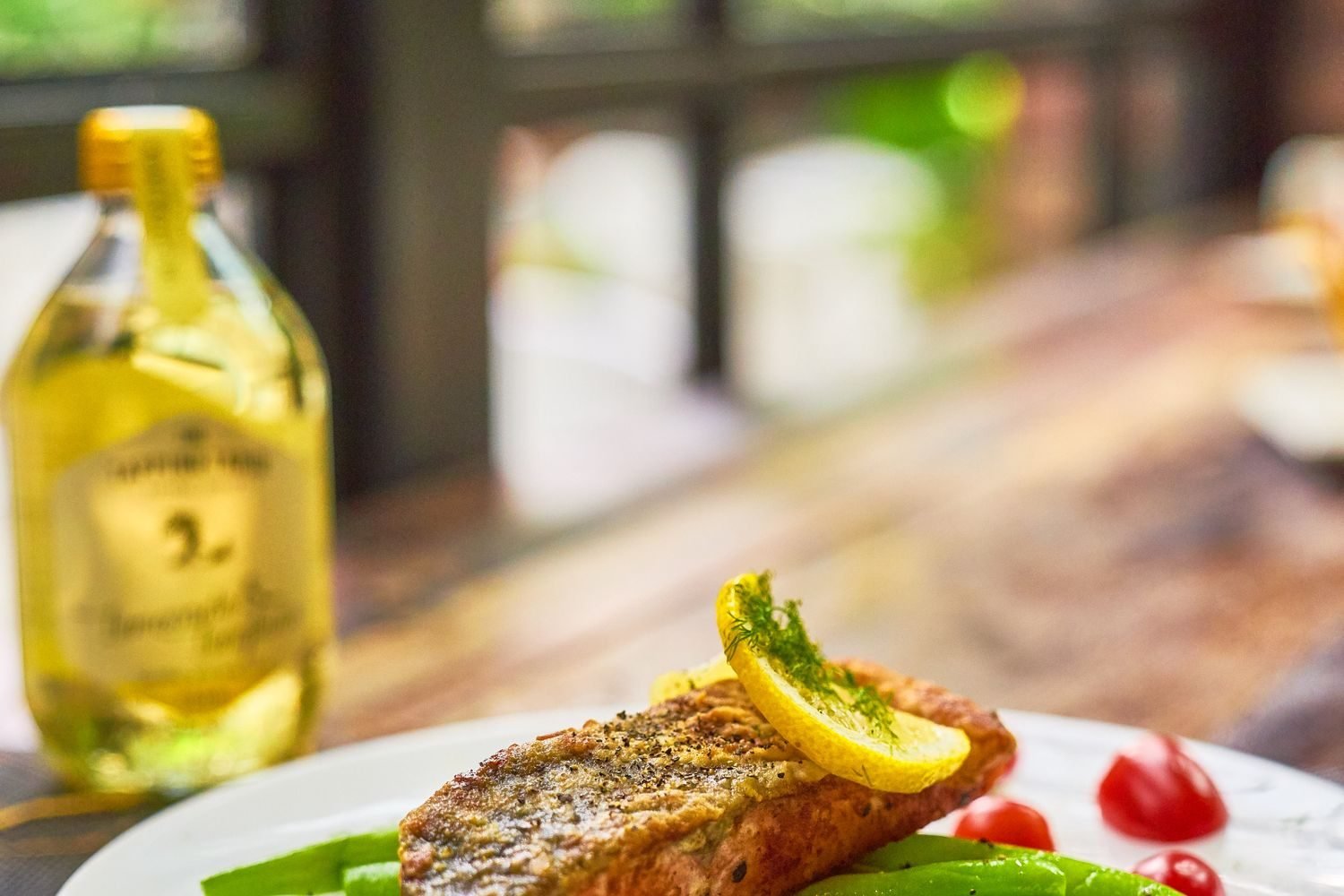
A realistic day might look like oatmeal with berries for breakfast, a salad with grilled chicken and olive oil vinaigrette for lunch, unsalted almonds as a snack, and baked salmon with roasted vegetables and quinoa for dinner — seasoned with herbs, garlic, and citrus instead of salt. Specifics should flex based on your medications, kidney function, potassium restrictions, and other conditions — exactly why a personalized plan from your care team beats a generic template. If high blood pressure is also part of your picture, our diet plan for high blood pressure covers overlapping strategies worth folding into this same daily pattern.
Frequently Asked Questions
How much sodium should someone with heart disease eat per day?
Most cardiology guidance points to about 1,500 mg per day for people with existing cardiovascular disease, stricter than the 2,300 mg general population limit. Your cardiologist may adjust this based on your specific condition, blood pressure control, and whether you have heart failure with fluid retention concerns.
Does everyone with heart failure need to limit fluids?
No. Current guidance suggests fluid restriction of about 1.5-2 liters a day should be considered only for select heart failure patients, not applied universally. Whether you need it depends on your fluid retention status, kidney function, and medications — a decision your cardiology team should make with you.
Can I still eat at restaurants after a heart disease diagnosis?
Yes, with planning. Check nutrition information ahead of time, ask for sauces on the side and no added salt, favor grilled or steamed dishes over fried ones, and watch for hidden sodium in soups, cured meats, and bread baskets. Splitting portions also helps manage both sodium and calories.
Is the DASH diet or Mediterranean diet better for heart disease?
Both are endorsed by AHA/ACC heart failure guidelines and share the same core: vegetables, fruits, whole grains, lean protein, and healthy fats over processed and salty foods. Neither is universally “better” — the right choice often depends on personal preference, other health conditions, and what you can realistically sustain long term.
How long does it take to adjust to a cardiac diet emotionally?
There’s no fixed timeline, but most people report the first few months are the hardest as new habits form. Involving family in meal prep, focusing on substitutions rather than total elimination, and working with a dietitian or cardiac rehab program tend to shorten the adjustment period.
Working with your care team, not around it
Eating with heart disease is a daily, practical skill — one that gets easier with the right structure, but that should always be built around your cardiologist’s specific guidance, especially for numbers like fluid limits, potassium intake, and medication interactions. Diet is a powerful lever, but it works alongside your prescribed treatment, not in place of it.
If you want help translating your cardiologist’s recommendations into a realistic weekly eating plan, an online nutritionist consultation can help you build a sustainable plan around your diagnosis, labs, and lifestyle — always working alongside your cardiology care, never as a substitute for it.