You can lower the glycemic index of almost any meal without changing what you eat — just how you cook it, combine it, and time it. Cooling rice or potatoes after cooking and eating them the next day can cut their glycemic index by close to a third. A tablespoon of vinegar before a carb-heavy meal blunts the spike that follows. Pairing rice with dal instead of eating it alone changes the entire digestion curve. None of this requires giving up chapati, rice, or fruit — it requires knowing which adjustments actually move the needle.
If you haven’t yet, it helps to first understand what glycemic index and glycemic load actually measure, since the techniques below work by manipulating the same digestion and absorption factors. This is the practical follow-up: testable ways to bring the glycemic load of your everyday plate down, drawn from real research rather than kitchen folklore.
Why does cooling and reheating rice or potatoes lower their glycemic index?
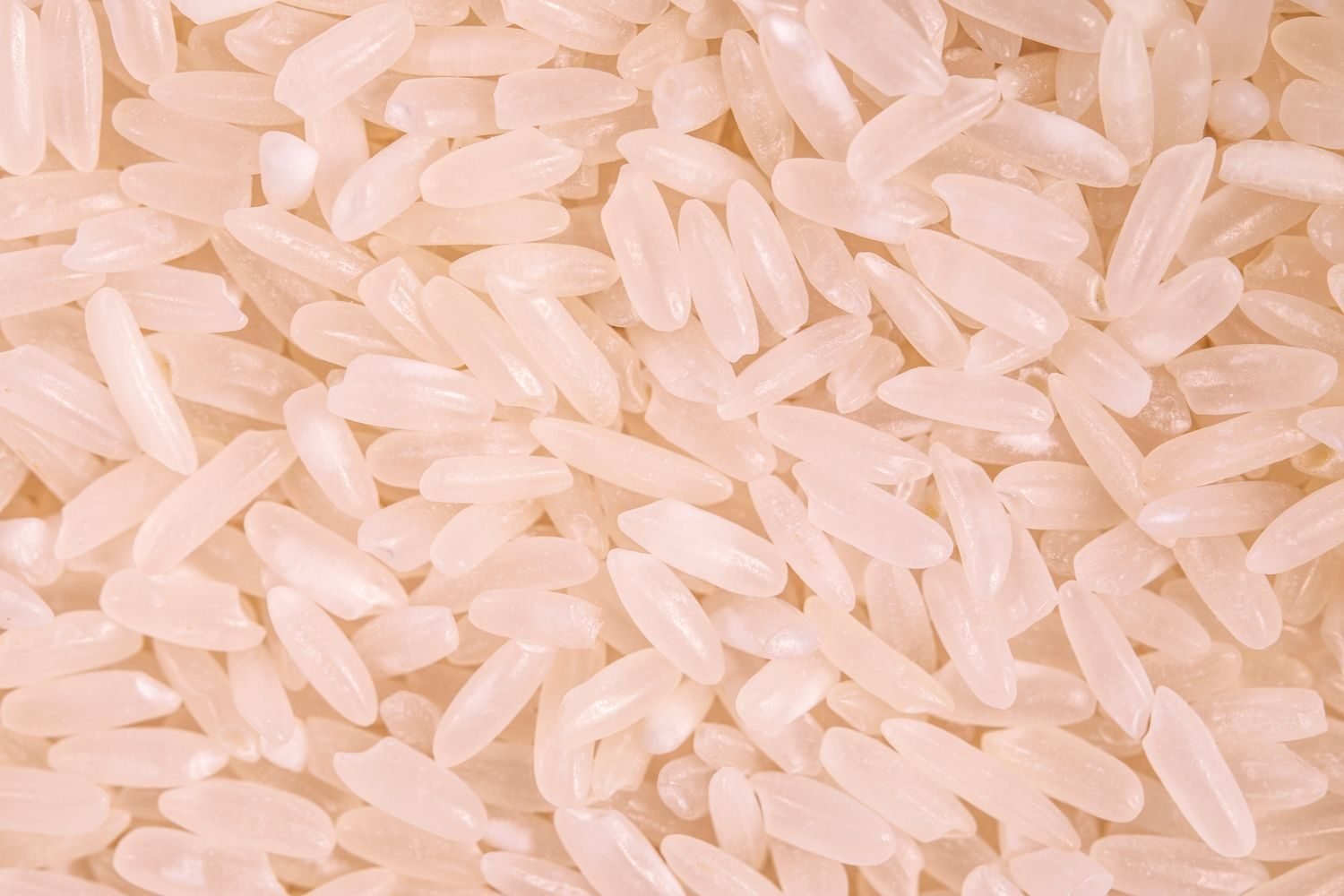
This is one of the more counterintuitive findings in carbohydrate science, and it’s well documented. When starchy foods like rice, potatoes, and pasta are cooked, their starch molecules gelatinize — they absorb water and become easy for digestive enzymes to break down quickly, which produces a fast glucose spike. But when you cool that cooked starch, a portion recrystallizes into a different structure called resistant starch, which behaves more like fiber. Your body can’t fully digest it in the small intestine, so it doesn’t convert to glucose at the same rate.
The research backs this up with real numbers. A study on cooked potatoes found that cooling reduced carbohydrate digestibility from 97% to 95%, corresponding to a drop in average glycemic index from 78 to 49 — a substantial reduction. Separate crossover research on rice found that rice cooled for 24 hours at 4°C and then reheated produced a significantly lower peak blood glucose (9.9 mmol/L) than freshly cooked rice (11 mmol/L) in people with type 1 diabetes.
Two practical notes worth knowing before you build your week around this:
- Rice holds the effect better than potatoes on reheating. Some research suggests that while cooling raises resistant starch in both foods, reheating cooled potatoes can bring resistant starch back down closer to freshly cooked levels, whereas rice tends to retain more of the benefit even after reheating.
- The effect is real but not a free pass. Cooling and reheating meaningfully lowers glycemic response, but it won’t cancel out a large portion size or a sugary sauce poured over the top. Use it as one lever among several, not a loophole.
The practical takeaway: cook rice or dal-chawal the night before, refrigerate it, and reheat the next day rather than eating it fresh off the stove. Leftover rice for lunch is genuinely better for blood sugar than same-day rice — a rare case where meal prep is also a metabolic upgrade. See how rice, potato, and other staples compare in raw GI terms in the glycemic index chart of common Indian foods.
Does adding vinegar or lemon to a meal really lower blood sugar spikes?
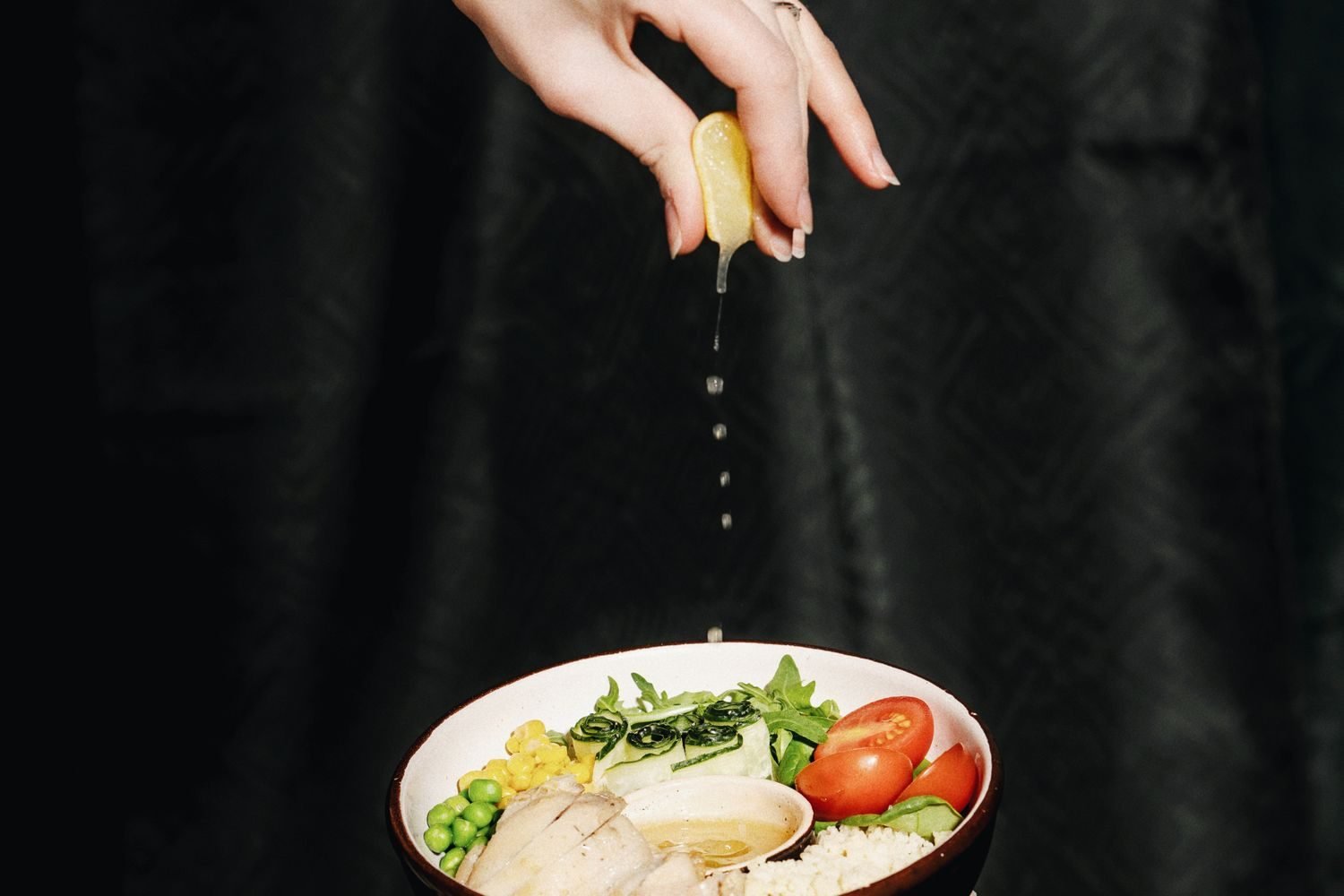
Yes, and it’s one of the more consistently replicated findings in glycemic research. A systematic review and meta-analysis of clinical trials found that vinegar significantly reduced postprandial glucose and insulin area-under-the-curve responses compared to control meals, reproduced across multiple independent trials — which is why researchers now consider vinegar a legitimate adjunctive tool for glycemic control, not a home remedy.
The mechanism is fairly well understood. Acetic acid appears to work through at least three pathways: partially inhibiting the enzyme alpha-amylase that breaks starches into glucose, slowing gastric emptying so carbohydrates reach the small intestine more gradually, and possibly enhancing glucose uptake into skeletal muscle.
On dosage: research suggests roughly 10-30 mL of vinegar (about 2 teaspoons to 2 tablespoons) taken with or shortly before a carbohydrate-rich meal is the range associated with a meaningful effect. This lines up well with Indian eating habits — a squeeze of lemon on dal, a vinegar-forward salad dressing before rice, or achaari flavors with a vinegar base aren’t just taste choices, they’re doing real metabolic work. Note that the research points to liquid vinegar specifically; one study found vinegar tablets did not replicate the same benefit, so a splash in food or water works better than a supplement.
Simple ways to work vinegar or citrus into an Indian plate
- Lemon juice squeezed over dal, rajma, or chole before eating
- A side salad with a vinegar-based dressing eaten just before the main carb portion
- A teaspoon of apple cider vinegar diluted in water, sipped 10-15 minutes before a rice-heavy meal
How does pairing carbs with protein, fat, or fiber change the glycemic index of a meal?
This is arguably the single most useful lever you have, because it applies to nearly every meal with no special prep. Research shows protein, fat, and fiber all independently blunt the glucose response to carbohydrates, and each does it through a different mechanism — which is why combining them stacks the benefit.
Protein slows gastric emptying and stimulates insulin secretion ahead of the glucose hitting your bloodstream, which flattens the peak. Research comparing protein and fat gram-for-gram found protein reduces the glucose response roughly three times more effectively than fat. Fat also delays gastric emptying and reduces the early glucose spike, though its effect is smaller per gram. Fiber works differently — it physically slows the breakdown and absorption of starches and sugars in the gut, which is why whole foods with intact fiber (whole fruit versus juice, dal with its skin versus dhuli dal) tend to produce a gentler curve.
In practice, the composition of your plate matters more than any single ingredient swap. A large bowl of plain white rice spikes blood sugar faster than the same rice eaten alongside dal, a vegetable sabzi, and a spoon of curd. This is the logic behind building a balanced plate rather than fixating on individual foods — see how to build a healthy plate for a full framework on proportions.
Practical protein-fiber-fat pairings for common Indian carbs
- Rice — pair with dal or rajma and a vegetable sabzi, rather than rice with just pickle or ghee alone
- Roti or paratha — eat with paneer, egg bhurji, or a lentil curry instead of just potato sabzi
- Fruit — pair with a handful of nuts or a spoon of curd rather than eating it alone on an empty stomach
- Tea-time snacks — choose roasted chana or sprouts over biscuits; see more ideas in diabetes-friendly snacks
Does how you cook rice, pasta, or vegetables change their glycemic index?
Yes — cooking time and method affect how much your food has already been “pre-digested” before it even reaches your mouth, and starch behaves very differently depending on how far you push the cooking process.
Pasta is the clearest example. Al dente pasta made from semolina wheat typically sits around GI 40-48, while the same pasta cooked soft and mushy can climb to GI 55-65. The reason is starch gelatinization: the longer pasta cooks, the more its starch granules swell, burst, and become accessible to digestive enzymes, so your body converts it to glucose faster. Cooking it to a firm bite, not raw, keeps more of the starch structure intact and slows digestion. The same principle applies to rice and vegetables: softer, longer-cooked, or mashed versions of a food are typically digested faster than firmer, less-processed versions of the same food.
A few cooking-method adjustments worth applying at home:
- Cook pasta al dente — test by biting into a piece a minute or two before the package time suggests
- Avoid overcooking rice into a mushy consistency; aim for grains cooked through but still separate
- Steam or lightly cook vegetables rather than boiling until very soft, to preserve fiber structure
Does fruit ripeness affect its glycemic index — and does portion size matter?
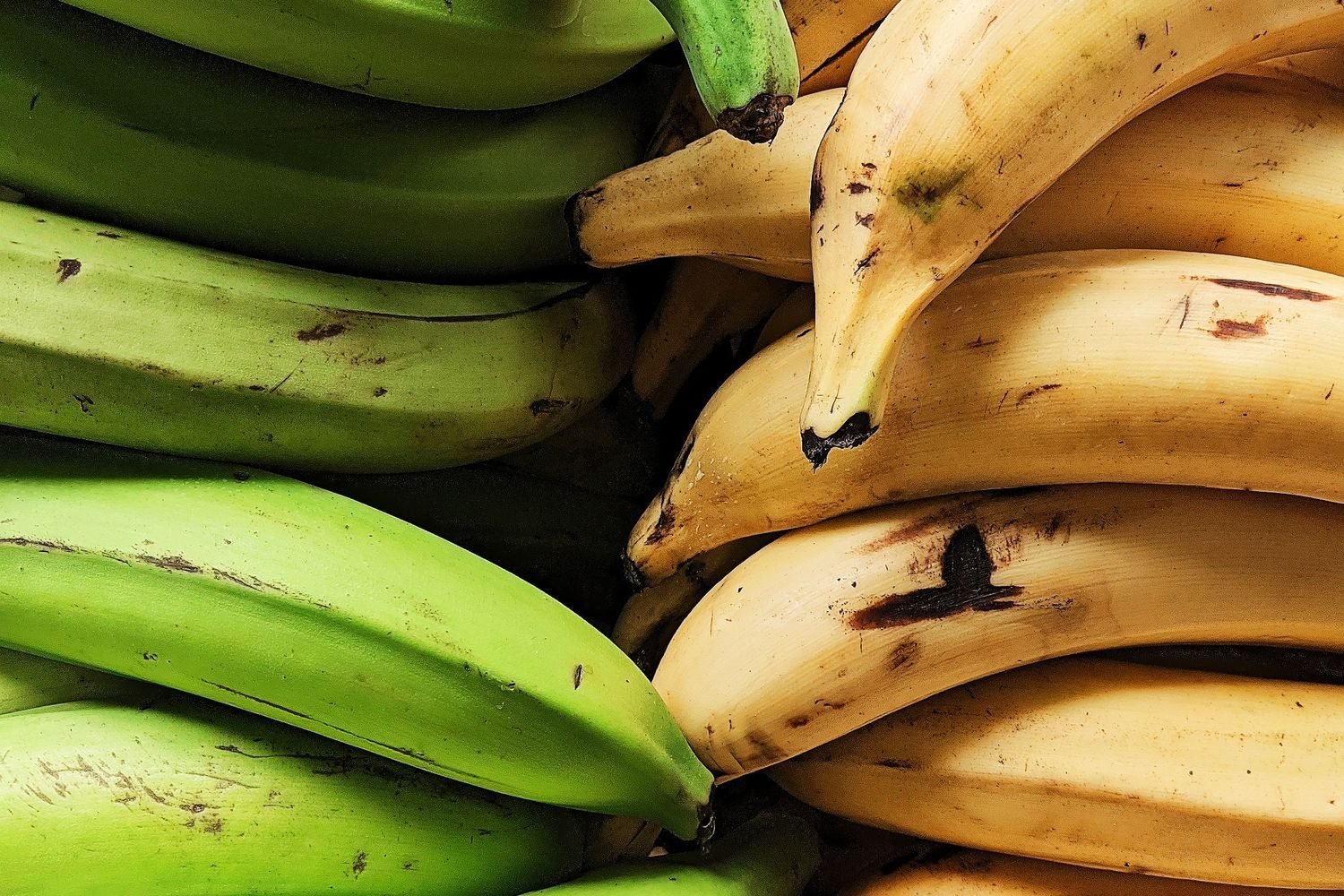
Ripeness has a bigger effect on glycemic index than most people expect, and bananas are the clearest example in the research. As a banana ripens, its starches convert into simple sugars, and studies estimate the shift takes the GI from around 30 in an unripe (greenish) banana up to roughly 51-62 in a fully ripe one — close to doubling. Unripe bananas also contain more amylase inhibitors, compounds that slow the enzymatic breakdown of starch, and these largely disappear as the fruit ripens, removing another natural brake on digestion.
This same ripening principle applies to mangoes, papayas, and other fruits that continue to ripen after picking: the riper and sweeter a fruit tastes, the faster its natural sugars tend to hit your bloodstream. This doesn’t mean unripe fruit is “better” — very unripe fruit can be harder to digest — but choosing fruit that’s ripe rather than overripe, and pairing it with protein or fat as covered above, is a reasonable middle ground.
Portion size compounds all of this. Glycemic index tells you how fast a food raises blood sugar per gram of carbohydrate, but glycemic load — which factors in the actual portion you eat — determines the real-world impact. A small serving of a moderate-GI food often has less impact than a large serving of a low-GI one, a distinction covered in more depth in our explainer on glycemic index versus glycemic load. The short version for fruit: one ripe banana is a reasonable snack; two eaten back-to-back is a bigger glucose event than the GI number alone suggests.
Quick reference: how each technique changes glycemic index
Here’s how the techniques above stack up side by side, with the actual numbers each one is based on:
| Technique | How it works | What the research found |
|---|---|---|
| Cool and reheat rice or potatoes | Converts digestible starch into resistant starch | Potato GI dropped from 78 to 49 after cooling; cooled-and-reheated rice produced a lower peak glucose (9.9 mmol/L) than fresh rice (11 mmol/L) |
| Add vinegar or lemon (10-30 mL) before a carb meal | Slows starch breakdown and gastric emptying | Meta-analysis found vinegar significantly reduced post-meal glucose and insulin AUC compared to control meals |
| Pair carbs with protein, fat, or fiber | Slows gastric emptying and blunts glucose absorption | Protein lowers the glucose response roughly three times more effectively than fat, gram for gram |
| Cook pasta al dente instead of soft | Preserves starch structure so it digests more slowly | Al dente pasta sits around GI 40-48, versus GI 55-65 for the same pasta cooked soft |
| Choose ripe, not overripe, fruit | Less starch has converted to sugar; more amylase inhibitors remain intact | Unripe banana GI is around 30, versus roughly 51-62 in a fully ripe banana |
What’s a realistic way to apply all of this at one meal?
You don’t need to do everything at once. A realistic lower-GI version of a typical Indian lunch might look like: leftover rice from yesterday, reheated (resistant starch effect), served with dal and a vegetable sabzi (protein and fiber pairing), a side of kachumber with extra lemon (acetic acid effect), and a small bowl of curd. Nothing on that plate is unusual or restrictive — it’s the same meal most households already eat, arranged slightly differently and timed a day later.
The consistent theme across this research is that glycemic index isn’t a fixed property of a food — it’s a product of ripeness, cooking method, temperature history, and what else is on the plate. That gives you far more control than a static GI chart suggests. For a broader reference on where common foods fall on the GI scale, see the glycemic index chart of common Indian foods, and if blood sugar management is a daily concern, our guide to diabetes nutrition covers the bigger-picture dietary patterns worth building around these techniques.
Frequently asked questions
Does reheating rice a second or third time keep lowering its glycemic index further?
No — the resistant starch effect comes primarily from the initial cooling and crystallization process, not from repeated reheating. Reheating once after refrigeration is where most of the benefit has been documented. Repeated reheating mainly raises food safety concerns and doesn’t appear to compound the glycemic benefit further.
Can I use bottled lemon juice instead of fresh lemon or vinegar for the same effect?
Bottled lemon juice contains citric acid rather than the acetic acid studied in vinegar research, so the evidence is stronger for vinegar specifically. Fresh lemon juice is a reasonable substitute in practice and adds flavor with no downside, but if you want the most research-backed option, a diluted vinegar before meals has the clearer evidence base.
Is it safe to eat cooled or reheated rice every day?
Yes, as long as it’s cooled quickly (within an hour or two of cooking) and refrigerated properly, then reheated thoroughly before eating. The food safety concern with rice is bacterial growth from being left at room temperature too long, not the cooling and reheating process itself.
Will these techniques work for someone who already has diabetes, or only for prevention?
Several of the studies cited here, including the rice-cooling research, were conducted specifically in people with type 1 diabetes and showed measurable reductions in peak blood glucose. That said, individual responses vary, and anyone managing diabetes should discuss significant dietary changes with their doctor or an online nutritionist consultation alongside monitoring their own glucose response.
Do these tricks work for wheat-based foods like roti and paratha the same way they work for rice?
The protein/fat/fiber pairing and portion-size principles apply equally to wheat-based foods. The cooling-and-reheating resistant starch effect is less studied in roti specifically, though bread and pasta research suggests some benefit. The most reliable levers for rotis remain what you eat them with and how much you eat, rather than cooling them after cooking.
Small, consistent changes to how you cook, combine, and time your meals add up to meaningfully steadier blood sugar over weeks and months — without requiring you to eliminate rice, roti, or fruit from your plate. If you want a plan built around your specific meals, medical history, and daily routine, an online nutritionist consultation can help you turn these general techniques into a practical, personalized eating pattern.