The most researched diet plan for high blood pressure is the DASH diet — Dietary Approaches to Stop Hypertension — which in the original NEJM-published trial lowered systolic blood pressure by an average of 11.4 mmHg and diastolic pressure by 5.5 mmHg in people with hypertension, without any medication change. A 7-day DASH-based plan built around vegetables, fruits, low-fat dairy, whole grains, and controlled sodium can realistically start moving your numbers within two weeks. Below is a full 7-day sample chart, with Indian vegetarian and non-vegetarian swaps, plus the sodium and potassium targets that make the plan work.
What is the DASH diet and does it actually lower blood pressure?
DASH was developed and tested by the U.S. National Heart, Lung, and Blood Institute (NHLBI) in a landmark controlled feeding trial published in the New England Journal of Medicine in 1997. Researchers put 459 adults on one of three eating patterns for 11 weeks: a typical American control diet, a diet high in fruits and vegetables, or the “combination” DASH diet — rich in fruits, vegetables, whole grains, and low-fat dairy, with reduced saturated fat and red meat.
The results were striking. Across the whole study group, the DASH combination diet reduced systolic blood pressure by 5.5 mmHg and diastolic blood pressure by 3.0 mmHg compared to the control diet. Among participants who already had hypertension, the effect nearly doubled: systolic pressure dropped by 11.4 mmHg and diastolic by 5.5 mmHg — a reduction comparable to what a single blood pressure medication can achieve.
A follow-up study, the DASH-Sodium trial (published in the Journal of the American College of Cardiology, 2017), tested what happens when you combine the DASH diet with lower sodium intake. It found the effect was dose-dependent: people with a baseline systolic pressure of 150 mmHg or higher who followed the low-sodium DASH combination saw an average drop of 21 mmHg compared to a high-sodium control diet. In short, DASH works, and it works better the more consistently and precisely you follow both the food pattern and the sodium target.
What are the sodium and potassium targets for a blood pressure diet plan?
Two numbers matter most on this plan: how much sodium you’re keeping out, and how much potassium you’re bringing in.
- Sodium — under 2,300 mg/day, ideally 1,500 mg/day. The American Heart Association recommends adults limit sodium to less than 2,300 mg per day (roughly one teaspoon of salt), with an “ideal limit” of no more than 1,500 mg per day for most adults, especially those with existing high blood pressure. For a deeper breakdown of exactly how to hit that number meal by meal, see our low-sodium diet plan and food list.
- Potassium — 3,500 to 5,000 mg/day from food. The AHA notes potassium helps the body excrete sodium and eases tension in blood vessel walls, and recommends most adults with elevated blood pressure aim for this range through diet — not supplements — unless you have chronic kidney disease or take medications that affect potassium levels, in which case you must check with your doctor first.
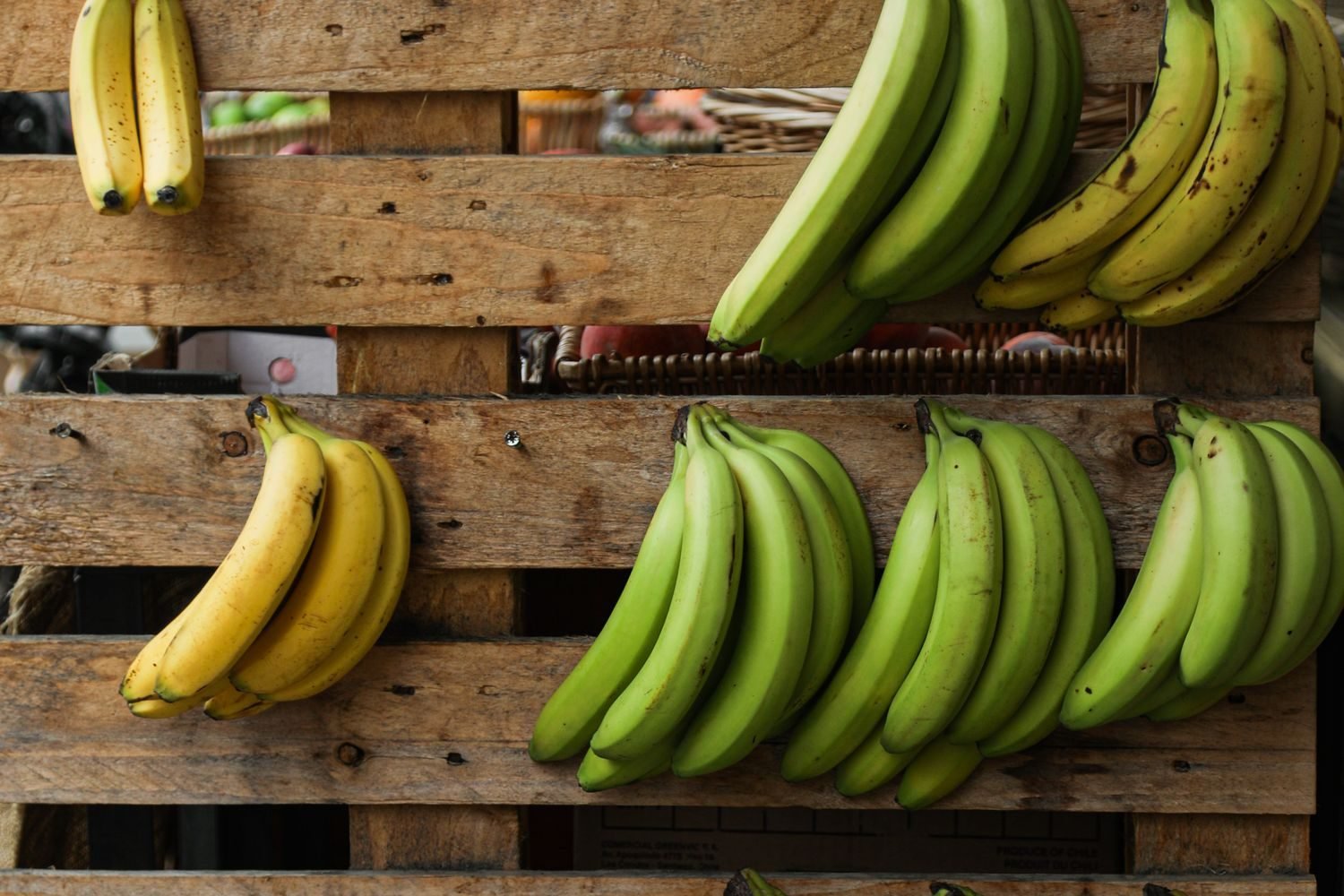
The DASH pattern is essentially built to deliver both automatically: it’s naturally low in processed and packaged foods (the biggest source of dietary sodium) and high in potassium-rich produce like bananas, potatoes, spinach, and lentils.
What does a 7-day DASH diet plan for high blood pressure look like?
Below is a sample 7-day chart built to standard DASH proportions: 6-8 servings of grains, 4-5 servings each of vegetables and fruits, 2-3 servings of low-fat dairy, 6 or fewer ounces of lean protein, and no more than 2,300 mg sodium a day (aim lower where you can). Both vegetarian and non-vegetarian options are given for each day so you can pick what fits.
| Day | Breakfast | Lunch | Dinner (Veg) | Dinner (Non-Veg option) |
|---|---|---|---|---|
| Day 1 | Vegetable poha with unsalted peanuts + low-fat milk | Brown rice, moong dal, cucumber-tomato salad, low-fat curd | Grilled paneer with sautéed spinach and bell peppers | Grilled fish (200g) with steamed vegetables and a small millet roti |
| Day 2 | Vegetable oats upma + a banana | Whole wheat roti, lauki sabzi, rajma, salad | Mixed vegetable khichdi with a side of low-fat curd | Chicken breast stir-fry with garlic and broccoli, no added salt |
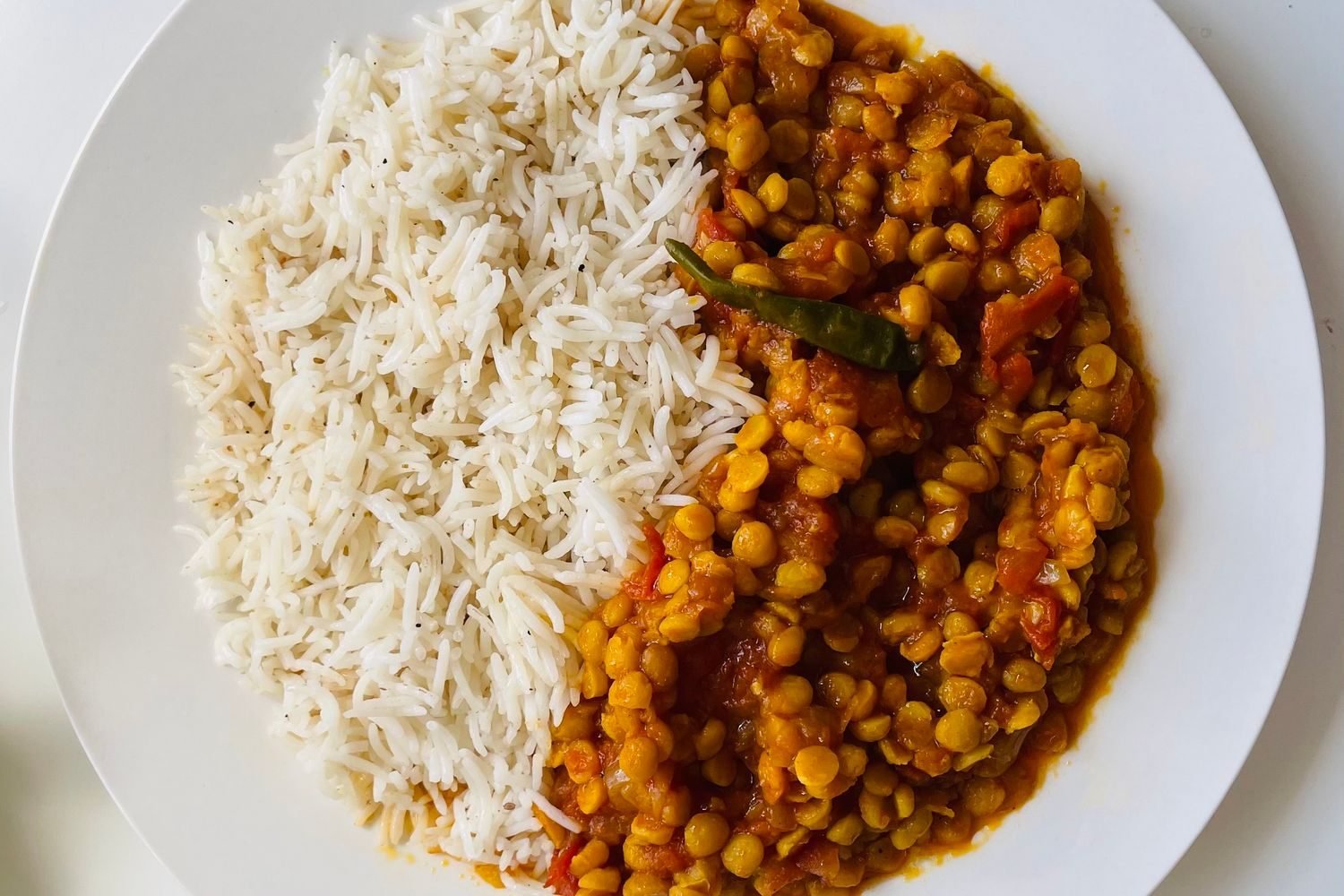
| Day 3 | Idli with sambar (low-salt) and coconut chutney | Quinoa pulao with roasted vegetables and chickpeas | Palak dal with brown rice and a cucumber raita | Baked fish curry (light coconut, minimal salt) with brown rice |
| Day 4 | Whole wheat vegetable paratha (no butter) + curd | Multigrain roti, bhindi sabzi, chana dal, salad | Vegetable soup + grilled tofu with roasted sweet potato | Grilled chicken salad with olive oil-lemon dressing |
| Day 5 | Fruit and nut smoothie with unsweetened low-fat yogurt | Brown rice, mixed vegetable sabzi, moong sprouts salad | Stuffed capsicum with quinoa and low-fat cheese | Steamed fish with lemon, dill, and roasted vegetables |
| Day 6 | Besan cheela with mint chutney + a fruit bowl | Whole wheat roti, methi dal, beetroot salad | Vegetable and paneer stir-fry with a small portion of brown rice | Grilled prawns with sautéed greens and a millet roti |
| Day 7 | Vegetable dalia (broken wheat porridge) + a boiled egg (optional) | Lemon rice, curd, roasted papad-free salad platter | Lauki-chana dal with jowar roti | Baked chicken breast with roasted pumpkin and spinach |
Snacks across the week can rotate between a small handful of unsalted almonds or walnuts, a fresh fruit (apple, orange, papaya, or watermelon — all potassium-rich), roasted chana, or a cup of buttermilk. Keep pickles, papad, packaged namkeen, and salted nuts out of the snack rotation entirely — they can single-handedly blow past your daily sodium budget.
Which foods should form the base of this plan?
Rather than memorizing rules, it helps to think in categories. The DASH pattern is built around:
- Vegetables and fruits (8-10 servings/day combined): spinach, gourds, tomatoes, carrots, bananas, oranges, papaya, watermelon — these carry the bulk of your potassium, magnesium, and fiber.
- Whole grains (6-8 servings/day): brown rice, whole wheat roti, oats, millets like jowar and bajra, quinoa — swapped in for white rice and refined flour.
- Low-fat dairy (2-3 servings/day): low-fat milk, curd, and buttermilk provide calcium and potassium with less saturated fat.
- Lean protein (6 oz or less/day): dal, legumes, tofu, paneer in moderation, fish, skinless chicken, and eggs. Fish especially adds omega-3s that support overall cardiovascular health.
- Nuts, seeds, and legumes (4-5 servings/week): unsalted almonds, walnuts, chana, rajma, and moong.
- Fats and sweets (used sparingly): small amounts of olive oil or mustard oil for cooking; limit fried foods, sugary drinks, and desserts.
For a complete breakdown of what to actively cut out — including hidden sodium sources in Indian cooking like papad, achar, and restaurant curries — read our detailed guide on foods to avoid with high blood pressure.
How do you build this into a sustainable heart-healthy routine?
A 7-day chart is a starting template, not a rigid script — the real goal is training your palate and your kitchen habits toward this pattern long-term. A few practical anchors that make it sustainable:
- Cook at home more often. Restaurant and packaged food is the largest source of sodium in most diets, often 2-3 times higher per serving than a home-cooked equivalent.
- Season with acid and spice, not salt. Lemon, tamarind, ginger, garlic, and whole spices like cumin and coriander add flavor without sodium.
- Read labels for “hidden” sodium. Bread, sauces, papad, and even some breakfast cereals can carry surprising amounts.
- Build in variety. Rotating grains, dals, and vegetables across the week (as in the chart above) prevents the plan from feeling repetitive, which is usually why diet changes fail after week two.
If you’re managing high blood pressure alongside other heart health goals, it’s worth looking at the bigger dietary picture too — see our guides on a heart-healthy diet plan and best and worst foods for heart health for more context on long-term cardiovascular eating patterns.
Does DASH work if you already have a heart condition or are on blood pressure medication?
DASH is widely recommended as a supportive diet alongside medical treatment, not a replacement for it. If you have existing heart disease, kidney disease, or are on blood pressure or diuretic medication, some elements of this plan — particularly potassium intake — need to be adjusted under medical supervision, since certain medications and kidney conditions change how safely your body handles potassium. If you’re managing an existing heart condition, our guide on how to eat with heart disease covers additional considerations. This article is educational and does not replace personalized medical advice — please consult your doctor before making significant dietary changes, especially if you take medication or have a diagnosed condition.
Frequently Asked Questions
How long does it take for the DASH diet to lower blood pressure?
In the original DASH trial, measurable blood pressure reductions appeared within about two weeks of starting the diet, with the full effect reached by the end of the study period. Individual results vary based on starting blood pressure, sodium intake, and consistency, so give it at least 3-4 weeks before evaluating your own results.
Can I follow a vegetarian version of the DASH diet?
Yes. The DASH diet is naturally flexible — the 7-day chart above includes a vegetarian dinner option every day, built around dal, paneer, tofu, and vegetables. Just make sure you’re combining grains and legumes across the day to get complete protein, and keep an eye on paneer and cheese portions since they add sodium.
Is sea salt or rock salt better than table salt for blood pressure?
No — sodium content is nearly identical by weight across table salt, sea salt, and rock salt (sendha namak). The AHA guidance is about total sodium quantity, not salt type, so switching salt varieties won’t meaningfully lower your sodium intake. Reducing the amount used is what matters.
Do potassium-rich foods interact with blood pressure medication?
They can. Some blood pressure medications, particularly ACE inhibitors, ARBs, and potassium-sparing diuretics, already raise potassium levels, and combining them with a very high-potassium diet or salt substitutes can push levels too high. Always check with your doctor before significantly increasing potassium intake if you’re on any BP medication.
What’s the difference between this plan and a low-sodium diet plan?
They overlap heavily but aren’t identical. A low-sodium diet plan focuses specifically on capping sodium intake, while DASH is a broader eating pattern that also emphasizes potassium, fiber, and specific food group targets. Following DASH generally gets you to a low-sodium intake automatically — see our low-sodium diet plan and food list for a sodium-specific breakdown.
Building and sticking to a plan like this is easier with personalized guidance — especially if you’re juggling medication, other health conditions, or just don’t know where to start. Consider booking an online nutritionist consultation to get a DASH-based plan tailored to your blood pressure numbers, food preferences, and lifestyle.