If you’ve just seen “high cholesterol” on a lab report, the food that matters most isn’t the one you’d guess. It’s not eggs. The two biggest dietary levers for LDL (“bad”) cholesterol are trans fats (found in partially hydrogenated oils, many fried and packaged baked goods) and excess saturated fat (fatty red meat, processed meat, full-fat dairy, and tropical oils like palm and coconut). Dietary cholesterol itself — the kind in eggs and shellfish — turns out to have a much smaller effect on blood cholesterol for most people than researchers believed a generation ago. Below is a practical, updated list of what to actually limit, what to genuinely avoid, and where the old advice needs a correction.
What foods should you avoid with high cholesterol?
The short list: foods made with partially hydrogenated oils (the source of artificial trans fats), fried fast food, fatty cuts of red meat, processed meats like bacon and sausage, full-fat dairy in large amounts, and baked goods made with shortening or palm oil. These are the items with the clearest, most consistently replicated evidence of raising LDL cholesterol. The American Heart Association (AHA) identifies saturated fat and trans fat — not dietary cholesterol — as the food components with the strongest effect on LDL levels.
Here’s the practical hierarchy, from “cut almost entirely” to “just watch your portions”:
- Avoid nearly completely: artificial trans fats (partially hydrogenated vegetable oil), still sometimes found in some fried fast foods, margarines, and older packaged baked goods.
- Limit significantly: processed meats (bacon, sausage, hot dogs, salami, deli meats), fatty cuts of beef and pork, fried foods.
- Moderate, don’t eliminate: full-fat dairy, butter, and — for most healthy people — eggs.
For a broader shopping and swap strategy, see our full diet plan to lower cholesterol, which pairs this avoid-list with the foods that actively help.
Why are trans fats the worst offender?
Trans fats do double damage: they raise LDL cholesterol while also lowering HDL (“good”) cholesterol, a combination that no other food component reliably produces. The AHA notes that dietary trans fats — mainly from partially hydrogenated oils — increase LDL and reduce HDL simultaneously, which is why health authorities recommend avoiding them rather than just limiting them, the way saturated fat is treated.
Where do they still show up in 2026? Fewer places than a decade ago, since the FDA’s 2018 ban on partially hydrogenated oils as a food additive phased most of them out of the U.S. supply. But trans fats aren’t fully gone:
- Some imported packaged snacks and baked goods
- Certain non-dairy coffee creamers and shortenings sold internationally
- Deep-fried foods at restaurants that reuse the same oil repeatedly (repeated high-heat frying can generate small amounts of trans fats even from non-hydrogenated oils)
- Microwave popcorn and pie crusts made with older shortening formulations
The label check is simple: if “partially hydrogenated oil” appears anywhere in the ingredient list, treat that product as a trans-fat source even if the nutrition panel rounds down to “0g trans fat” per serving — U.S. labeling law allows that rounding for amounts under 0.5g.

How much saturated fat is actually too much?
The AHA recommends keeping saturated fat under 6% of total daily calories — for a standard 2,000-calorie diet, that’s roughly 13 grams per day, or about 120 calories’ worth. For context, a single fast-food cheeseburger can contain 12-13 grams of saturated fat on its own, and a cup of premium ice cream can run close to that too. It adds up fast, which is why portion size — not total elimination — is usually the more sustainable target.
The foods that consistently push people over that 13-gram line:
- Fatty red meat — untrimmed beef, lamb, and pork cuts, especially ribs, brisket, and marbled steaks
- Processed meats — bacon, sausage, hot dogs, salami, and deli meats, which combine saturated fat with high sodium, a double hit for cardiovascular risk
- Full-fat dairy in volume — butter, cream, regular cheese, and whole milk consumed in large daily amounts
- Tropical oils — coconut oil and palm oil, both unusually saturated for plant-based fats
- Poultry skin and dark meat — noticeably higher in saturated fat than skinless white meat
The fix isn’t necessarily “never eat steak again” — it’s shifting the everyday default toward leaner proteins and unsaturated fats (olive oil, canola oil, nuts, avocado) while treating the saturated-fat-heavy items as occasional, not daily. If you want to see how triglycerides fit into this same picture, our guide on foods to avoid with high triglycerides covers the overlapping — but not identical — list.
Do eggs really raise cholesterol, or is that outdated advice?
This is the biggest correction in cholesterol nutrition science over the last two decades, and it’s worth explaining rather than just asserting. For years, guidelines capped dietary cholesterol at 300mg/day, which effectively meant “limit eggs to about one a day.” That specific numeric cap was removed from the 2015-2020 Dietary Guidelines for Americans once the evidence base shifted.
Why the change? Research increasingly showed that for most people, dietary cholesterol has a much smaller effect on blood cholesterol than saturated fat does — the liver adjusts its own cholesterol production in response to what you eat, which blunts the impact of cholesterol from food. A 2023 AHA science advisory noted that studies have generally not supported a strong, independent association between dietary cholesterol and cardiovascular risk in the general population.
That said, the science isn’t unanimous, and nuance matters here rather than a blanket “eggs are fine” takeaway:
- Some large pooled cohort studies have found associations between higher dietary cholesterol (and egg intake specifically) and cardiovascular risk, so the picture isn’t fully settled.
- People with certain genetic profiles (sometimes called “hyper-responders”) do see meaningful LDL increases from dietary cholesterol — this varies by individual, which is exactly the kind of thing a clinician can help identify.
- Eggs and shellfish are somewhat unusual: they’re high in cholesterol but relatively low in saturated fat, unlike most other cholesterol-containing foods (organ meats, fatty dairy), which are high in both.
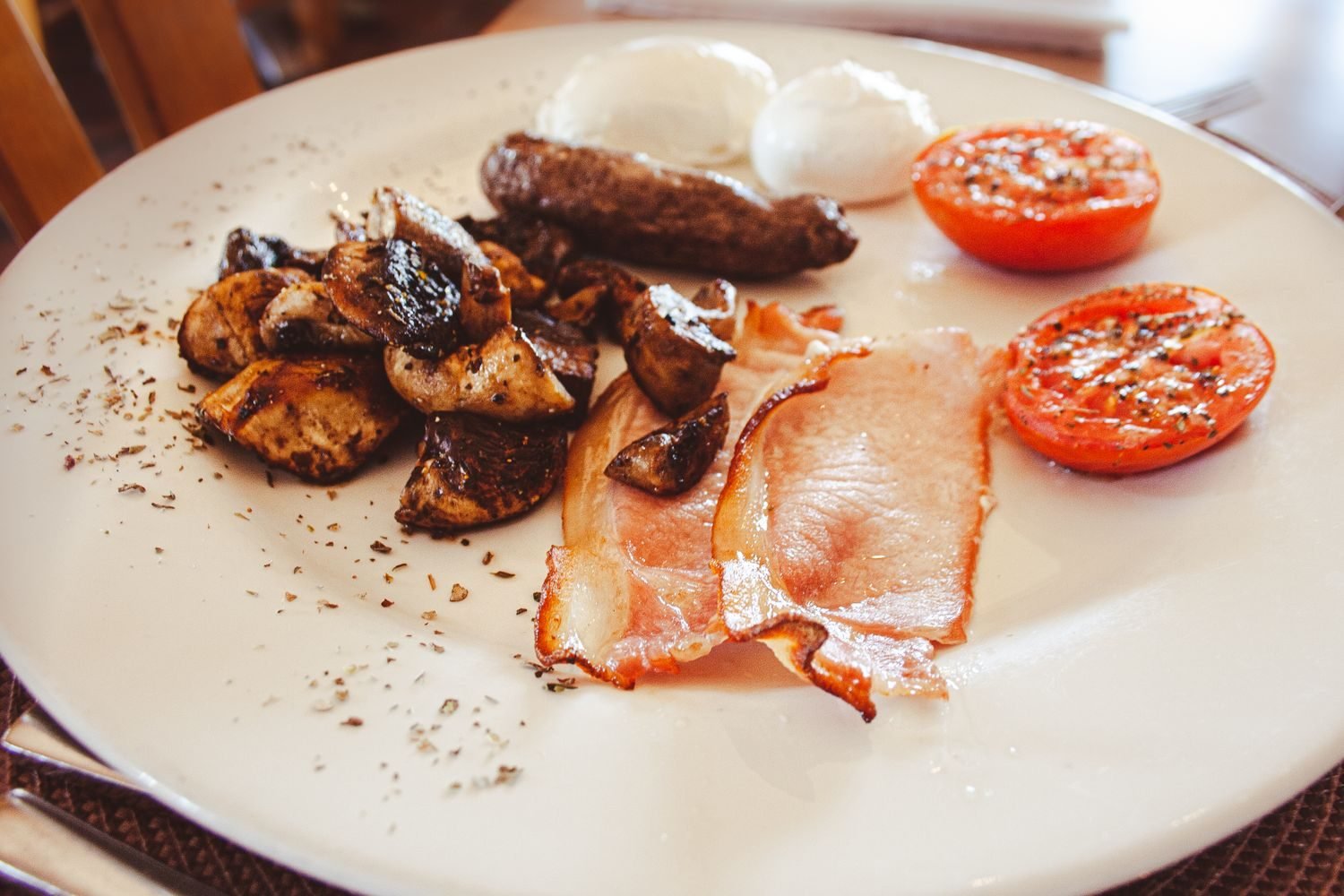
The practical takeaway: for most healthy adults, an egg a day is not the cholesterol villain it was once made out to be, and swapping it out for bacon or sausage in the name of “heart health” can actually backfire, since you’d be trading a moderate-cholesterol food for a high-saturated-fat one. If you have existing heart disease, diabetes, or a family history of very high LDL, that’s a conversation for your doctor, not a blanket rule from an article.
What about sugar, alcohol, and other less obvious triggers?
Fat isn’t the whole story. Refined carbohydrates and added sugars can lower HDL and raise triglycerides, which interacts with your overall cardiovascular risk profile even though it works through a different mechanism than LDL. If you’re focused specifically on cholesterol numbers, it’s worth understanding how sugar factors in separately — we cover that in detail in does sugar raise cholesterol.
A few other items worth moderating:
- Alcohol — heavy or frequent drinking can raise triglycerides and, over time, negatively affect the LDL/HDL balance
- Refined white bread, pastries, and sugary cereals — these displace fiber-rich foods that would otherwise help lower LDL
- Sodium-heavy processed foods — not a direct cholesterol driver, but a compounding cardiovascular risk factor worth watching alongside cholesterol
What should you eat instead?
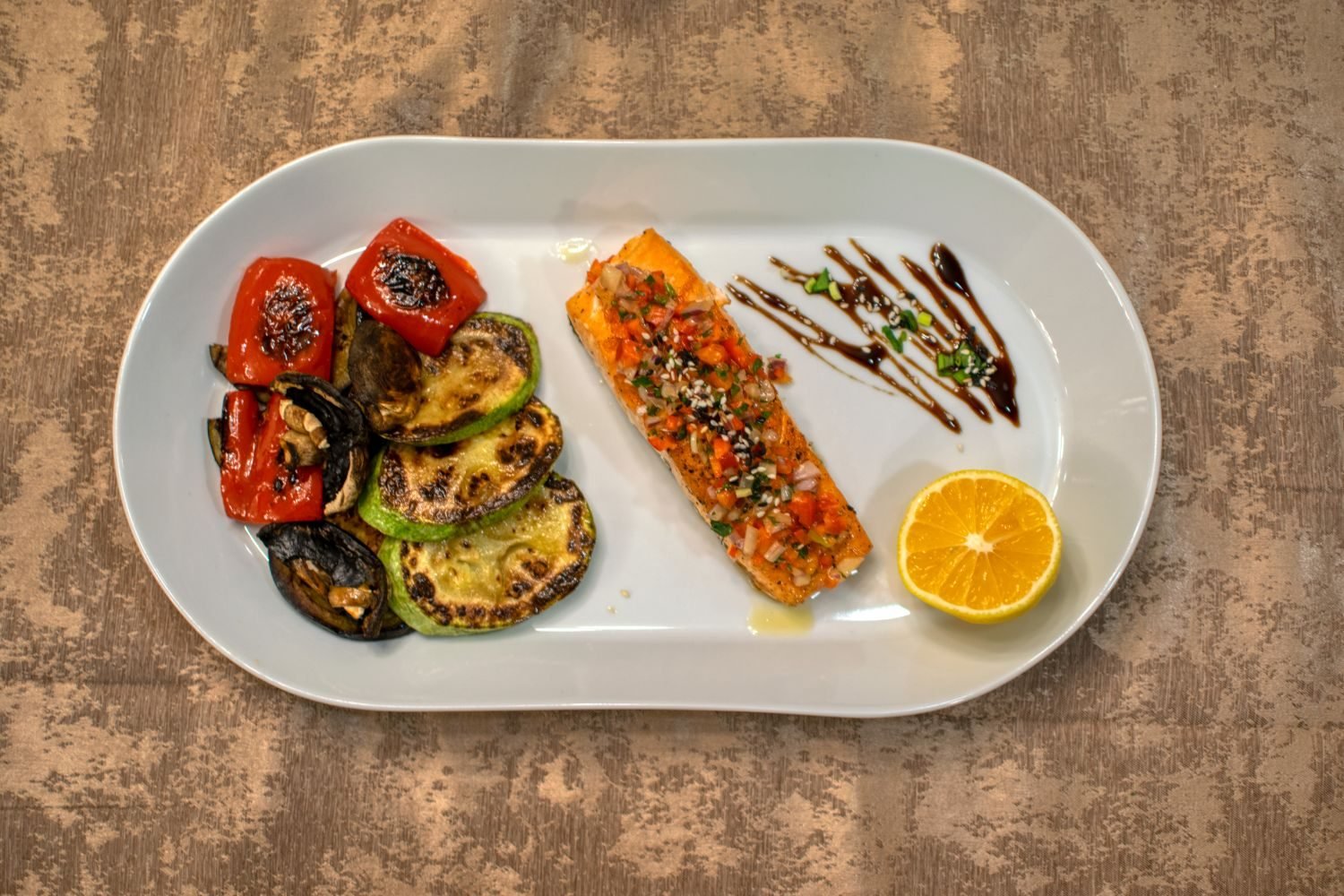
An avoid-list is only half the plan — the more useful frame is substitution, not just subtraction. Swap fatty red meat for fish, skinless poultry, or legumes a few times a week. Trade butter for olive oil where you can. Choose whole-grain versions of bread, pasta, and cereal instead of refined ones. Add soluble fiber sources — oats, beans, apples, barley — which actively bind cholesterol in the digestive tract and help remove it from the body. For a complete rundown of what actively lowers LDL rather than just avoiding what raises it, see our cholesterol-lowering foods list.
How do you build all this into a routine that actually sticks?
Knowing the list is one thing; restructuring how you shop, cook, and eat out is another. Most people don’t fail at cholesterol management because they don’t know bacon is bad for them — they fail because nobody helped them build a realistic weekly pattern around the foods they actually like. That’s usually where working with a professional pays off: a dietitian or nutritionist can look at your actual lab numbers, your genetics if relevant, your medications, and your day-to-day life, then build a plan that doesn’t feel like a punishment. Our article on how a nutritionist can help lower cholesterol walks through what that process typically looks like.
If your numbers are already elevated or you’re on cholesterol medication, food changes work alongside treatment, not instead of it — always loop in your doctor before making major dietary shifts, especially if you’re managing other conditions.
Frequently Asked Questions
Is it safe to eat eggs every day with high cholesterol?
For most healthy adults, one egg a day is generally considered acceptable, since current evidence shows saturated fat has a bigger impact on blood cholesterol than dietary cholesterol from eggs. If you have heart disease, diabetes, or very high LDL, ask your doctor for personalized guidance.
What’s worse for cholesterol: butter or margarine?
It depends on the margarine. Butter is high in saturated fat, while older stick margarines made with partially hydrogenated oil contain trans fats, which are worse. Modern tub margarines made with liquid vegetable oils and no partially hydrogenated oil are generally the better choice.
Can I still eat red meat occasionally if I have high cholesterol?
Yes, in most cases. The concern is frequency and portion, not total elimination. Choosing leaner cuts, trimming visible fat, and limiting red meat to a few times a week rather than daily fits within most cholesterol-lowering eating patterns.
Does fried food always contain trans fat?
Not necessarily — many restaurants now fry in oils without partially hydrogenated fats. But frying itself adds significant saturated fat and calories, and oil that’s reused repeatedly at high heat can degrade in ways that aren’t heart-healthy regardless of trans fat content.
How quickly can cholesterol improve after cutting these foods?
Many people see measurable LDL improvement within 4 to 6 weeks of consistent dietary changes, though individual results vary based on genetics, starting numbers, and overall lifestyle. Your doctor can recheck labs to track your specific progress.
Cutting through the noise here matters: the goal isn’t fear of every egg or steak, it’s consistently limiting the two ingredients with the strongest evidence behind them — trans fats and excess saturated fat — while eating everything else in reasonable proportion. If you want a plan built around your actual labs and lifestyle rather than a generic list, an online nutritionist consultation can help you turn this guidance into a routine that fits your life.