A low-sodium diet generally means keeping sodium intake under 2,300 mg a day — about one teaspoon of table salt — and for people with kidney disease, heart failure, or high blood pressure, a doctor may recommend a stricter target of 1,500 mg or lower. The plan is simple in concept: eat mostly whole, unprocessed foods, cook with herbs and citrus instead of salt, and read labels carefully, since roughly 70-77% of sodium in a typical American diet comes from packaged and restaurant foods rather than the salt shaker. This guide covers why sodium matters beyond blood pressure, how to build a realistic low-sodium plate, and which foods to eat freely versus which ones deserve a label check.
If you’ve already read about the DASH diet plan for high blood pressure or a list of foods to avoid with high blood pressure, this article goes a layer deeper — sodium reduction isn’t only a blood pressure strategy. It’s central to managing kidney disease, heart failure, and fluid retention, and the substitution tactics that make it sustainable apply no matter which condition brought you here.
Why does sodium matter beyond blood pressure?
Sodium’s most well-known effect is raising blood pressure by causing the body to retain extra fluid, which increases the volume of blood your heart has to push through your vessels. But that’s only part of the picture. The kidneys filter excess sodium out of the bloodstream, and when they’re already compromised, extra sodium makes that job harder — contributing to fluid buildup, swelling, and elevated blood pressure that further stresses the kidneys, a cycle the renal nutrition approach is built to interrupt.
In heart failure, the connection is just as direct. When the heart can’t pump efficiently, the body tends to hold onto sodium and water as a compensatory response, which can cause swelling in the legs and abdomen and fluid accumulating in the lungs. That’s why sodium restriction, often to 1,500-2,000 mg a day, is a standard part of how to eat with heart disease, alongside fluid monitoring in more advanced cases.
Even without a diagnosed condition, sodium’s fluid-retention effect explains the puffiness many notice after a high-sodium meal. The bigger concern is that most adults eat far more than they need: average intake in the U.S. runs around 3,400 mg a day, well above the 2,300 mg upper limit recommended by the American Heart Association and FDA.

How much sodium should you actually eat per day?
The general guideline from the FDA and American Heart Association is under 2,300 mg of sodium daily, with the AHA noting that an ideal target for most adults, especially those with elevated blood pressure, is closer to 1,500 mg. Kidney and cardiology organizations tend to set narrower ranges based on the condition and its severity:
| Group | Recommended daily sodium |
|---|---|
| General healthy adults | Under 2,300 mg/day (about 1 teaspoon of salt) |
| High blood pressure or cardiovascular risk | Around 1,500 mg/day is often advised |
| Chronic kidney disease (CKD) | National Kidney Foundation: under 2,400 mg/day; more recent KDIGO guidance: under 2,000 mg/day for many CKD patients |
| Heart failure | Commonly 1,500-2,000 mg/day, sometimes paired with a daily fluid limit |
These ranges vary by individual — your exact target depends on your stage of kidney disease, blood pressure readings, medications, and fluid status. This is not a place for guesswork. If you have kidney disease or heart failure, work with your doctor or a renal or cardiac dietitian to set a personalized target, since going too low can occasionally be inappropriate depending on your labs and medications.
What foods are naturally low in sodium?
The easiest way to lower sodium intake isn’t obsessive label-reading — it’s shifting your plate toward foods that are naturally low in sodium to begin with:
- Fresh fruits: Apples, berries, bananas, citrus, melon — virtually sodium-free
- Fresh vegetables: Broccoli, spinach, carrots, zucchini, bell peppers, cucumbers (fresh, not canned or pickled)
- Plain grains: Oats, brown rice, quinoa, and plain pasta cooked without salted water
- Unsalted nuts and seeds: Almonds, walnuts, sunflower seeds without added salt
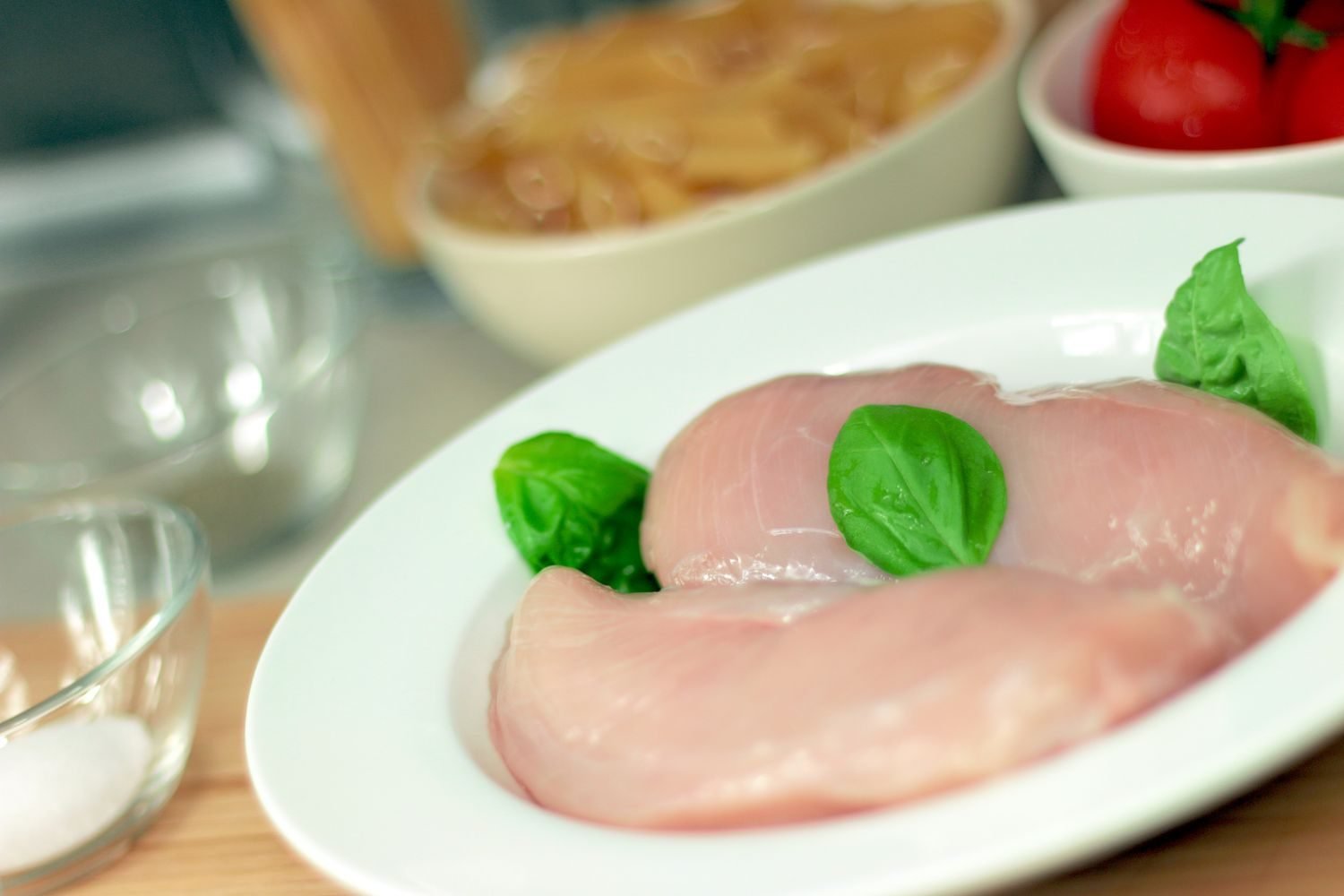
- Fresh or frozen meat, poultry, and fish: Plain cuts without brine, marinade, or seasoning packets
- Eggs: Naturally low in sodium (about 70 mg per egg)
- Dried beans and lentils: Cooked from dry, or canned and rinsed thoroughly
- Low-fat milk and plain yogurt: Moderate natural sodium, far lower than cheese
- Fresh herbs, spices, garlic, ginger, and citrus: Zero sodium and the backbone of flavorful low-sodium cooking
Build meals around this list first, then add smaller amounts of higher-sodium items — it’s far more sustainable than memorizing every product’s sodium count.
Which foods are sodium bombs you need to check?
These categories account for most excess sodium in the average diet — not because people salt food heavily at the table, but because sodium is built into how it’s manufactured, cured, or preserved. Roughly 40% of U.S. dietary sodium comes from just ten categories: breads, cold cuts, pizza, poultry dishes, soups, sandwiches, cheese, pasta dishes, and savory snacks.
- Canned soups: Often 700-1,000+ mg per cup; some cans exceed 1,500 mg total
- Deli and cured meats: One slice of ham runs around 290 mg; two ounces of pastrami can exceed 550 mg
- Bread and rolls: Roughly 80-230 mg per slice, adding up fast across servings
- Frozen dinners and pizza: Can easily exceed 1,000-1,500 mg per meal
- Cheese: Especially processed slices and aged hard cheeses
- Condiments: Soy sauce (around 900 mg per tablespoon), dressings, ketchup, and pickles
- Canned vegetables and beans: Often packed in salted liquid unless labeled “no salt added”
- Salty snacks and restaurant food: Chips, pretzels, and sauced or pre-marinated restaurant meals can push a single serving past 2,000 mg
None of this makes these foods permanently off-limits — it just marks them as worth a label check, or a lower-sodium homemade version.
How do you read a nutrition label for hidden sodium?
Sodium hides in places that don’t taste obviously salty — bread, cereal, and even sweet baked goods can carry a real sodium load, since sodium compounds are used as preservatives and leavening agents, not just for flavor. A few habits make a real difference:
- Check the % Daily Value, not just the mg number. Five percent DV or less per serving is low; 20% or more is high, per FDA labeling standards.
- Look at the serving size first. A can of soup that seems like one serving might legally list two, meaning the sodium you actually eat is double the printed number.
- Learn the front-of-package terms. “Sodium-free” means under 5 mg per serving; “very low sodium” means 35 mg or less; “low sodium” means 140 mg or less; “reduced sodium” means at least 25% less than the standard version — which can still be high.
- Scan the ingredients for sodium compounds like sodium bicarbonate, sodium nitrite, and monosodium glutamate (MSG) — these count toward total sodium even though “salt” doesn’t appear.
- Compare similar products side by side. Sodium can vary two- to three-fold between brands of the same item, like marinara sauce or deli turkey.
What are practical ways to cut sodium without losing flavor?
The goal isn’t bland food — it’s shifting where flavor comes from. A few tactics make the transition easier:
- Cook with herbs, spices, garlic, and onion instead of salt. Smoked paprika, cumin, rosemary, and black pepper add depth without sodium.
- Use citrus and vinegar to brighten dishes — lemon or a splash of vinegar can make food taste “finished” the way salt often does.
- Rinse canned beans and vegetables under running water for about a minute. This can reduce their sodium content by roughly 40%, a tip widely cited by kidney and heart health organizations.
- Choose “no salt added” or “low sodium” canned and packaged versions and season them yourself, where you control the amount.
- Cook from scratch more often so you’re not relying on pre-made sauces or seasoning packets, common hidden sodium sources.
- Portion out salty foods rather than cutting them entirely. A little real parmesan or a few slices of deli meat, paired with mostly low-sodium foods, is more sustainable than going all-or-nothing.
- Watch restaurant meals by asking for sauces on the side and requesting no added salt when possible.
These strategies overlap heavily with a broader heart-healthy diet plan, since lowering sodium, added sugar, and saturated fat together tend to move in the same direction.
What does a sample low-sodium day look like?
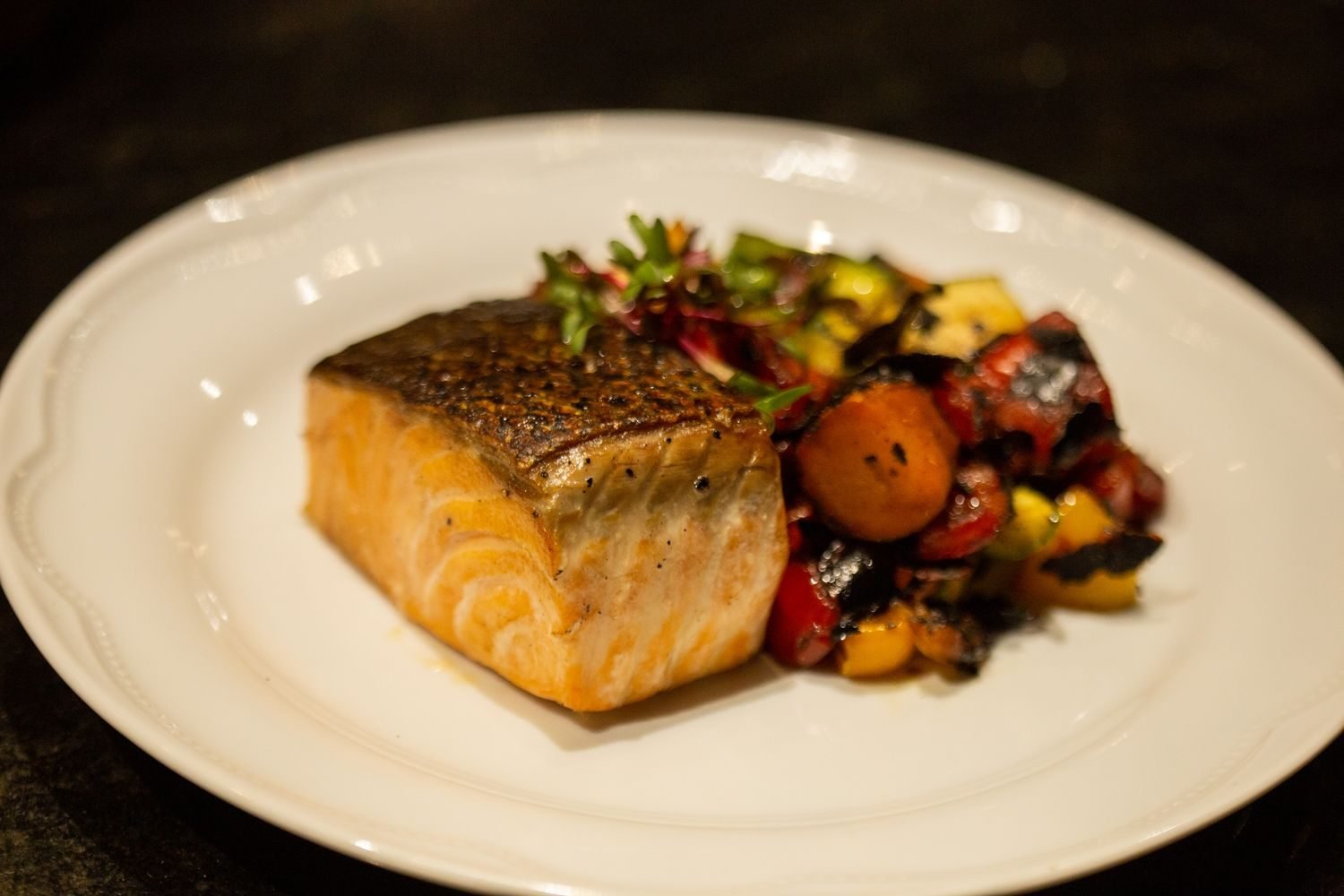
A day built mostly from naturally low-sodium foods, with a couple of intentional swaps, can land comfortably under 1,500-2,000 mg without feeling restrictive: plain oatmeal with berries and unsalted walnuts for breakfast (roughly 100-150 mg), a grilled chicken salad dressed with olive oil and lemon instead of bottled dressing for lunch (roughly 150-250 mg), an apple with unsalted almond butter as a snack (under 50 mg), and baked salmon with roasted sweet potato and steamed broccoli seasoned with garlic and herbs for dinner (roughly 150-300 mg). That totals around 500-900 mg from food alone — leaving room for a modest amount of bread, dairy, or a seasoned condiment while staying well under a 1,500-2,000 mg target. This is illustrative, not a prescription: actual sodium needs should be set with your doctor or dietitian, especially if you’re also managing potassium, protein, or fluid restrictions.
When should you see a doctor about your sodium intake?
A general reduction toward under 2,300 mg a day is reasonable for most healthy adults to attempt on their own. But sodium restriction becomes a medical matter, not just a lifestyle tweak, if you have chronic kidney disease, heart failure, uncontrolled high blood pressure, or liver disease with fluid retention. In these cases, the “right” number is individualized, and pairing it with the wrong fluid intake or ignoring related potassium and protein needs can cause real problems. A doctor can also check whether swelling, sudden weight gain, or shortness of breath is fluid-related and needs a different sodium target than a general guideline suggests. If you’re managing any of these conditions, consider an online nutritionist consultation to build a sodium plan that fits your specific labs, medications, and health history.
Frequently Asked Questions
Is sea salt or pink Himalayan salt lower in sodium than table salt?
No. Sea salt, kosher salt, and pink Himalayan salt all contain roughly the same sodium by weight as table salt — about 40% sodium by composition. Any perceived difference usually comes from coarser crystals taking up more volume per teaspoon, not less sodium.
Can you get too little sodium?
Yes, though it’s uncommon outside specific medical situations like certain diuretic use, excessive sweating, or some kidney conditions. Very low sodium (hyponatremia) can cause nausea, confusion, or muscle cramps — another reason to set your target with a doctor rather than guessing.
Do potassium-based salt substitutes work for everyone?
Not necessarily. Potassium chloride-based substitutes help some people, but they can be dangerous for those with kidney disease or on certain blood pressure medications, since impaired kidneys may not clear excess potassium efficiently. Always check with your doctor before using one.
How long does it take to adjust to less salty food?
Taste preference for sodium is adaptable. Many people find food starts tasting normally seasoned again within about two to four weeks of consistently reducing sodium, as the palate recalibrates to a lower baseline.
Are frozen vegetables a good low-sodium option?
Yes, plain frozen vegetables without sauce packets are typically very low in sodium, similar to fresh. Check the label, though, since some frozen vegetable blends include seasoning or sauce mixes that add significant sodium.