You can eat healthy on a budget in India for roughly ₹150–200 a day by building meals around dal, eggs, seasonal vegetables, and whole grains bought in bulk, while skipping expensive packaged “health” products like protein bars and imported superfoods that cost far more per gram of nutrition than food you already have in your kitchen. The idea that healthy eating requires quinoa, almond butter, and a shelf of supplements is mostly marketing. The most nutrient-dense, protein-rich foods in the Indian diet — dal, eggs, soya chunks, seasonal paneer, sprouted legumes — are also among the cheapest things at your local kirana store or sabzi mandi.
This guide breaks down exactly which foods give you the most nutrition per rupee, how to shop smarter without spending more time or money, and which “healthy” products are quietly overpriced for what they actually deliver.
What are the cheapest protein sources in India, rupee for rupee?
If you compare cost per gram of protein instead of cost per packet or per kg, the ranking changes completely. Here’s how the everyday staples stack up:
- Eggs: At roughly ₹6–8 per egg with about 6g of protein each, eggs work out to some of the cheapest and most bioavailable protein around — and you don’t need to cook them elaborately to get the benefit.
- Soya chunks (nutrela): Priced around ₹100–130 per kg dry, with about 52g of protein per 100g, soya chunks are one of the most economical protein sources per gram available anywhere in an Indian kitchen. They rehydrate to roughly 3x their dry weight, so a small pack stretches across several meals.
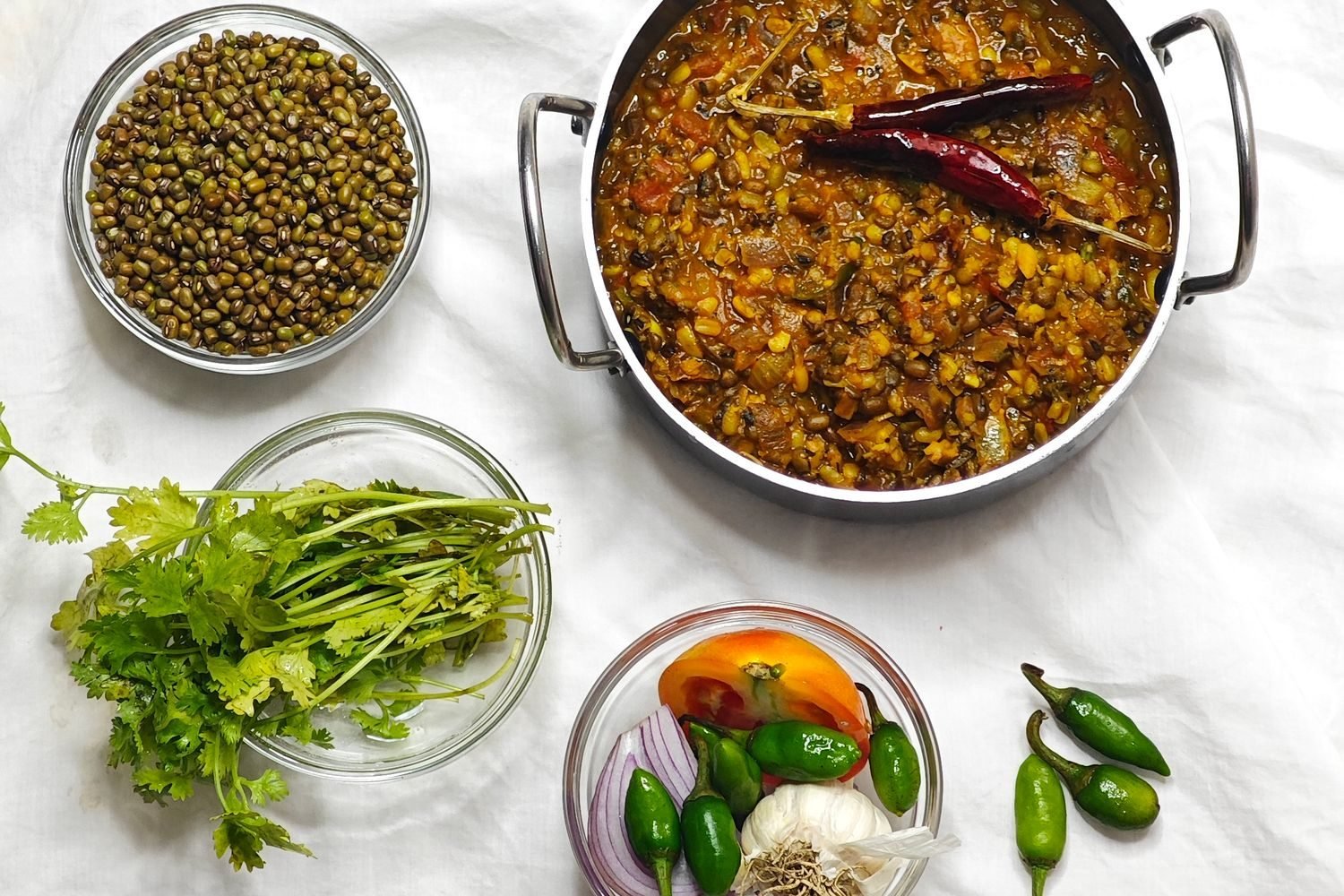
- Dal (lentils): Toor, moong, and masoor dal all deliver 20–25g of protein per 100g in raw form. A kilo of dal at market price feeds a family for several days across dal, khichdi, and sprouts, and remains one of the most affordable staples in the Indian pantry.
- Sprouted legumes: Sprouting moong or chana at home costs almost nothing beyond the raw legume itself, and it boosts vitamin content while making the protein easier to digest — a genuine upgrade for zero extra spend.
- Seasonal paneer: Paneer is pricier than dal or eggs, but making it at home from milk (or buying it when local dairies have surplus milk in winter) cuts the cost meaningfully compared to branded packaged paneer.
The pattern here matters more than any single number: whole, minimally processed staples almost always beat packaged “protein” products on a per-gram-of-protein basis. If you’re mapping this out for the week, it helps to think in terms of a high-protein Indian diet plan built primarily around these five ingredients rather than supplements.
How do you build a balanced plate without spending more?
A balanced plate doesn’t need exotic ingredients — it needs the right proportions of what’s already affordable. A simple, repeatable structure works for almost any budget:
- Half the plate: vegetables. Prioritize whatever is in season and locally grown — it’s cheaper and fresher than produce trucked in from elsewhere.
- A quarter: whole grains. Brown rice, whole wheat roti, or millets like jowar and bajra, which are often cheaper than polished rice in many regions and add fibre.
- A quarter: protein. Rotate between dal, eggs, soya chunks, sprouts, and paneer through the week so you’re not relying on one source alone.
- A small portion of healthy fats. A teaspoon of ghee, mustard oil, or a handful of peanuts covers this without needing imported nut butters.
This structure is close to what most nutritionists recommend regardless of income level — the difference is only in which specific foods fill each quadrant. For a fuller visual breakdown of proportions, see our guide on how to build a healthy plate.
How much can seasonal and local produce actually save you?
Buying vegetables out of season — capsicum in peak monsoon, or grapes outside their window — routinely costs double or triple what the same item costs in season, because it’s either imported, cold-stored, or grown under artificial conditions. Seasonal produce also tends to taste better and retain more nutrients since it hasn’t traveled far or sat in storage for weeks.
A practical approach:
- Shop at your local sabzi mandi rather than premium supermarkets, where the same vegetables often carry a 20–40% markup for packaging and air-conditioned aisles.
- Build your weekly vegetable list around what’s cheapest that week, not a fixed shopping list — this alone can cut your vegetable spend meaningfully without cutting variety over a month.
- Buy in slightly larger quantities when a vegetable is at its seasonal low and freeze or pickle the surplus (bottle gourd, peas, and greens all freeze well after a quick blanch).
Seasonal eating isn’t just a budget trick — it also naturally introduces more variety into your diet across the year, which supports better nutrient coverage than eating the same three vegetables every week regardless of season.
Does buying staples in bulk actually save money?
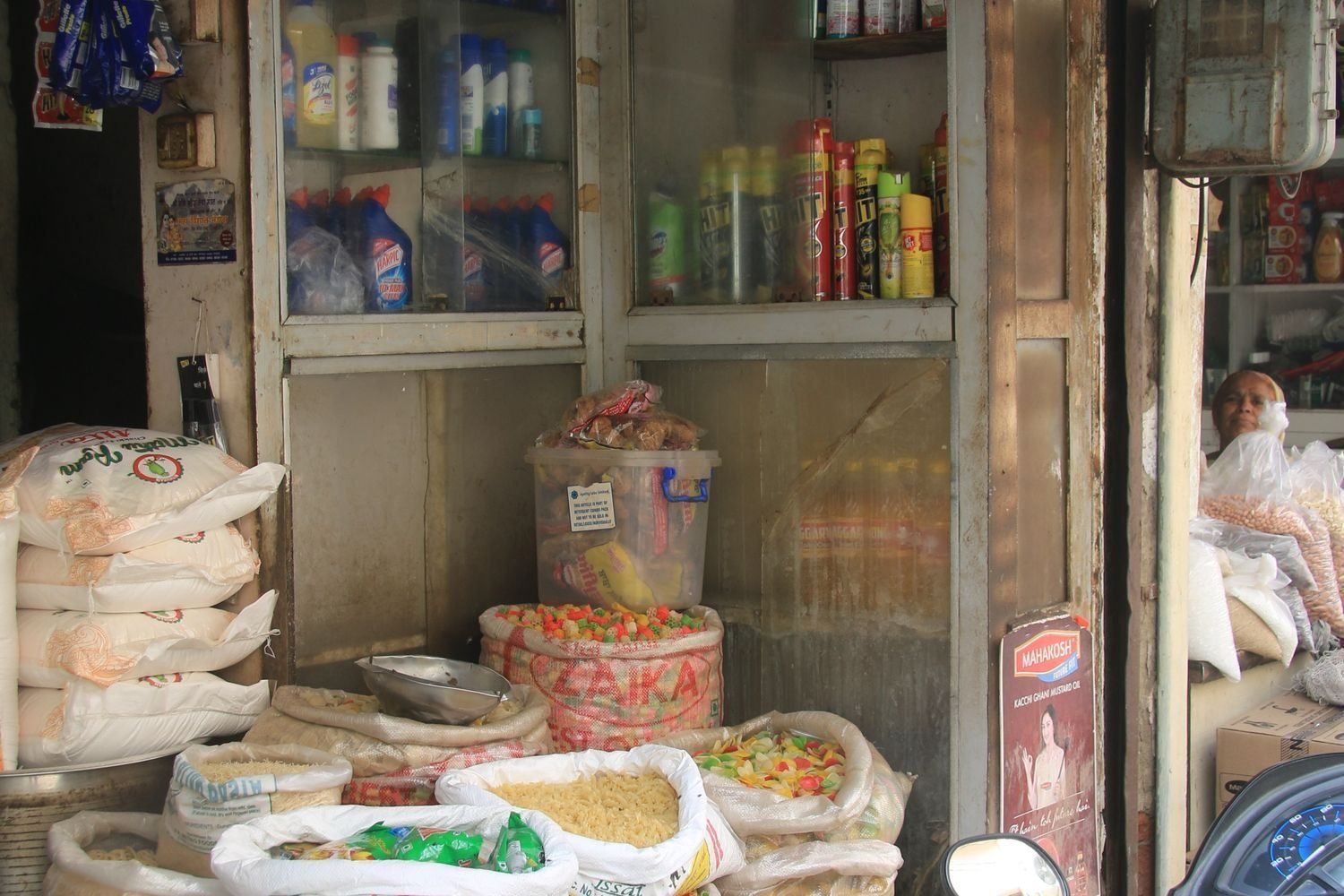
Yes, for non-perishables you’ll use regularly — rice, atta, dal, and oil — bulk buying almost always works out cheaper per kg than smaller packets, and it also means fewer weekly trips to the store. Retail atta prices run around ₹70–75 per kg in many cities, but buying a 10kg or 25kg bag from a wholesale or kirana source typically brings the effective rate down noticeably compared to buying 1kg packets repeatedly.
A few ground rules for bulk buying that actually pay off:
- Only bulk-buy what you’ll finish within its shelf life. Dal and rice store well for months in airtight containers; atta is best used within 6–8 weeks before it starts to lose freshness.
- Split large purchases with a neighbour or family member if your household is small — you still get the wholesale rate without the storage burden.
- Buy oil in 5-litre tins rather than 1-litre pouches — the per-litre cost drops noticeably, and oil has a long shelf life if stored away from heat and light.
- Avoid over-buying spices and condiments in bulk — these are used in small quantities and can lose potency before you finish them.
Bulk buying works best as part of a planned approach rather than impulse stocking. If you plan your meals a week or two ahead, it becomes obvious which staples are worth buying in larger quantities. Our meal planning guide walks through how to structure this without it becoming a chore.
Which “healthy” packaged foods are actually a waste of money?
This is where most budget nutrition advice in India goes wrong — it focuses only on what to buy, not what to stop buying. A significant chunk of grocery spending in health-conscious households goes toward packaged products that carry a “health halo” without delivering proportional nutritional value:
- Protein bars and shakes. Many cost ₹60–100 per bar for 10–15g of protein — that’s several times the cost per gram compared to eggs or dal, once you actually run the math instead of trusting the label.
- Imported “superfoods.” Chia seeds, quinoa, and goji berries are nutritious, but so are flax seeds, foxtail millet, and amla — local equivalents that cost a fraction of the price and are often more nutrient-dense for their category.
- “Diet” or “low-fat” packaged snacks. These are frequently just regular snacks with added sugar or starch to compensate for reduced fat, priced at a premium for the marketing rather than the nutrition.
- Cold-pressed juices and detox products. A whole fruit costs less, retains fibre that juicing removes, and does the same job without the inflated price tag.
- Flavoured yogurt and health drinks. Plain dahi made at home costs a fraction of flavoured branded cups and usually has less added sugar.
None of this means these products are inherently bad — it means they’re rarely worth the price difference when a home-cooked or whole-food alternative delivers the same or better nutrition. If your goal includes weight management, this distinction matters even more, since many “diet” products are calorie-dense despite their branding. Our nutrition for weight loss guide covers this in more detail.
Why does home cooking beat processed “diet” food on both cost and nutrition?
Home-cooked meals let you control salt, oil, and sugar directly, while packaged and processed foods are formulated to be shelf-stable and palatable — which usually means more of all three. A simple dal-roti-sabzi meal cooked at home typically costs a fraction of an equivalent packaged “healthy meal” or restaurant diet thali, and gives you more control over portion size and ingredient quality.
Batch cooking dal, sprouting legumes in advance, and prepping vegetables for the week are small habits that make home cooking sustainable on busy weekdays rather than something reserved for weekends. Once a few of these staples are stocked and prepped, putting together a nutritious meal takes barely more time than opening a packet.
This is really the core of eating well on any budget in India: it’s less about finding cheap substitutes for expensive foods, and more about recognizing that the traditional, everyday Indian diet — dal, sabzi, roti, rice, eggs, seasonal fruit — was already built around affordable, balanced nutrition long before “superfoods” and protein bars existed. For more habits that compound over time, see our piece on healthy eating habits to build.
How do you plan a full week of budget-friendly healthy meals?
Planning ahead is what actually makes budget eating sustainable — without a plan, convenience wins and you end up spending more on last-minute takeout or packaged snacks. A workable weekly approach:
- Pick 2–3 dals and rotate them across the week so you’re not eating the exact same meal daily, while keeping your shopping list short and predictable.
- Cook a large batch of sprouts or soaked legumes on Sunday to use across salads, curries, and snacks through the week.
- Plan your protein source around what’s cheapest that week — if eggs are on sale or soya chunks are stocked up, lean into those meals more.
- Keep one “clear out the fridge” meal midweek using whatever vegetables are close to turning, which reduces waste and effectively lowers your grocery bill.
If you want a more structured version of this, particularly if weight management is also a goal, our Indian diet plan for weight loss lays out sample day-wise meals using exactly these budget staples.
Frequently asked questions
Is dal or eggs a better protein source on a tight budget?
Both are excellent choices, and the right answer is usually both together. Dal offers fibre and plant protein at a very low cost per gram, while eggs offer complete, highly bioavailable protein at roughly ₹0.09 per gram of protein. Rotating between them across the week gives better nutrient variety than relying on just one.
Can vegetarians eat high-protein meals affordably in India?
Yes. Dal, soya chunks, sprouted legumes, paneer, and dairy together cover a full day’s protein needs without eggs or meat. Soya chunks in particular are among the cheapest protein sources per gram available in Indian markets, making a vegetarian high-protein diet very achievable on a modest budget.
Are protein powders necessary for a healthy diet in India?
For most people eating a varied diet with dal, eggs, dairy, and legumes, protein powder isn’t necessary — whole foods can meet daily protein needs at a lower cost per gram. Powders can be a convenience option for very high-activity individuals, but they’re not a budget-friendly default for general health.
How do I eat healthy on a budget if I eat out often?
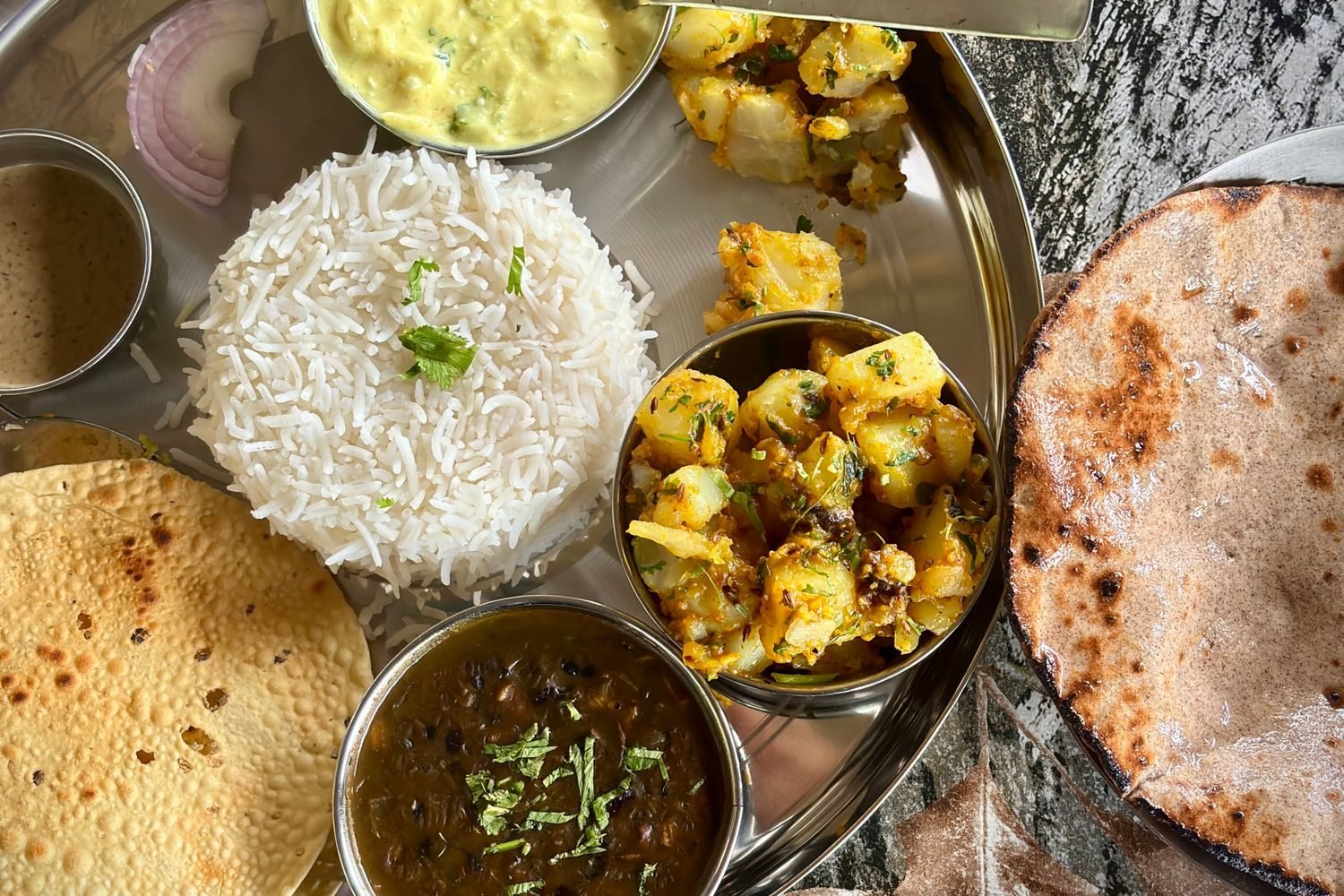
Prioritize simple thali meals over packaged “diet” combos or premium salad bowls — a regular dal-roti-sabzi thali is usually both cheaper and more balanced. When eating out, choosing home-style regional food over processed fast food or marketed “healthy” fast-casual options saves money and often delivers better nutrition too.
Does eating seasonal produce really make a nutritional difference?
Seasonal produce is typically fresher and hasn’t spent as long in transport or cold storage, which can mean better retention of vitamins compared to off-season produce. The bigger, more consistent benefit is cost — in-season vegetables and fruits are reliably cheaper, which makes it easier to eat a varied, colourful diet consistently.
Eating healthy on a budget in India isn’t about finding shortcuts — it’s about trusting that dal, eggs, seasonal vegetables, and home cooking were already the smart choice long before packaged health food became an industry. Start with what’s already in your kitchen and market, plan a few meals ahead, and the rest follows naturally. If you’d like a plan tailored to your specific budget, goals, and food preferences, consider booking an online nutritionist consultation to get a structured, practical starting point.