The healthiest evening snack for the Indian 4-6pm chai window is one that pairs protein or fibre with your tea instead of refined flour and oil — think roasted makhana, sprouts bhel, or roasted chana, not samosas and pakoras. This single swap, made most days of the week, is often enough to stop the pre-dinner energy crash and the second helping of fried snacks that follows it.
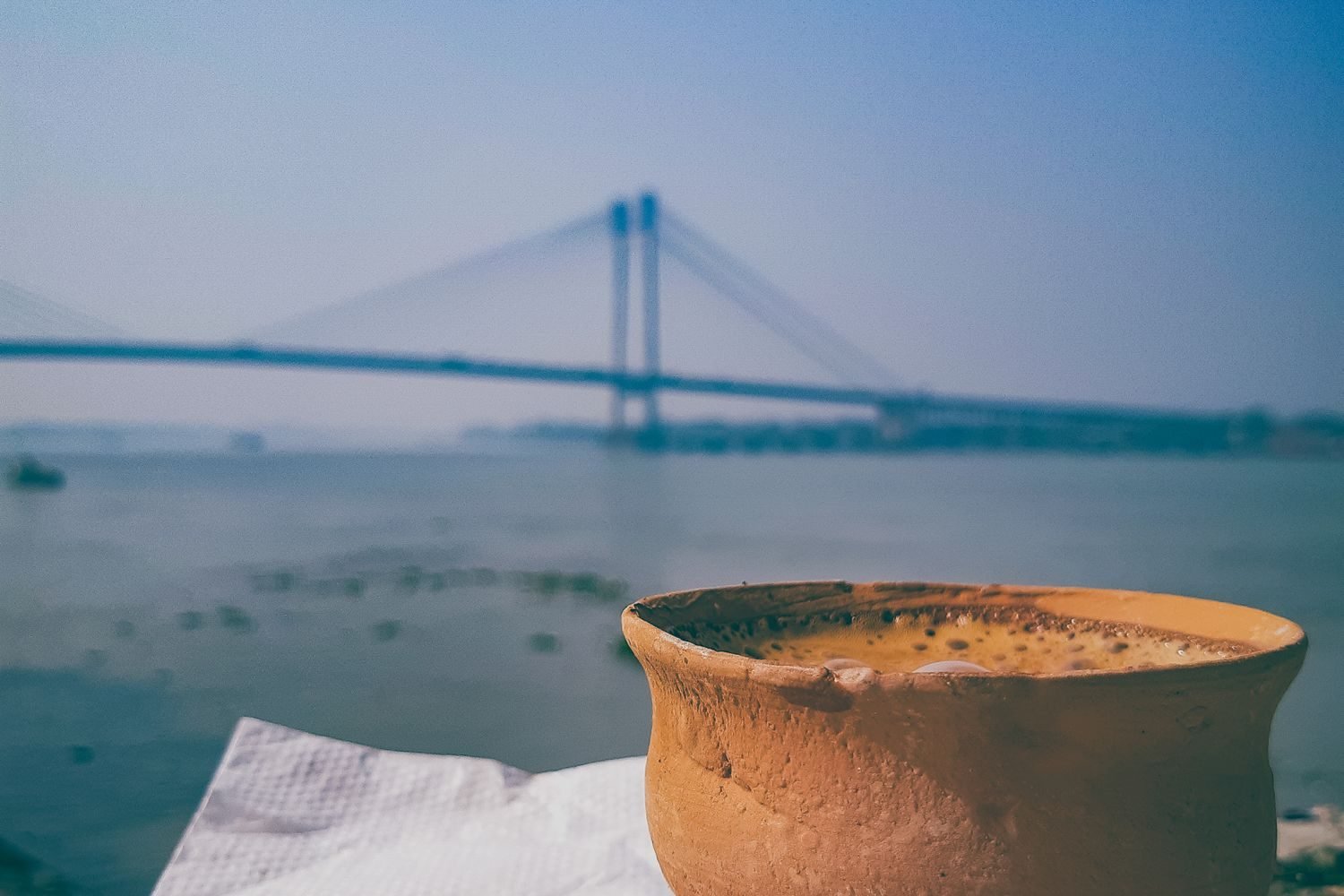
Evening snacking in India isn’t really optional — it’s cultural. Chai time is a ritual, a break, a social moment. The problem was never the tea. It’s what sits next to the cup. This guide covers why the 4-6pm window deserves more nutritional attention than it usually gets, and gives you specific, realistic swaps for the snacks most Indian households reach for by habit.
Why does evening snacking matter so much in Indian eating patterns?
For most Indians, lunch happens between 1-2pm and dinner rarely before 8-8:30pm. That’s a six-to-seven-hour gap — longer than the gap between any other two meals in the day. Left unmanaged, this stretch produces a real dip in blood sugar and energy by mid-afternoon, which is exactly why the 4-6pm chai break exists in the first place. The instinct to snack here isn’t a willpower failure; it’s a physiological response to a long fasting window.
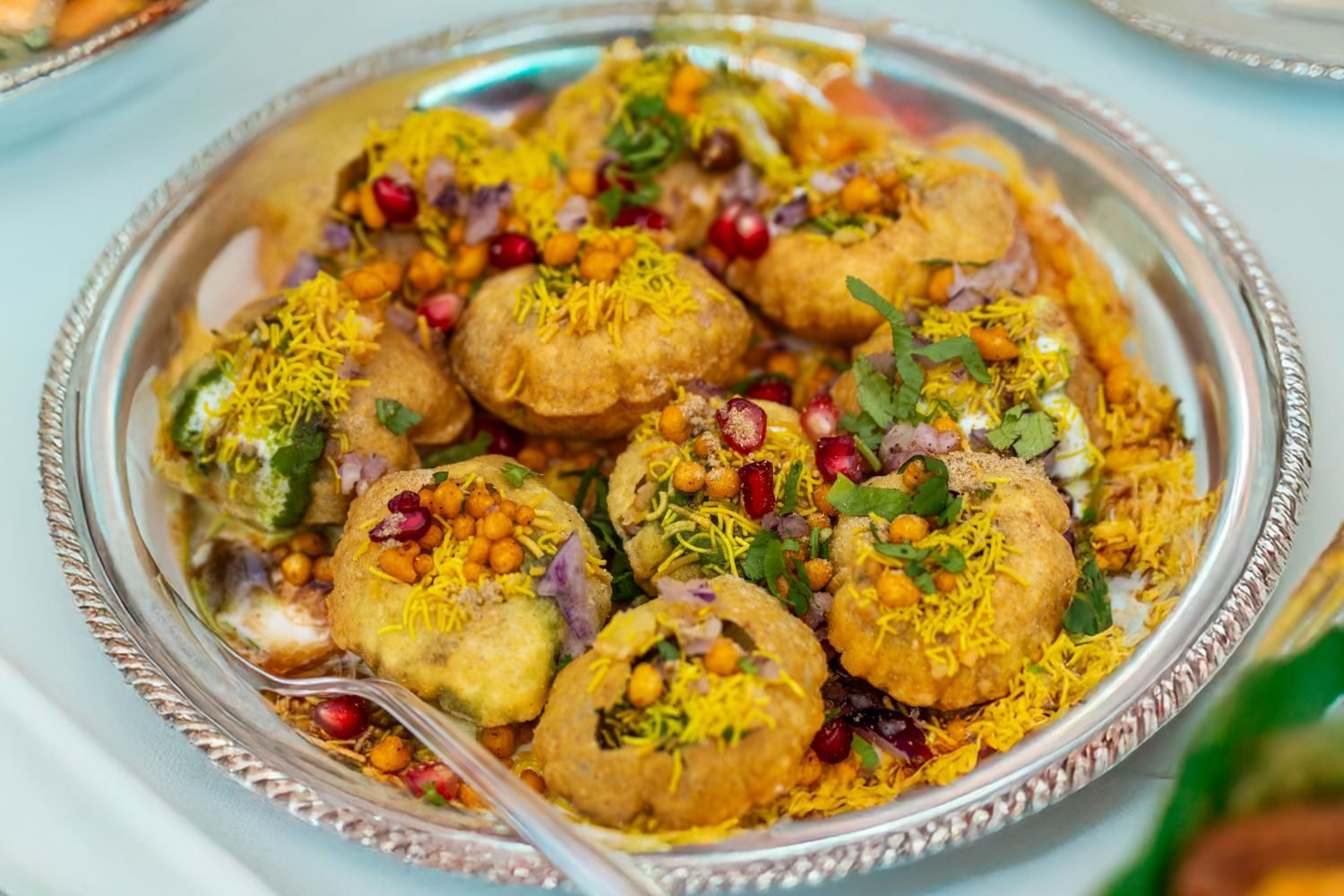
The trouble is what fills that gap. Deep-fried snacks like samosas, kachoris, and pakoras are calorie-dense and often eaten in multiples “because it’s just evening snacking, not a real meal.” A single samosa can run 250-300 calories and a plate of pakoras with chutney can easily cross 400-500 calories in oil alone. Eaten daily, this adds up fast without ever feeling like overeating, because it’s mentally filed as a “snack,” not a meal.
Done right, this window can instead work in your favour — a well-timed protein-and-fibre snack blunts hunger going into dinner, which tends to lower how much you eat at night. If you want the broader science on why timing and composition matter for snacking generally, our guide on healthy snacks for weight loss covers the mechanics in more depth.
What makes fried evening snacks like samosas and pakoras a trap?
It’s not that samosas or pakoras are “bad” in isolation — it’s the pattern. Three things make fried tea-time snacks particularly easy to overdo:
- They’re eaten alongside sweet chai. The combination of fried, salty food with sugary tea creates a flavour loop that keeps you reaching for more.
- Portion sizes are loose. Unlike a plated meal, snack portions at tea time are rarely measured — two pakoras becomes four without much notice.
- The oil is often reused. Street-style and even home-fried snacks made in oil that’s been reheated multiple times carry higher levels of harmful compounds, which is a separate concern from the calorie count alone.
None of this means fried snacks need to disappear from your life entirely. The realistic approach is frequency: an occasional plate of pakoras on a rainy evening is very different from a daily habit. The goal for most days is to have a lower-oil, higher-protein or higher-fibre option ready so you’re not defaulting to fried food simply because it’s what’s available — the same principle covered in our broader piece on healthy snacks for weight loss.
What are the best healthy swaps for classic Indian evening snacks?
You don’t need to reinvent chai time — you need better versions of what you already crave. Here are direct, like-for-like swaps that keep the flavours familiar while changing the nutrition profile.
Roasted makhana instead of fried snacks
Makhana (fox nuts/lotus seeds) roasted dry in a teaspoon of ghee with a pinch of black salt and turmeric delivers a satisfying crunch that mimics the fried-snack experience. Roasted makhana runs roughly 9-10g protein and around 340-350 calories per 100g, with close to 14g of fibre per 100g — a genuinely different macro profile from a deep-fried snack, and it fills the same “crunchy tea-time bite” role. A standard bowl (around 30g) works out to roughly 100 calories, so you can eat a satisfying portion without the guilt calculus that comes with pakoras.
Sprouts bhel instead of regular bhel puri
Regular bhel puri built on fried puris and sev is mostly refined carbs and oil. Swap the base for boiled moong or mixed sprouts, and you get a bhel that’s still tangy, still crunchy (from cucumber, pomegranate, and a light handful of murmura/puffed rice instead of fried sev), but now carries real protein and fibre from the legumes. Add chopped onion, tomato, coriander, lemon juice, and chaat masala — the flavour profile Indians actually crave from bhel is preserved almost entirely.
Roasted chana instead of namkeen mixtures
Packaged namkeen mixtures are fried and high in sodium, and it’s easy to eat well past a sensible portion because they’re designed to be moreish. Roasted chana (dry-roasted chickpeas) is a straightforward substitute — it delivers roughly 18-20g of protein per 100g along with a hefty dose of fibre, so a small handful keeps you full for longer than an equivalent amount of namkeen. Toss it with chaat masala and a squeeze of lime if you miss the tangy note.
Baked instead of fried, wherever possible
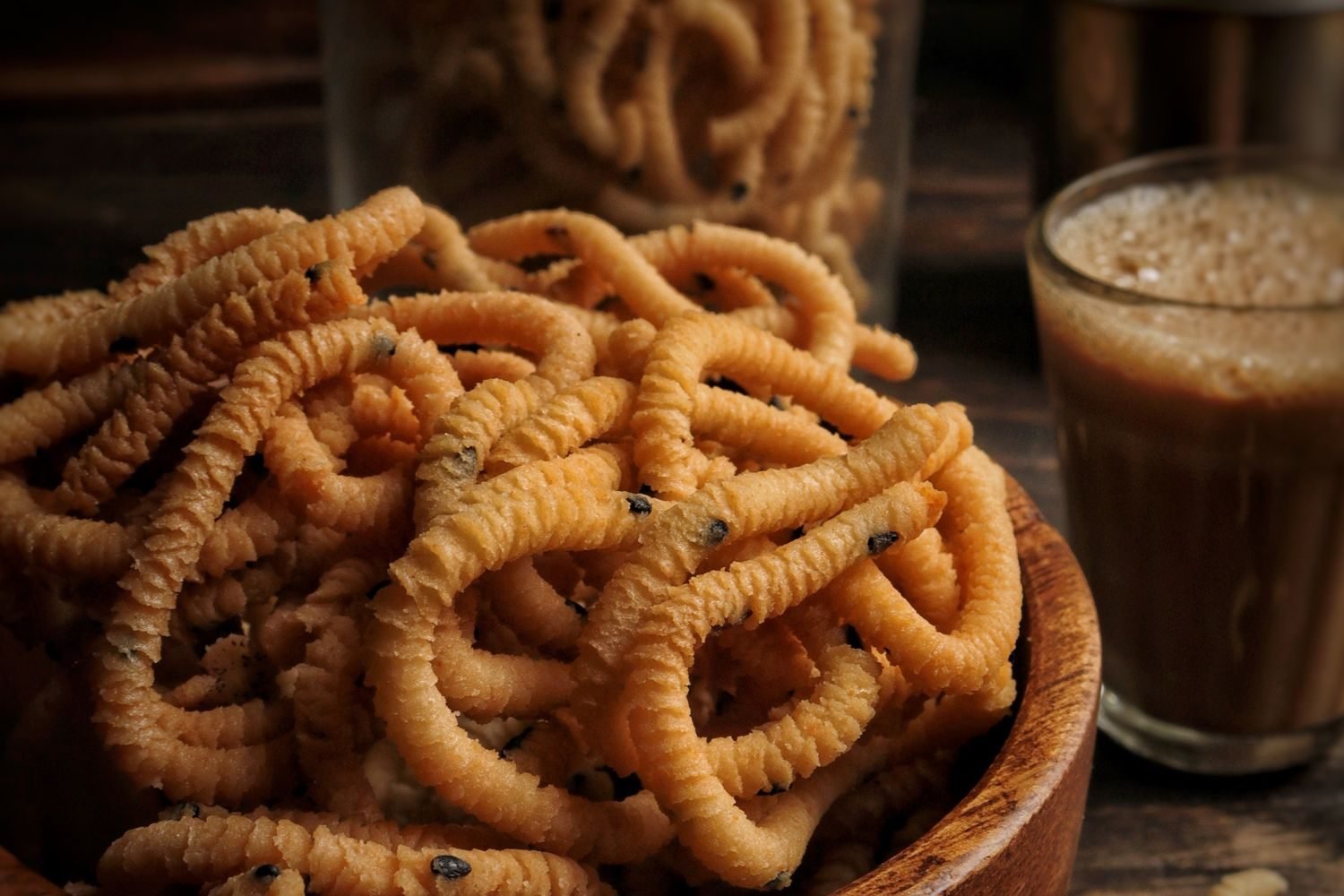
Many classic snacks — mathri, chakli, even a version of samosa — can be baked or air-fried instead of deep-fried. You lose some of the exact texture but keep the flavour, and you cut the added oil dramatically. This is less about a single recipe and more a standing rule: before frying, ask if a baked or air-fried version would still be enjoyable. Often it is.
What are some practical healthy evening snack recipes to try this week?
Theory is easy; a plan for Monday through Friday is what actually changes habits. Here are five snack ideas that take 10-15 minutes or less and use ingredients most Indian kitchens already stock.
- Roasted makhana chaat: Dry-roast 1 cup makhana in a heavy pan for 5-7 minutes until crisp, toss with 1/2 tsp ghee, roasted cumin powder, black salt, and a dash of chaat masala.
- Moong sprouts bhel: Mix 1 cup sprouted moong, chopped tomato, onion, cucumber, coriander, green chilli, lemon juice, and a small handful of murmura for crunch.
- Masala roasted chana: Toss dry-roasted chana with a pinch of red chilli powder, chaat masala, and lemon juice for a spicy, tangy bite that pairs well with chai.
- Steamed dhokla: A fermented besan snack that’s steamed, not fried, and naturally protein-rich from the gram flour base — a good option when you want something warm and savoury.
- Peanut and jaggery chikki bites (small portion): A traditional combination of protein from peanuts and quick energy from jaggery, useful on days when you need something sweeter than savoury — keep the portion to a couple of small pieces since jaggery is still sugar.
Keep two or three of these prepped in airtight containers so the fried-snack default loses its main advantage: convenience. If you’re often snacking away from home — at the office or while travelling — our list of healthy snacks on the go has portable versions of similar ideas, and many of these same swaps double as good high-protein snacks if you’re tracking intake more closely.
How much should you actually eat at evening snack time?
Portion matters as much as the swap itself. A reasonable evening snack should sit somewhere around 150-200 calories with at least 5-8g of protein or a meaningful dose of fibre — enough to bridge to dinner without functioning as a second lunch. Roughly:
- Roasted makhana: a small bowl, about 30g
- Roasted chana: a closed-fist handful, about 30g
- Sprouts bhel: one medium bowl, about 150g
If you’re trying to build a snack routine that also supports weight goals rather than just curbing hunger, it helps to look at protein content specifically — our high-protein snacks list breaks down protein-per-serving across a wider range of options, Indian and otherwise. And if fibre is your main gap (common in diets heavy on refined flour), the fiber nutrition guide explains how much you actually need daily and why it matters for satiety.
How do you make this a sustainable evening habit, not a one-off?
The households that stick with healthier evening snacking tend to do three things consistently:
- They pre-portion. Bulk-roasting makhana or chana once a week and storing it in small jars removes the daily decision-making.
- They don’t ban fried snacks outright. Making samosas or pakoras a once-a-week treat rather than an everyday habit is far more sustainable than an all-or-nothing rule that eventually breaks down.
- They treat tea time as a real snack, not a free pass. The mental shift from “it’s just chai time” to “this is one of my day’s meals” is often what changes behaviour more than any specific recipe.
If you’re rethinking your eating pattern more broadly — not just the evening slot — our overview on nutrition and food is a good starting point for how snacks fit into a full day’s intake.
Frequently Asked Questions
Is roasted makhana actually healthier than a samosa?
Yes, by a wide margin. A samosa is deep-fried refined flour with minimal fibre or protein and runs 250-300 calories. A 30g bowl of ghee-roasted makhana is around 100 calories with roughly 3g protein and meaningful fibre, and it satisfies the same crunchy, savoury craving.
Can I still have chai with these healthier snacks?
Yes — the tea itself isn’t the issue. If you take sugar in your chai, consider reducing it gradually, since sweet tea alongside a savoury snack is part of what drives overeating. Unsweetened or lightly sweetened chai pairs fine with any of the swaps above.
How do I stop craving fried snacks at 5pm every day?
Cravings at this time are usually a sign of blood sugar dropping after a long lunch-to-dinner gap. A protein-or-fibre-forward snack (roasted chana, sprouts bhel) tends to reduce the craving itself within a couple of weeks, not just replace the fried option.
Are packaged “healthy” namkeen or baked chips actually better?
Check the label rather than trusting the packaging. Many “baked” snacks still carry high sodium and added oil to mimic fried texture. Homemade roasted makhana or chana, where you control the oil and salt, is usually the more reliable choice.
Is sprouts bhel safe to eat regularly, or does it upset digestion?
For most people, sprouted moong is easy to digest and, in fact, gentler than raw legumes because sprouting breaks down some of the compounds that cause bloating. If you’re new to sprouts, start with a smaller portion and increase gradually.
Small, repeated changes to the 4-6pm window add up faster than most people expect, precisely because it happens daily. If you’d like a snacking and meal plan built around your specific goals and schedule, an online nutritionist consultation can help you turn these swaps into a routine that actually sticks.