The honest answer: no herb or spice on the market today produces meaningful weight loss on its own. Green tea, cinnamon, fenugreek, ginger, black pepper, and garcinia cambogia have all been studied in real clinical trials, and the pattern is consistent — effects are statistically insignificant, clinically tiny, or dependent on doses far higher than what you’d get from food or a standard capsule. That doesn’t mean these plants are useless. It means herbal nutrition for weight loss is a supporting cast member at best, never the lead. Here’s what the research on each popular herb actually shows, where the safety concerns are real, and why a calorie-appropriate, protein-and-fiber-adequate diet still does the heavy lifting no supplement can replace.
Does green tea actually help you lose weight?
Green tea is probably the most heavily studied “fat-burning” herb, and the research is genuinely mixed rather than glowing. A 2012 Cochrane review of 18 randomized controlled trials lasting at least 12 weeks found that weight loss from green tea preparations in overweight or obese adults was very small, not statistically significant, and not likely to be clinically important. A 2020 critical review in Critical Reviews in Food Science and Nutrition reached a similar conclusion: green tea, like most commonly marketed weight-loss supplements, is unlikely to contribute to meaningful weight loss.
Some newer meta-analyses paint a slightly more favorable picture at higher doses — trials using 100 to 460 mg per day of EGCG (the main catechin in green tea) have shown small reductions in body fat percentage — but even those researchers describe the effect as modest, and it shrinks further when green tea is combined with exercise instead of studied alone, since exercise itself dominates the outcome. A cup or two of green tea is a fine, low-calorie beverage choice, but it will not offset a calorie surplus. If your day-to-day intake still needs structure, a nutrition diet chart for weight loss gives you something far more reliable to build around.
What about green tea extract supplements specifically?
Concentrated extracts deliver far more EGCG than brewed tea, and that’s exactly where the safety data gets more cautious. High-dose green tea extract has been linked to rare but serious liver injury in case reports, which is one reason researchers emphasize starting low and treating extracts differently from the beverage itself.
Do cinnamon and fenugreek do anything for weight loss?
Cinnamon’s research base is really about blood sugar, not weight. Most trials measure fasting glucose, HbA1c, or insulin sensitivity in people with type 2 diabetes or prediabetes, and some show improvements in BMI as a secondary finding — particularly in people with a BMI of 27 or higher — but cinnamon was never the primary driver of fat loss; better glycemic control was. If you already eat a diet with reasonable nutritional balance for weight loss, cinnamon isn’t going to add a separate weight-loss effect on top of that.
Fenugreek has a small amount of human research suggesting it may modestly increase feelings of fullness and reduce voluntary calorie intake at a meal, largely attributed to its soluble fiber content (galactomannan). But reviewers are consistent: the evidence doesn’t support fenugreek as an effective standalone weight-loss aid, and more rigorous trials are needed. If appetite control is what you’re after, the underlying mechanism — soluble fiber slowing gastric emptying — is something you can get more reliably and in larger amounts from food. That’s really a fiber nutrition strategy wearing a fenugreek costume.
Does garcinia cambogia actually burn fat?
Garcinia cambogia and its active compound, hydroxycitric acid (HCA), had a moment as the “next big thing” in weight-loss marketing, and it’s one of the few herbs with a formal meta-analysis of randomized controlled trials behind it. That analysis found a statistically significant difference in weight loss favoring HCA over placebo — but the mean difference was only about 0.88 kg (under 2 pounds), and the researchers themselves called the clinical relevance of that amount uncertain. No study has shown whether even that small effect persists beyond about 12 weeks, and results across individual trials are inconsistent — some show a small benefit, others show none at all.
Safety is where garcinia deserves more caution than marketing copy usually gives it. Gastrointestinal side effects were roughly twice as common in the HCA group compared with placebo in at least one trial, and there have been case reports of liver toxicity associated with garcinia-containing products, though a direct causal link is still debated. The National Center for Complementary and Integrative Health (NCCIH) lists garcinia cambogia among supplements without convincing evidence of weight-loss benefit, alongside acai and bitter orange.
What does the evidence say about ginger and black pepper (piperine)?
Ginger and piperine (the compound that makes black pepper pungent) are newer entrants to the weight-loss conversation, and most of the compelling data so far comes from animal studies rather than large human trials. In rodent models, ginger extract has reduced body weight gain and visceral fat accumulation and improved glucose and lipid markers. Laboratory research on piperine suggests it can interfere with the formation of new fat cells and has shown benefits for cholesterol and triglyceride levels in some human trials of overweight adults.
That’s meaningfully different from proof that ginger or black pepper reduces body weight in people over the long term. Human trials are small, short, and often look at secondary markers like lipid profiles rather than sustained fat loss. Piperine is also marketed heavily as a “bioavailability enhancer” added to other supplements — a real pharmacological property, but it means piperine’s main practical effect may be making other ingredients (or medications) more potent, not burning fat by itself.
Is there any harm in using ginger or black pepper regularly?
As culinary spices, both are very safe for most people. The caution applies mainly to concentrated supplement doses, and to piperine’s interaction potential — because it can increase absorption of certain drugs, it can also increase their side effects.
Which herbal weight-loss supplements actually carry real safety risks?
This is the section worth reading even if you skip everything else. NCCIH’s clinical guidance is blunt: “natural” does not mean “safe,” and many supplements marketed for weight loss — especially products sold as “fat burners” or appetite suppressants — have never been formally tested for safety. A few specific concerns worth knowing:
- Ephedra was banned by the FDA after being linked to cardiovascular complications, stroke, and death. Some “ephedra-free” products now use other stimulants or high caffeine loads that can cause similar heart rhythm problems.
- Contamination and hidden ingredients are a documented problem — some weight-loss products have been found to contain undisclosed pharmaceutical drugs.
- Emergency room data cited by NCCIH shows that nearly three-quarters of ED visits involving cardiac symptoms tied to supplements were linked specifically to weight-loss or energy products.
- Drug interactions are common and often overlooked. Herbs can affect how the liver metabolizes prescription medications, alter blood clotting, or change blood sugar and blood pressure medication effects.
If you’re on prescription medication, pregnant, breastfeeding, or managing a chronic condition, talk to a doctor or pharmacist before adding a concentrated herbal extract to your routine — not the tea or the spice in your food, but the capsule or powder sold as a “fat burner.”
So why do herbal weight-loss supplements still get marketed so aggressively?
Because the regulatory bar is low and the story sells. In the US, dietary supplements don’t need to prove effectiveness before hitting shelves the way medications do — companies can make structure/function claims based on limited or preliminary lab research, then let marketing exaggerate the rest. A compound that shows an interesting mechanism in a petri dish or a mouse (“blocks fat cell formation,” “boosts metabolism”) gets fast-tracked into headline copy long before it’s shown to do the same thing in a human eating a normal diet.
The pattern across nearly every herb in this article is the same: researchers find a small, real, but modest effect — or no effect at all — and marketing rounds it up to “melts fat” or “burns belly fat fast.” That gap between the study and the sales page is exactly where skepticism earns its keep.
What actually moves the needle if herbs don’t?
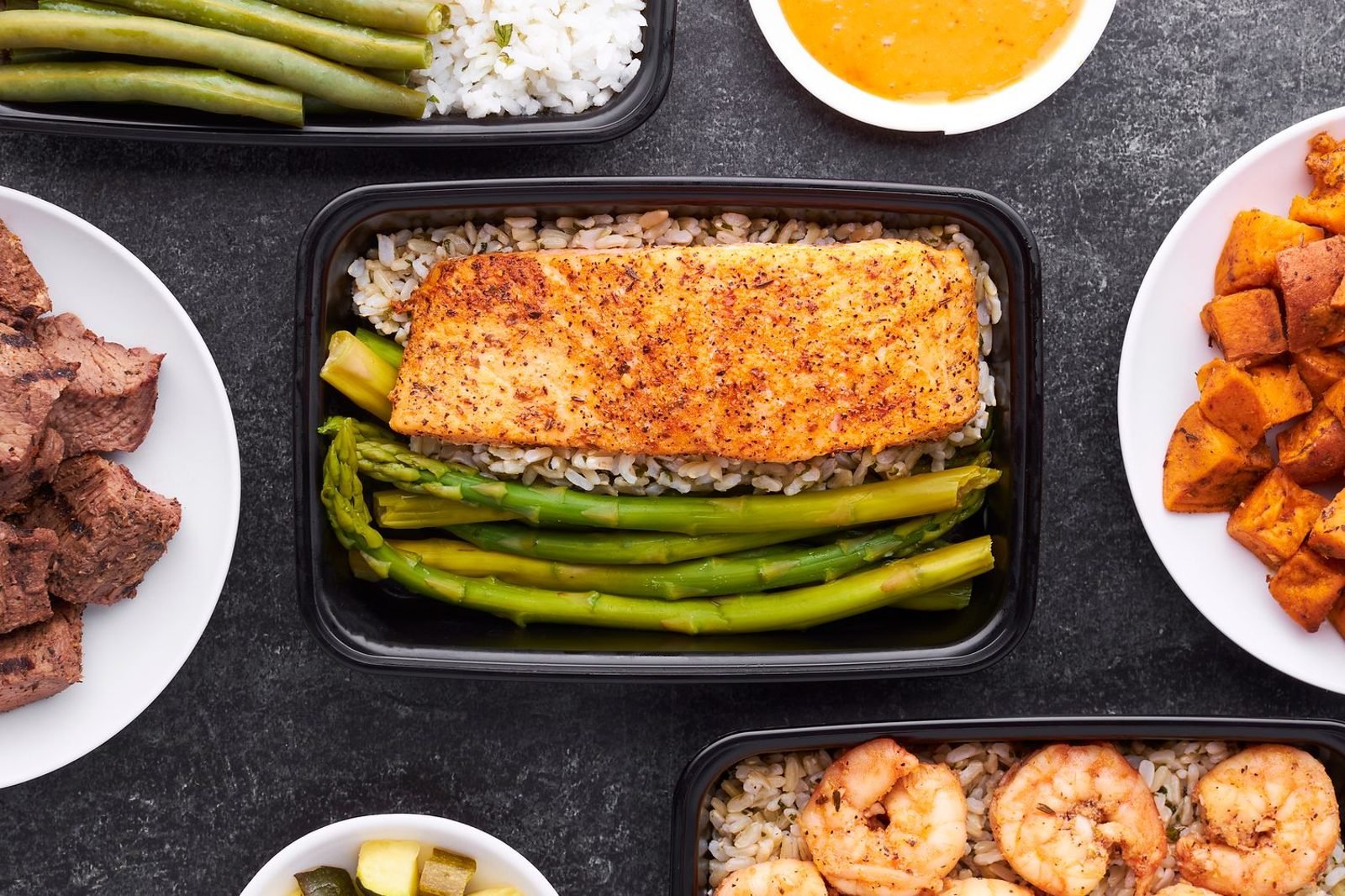
The unglamorous truth is that the fundamentals which drive real, sustained fat loss haven’t changed: a consistent calorie deficit, adequate protein to preserve muscle while you lose weight, enough fiber to manage hunger, and activity you can actually sustain. None of the herbs above come close to the effect size of getting these basics right. Start with the core framework in our guide to nutrition for weight loss, then look at how protein and nutrition work together to protect lean mass in a deficit, and how nutrition and fat loss actually relate — fat loss is a downstream result of consistent inputs, not a switch any single ingredient flips.
Herbs and spices can still earn a place in your kitchen. Cinnamon in oatmeal, ginger in a stir-fry, black pepper on everything, a cup of green tea instead of a sugary latte — reasonable, low-risk swaps that support a healthy overall pattern of eating. Just don’t mistake them for the mechanism doing the work. They’re seasoning on a plan, not the plan itself.
Frequently Asked Questions
Is there any herb backed by strong evidence for weight loss?
No single herb has strong, consistent evidence for meaningful weight loss. Green tea and garcinia cambogia have the most research behind them, and even their best-case results are small — often under a kilogram or two of extra loss compared to placebo over several months.
Can I combine multiple herbal supplements for a bigger effect?
Stacking supplements doesn’t reliably add up to a bigger benefit, and it increases your risk of interactions, contamination exposure, and side effects. Combination “fat burner” products are exactly the category NCCIH flags as least tested for safety.
Are herbal teas safer than supplement capsules or extracts?
Generally yes. Brewed teas and culinary spice amounts deliver much lower doses of active compounds than concentrated extracts or capsules, which is where most of the documented safety concerns (like liver injury reports with high-dose green tea extract) tend to occur.
Should I stop taking a weight-loss herb before starting a new eating plan?
You don’t necessarily need to stop culinary use of spices like cinnamon or ginger. But if you’re taking a concentrated extract or “fat burner” supplement, it’s worth mentioning to a healthcare provider or nutrition coach, especially if you take other medications.
Why do herbal supplements often show promising results in early studies?
Early promise usually comes from lab or animal studies, where doses and conditions don’t reflect real human use. Effects frequently shrink or disappear once tested in properly controlled human trials, which is why systematic reviews matter more than any single study.
If you’d rather build a plan around what the evidence actually supports instead of chasing the next trending herb, an online nutritionist consultation can help you get a plan that doesn’t rely on supplements — just a calorie target, protein and fiber goals, and food choices that fit your life.