A good female workout is a structured mix of strength training, some form of cardiovascular work, and deliberate recovery, built around a woman’s actual goals rather than a generic “toning” plan copied off social media. At FitStrot, we build these programs for our clients every week, and the pattern that works best almost always centers on lifting weights two to four times a week, moving daily in some form, and treating rest as part of the training rather than an afterthought. It’s simpler than most fitness content makes it sound.
What Should a Female Workout Actually Include?
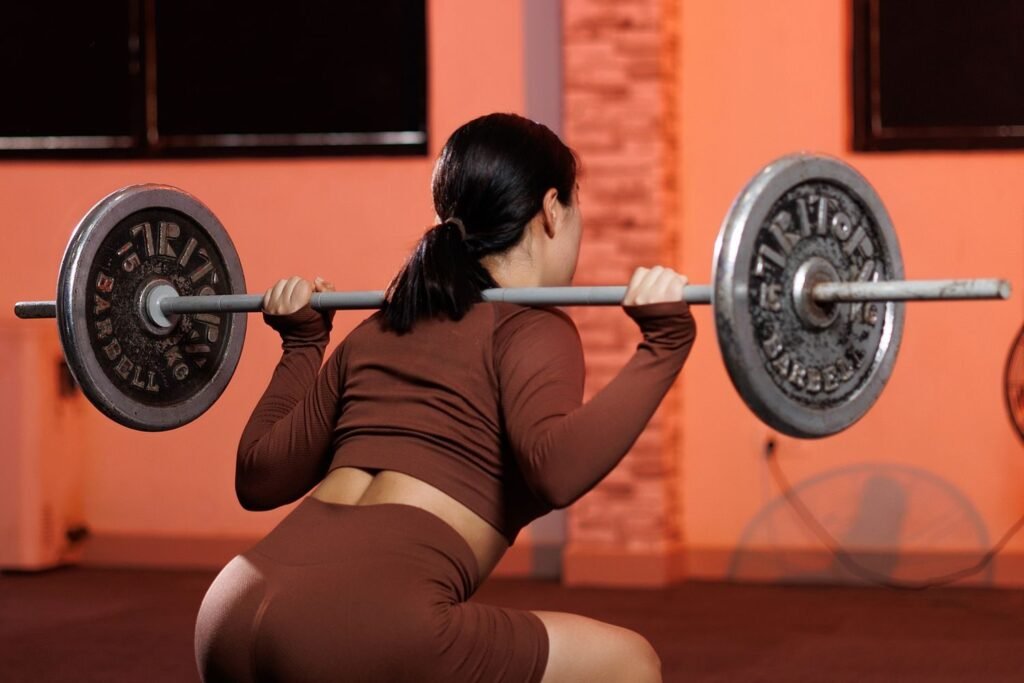
Strength training has to be the backbone. Not because cardio is bad, but because muscle is the thing that changes your metabolism, your bone density, your posture, and how your body looks in clothes. A lot of women come to us having done years of cardio-only routines and wondering why their body composition hasn’t changed much despite the effort. The missing piece is almost always resistance work.
A well-rounded female workout typically includes:
- Strength training for major muscle groups (legs, back, chest, shoulders, core), two to four sessions a week
- Some form of cardio, whether that’s brisk walking, cycling, swimming, or interval work, two to three times a week
- Mobility or stretching work, even just ten minutes after a session
- At least one full rest day, sometimes two depending on training age and stress levels
If you’re just starting out and want a broader library of routines to pull from, our guide on workouts for women covers exercise selection in more depth. This piece is about the bigger picture: how the pieces fit together across a week and why the structure matters more than any single exercise.
Will Lifting Weights Make You Bulky?
No, and this myth has probably kept more women out of the weight room than any other piece of bad fitness advice. Building visible muscle mass requires a specific and sustained combination of a calorie surplus, high training volume, and years of consistent progressive overload, often supported by hormonal profiles most women don’t have. Testosterone plays a huge role in how easily muscle grows, and the average woman has a fraction of the testosterone an average man does.
What actually happens when women start strength training consistently is the opposite of “bulky.” Muscle takes up less space than fat per pound, so as body composition shifts, most women see themselves getting leaner and more defined, not bigger. The women who do build significant size are usually competitive bodybuilders or powerlifters who train for it deliberately, eat in a structured surplus, and track it for years.
We see this fear come up in almost every first consultation with a new client. Someone will ask us to keep the weights “light” so they don’t get bulky, and within a few weeks of progressive loading, they’re the ones asking to add more weight because they like how strong they feel and how their clothes fit differently.
What Does a Well-Rounded Weekly Training Split Look Like?
Here’s a sample weekly structure we often use as a starting template for clients who are new to structured training. It’s not one-size-fits-all, but it shows how strength, cardio, and recovery can sit together across seven days.
| Day | Focus | Example Session |
|---|---|---|
| Monday | Lower body strength | Squats, hip thrusts, lunges, calf raises |
| Tuesday | Cardio and core | 30 minutes brisk walk or cycling, plank and rotational core work |
| Wednesday | Upper body strength | Rows, push-ups or bench press, shoulder press, bicep and tricep work |
| Thursday | Active recovery | Light walk, mobility drills, stretching |
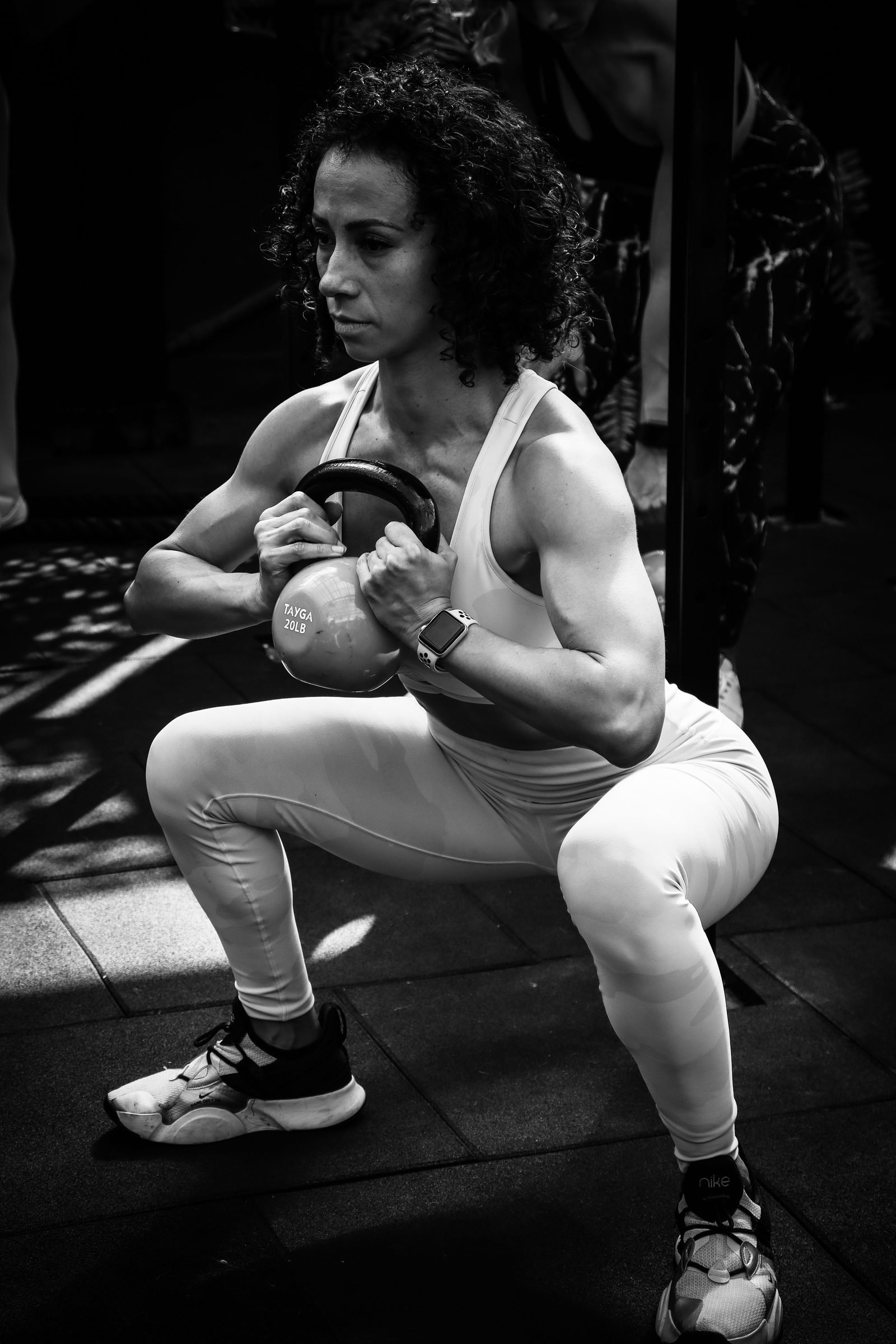
| Friday | Full body strength | Deadlifts, pull-ups or lat pulldowns, goblet squats, core circuit |
| Saturday | Cardio or a class | Interval training, swimming, or a dance or sports session |
| Sunday | Rest | Complete rest or gentle walking |
This split gives you three dedicated strength days, two cardio-focused days, and clear recovery built in. For women who want extra attention on the midsection, our breakdown of stomach workouts for women can slot directly into the core work on Tuesday and Friday.
How Should You Structure Each Training Day?
Within any single session, order matters. Start with a short warm-up of five to eight minutes, enough to raise your heart rate and prep the joints you’re about to load. Then move to the heaviest or most technical lift first, when you’re freshest, before working through accessory movements. Finish with core work or a short cardio finisher if the day calls for it.
Most sessions we program run 45 to 60 minutes. Longer than that and quality tends to drop off, especially for beginners still learning form. Rep ranges depend on the goal, but a common approach is 6 to 10 reps for main lifts to build strength, and 10 to 15 reps for accessory work to add volume without excessive fatigue.
How Do You Stay Motivated When Progress Feels Slow?
Female workout motivation tends to fall apart not because women lack willpower, but because the plan doesn’t give them anything concrete to hold onto. Vague goals like “get fit” or “tone up” don’t survive a bad week. Specific, trackable ones do.
A few things that actually move the needle:
- Track a lift, not just the scale. Watching your squat go from an empty bar to added plates over eight weeks is motivating in a way body weight rarely is.
- Schedule sessions like meetings. Training that lives in your calendar as a fixed appointment gets skipped far less than training you plan to “fit in somewhere.”
- Pair sessions with something you already enjoy, a podcast you save only for the gym, or a training partner you’d feel bad cancelling on.
- Set a deload week every four to six weeks on purpose. A planned lighter week prevents the burnout that usually causes people to quit altogether.
- Review photos or measurements monthly instead of daily. Day-to-day fluctuation is normal and misleading; monthly comparison shows the real trend.
Motivation that depends on feeling excited every single day won’t last. Structure and small, visible wins last much longer, and they’re what we lean on when we coach clients through the inevitable weeks where enthusiasm dips.
How Does Nutrition Fit Into a Female Workout Routine?
Training and eating aren’t separate projects, they’re two halves of the same one. Protein intake matters more than most women realize when strength training regularly, since muscle repair depends on it. A rough starting point many coaches use is around 1.6 to 2 grams of protein per kilogram of body weight per day, adjusted based on goals and how the body responds over time.
Beyond protein, consistency in overall eating patterns tends to matter more than any specific diet trend. Under-eating on training days is one of the most common mistakes we see, particularly among women who’ve been taught to associate exercise with earning fewer calories rather than fueling harder sessions.
Do You Need an App or a Coach to Get Started?
Plenty of women get started with nothing more than a notebook and a plan like the one above. Others prefer having a tool that tracks sets, reps, and progress automatically so nothing gets lost between sessions. If you’re looking for an app or tool to guide your sessions, we cover that separately in our guide to a workout for women app, including what features actually matter versus what’s just noise.
Where a coach earns their place is in the details an app can’t judge: whether your form on a deadlift is actually safe, whether your program needs adjusting because your sleep has been terrible this week, or whether you’re plateauing because of programming or because of recovery. That’s the gap 1-on-1 coaching fills, and it’s the reason structured guidance tends to outperform self-directed training over the long run.
Frequently Asked Questions
What is a good female workout?
A good female workout combines strength training two to four times a week with regular cardio and built-in recovery days. It targets major muscle groups, progresses gradually in weight or reps, and fits realistically into your week. The best routine is one built around your goals and schedule, not a generic template copied from someone else.
How do you do a female workout?
Start with a short warm-up, then train major muscle groups using compound lifts like squats, rows, and hip thrusts before moving to accessory exercises. Aim for 6 to 15 reps depending on the exercise, keep sessions to 45 to 60 minutes, and add weight or reps gradually. Pair this with two to three cardio sessions and at least one rest day.
What are the benefits of a female workout?
A consistent female workout routine builds strength, improves bone density, boosts metabolism, and supports better posture and joint health. It also improves energy, sleep quality, and mood through regular movement. Beyond the physical changes, women who train consistently often report more confidence and a stronger sense of control over their daily energy and body.
Ready to Build a Routine That Actually Fits You?
A written plan is a good start, but it only goes so far without someone adjusting it as your body, schedule, and goals change. That’s exactly what personalized coaching is for. If you’d rather skip the trial and error, FitStrot’s 1-on-1 personal training pairs you with a coach who builds your weekly split around your actual life, checks your form, and adjusts the plan as you progress. It’s the difference between guessing and training with a clear direction.