Yes, eggs make a solid pre-workout food for most people. A whole egg gives you roughly 6 grams of high-quality protein, some fat, and B vitamins that support energy metabolism, without the gut discomfort that heavier meals can cause. The catch is timing: eat two to three whole eggs 60 to 90 minutes before training, and give yourself less protein and more easy carbs if you’re training within 30 minutes. At FitStrot, we build pre-workout nutrition plans around exactly this kind of practical timing, whether that’s eggs, a full meal, or how you time your coffee before workout, not around rigid rules that don’t survive contact with a real morning schedule.

Are Eggs Actually a Good Pre-Workout Food?
Eggs check most of the boxes we look for in a pre-workout snack:
- Complete protein, they carry all nine essential amino acids your muscles need to start the repair process once you start lifting or running.
- Fast digestion, they digest reasonably fast compared to red meat or heavy dairy.
- Cheap and accessible, available in basically every Indian kitchen, which matters more than people admit when you’re trying to build a habit that lasts years, not weeks.
Where eggs fall short is carbohydrates. They have almost none. If your workout is going to be intense or longer than 45 minutes, eggs alone won’t top up your glycogen stores the way a banana or a bowl of poha will. That’s why we rarely recommend eggs in isolation before a hard session. Pair them with a carb source and you’ve got a meal that covers both fuel and repair.
What Do Eggs Actually Do for Your Workout?
The main job eggs do before a workout is supply amino acids that reduce muscle protein breakdown during training. Leucine, one of the amino acids concentrated in egg yolks, plays a direct role in switching on muscle protein synthesis. Eating eggs before you train doesn’t just feed you today’s session, it primes the recovery process that happens afterward.
The fat in egg yolks also slows gastric emptying slightly, which can be a good or bad thing depending on your training intensity. For a moderate strength session, that slower digestion keeps you satisfied without a mid-workout energy crash. For a fast-paced HIIT class or a run, that same fat can sit heavy if you eat it too close to start time. This is the single biggest variable clients get wrong, and it’s worth being blunt about it: the same eggs meal that works perfectly two hours before a gym session can wreck a 6am sprint workout eaten 20 minutes prior.
How Long Before a Workout Should You Eat Eggs?
Give whole eggs 60 to 90 minutes to digest before moderate to intense training. If you’re doing a light session, like mobility work or an easy walk, 30 to 45 minutes is usually fine. If you genuinely only have 15 to 20 minutes before you’re under the bar, skip the yolks and stick to egg whites, or push the eggs to your post-workout meal instead and grab something lighter now.
We see clients who train first thing in the morning default to a rushed three-egg omelette eaten five minutes before they leave the house, and then wonder why they feel sluggish through their warm-up sets. Nine times out of ten, the fix isn’t the eggs themselves, it’s the gap between eating them and starting the workout.
| Timing Before Workout | Best Egg-Based Option | Why It Works |
|---|---|---|
| 90+ minutes | 2-3 whole eggs with toast or oats | Full digestion time, balanced protein and carbs |
| 45-60 minutes | 2 whole eggs, boiled or scrambled | Light enough to digest, still delivers protein |
| 20-30 minutes | 2-3 egg whites only | Lower fat content, faster to clear the stomach |
| Under 15 minutes | Skip eggs, have a banana instead | Fast carbs, no digestion lag before intense effort |
Whole Eggs or Egg Whites Before Training?
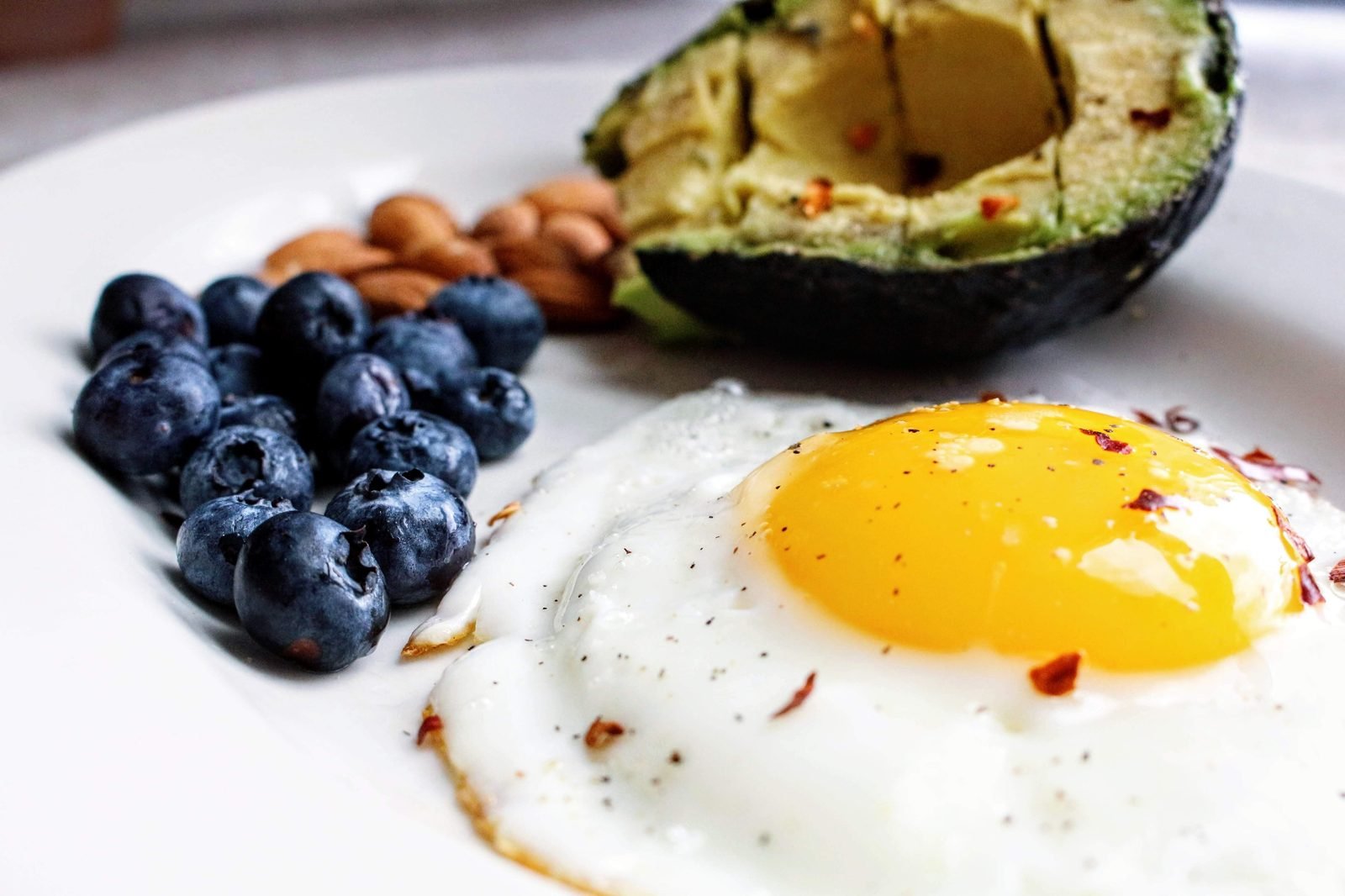
This depends entirely on your timing and your goal. Whole eggs give you the yolk’s fat, cholesterol, choline, and fat-soluble vitamins, all of which matter for hormone production and long-term health. Egg whites give you pure protein with almost no fat, which digests faster and sits lighter if you’re training soon after eating.
We don’t tell clients to fear egg yolks. The old advice to strip every yolk out of your diet for cholesterol reasons has been walked back by a lot of newer research, and dietary cholesterol has a much smaller effect on blood cholesterol for most people than it was once given credit for. Unless a doctor has told you specifically to limit yolks, there’s no need to eat egg whites year-round out of habit. Save the whites-only approach for situations where timing is genuinely tight.
What’s a Good Pre-Workout Egg Meal?
A meal that works for most of our clients: two whole eggs, one slice of whole wheat toast or a small bowl of oats, and a piece of fruit. That gives you roughly 15 to 20 grams of protein, 30 to 40 grams of carbohydrate, and enough fat to keep you satisfied without feeling weighed down. If you’re someone who trains better with caffeine in the mix, that’s a habit worth timing properly too, since the two aren’t mutually exclusive.
If eggs alone feel too plain, boiled eggs with a banana is one of the simplest combinations you can prep the night before. No cooking required in the morning, no excuses to skip breakfast because you’re short on time.
Can You Train on an Empty Stomach With Just Eggs Beforehand?
Some people genuinely train better fasted, and that’s a legitimate approach, especially for lower-intensity cardio. But if you’re going to eat something small before an empty-stomach-style session, a couple of eggs is actually a smart choice precisely because they won’t flood your gut with carbs or sugar right before you move. The key is quantity and timing: small amount, enough time to digest.
What we’d push back on is the idea that you need to be fully fasted for fat loss or performance. That’s an oversimplified take that ignores how much individual tolerance varies. Try both approaches for a couple of weeks each and go with whichever one lets you actually hit your numbers in the gym.
Eggs Before Workout vs Eggs After Workout: Does It Matter?
It matters, but not as dramatically as some fitness content suggests. Pre-workout eggs mostly help with satiety and topping off amino acid availability. Post-workout eggs play a bigger role in actual muscle repair, since that’s the window where your body is most primed to use incoming protein for recovery. If you can only fit eggs into one part of your day, we’d lean toward after training, paired with a carb source to replenish glycogen. Our guide on after workout food breaks down exactly how to build that meal and why the 30-to-60-minute window gets more credit than it sometimes deserves.
Realistically, most people don’t need to overthink either side of this. Eat protein consistently across your day, get a reasonable amount before and after training, and the exact minute-by-minute timing matters far less than total daily intake.
Do You Need Supplements Alongside Eggs?
For most people training three to five times a week, whole foods like eggs cover the bulk of what you need before a session. Supplements can fill specific gaps, particularly if you’re training early and can’t stomach a full meal, or if your protein intake across the day is genuinely falling short. We walk through when supplementation actually makes sense, and when it’s just an expensive habit, in our article on pre-workout supplements. Our general stance: fix the food first, then decide if you still need anything extra.
Getting Your Pre-Workout Nutrition Right for Your Specific Training
Generic advice about eggs, timing, and macros only goes so far. What actually works depends on when you train, what you’re training for, how your gut handles food close to a workout, and what your daily schedule realistically allows. That’s the kind of detail a blog post can’t personalize but a coach can. If you want a nutrition and training plan built specifically around your goals, our 1-on-1 personal training programs at FitStrot start with exactly that kind of assessment, so the eggs on your plate actually match the work you’re putting in at the gym.
Frequently Asked Questions
Are eggs a good pre-workout snack?
Yes. Eggs deliver complete protein and useful nutrients like choline and B vitamins without being heavy on carbs. They work best eaten 60 to 90 minutes before training so they have time to digest. For faster fuel closer to your workout, pair them with a quick carb source like fruit or toast.
How many boiled eggs should you eat after a workout?
Two to three boiled eggs after a workout is a reasonable amount for most people, giving you around 12 to 18 grams of protein. Pair them with a carb source like rice, roti, or fruit to help replenish glycogen. Adjust the number based on your total daily protein target and body weight.
How long before a workout should you eat eggs?
Aim for 60 to 90 minutes before moderate to intense training, which gives the fat and protein enough time to digest without sitting heavy. For light activity, 30 to 45 minutes usually works fine. If you’re training within 15 to 20 minutes, skip the yolks or choose a lighter, faster-digesting snack instead.
Can you eat eggs on an empty stomach before training?
Yes, eggs on an otherwise empty stomach are generally fine and won’t cause the sugar spike some carb-heavy snacks do. Keep the portion small, two eggs is usually enough, and still allow some digestion time before intense effort. If you feel heavy or bloated, try egg whites only or shift eggs to after your workout instead.
Should you eat eggs before or after a workout for muscle building?
Both matter, but eggs after your workout do more direct work for muscle repair, since that’s when your body is primed to use protein for recovery. Eggs before training mainly help with satiety and amino acid availability during the session. If you’re choosing one, prioritize the post-workout meal and keep pre-workout eggs smaller.