The best foods to reduce stress and anxiety are fatty fish like salmon and sardines (for omega-3s), leafy greens, nuts, and seeds (for magnesium), fermented foods like yogurt and kefir (for gut-brain support), colorful fruits and vegetables (for vitamin C), and whole grains (for steady serotonin production). None of these foods will erase anxiety on their own, and none replace therapy or medication when anxiety is clinical. But a growing body of nutritional psychiatry research suggests that what you eat genuinely shapes how your body handles stress, from the hormones your adrenal glands release to the neurotransmitters your gut helps produce.
This isn’t about a miracle diet or cutting out entire food groups. It’s about understanding a handful of well-studied nutrients and building meals around them consistently, rather than treating any single food as a fix. Here’s what the research actually shows, and where it’s still developing.
How do omega-3 fatty acids affect anxiety?
Omega-3 fatty acids, particularly EPA and DHA found in fatty fish, are among the most researched nutrients linked to anxiety. A 2024 systematic review and dose-response meta-analysis in BMC Psychiatry, covering 23 randomized controlled trials and 2,189 participants, found that omega-3 supplementation produced a moderate reduction in anxiety symptoms, with the strongest effect at doses around 2 grams per day; lower doses showed little measurable benefit. The researchers noted the certainty of evidence was still low, meaning more high-quality trials are needed, but the direction was consistent.
The mechanism isn’t mysterious: omega-3s are structural components of neuronal cell membranes and influence neurotransmitter receptor function, plus they carry anti-inflammatory properties. Chronic low-grade inflammation has been linked to anxiety and mood disorders, giving a fatty acid that regulates inflammation a plausible pathway to affecting mood.
You don’t need a supplement to benefit. Fatty fish like salmon, mackerel, sardines, and anchovies are the most concentrated sources. Walnuts, chia, and flaxseed offer plant-based ALA, though the body converts it to EPA/DHA inefficiently, so fish or algae oil remain the more direct routes. Two to three servings of fatty fish per week is a reasonable target. If stress is also affecting how and what you eat, it helps to understand how stress affects your diet and weight before overhauling your meals.

How much omega-3 is actually needed?
Most trials showing benefit used roughly 1-2 grams per day of combined EPA/DHA. A 100g serving of salmon provides roughly 1.5-2.5 grams, so a few weekly servings can meaningfully move the needle. If considering supplement doses beyond what food provides, discuss it with a healthcare provider, since high-dose omega-3s can interact with blood-thinning medications.
Does magnesium really help with stress?
Magnesium is often called nature’s relaxation mineral, and there’s a reasonable evidence base behind the reputation, though it’s more nuanced than social media suggests. A widely cited 2017 systematic review in the journal Nutrients examined 18 studies on magnesium supplementation and subjective anxiety. Roughly half of the studies in already-anxious populations reported a benefit, with more consistent results in people with premenstrual syndrome or mild anxiety than in the general population. A more recent 2024 systematic review on magnesium, anxiety, and sleep echoed the same message: suggestive and promising, particularly for people who are anxiety-vulnerable or magnesium-deficient, but not definitive for everyone.
Magnesium helps regulate the HPA axis, the hormonal system governing your stress response, and is involved in over 300 enzymatic reactions, including ones affecting neurotransmitter regulation. This hormonal connection is part of why a hormone-balancing diet often overlaps with stress-reduction advice. Because magnesium deficiency is fairly common, correcting a genuine shortfall through food may help more than it would for someone already replete.
Good sources include leafy greens like spinach and Swiss chard, pumpkin seeds, almonds, cashews, black beans, and dark chocolate. A cup of cooked spinach has around 157mg of magnesium, close to a third of the recommended daily intake for most adults. Magnesium-rich foods also overlap with foods that support sleep, since poor sleep and anxiety feed into each other — see foods that help you sleep better. For supplements, magnesium glycinate and citrate are commonly better tolerated than magnesium oxide, which can cause digestive upset — check with a doctor first.
What is the gut-brain axis and can fermented foods calm anxiety?
The gut-brain axis is the two-way communication network between your digestive system and brain, involving the vagus nerve, immune signaling, and metabolites produced by gut bacteria. This is one of the most exciting areas in nutritional psychiatry, but also one where hype has outpaced evidence, so it deserves an honest framing.
Research on “psychobiotics,” probiotic strains studied for effects on mood, has grown quickly. Reviews covering strains like Lactobacillus rhamnosus and Bifidobacterium longum show gut bacteria can influence the HPA axis and production of neurotransmitters like serotonin and GABA, with some trials reporting improved mood and stress markers. But the same reviews are candid about limitations: results are strain-specific, dosing isn’t standardized, effects show up more in people with elevated baseline stress than in healthy people, and large-scale human trials remain scarce. In plain terms, this is a promising, fast-moving field, not a settled one.
That doesn’t mean fermented foods aren’t worth eating. Yogurt with live cultures, kefir, sauerkraut, kimchi, miso, and tempeh support a diverse gut microbiome, which is generally tied to better metabolic and digestive health regardless of the mood question. Adding a serving most days is a reasonable, low-risk habit, without expecting it to treat an anxiety disorder. Gut health also intersects with hormone regulation — see our piece on a hormone-balancing diet for related ground.

Why do complex carbs affect mood and serotonin?
Carbohydrates get a bad reputation in diet culture, but they play a specific, useful role in mood regulation. Eating carbohydrates triggers insulin release, which helps clear competing amino acids from the bloodstream and makes it easier for tryptophan, found in protein-containing foods, to cross into the brain and get converted into serotonin, a neurotransmitter tied to mood stability and calm.
The key word is “complex.” Refined carbs and added sugars cause rapid blood sugar spikes followed by crashes, and those crashes can trigger symptoms that feel like anxiety: shakiness, irritability, racing heart, difficulty concentrating. Complex carbohydrates — oats, quinoa, brown rice, sweet potatoes, whole-grain bread — release glucose more slowly, supporting steadier mood throughout the day. This is also why skipping meals or relying on sugary snacks under stress can backfire; the body reads the blood sugar swings as an additional stressor. If you reach for snacks specifically when overwhelmed, that pattern is worth examining on its own — see how to stop stress eating. Pairing a complex carb with protein or healthy fat, like oats with nuts, slows digestion further and avoids the spike-and-crash pattern.
Can vitamin C lower cortisol and stress levels?
Vitamin C’s role here is less well-known than omega-3s or magnesium, but the research is genuinely interesting. Your adrenal glands, which produce cortisol during stress, hold some of the highest concentrations of vitamin C in the body, and levels drop during chronic stress as it gets used up faster. A randomized placebo-controlled trial by Brody and colleagues found vitamin C supplementation blunted blood pressure, cortisol, and subjective stress responses during an acute psychological stress test versus placebo. A 2024 study in Stress and Health found it helped lower elevated cortisol and DHEAS in women with chronic stress-related hypercortisolemia, and research in ultramarathon runners has similarly shown higher-dose vitamin C blunting the post-exercise cortisol spike.
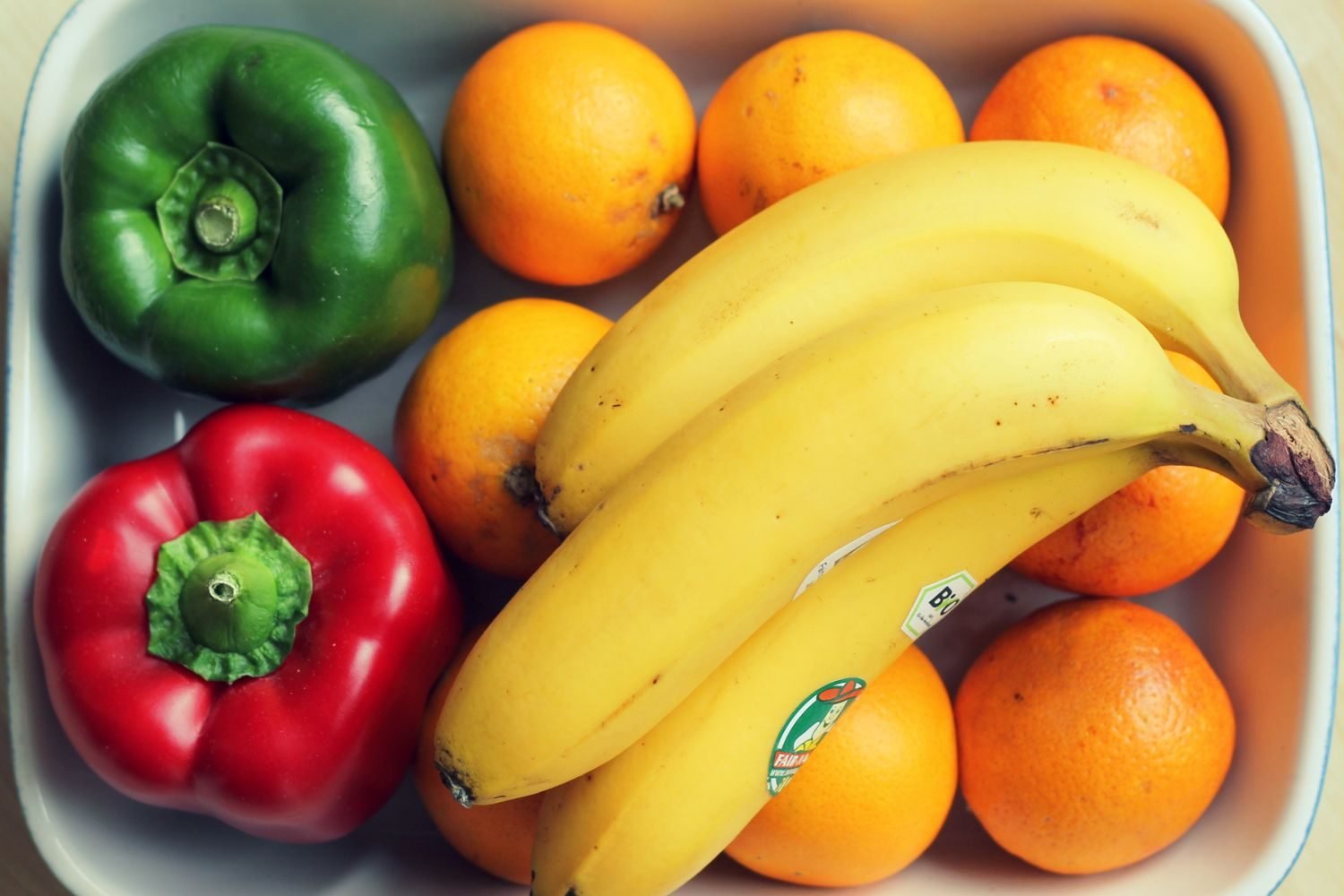
These are meaningful findings, but they mostly involve supplement doses higher than typical dietary intake, and the studies are relatively small. Still, there’s no downside to prioritizing vitamin C-rich foods: citrus fruits, bell peppers (which contain more vitamin C by weight than oranges), strawberries, kiwi, broccoli, and Brussels sprouts. A single red bell pepper provides well over 100% of the recommended daily intake for most adults, making it one of the easiest wins on this list.
How do you build these foods into a realistic weekly diet?
Trying to hit every nutrient above in every meal isn’t sustainable. Think in terms of weekly patterns instead:
| Food Category | Weekly Target | Examples |
|---|---|---|
| Fatty fish | 2-3 times per week | Salmon, sardines, or mackerel, grilled or baked |
| Nuts or seeds | Most days | Almonds, walnuts, or pumpkin seeds for magnesium |
| Fermented foods | Daily, if tolerated | Plain yogurt, kefir, or a spoonful of sauerkraut |
| Vitamin C-rich fruit or vegetable | At most meals | Citrus, berries, or bell peppers |
| Complex carbs | Primary starch at meals | Swap white rice or bread for whole-grain versions |
| Leafy greens | A few times per week | Spinach or chard in a smoothie, salad, or side |
None of this requires precision. The research behind these nutrients is generally about consistent intake over weeks and months, not a single “anti-anxiety meal” before a stressful event. If you’re unsure where your current eating pattern stands, a broader look at nutrition and food fundamentals is a good place to start.
Can food alone treat anxiety?
No, and it’s important to be direct about that. Nutritional psychiatry is a legitimate, growing field, and the research above is real, but food works as a support system for mood and stress physiology, not a replacement for clinical care. If you’re experiencing persistent anxiety that interferes with work, relationships, sleep, or daily functioning, that’s a signal to talk to a doctor or mental health professional, not just to change your grocery list. Diet changes and professional treatment aren’t competing options; they work well together, and a good clinician will often welcome a patient who’s also paying attention to nutrition.
Frequently asked questions
How long does it take for diet changes to affect anxiety symptoms?
Most of the research behind these nutrients involved supplementation over 8-12 weeks before measuring changes in anxiety symptoms, so meaningful shifts from food likely take a similar timeframe of consistent intake, not days. Blood sugar-related mood swings from cutting refined carbs can improve faster, sometimes within a couple of weeks.
Is caffeine making my anxiety worse?
Caffeine can worsen anxiety symptoms in sensitive individuals by stimulating the same physiological stress response as cortisol, including increased heart rate and jitteriness. If you notice anxiety spikes after coffee or energy drinks, reducing intake or switching to lower-caffeine options is a reasonable experiment to try.
Should I take a magnesium or omega-3 supplement instead of eating whole foods?
Whole foods are generally preferable because they deliver these nutrients alongside fiber, other vitamins, and minerals that work together. Supplements can help close a genuine gap, particularly for omega-3 doses used in research, but it’s worth checking with a healthcare provider first, especially if you take other medications.
Do fermented foods work the same as a probiotic supplement for anxiety?
Not necessarily. Most psychobiotic research uses specific, tested bacterial strains at controlled doses, which isn’t the same as the variable bacterial content in a jar of yogurt or kimchi. Fermented foods are a reasonable, low-risk addition to a varied diet, but they shouldn’t be expected to replicate clinical trial results.
Can stress eating undo the benefits of an anxiety-supportive diet?
It can work against it. Stress often drives cravings for high-sugar, high-fat comfort foods that create the blood sugar swings described above, which can compound anxious feelings rather than ease them. Addressing the stress-eating pattern itself is often just as important as which specific foods you’re adding.
If you want a personalized plan that accounts for your health history, symptoms, and food preferences, working with a professional can help you apply this research to your own life. FitStrot offers an online nutritionist consultation to help you build a stress-supportive eating pattern. And if your anxiety feels persistent, overwhelming, or hard to manage day to day, please reach out to a licensed mental health professional or your doctor — nutrition is a meaningful piece of the picture, but it isn’t a substitute for the care a clinical anxiety condition deserves.