The best diet plan for menopause isn’t a single meal plan — it’s a framework built around four priorities: enough calcium and vitamin D to protect bone, enough protein to preserve muscle, a heart-healthy eating pattern like the Mediterranean diet, and enough fiber to support blood sugar and gut health. Women lose bone density fastest in the years right around menopause, and the standard North American diet falls well short on calcium, protein, and fiber during exactly the window when the body needs more of all three. This guide lays out the framework in plain terms — what to eat, how much, and why.
If you’re looking for the science behind specific food categories — plant estrogens, targeted supplements, or weight management — this article links out to companion guides on those topics. Think of this as the hub: the general plan that ties everything else together.
Why does menopause change what you should eat?
Menopause changes your nutritional needs mainly because of the drop in estrogen, which affects bone, muscle, metabolism, and heart health all at once. Estrogen helps regulate the cells that build and break down bone tissue; when estrogen falls, bone breakdown starts outpacing bone formation. According to the Endocrine Society, women can lose 10% to 12% of bone density at the hip and spine during the menopause transition and the years immediately following it, with some research showing up to 20% of lifetime bone loss occurring within five years of the final period. After that initial window, the rate typically slows to around 0.5% to 1% per year.
Estrogen decline also affects fat distribution (more settles around the abdomen), how efficiently muscle responds to protein, and cholesterol metabolism — part of why cardiovascular risk rises after menopause. None of this means damage is inevitable; it means the diet has to work harder in a few specific areas: bone-building minerals, muscle-preserving protein, and heart-protective fats and fiber.
How much calcium and vitamin D do you actually need?
The North American Menopause Society (NAMS) recommends a target calcium intake of 1,200 mg per day for peri- and postmenopausal women, paired with a vitamin D level of 30 ng/mL or higher. Adequate calcium alongside sufficient vitamin D has been shown to slow bone loss at this stage and reduce fracture risk in postmenopausal women over 60 with previously low intakes. Here’s the catch: NAMS also notes the average North American woman gets only about 600 mg a day — roughly half the target. That gap is worth closing through food first.
- Dairy: Three cups of milk, yogurt, or fortified dairy alternatives can cover most of the daily 1,200 mg target on their own.
- Leafy greens: Kale, bok choy, and collard greens provide calcium along with vitamin K, which also supports bone metabolism.
- Fortified foods: Calcium-fortified orange juice, cereal, and some soy products are useful for anyone who is dairy-averse.
- Fish with edible bones: Canned salmon or sardines add both calcium and vitamin D in one serving.
Vitamin D is harder to get from food alone — fatty fish and fortified milk help, but many women need sun exposure or a supplement to hit adequate blood levels, especially in winter or northern latitudes. For which supplements are worth considering and at what doses, see our companion guide on best vitamins and supplements for menopause, and our dedicated piece on calcium nutrition for a full breakdown of food sources and absorption tips.
How much protein do you need to preserve muscle after menopause?
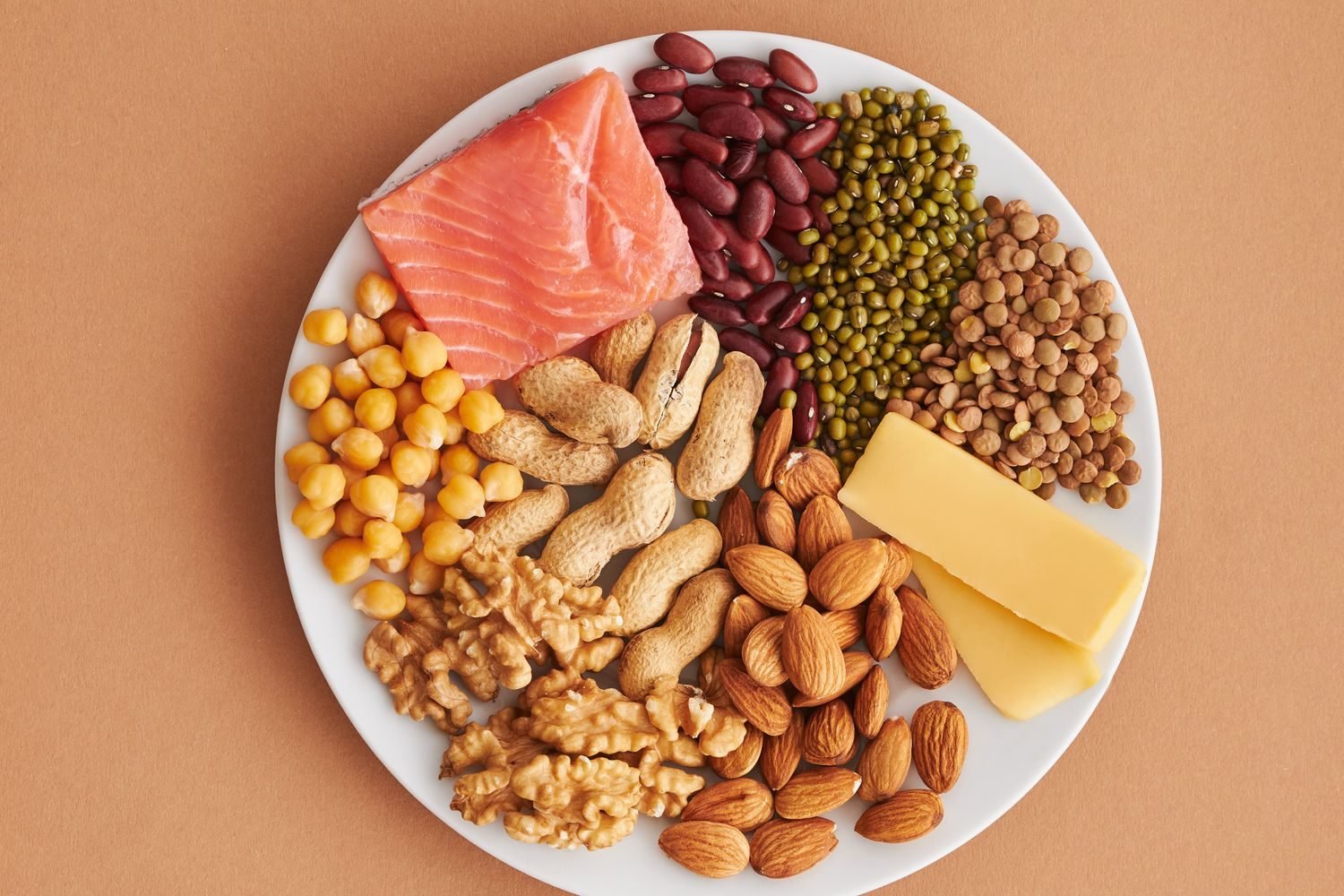
Most postmenopausal women should aim for more protein than the standard RDA of 0.8 g per kilogram of body weight per day. Research reviewed in a 2024 narrative review on postmenopausal muscle health points to 1.0–1.2 g/kg/day as a more appropriate baseline, with active women potentially benefiting from 2.0–2.3 g/kg/day to get the same muscle-building response younger women get from lower doses.
The mechanism matters here: studies found that a 15-gram dose of whey protein — enough to trigger muscle protein synthesis in younger women — did not produce the same effect in postmenopausal women, suggesting older muscle needs a bigger protein stimulus to respond. Combined with the fact that menopause is linked to increased sarcopenia (age-related muscle loss) risk, prioritizing protein at each meal, not just at dinner, becomes a practical strategy.
For a 68 kg (150 lb) woman, that’s roughly 68–82 grams of protein daily at baseline, spread across meals. Good sources include:
- Eggs, poultry, and fish
- Greek yogurt and cottage cheese
- Legumes, lentils, and tofu
- Whey or plant-based protein powder, when whole-food intake falls short
Pairing higher protein intake with resistance exercise appears to matter more than protein alone — studies show the combination supports functional capacity better than diet changes by themselves.
What does a heart-healthy eating pattern look like at this stage?
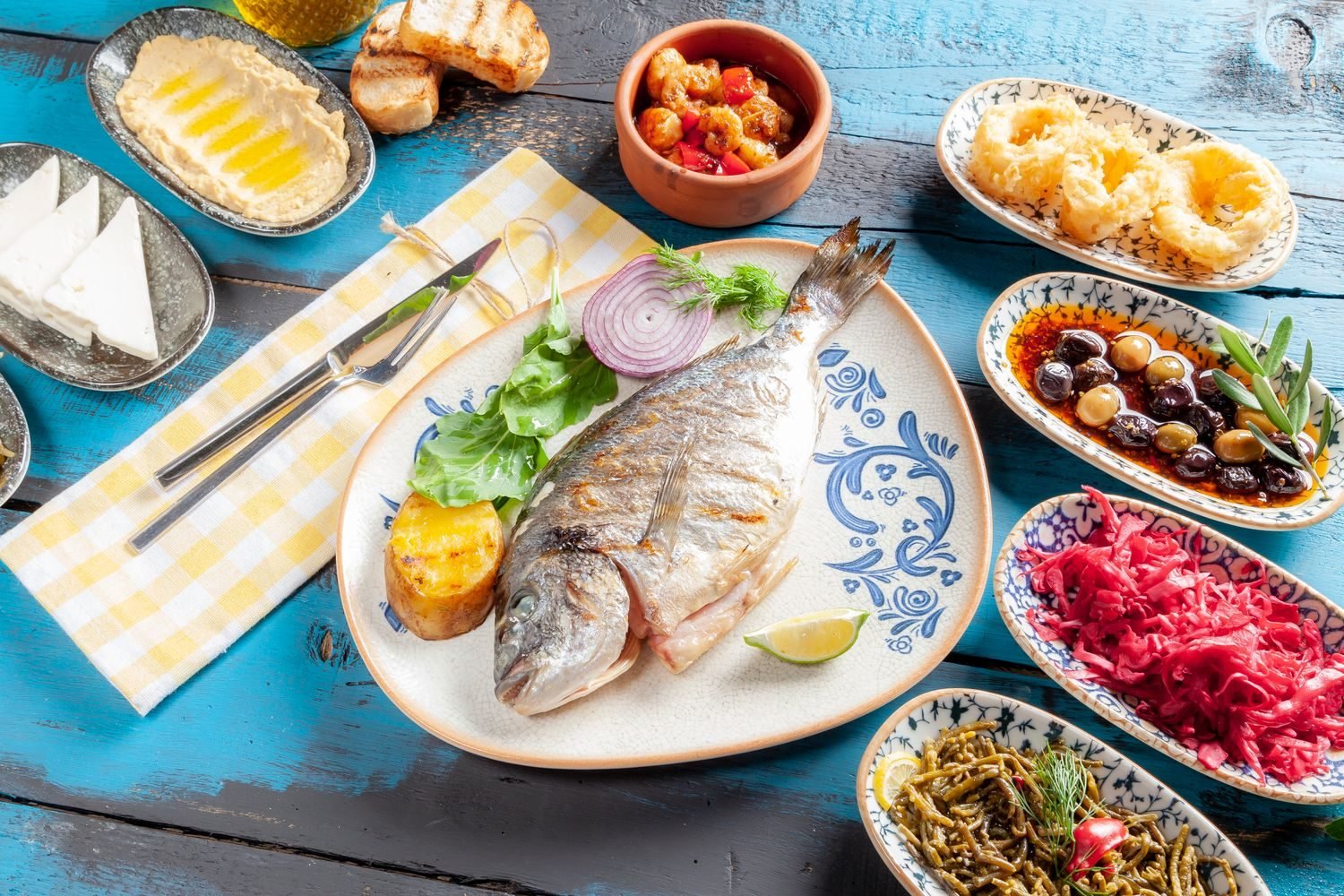
A Mediterranean-style eating pattern is the one most consistently backed by research for menopausal cardiovascular health. Estrogen has a protective effect on cholesterol and blood vessel function, so when it declines, LDL cholesterol and cardiovascular risk tend to climb, making heart-conscious eating more relevant, not less, at this stage. The American Heart Association’s dietary targets, which align closely with Mediterranean patterns, include:
| Food Group | AHA Target |
|---|---|
| Fruits | At least 4.5 cups per day |
| Fish and shellfish | At least 200 grams per week |
| Whole grains | 3 or more one-ounce servings per day |
| Nuts, seeds, and legumes | At least 4 servings per week |
| Sodium | No more than 1,500 mg per day |
| Sugar-sweetened beverages | No more than 36 fluid ounces per week |
In practice, this means building meals around vegetables, fruit, whole grains, legumes, and fish, using olive oil as the primary fat, and treating red meat and refined sugar as occasional additions rather than daily staples. Replacing saturated fat with unsaturated sources helps lower cardiovascular risk, and omega-3s from fatty fish may also ease some inflammation-related symptoms common in this transition.
Why does fiber matter more during menopause?
Fiber supports three things that tend to shift during menopause: blood sugar control, gut health, and cardiovascular risk. Insulin sensitivity can decline somewhat after menopause, and fiber slows glucose absorption, helping blunt post-meal blood sugar spikes. Fiber-rich diets are also linked to lower cardiovascular disease risk and better gut microbiome diversity, which some research connects to how the body metabolizes estrogen-like plant compounds. Practical fiber targets look like:
- Whole grains (oats, quinoa, brown rice, whole wheat) instead of refined versions
- At least one legume-based meal (beans, lentils, chickpeas) most days
- Vegetables at every meal, not just dinner
- Whole fruit instead of juice, to keep the fiber intact
Some plant compounds in high-fiber, plant-forward foods — particularly soy, flaxseed, and legumes — also contain phytoestrogens, which research suggests may ease hot flashes and other symptoms for some women. That’s a large enough topic to deserve its own space; see our companion article on estrogen-rich foods for menopause for the specifics.
How should you structure meals and portions day to day?
A simple way to apply all of the above without tracking every gram is to build each main meal around three anchors: a palm-sized portion of protein, a fist-sized portion of whole grains or starchy vegetables, and the rest of the plate filled with non-starchy vegetables or fruit, finished with a drizzle of olive oil or a handful of nuts. Repeating that structure across meals naturally covers protein distribution, fiber, and healthy fats without a rigid meal plan. A few other habits worth adopting:
- Don’t skip breakfast protein. Front-loading protein earlier in the day helps meet the higher daily target and may support better appetite regulation.
- Batch a calcium source into most days. A yogurt at breakfast, fortified plant milk in coffee, or a handful of almonds as a snack adds up over a week.
- Limit ultra-processed and high-sodium foods. These crowd out fiber and make the 1,500 mg sodium target hard to hit.
- Stay consistent with hydration. Adequate water intake supports metabolism and can help with some menopause-related symptoms like bloating.
This eating pattern also happens to support a healthy body composition, which matters because weight gain — particularly around the midsection — is one of the most common complaints during this transition. If that’s your primary concern right now, our detailed guide on how to manage menopause weight gain goes further into calorie needs, strength training, and metabolic changes specific to this life stage.

Does this diet plan change during perimenopause versus after menopause?
The core framework — adequate calcium, higher protein, Mediterranean-style eating, and fiber — stays consistent across the transition, but the emphasis shifts. During perimenopause, fluctuating hormones often bring more acute symptoms (irregular cycles, mood changes, sleep disruption), so strategies lean more toward blood sugar stability and symptom management. After menopause, once estrogen settles at a consistently lower level, focus shifts toward long-term bone density and cardiovascular protection, since those risks compound over time. If you’re in the earlier, more turbulent phase, our perimenopause diet and nutrition guide covers the symptom-specific adjustments in more detail.
FAQ
Do I need to cut carbs completely during menopause?
No. There’s no evidence that eliminating carbohydrates is necessary or beneficial for most women in menopause. The better strategy is choosing fiber-rich, minimally processed carbs — whole grains, legumes, fruit — over refined sugar and white flour, which supports blood sugar stability without requiring restriction.
Can diet alone stop menopause-related bone loss?
Diet significantly slows bone loss when calcium and vitamin D intake are adequate, but it works best combined with weight-bearing exercise. For women with existing osteoporosis risk factors or a bone density scan showing concern, a conversation with a gynecologist or doctor about additional interventions, including hormone therapy, is worth having.
Is dairy necessary to hit the calcium target?
No. Dairy is the most concentrated and convenient source, but leafy greens, fortified plant milks, canned fish with bones, and calcium-set tofu can collectively meet the 1,200 mg daily target for women who avoid dairy, though it typically takes more planning across meals.
How is this diet different from a general healthy eating plan?
The framework overlaps heavily with general healthy eating, but the targets are higher in specific areas — more calcium (1,200 mg vs. the general adult 1,000 mg), more protein (1.0–1.2 g/kg vs. 0.8 g/kg), and stricter sodium limits, reflecting the accelerated bone loss and cardiovascular risk shifts unique to this life stage.
Should I talk to a doctor before making major diet changes?
It’s a good idea, especially if you have existing conditions like diabetes, osteoporosis, or heart disease, or if you’re considering hormone therapy alongside dietary changes. A gynecologist or doctor can also check vitamin D levels and bone density to help tailor targets to your specific situation.
Getting the framework right — enough protein, enough calcium, a heart-healthy pattern, enough fiber — covers most of what matters nutritionally during menopause. But individual needs vary based on activity level, existing health conditions, and symptoms, which is where personalized guidance helps. If you want a plan built around your specific labs, symptoms, and goals, consider booking an online nutritionist consultation to get started.