The best gluten-free flours depend entirely on what you’re making. Almond flour and coconut flour work best for cakes and cookies, rice flour and jowar (sorghum) flour make the softest rotis, chickpea flour (besan) is unbeatable for thickening curries and batters, and ragi (finger millet) flour is the one to reach for when you want more calcium and iron in your daily bread. None of them behave like wheat flour on its own, which is why most gluten-free baking recipes call for a blend plus a binder rather than a single swap-in flour.
If you’re new to eating gluten-free altogether, get the basics down first in our gluten-free diet plan for beginners. This article goes narrower: the flours themselves, how they compare nutritionally, and how to cook and bake with them without a dense brick or a crumbly mess.
Why doesn’t one gluten-free flour just replace wheat flour?
Because gluten isn’t just a protein you’re avoiding — it’s a structural ingredient. In wheat dough, gluten forms a stretchy, elastic network that traps gas bubbles from yeast or baking powder, giving bread its rise and chew and giving cookies their chew-versus-crumble balance. Take gluten out, and you take out the scaffolding.
Every gluten-free flour compensates differently. Almond and coconut flour bring fat and fiber instead of stretch. Rice and jowar flour bring starch that gelatinizes when heated but still can’t stretch like gluten. That’s why gluten-free recipes typically combine two or more flours and add a separate binding agent — more on that below — rather than leaning on one flour to do everything.
How do the main gluten-free flours compare on protein and fiber?
Protein and fiber content vary widely across gluten-free flours, and that variation is exactly what should guide which one you pick. Legume-based flours like chickpea flour pack in far more protein and fiber than starch-based flours like rice flour, while nut and coconut flours sit in a different category altogether because of their fat content.
| Flour | Protein (per 100g) | Fiber (per 100g) | Best used for |
|---|---|---|---|
| Almond flour | ~21g | ~10g | Cakes, cookies, low-carb baking |
| Coconut flour | ~16-19g | ~34-39g | Muffins, quick breads (in small amounts, needs extra liquid) |
| Rice flour (white) | ~6g | ~2.4g | Rotis, dosas, idlis, crisp textures, thickening |
| Chickpea flour (besan) | ~22g | ~10.8g | Chilla, pakoras, thickening curries and gravies |
| Ragi (finger millet) flour | ~7g | ~3.6g | Rotis, porridge, dosas — high in calcium |
| Jowar (sorghum) flour | ~8-10g | ~7g | Rotis, bhakri, flatbreads, some baking blends |
Coconut flour’s fiber number looks almost unbelievable, but it’s genuinely that concentrated — it’s dried, defatted coconut meat ground fine, so a small amount goes a long way (and it absorbs a lot of liquid, which we’ll get to). Chickpea flour and almond flour are the strongest all-round performers if protein and fiber together are your priority, which matters if you’re managing blood sugar or trying to make a gluten-free diet less carb-heavy. For more on why fiber matters day to day, see our guide on fiber and nutrition, and for the bigger picture on carbs from grains and flours, read our piece on the nutritional value of carbohydrates.
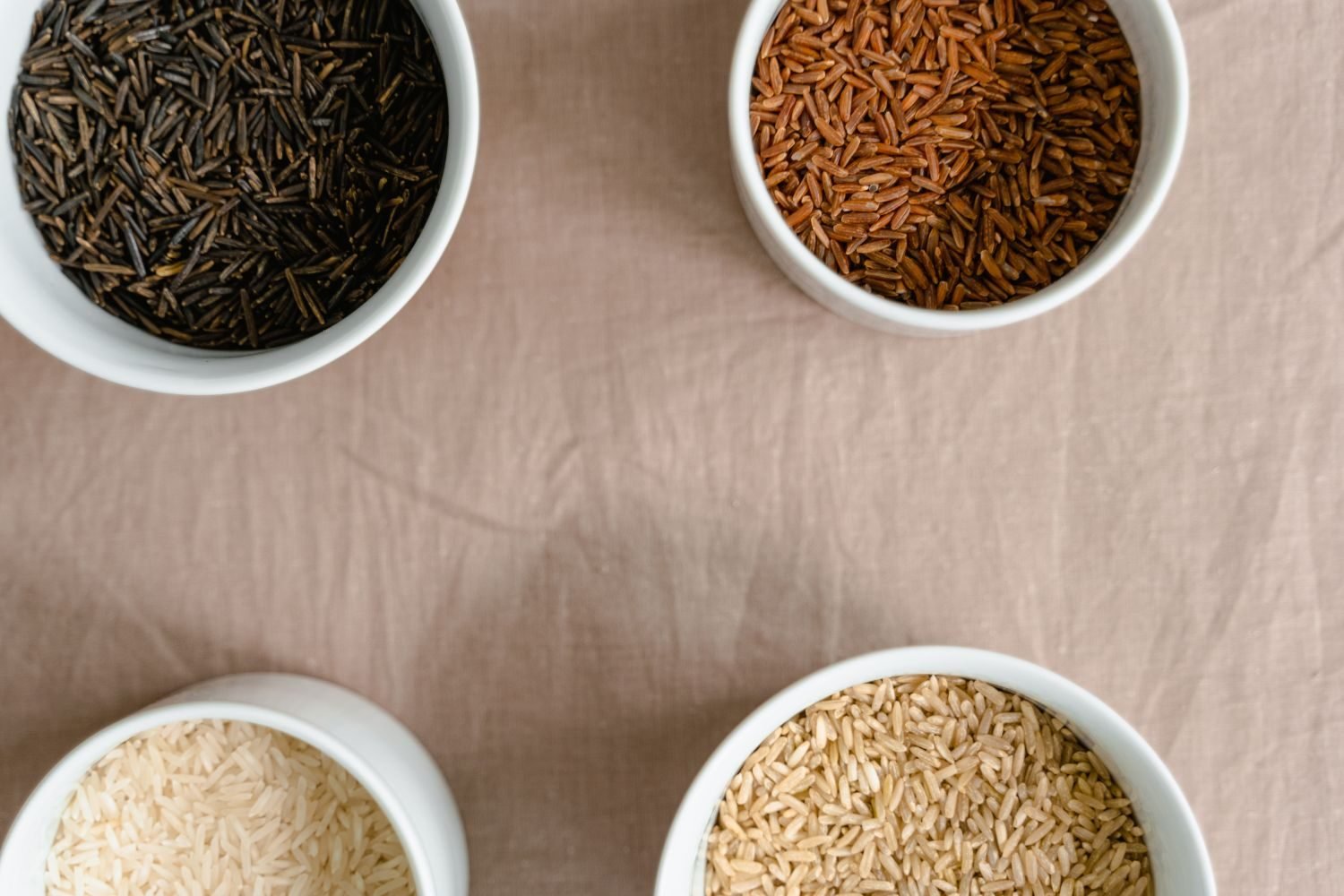
Which gluten-free flour is best for baking cakes and cookies?
Almond flour is generally the best single option for cakes, cookies, and other baked goods where you want richness and a tender crumb. Its natural fat content mimics some of what butter and gluten do together in traditional baking, and it browns beautifully. The tradeoff is that it’s calorie-dense and doesn’t rise like wheat flour, so it works best in recipes built around it — flourless chocolate cake, almond shortbread — rather than as a straight swap in a wheat-based recipe.
Coconut flour also works for baking but needs care. It’s extremely absorbent — it can soak up several times its weight in liquid — so recipes call for far less of it than wheat flour, plus extra eggs or liquid to compensate. Get the ratio wrong and baked goods turn dry and gummy at the same time, the single most common coconut-flour mistake.
For everyday bread-style baking, most commercial gluten-free blends combine a starch (rice flour, tapioca starch) with a protein-rich flour (almond, sorghum), because no single flour nails both texture and nutrition alone.
Which flour makes the best rotis and flatbreads?
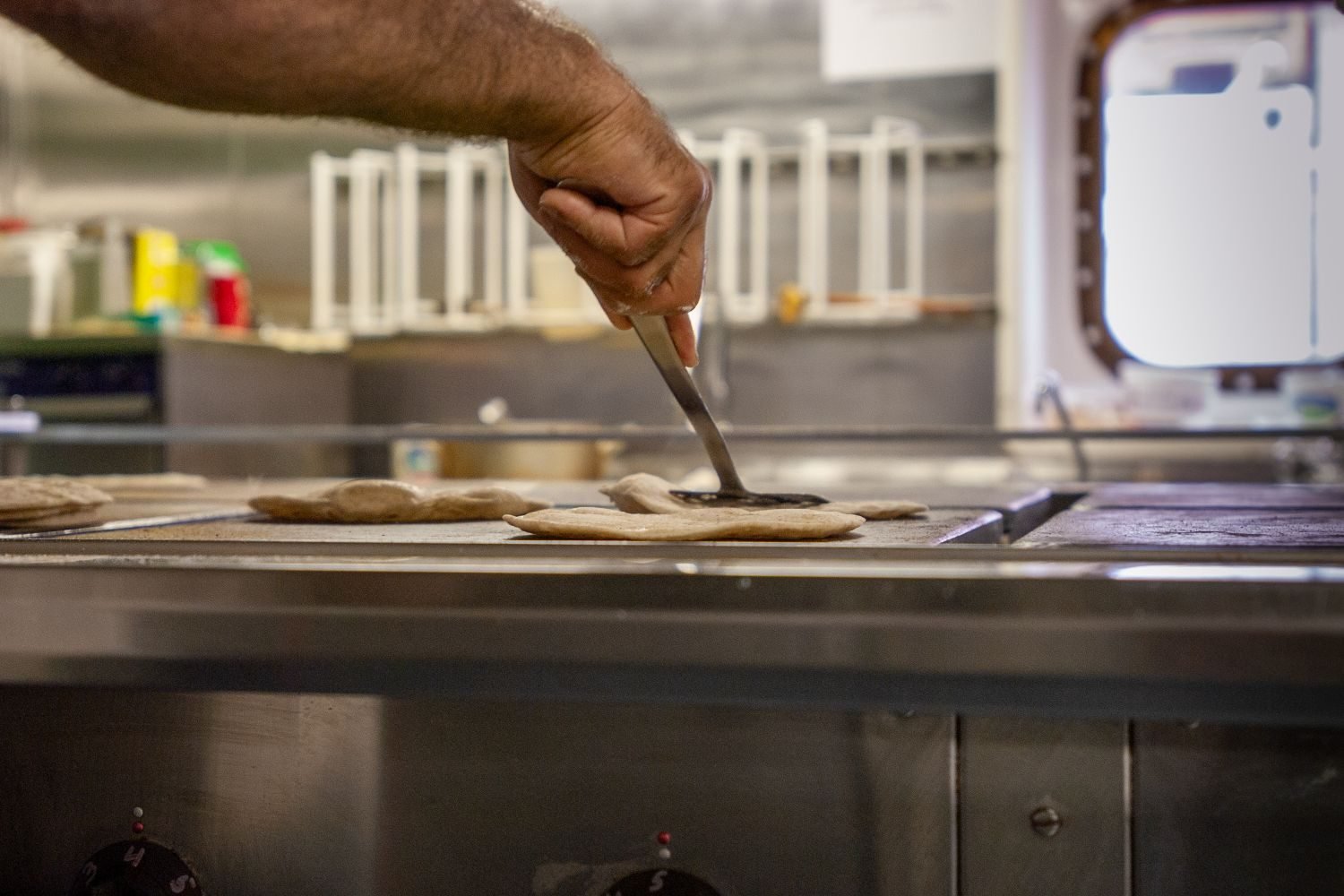
For Indian-style flatbreads, jowar (sorghum) and ragi (finger millet) are the most practical gluten-free options, and both have a long history here outside any “gluten-free trend” — they’re traditional staples in parts of India regardless of gluten status. Rice flour is also common, especially for dosas and idlis where a pourable batter matters more than a rollable dough.
The challenge with all three is the same: without gluten, dough doesn’t stretch, so it tends to crack at the edges when rolled. A few practical fixes that actually work:
- Use hot water (not cold) to knead jowar and ragi dough — it partially gelatinizes the starch and makes the dough more pliable.
- Roll the dough between two sheets of parchment or plastic instead of on a dry counter, which reduces cracking at the edges.
- Keep the dough covered with a damp cloth while you work, since these flours dry out and crack faster than wheat dough.
- Cook on a slightly hotter tawa than you would for wheat rotis, and press gently with a cloth to help them puff.
Ragi has the added advantage of being unusually high in calcium for a grain flour — commonly cited figures put it around ten times the calcium of wheat flour — worth rotating into your weekly rotis even if it’s not your only flour. For a wider list of gluten-free staples beyond flours, our gluten-free foods list for India covers grains, snacks, and packaged options side by side.
Which flour is best for thickening curries, gravies, and batters?
Chickpea flour (besan) is the standout here. It has a naturally nutty flavor, thickens sauces smoothly without turning gluey, and holds up well to reheating — which cornstarch-thickened gravies often don’t. It’s the base for chilla, pakora batter, and kadhi for exactly this reason: it thickens and adds protein at the same time, at roughly 22g protein and close to 11g fiber per 100g, among the highest of any flour here.
Rice flour is the better choice when you want a thickener that stays neutral in flavor and gives a light, crisp texture rather than a rich one — think tempura-style coatings or the crisp edges on a dosa. Between the two, besan wins on nutrition and rice flour wins on neutrality and crispness.
Why do gluten-free recipes ask for xanthan gum or other binders?
Because none of these flours can replace what gluten does structurally, most gluten-free baking recipes add a separate binding agent to hold the dough or batter together. Xanthan gum is the most common one in commercial gluten-free flour blends. It’s a soluble fiber produced through fermentation, and when it gets wet it turns sticky and gel-like — that stickiness is what keeps a gluten-free bread or cookie from falling apart or turning crumbly once baked.
In practical terms, xanthan gum does three things gluten normally would: binds the ingredients together, traps air so baked goods rise instead of turning dense, and retains moisture so the finished product doesn’t dry out and crumble the next day. A typical starting ratio is about a quarter to a half teaspoon per cup of gluten-free flour, though it varies by recipe — too much and the texture turns gummy or slimy instead of tender.
If you’d rather avoid xanthan gum specifically, there are natural alternatives that do a similar job:
- Psyllium husk — absorbs liquid and forms a gel, works especially well in bread-style bakes.
- Ground flaxseed or chia seed mixed with water — creates a gel that mimics egg and gluten’s binding role, common in vegan gluten-free baking.
- Eggs — not vegan-friendly, but naturally provide structure and binding in cakes and quick breads.
- Guar gum — works similarly to xanthan gum and is sometimes preferred for its lower cost, though it can have a mild laxative effect in large amounts.
None of these are strictly necessary for every recipe — a rice flour dosa batter or a besan chilla doesn’t need a binder because it’s not trying to trap air the way a loaf of bread does. Binders matter most for baked goods that need to rise and hold a crumb structure: breads, cakes, and cookies.
How do you choose between these flours in practice?
A simple way to think about it: match the flour to the job, not the other way around. Use almond or coconut flour for cakes, cookies, or muffins. Use rice or jowar flour for rotis and dosas. Use besan when you need to thicken something or want a protein boost in a savory batter. And rotate in ragi regularly if calcium and iron intake are a priority, since most other gluten-free flours don’t come close on that front.
If you’re managing celiac disease specifically rather than just preferring to eat gluten-free, cross-contamination during milling matters as much as the flour type itself — look for flours certified gluten-free rather than assuming a naturally gluten-free grain like oats or millet is automatically safe. Our celiac disease diet and nutrition guide covers how to read labels and avoid hidden cross-contact.
If blending several flours and adjusting binders on your own feels like trial and error, that’s a normal place to be — most people go through a few dense loaves before landing on a combination that works for their kitchen and their taste.
Frequently asked questions
Can I substitute one gluten-free flour for another in a recipe?
Not directly, in most cases. Each flour absorbs liquid differently and has a different protein-to-starch ratio, so a straight 1:1 swap often changes the texture significantly. It’s safer to follow a recipe written specifically for the flour you’re using, or start with a tested gluten-free flour blend rather than substituting on your own.
Is almond flour or coconut flour healthier?
Both have strengths. Almond flour is higher in protein and healthy fats, making it more filling per serving, while coconut flour is dramatically higher in fiber. Neither is universally “healthier” — it depends on whether your priority is protein, fiber, or fitting more servings from a smaller amount of flour, since coconut flour is used in much smaller quantities.
Does ragi flour taste different from wheat flour in rotis?
Yes, ragi has a distinct earthy, slightly nutty flavor and a darker brown color compared to wheat. Many people mix ragi with rice flour or jowar flour to soften the flavor and make the dough easier to roll, especially when first switching over.
Do I always need xanthan gum for gluten-free baking?
No. It’s mainly needed for baked goods that rely on rising and holding a light crumb, like bread, cakes, and cookies. Flatbreads, dosas, pakoras, and thickened gravies generally don’t need it since they aren’t trying to trap air the way a loaf does.
Which gluten-free flour is lowest in carbohydrates?
Almond flour and coconut flour are both considerably lower in carbohydrates than rice, jowar, ragi, or besan, since they’re derived from nuts and coconut meat rather than grains or legumes. This makes them common choices in low-carb and ketogenic gluten-free baking specifically.
Choosing the right gluten-free flour comes down to matching the flour to the dish and understanding what each one brings nutritionally — and if you want a plan built around your specific goals, an online nutritionist consultation can help you put together a gluten-free flour rotation that actually works for your kitchen and your health targets.