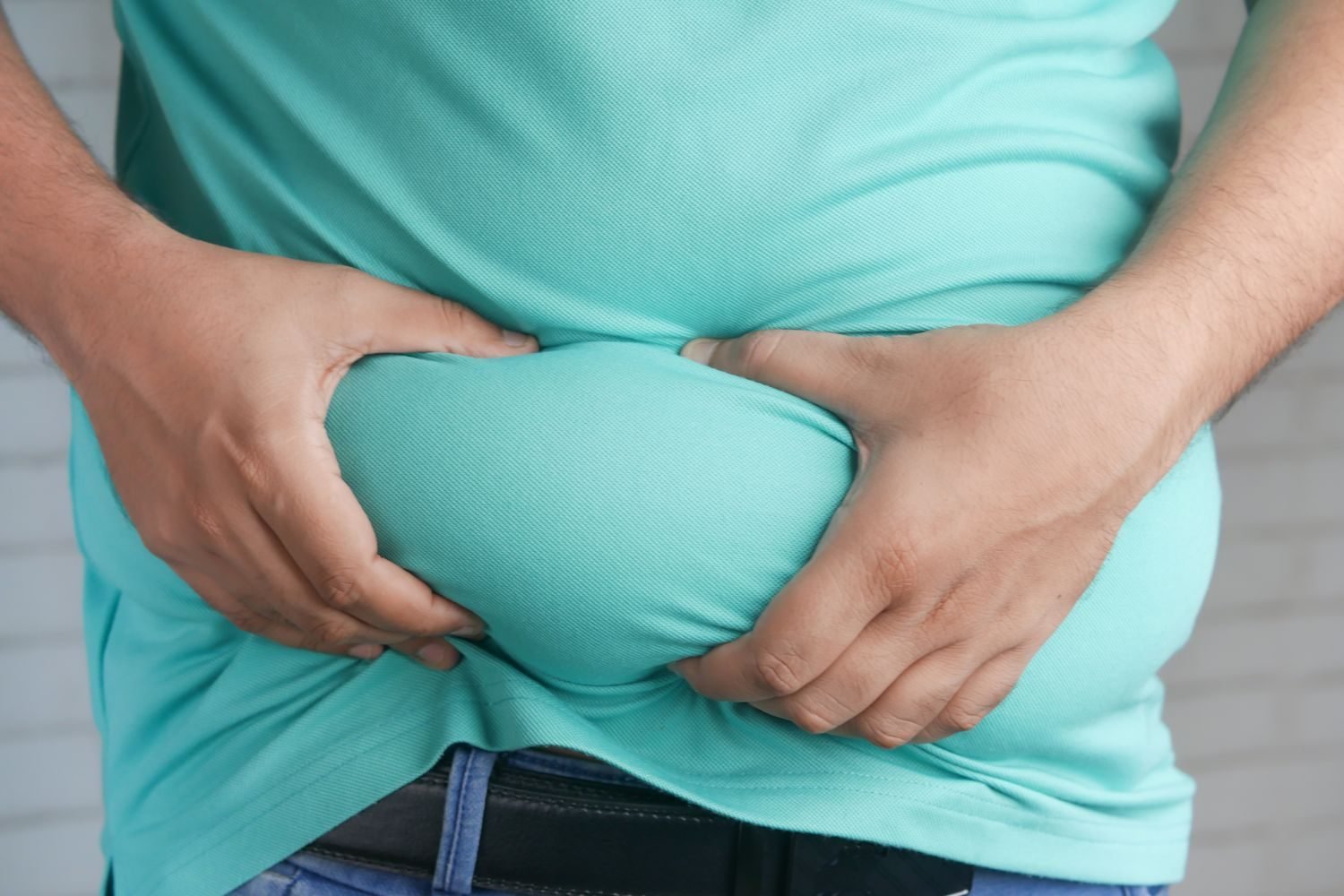
Stress changes your diet and weight through four distinct pathways at once: it raises cortisol, which promotes fat storage around your midsection; it disrupts digestion via the gut-brain axis; it alters appetite in opposite directions depending on the person and how long the stress lasts; and it erodes the time and energy you’d normally spend planning meals. None of this is “all in your head” — it’s measurable physiology, and knowing which pathway is driving your symptoms is the first step to working with your body instead of against it.
If you’re looking for strategies to stop emotional or stress-driven eating in the moment, our guide on how to stop stress eating covers the behavioral side. This article covers the bigger picture: what happens inside your body when stress runs high for weeks or months, and how it reshapes both eating patterns and body composition.
How does cortisol cause weight gain, specifically around the belly?
Cortisol is the hormone your adrenal glands release when your brain’s hypothalamic-pituitary-adrenal (HPA) axis senses a threat, real or perceived. In short bursts, it’s protective, mobilizing glucose for energy and sharpening focus. The problem is chronic activation: when stress doesn’t resolve, cortisol stays elevated for extended periods, and that’s where the fat-storage effect kicks in.
Visceral fat — the fat packed around your abdominal organs rather than just under the skin — contains roughly four times more glucocorticoid (cortisol) receptors than subcutaneous fat elsewhere on the body. That makes abdominal tissue disproportionately responsive to cortisol signaling compared to fat on your hips, arms, or thighs. Elevated cortisol also raises blood glucose and increases appetite for calorie-dense, high-sugar foods, while suppressing thyroid function enough to slow metabolic rate. The combination — more cravings, more incoming calories, a body primed to store rather than burn — tilts the scale toward visceral fat accumulation specifically.
This isn’t just a lab theory. A well-known Yale study, published in Psychosomatic Medicine, followed premenopausal women through repeated laboratory stress sessions and found that women with a higher waist-to-hip ratio consistently secreted more cortisol in response to stress — and didn’t habituate to repeated stress the way lower-ratio women did; their cortisol stayed elevated across days. The researchers proposed that this sustained reactivity helps explain why chronic stress tracks so closely with central fat accumulation over time.
Visceral fat also behaves differently: it’s metabolically active tissue that secretes inflammatory compounds like IL-6 and TNF-alpha, which can impair insulin sensitivity and, in a frustrating feedback loop, promote even more fat storage — part of why chronic stress is linked to cardiometabolic risk independent of total body weight. If your hormones feel generally out of sync, not just around stress but energy, cycles, or mood, it’s worth reading about the broader signs of hormonal imbalance in women, since cortisol dysregulation rarely operates in isolation.
Why does stress mess with your digestion?
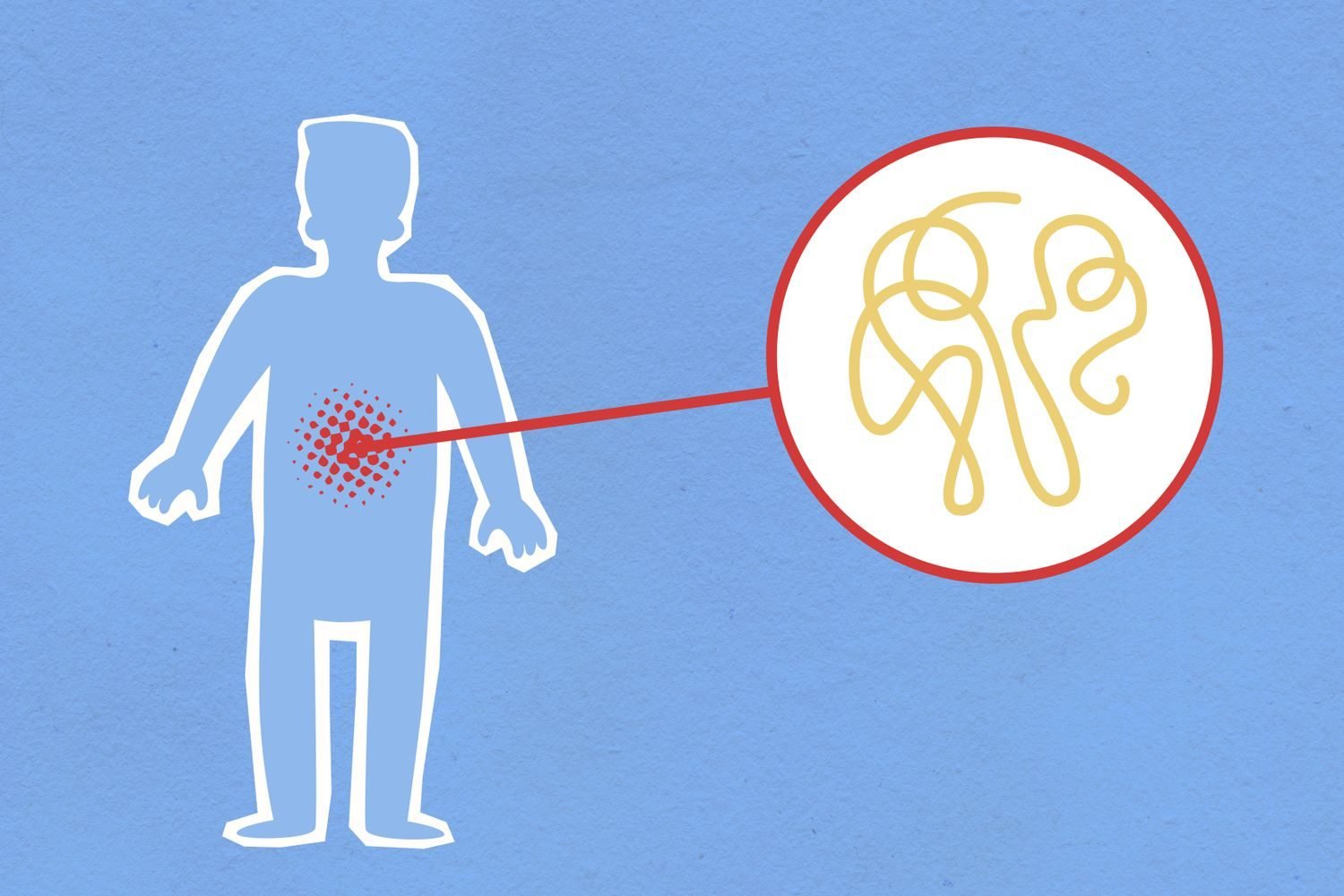
If stress gives you a knotted stomach, sudden urgency, bloating, or a loss of appetite before something big happens, that’s not coincidence — it’s the gut-brain axis working exactly as designed, just not in your favor. Your gut and brain stay in constant two-way communication via the vagus nerve, the immune system, and hormonal signaling — a connection often called the microbiota-gut-brain axis, since your gut bacteria are active participants too.
Research published in The Journal of Physiology describes how both acute and chronic stress alter gastrointestinal physiology through this axis — affecting gut motility, visceral sensitivity (how intensely you feel normal digestive sensations), intestinal permeability, and secretion patterns. In practice, this is why stress can produce diarrhea in one person and constipation in another, or bloating with no dietary trigger at all. The nervous system reroutes resources away from “rest and digest” functions during a perceived threat, and prolonged stress keeps that rerouting switched on.
Chronic stress is also strongly linked to functional gastrointestinal disorders — irritable bowel syndrome, functional dyspepsia, chronic constipation — which frequently co-occur with anxiety and depression. Researchers increasingly frame this as bidirectional: gut symptoms worsen stress and mood, and stress and mood worsen gut symptoms, making it genuinely hard to say which came first once the cycle is established.
What this means for your eating in practice
When digestion feels unpredictable, food itself can start to feel stressful — you may avoid certain foods preemptively, eat smaller portions out of caution, or skip meals because eating triggered discomfort last time. Over weeks, that pattern can mean under-eating, nutrient gaps, or a narrowing food repertoire that has nothing to do with willpower and everything to do with a nervous system stuck partially in threat mode. Foods that support a calmer stress response and steadier gut function are worth prioritizing; this list of foods that help reduce stress and anxiety is a reasonable starting point.
Does stress make you eat more or less?
Both — and the honest answer is that it depends on the type, timing, and duration of the stress, plus your individual physiology. This is one of the more misunderstood parts of the stress-weight relationship, because people assume stress eating is universal when the research shows a genuine split.
Acute, short-term stress — a near-miss in traffic, a sudden deadline — tends to suppress appetite. Your sympathetic nervous system triggers a “fight or flight” response that diverts blood flow away from digestion, which is why many people can’t eat when acutely anxious. Chronic, lower-grade stress works differently: once cortisol stays elevated over days or weeks, its effect flips, raising blood glucose, increasing appetite for calorie-dense foods, and disrupting the hormones that signal fullness, including leptin. Research published in Obesity, tracking stress and appetite-related hormones over six months, found that higher cortisol reactivity predicted greater increases in food cravings and weight gain — but this wasn’t uniform across participants.
That variability is the key point. Some people are simply more physiologically reactive to stress than others: studies have found that high-cortisol-responders eat significantly more on stressful days than low-cortisol-responders, even at similar hunger levels. Research summarized in Obesity Reviews also found that women are consistently at higher risk for stress-driven increases in food consumption and weight gain than men, with daily hassles — not major life events — the stronger driver among women specifically. Your response isn’t wrong if it doesn’t match someone else’s; “stress eating” and “stress under-eating” are both legitimate, biologically grounded patterns, and figuring out which one is yours matters more than generic advice built for the other type.
Why does stress make healthy eating so much harder to plan?
Even if your appetite and digestion were unaffected, chronic stress would still change what ends up on your plate, because it eats into the two resources meal planning requires: time and mental bandwidth. Decision fatigue is real, and grocery lists, meal prep, and cooking from scratch all require executive function that’s already stretched thin under a stressful job, caregiving load, or ongoing life pressure.
The practical result is a predictable shift toward convenience foods — items that require no planning, no decisions, and minimal cleanup. That’s not a moral failing; it’s a rational response to a resource-constrained situation, but it tends to mean more refined carbohydrates, more sodium, and fewer fiber- and micronutrient-rich foods that support stable blood sugar and mood. Poor sleep so often rides shotgun with high stress that it compounds the problem further — sleep deprivation independently increases hunger hormones and reduces impulse control around food; see how sleep affects weight loss for that piece of the puzzle.
A few low-effort ways to protect your food choices under stress
- Batch a few “default” meals. Two or three go-to dinners you can make without thinking reduce the decisions you need energy for on a bad day.
- Keep nutrient-dense convenience foods on hand. Pre-washed greens, canned beans, rotisserie chicken, frozen vegetables — convenience and nutrition aren’t mutually exclusive if you stock the right shortcuts in advance.
- Protect one non-negotiable meal. If you can’t control the whole day, anchor breakfast or dinner as the meal you always eat properly.
- Address the stress itself, not just the eating. Since cortisol is the mechanism behind a lot of this, tools that lower baseline stress — movement, sleep, breathing practices — do double duty on appetite and food choices.

Can you reverse stress-related weight gain once the stressful period ends?
Generally yes, though it tends to lag behind the stressor itself. Cortisol can normalize relatively quickly once a chronic stressor resolves, but the downstream effects — accumulated visceral fat, disrupted gut motility, eating habits that shifted toward convenience foods — don’t reverse automatically just because the stress is gone. They need deliberate attention: rebuilding a regular eating rhythm, reintroducing higher-fiber whole foods gradually if your gut has been sensitized, and giving sleep and activity time to recover alongside diet. If your appetite, cravings, or energy still feel off well after a stressful chapter has passed, a hormone-balancing diet approach can help support that recovery from the inside.
Frequently asked questions
Does stress always cause weight gain?
No. Stress can cause weight gain, weight loss, or no significant change, depending on whether it’s acute or chronic and how your cortisol response behaves. Acute stress often suppresses appetite short-term, while sustained chronic stress more commonly drives increased cravings, visceral fat storage, and gradual weight gain over weeks or months.
Why do I crave sugar and junk food specifically when I’m stressed?
Elevated cortisol increases appetite for calorie-dense, high-sugar foods by acting on receptors in the hypothalamus, the brain region regulating hunger. It also disrupts fullness signals like leptin, so cravings feel stronger and satisfaction takes longer to register, even after eating enough.
Can stress cause bloating or stomach pain without any dietary trigger?
Yes. The gut-brain axis means stress hormones and nervous system activity directly affect gut motility, sensitivity, and secretion, independent of what you’ve eaten. This is why bloating, cramping, or irregular bowel habits can appear or worsen during stressful periods with no obvious food cause.
Is stress belly fat different from regular belly fat?
Not structurally, but it accumulates through a distinct mechanism. Visceral fat has significantly more cortisol receptors than fat elsewhere on the body, so chronic stress preferentially drives fat storage in the abdominal area rather than proportionally across the body.
Why do I lose my appetite when I’m stressed instead of overeating?
This is a normal, well-documented response, especially to acute or intense stress. Your fight-or-flight response diverts energy away from digestion, and individual differences in cortisol reactivity mean some people are wired to suppress hunger under pressure rather than increase it.
How long does it take for stress-related eating changes to reverse?
There’s no fixed timeline — it depends how long the stress lasted and how entrenched the habits became. Cortisol itself can normalize within days to weeks of resolving, but rebuilding consistent eating patterns and gut regularity typically takes sustained effort over a longer stretch.
If stress has been steering your eating, digestion, or weight for a while and you’re not sure where to start untangling it, a personalized look at your patterns can help more than generic advice. Consider booking an online nutritionist consultation to build a plan that accounts for your specific stress response, schedule, and goals.