The foods that help you sleep better fall into three categories that work through different biological pathways: tryptophan-containing foods (milk, turkey, nuts, seeds) that feed your body’s melatonin production line, tart cherries that contain small but measurable amounts of melatonin directly, and magnesium-rich foods (almonds, spinach, pumpkin seeds) that calm the nervous system enough to let sleep happen in the first place. None of these are sedatives. They work slowly, cumulatively, and only when you also avoid the things that cancel them out — namely caffeine, alcohol, and a heavy meal eaten too close to bedtime.
If you’re also trying to lose weight, this list matters for a second reason: poor sleep and poor food choices feed each other in a loop that’s hard to break without addressing both. We cover that mechanism in detail in how sleep affects weight loss. This article stays narrowly focused on the plate — what to eat, what to skip, and why.
What are the best foods that help you sleep better?
The most evidence-backed sleep foods cluster into three functional groups, and understanding the group tells you why the food works — which makes it easier to swap in alternatives you actually like.
| Category | Example Foods | How It Helps Sleep |
|---|---|---|
| Tryptophan sources | Milk, turkey, chicken, tuna, eggs, cheese, pumpkin seeds, most nuts | Raw material the body converts into serotonin and then melatonin |
| Melatonin sources | Tart cherries and tart cherry juice | Contain measurable amounts of melatonin directly, along with tryptophan |
| Magnesium sources | Almonds, spinach, pumpkin seeds, cooked quinoa | Doesn’t build melatonin directly, but helps regulate it and calms the nervous system through a separate pathway |
Notice pumpkin seeds and almonds show up twice — that overlap is part of why they’re consistently recommended. A small handful gives you both tryptophan and magnesium in one food.
How does tryptophan actually turn into better sleep?
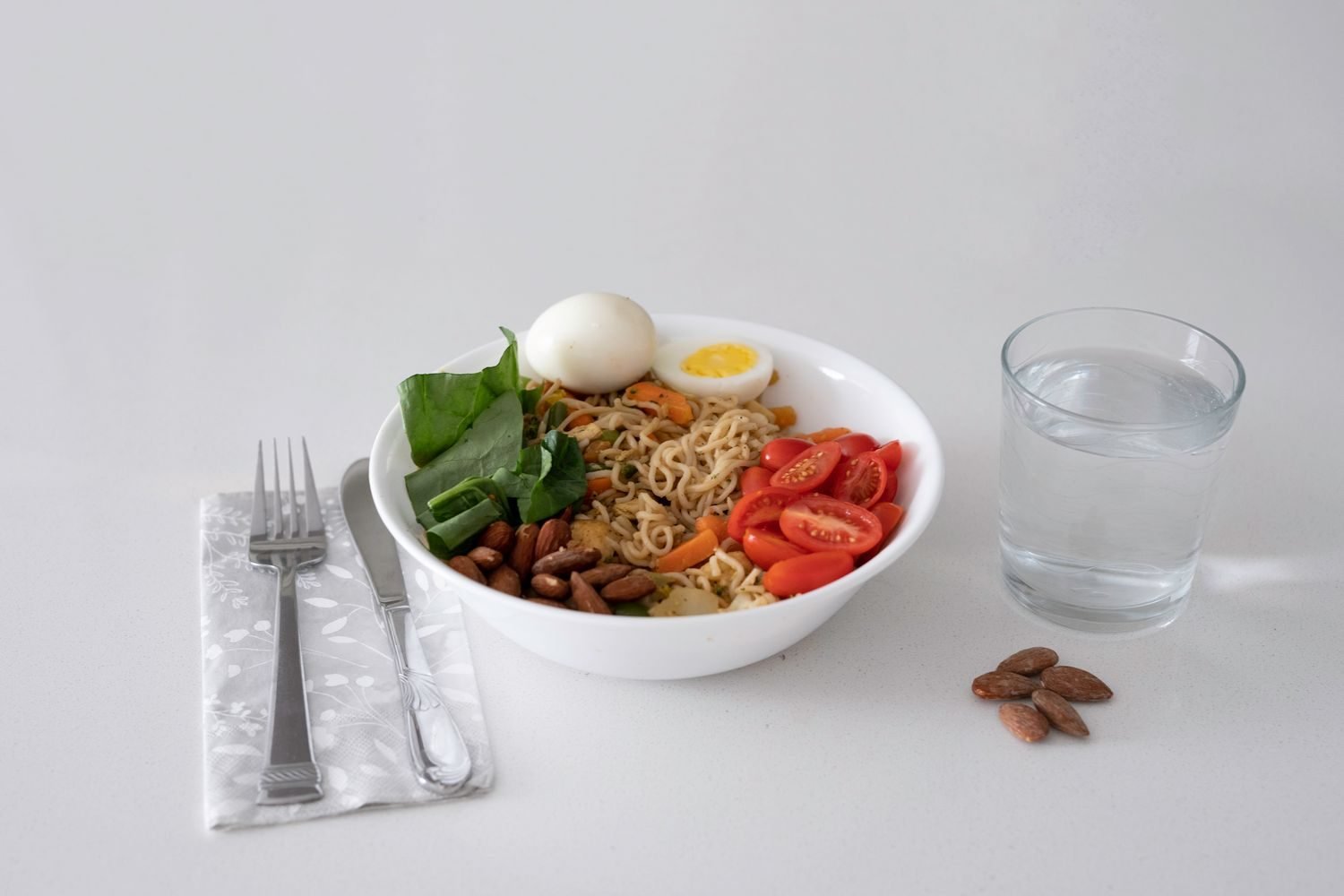
Tryptophan is an essential amino acid, meaning your body can’t make it — it has to come from food. Once you eat it, it follows a specific chain: tryptophan converts to 5-HTP, then to serotonin, then to melatonin, the hormone that signals your brain it’s time to wind down. This pathway requires magnesium and B vitamins as cofactors, which is part of why magnesium-rich foods pair so well with tryptophan-rich ones.
Here’s the catch: this conversion is inefficient. Only about 1-2% of dietary tryptophan actually reaches the brain and gets converted to serotonin — the rest is used for other metabolic processes. That’s why a glass of milk before bed isn’t going to knock you out, but a consistent pattern of eating tryptophan-containing foods, especially alongside carbohydrates that help tryptophan cross into the brain more efficiently, can meaningfully support your sleep-wake cycle over time.
Which foods have the most tryptophan?
- Turkey and chicken breast
- Milk and dairy products (the classic “warm milk” advice has real biochemical grounding)
- Eggs
- Tuna and other fatty fish
- Pumpkin seeds, sesame seeds, and cashews
- Oats and whole grains, which pair well with tryptophan-rich foods because the carbohydrate content helps tryptophan compete more effectively for entry into the brain
Timing matters more than most people expect. Eating these foods earlier in the evening — two to three hours before bed rather than right before — gives your body time to run through the conversion chain instead of asking it to digest and metabolize at the exact moment you’re trying to fall asleep.
Do tart cherries really help you sleep, or is that a myth?
Tart cherries (specifically the Montmorency variety) are one of the few foods with actual clinical research behind them for sleep, not just theoretical mechanism. A randomized, double-blind, placebo-controlled crossover study of adults drinking tart cherry juice concentrate found measurable increases in urinary melatonin alongside improved sleep. A separate pilot study of adults over 50 with chronic insomnia found that Montmorency tart cherry juice extended total sleep time by roughly 84 minutes compared to placebo. Other trials have reported sleep efficiency gains of up to 6% and modest increases in total sleep time of around 40 minutes.
The proposed mechanism is twofold: tart cherries contain small amounts of melatonin directly, and they’re also a source of tryptophan, feeding the same conversion pathway described above. Researchers also point to their antioxidant and anti-inflammatory content as a possible contributing factor.
Worth being honest about the limits here — these studies are small, often industry-adjacent, and short in duration, so tart cherry juice is best thought of as a modest, evidence-informed nudge, not a proven cure for insomnia. If you try it, an ounce or two of tart cherry juice concentrate (or a small handful of cherries) in the evening is the typical research dose, not a full glass at every meal.
Why does magnesium matter so much for sleep quality?
Magnesium works through a different door than tryptophan. It binds to GABA receptors in the brain, the same receptor system that calming, sedative-type compounds act on — part of why magnesium is described as having a muscle-relaxant, nervous-system-quieting effect. Separately, magnesium plays a regulatory role in melatonin production; animal research has shown that magnesium deficiency reduces circulating melatonin levels, tying it back into the same pathway as tryptophan.
Good dietary sources include:
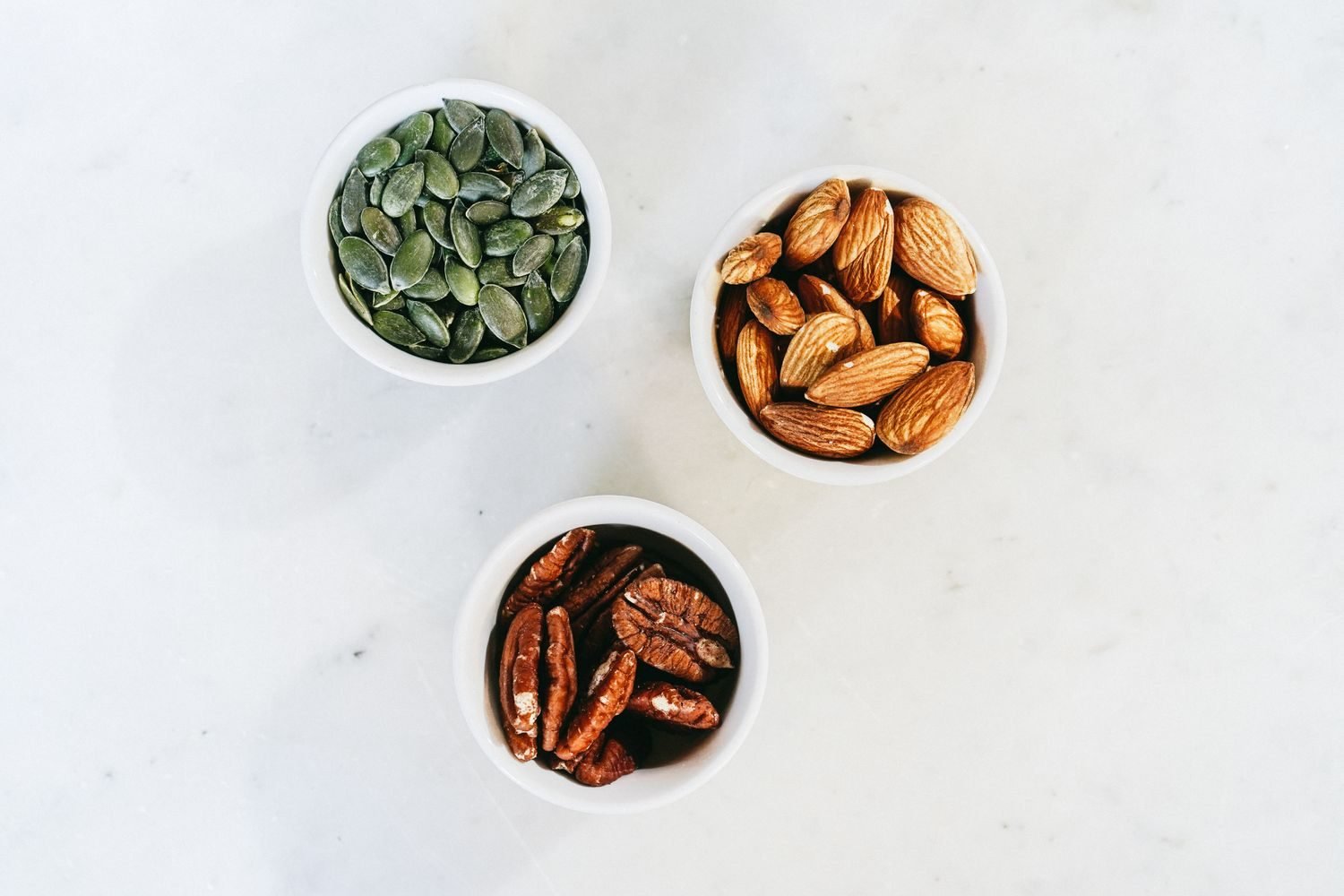
- Almonds — a 1-ounce (28 g) serving provides about 77 mg of magnesium, along with potassium and vitamin E
- Spinach — one cup cooked is a significant contributor toward daily magnesium needs, and spinach also contains tryptophan
- Pumpkin seeds and cashews
- Cooked quinoa and other whole grains
- Dark chocolate, in moderation
One small observational study found insomnia severity decreased among medical students who ate about 10 almonds daily for two weeks — not a large or definitive trial, but consistent with the broader pattern linking magnesium intake and sleep quality. Because magnesium and tryptophan pathways overlap, foods like almonds and spinach do double duty, which is part of why they show up on nearly every credible sleep-food list.
If you’re building an eating pattern that supports hormone regulation more broadly, not just at night, it’s worth reading our guide to a hormone-balancing diet, since magnesium and micronutrient adequacy show up there too.
What foods and drinks should you avoid before bed?
Knowing what to eat is only half the equation — what you avoid in the hours before bed often has a bigger impact than what you add.
Caffeine
Caffeine’s half-life in the body averages around 5 hours but ranges widely between people, from roughly 1.5 to over 9 hours depending on genetics and liver enzyme activity. That means a cup of coffee at 4 p.m. can still have a meaningful amount circulating at 10 p.m. Randomized, controlled dosing studies show caffeine consumed even several hours before bed can reduce total sleep time, delay REM sleep, and lower sleep efficiency by shifting sleep toward lighter stages. The safest practical rule: stop caffeine at least 8-10 hours before your target bedtime, earlier if you’re a slow metabolizer.
Alcohol
This is the one people get wrong most often, because alcohol feels sedating. It lowers sleep latency — you fall asleep faster — which creates the impression that it helps. But alcohol disrupts sleep architecture: it suppresses REM sleep in the first half of the night, then as your body metabolizes it, you often get a REM rebound with fragmented sleep and more frequent awakenings later on. The net effect is sleep that feels shorter and less restorative, even if total hours in bed look normal. If you’re already working on how alcohol and stress interact with your eating patterns, how stress affects your diet and weight covers related ground worth reading.
Heavy or spicy meals
Large, fatty, or heavily spiced meals eaten close to bedtime keep your digestive system working when it should be winding down, and spicy food can raise core body temperature — the opposite of the drop your body needs to initiate sleep. Acid reflux triggered by heavy or spicy late meals is also a common, underappreciated cause of nighttime waking. Aim to finish substantial meals at least 3 hours before bed, and keep any pre-bed snack small — a few almonds or a small bowl of oats with milk fits far better than leftovers reheated at 10 p.m.
How can you build a simple sleep-friendly eating pattern?
You don’t need a rigid protocol — a few consistent habits do most of the work.
- Anchor dinner earlier. Finishing your last substantial meal 3+ hours before bed gives digestion time to settle and lets your core temperature drop naturally.
- Cut caffeine by early-to-mid afternoon. Given caffeine’s variable half-life, err on the side of stopping earlier than you think you need to.
- Treat alcohol as a sleep disruptor, not a sleep aid, especially in the 3 hours before bed.
- Use a small tryptophan- or magnesium-rich snack if you’re hungry at night — a few almonds, a small glass of milk, or a spoonful of pumpkin seeds — rather than skipping food entirely or reaching for something heavy.
- Consider tart cherry juice as an occasional, evidence-informed addition, understanding the research is promising but still limited.
None of this replaces the fundamentals of sleep hygiene — consistent sleep timing, a dark and cool room, limited screen exposure before bed — but food is a lever that’s easy to underestimate. And because sleep and appetite hormones (ghrelin, leptin, cortisol) are so tightly linked, small improvements in sleep quality tend to make the rest of your nutrition easier to manage too. For more on that connection, see our roundup of foods that help reduce stress and anxiety, since evening stress is one of the biggest hidden reasons sleep-friendly eating plans fall apart.
FAQ: Foods that help you sleep better
Can eating tryptophan-rich foods actually make me sleepy?
Not immediately. Only about 1-2% of dietary tryptophan reaches the brain to become serotonin and melatonin, so a single meal won’t sedate you. Eating tryptophan-containing foods consistently, especially with carbohydrates and earlier in the evening, supports the pathway over time rather than acting like a sleeping pill.
How much tart cherry juice should I drink for sleep benefits?
Most clinical studies used about 1-2 ounces of tart cherry juice concentrate, or roughly 8 ounces of juice, taken once or twice daily, often in the morning and evening. Whole tart cherries in a small handful are a reasonable food-based alternative. More isn’t necessarily better given the sugar content.
Is it true that alcohol before bed hurts sleep even though it makes me drowsy?
Yes. Alcohol shortens the time it takes to fall asleep, which feels helpful, but it suppresses REM sleep early in the night and causes rebound awakenings later as your body processes it. The result is more fragmented, less restorative sleep even when total time in bed seems normal.
How many hours before bed should I stop drinking coffee?
Caffeine’s half-life averages around 5 hours but varies from about 1.5 to over 9 hours between individuals. A practical guideline is to stop caffeine 8-10 hours before bedtime, adjusting earlier if you know you’re sensitive or a slow metabolizer.
What’s a good bedtime snack if I get hungry at night?
Keep it small and simple: a few almonds, a small glass of milk, plain crackers with a bit of cheese, or a spoonful of pumpkin seeds. These provide tryptophan or magnesium without the digestive burden of a large, heavy, or spicy snack close to bedtime.
Do these foods work for everyone, or does it depend on other factors?
Food is one input among many — sleep is also shaped by stress, screen exposure, room temperature, and underlying health conditions. If sleep problems persist despite dietary changes, it’s worth looking at the fuller picture, including how your overall eating pattern and stress levels interact; see our nutrition and food fundamentals guide for a broader starting point.
If you want a nutrition plan built around your specific sleep patterns, stress levels, and weight goals rather than a generic checklist, an online nutritionist consultation can help you figure out exactly what to change first.