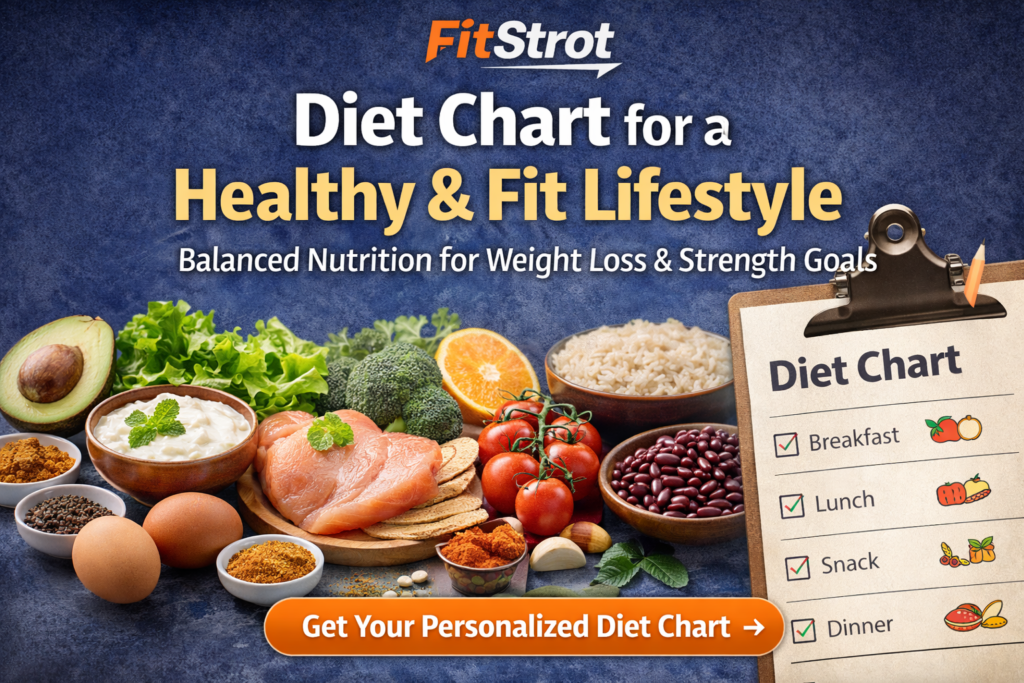
The best foods for heart health are fatty fish, leafy greens, nuts, olive oil, beans, berries, oats, and avocados — foods rich in fiber, unsaturated fats, and potassium that support healthy cholesterol and blood pressure. The worst are processed meats, foods high in sodium and added sugar, and anything made with industrial trans fats, since these directly raise LDL cholesterol, blood pressure, and inflammation. Heart health isn’t only about cholesterol — it’s the sum of what you eat every day, from sodium intake to omega-3s to how much of your plate comes from a package versus a garden.
Most articles on this topic zero in on cholesterol alone. But your heart cares about more than LDL numbers — blood pressure, triglycerides, inflammation, and blood vessel health all play a role too. This guide lays out a genuine best-versus-worst comparison so you can see the full picture at a glance and start making swaps today.
What Makes a Food Good or Bad for Your Heart?
Heart-healthy foods generally lower LDL (“bad”) cholesterol, raise HDL (“good”) cholesterol, reduce blood pressure, calm inflammation, or improve blood vessel function. Heart-harmful foods do the opposite — raise LDL, spike blood pressure through excess sodium, trigger inflammation, or contribute to weight gain that strains the cardiovascular system over time.
The American Heart Association’s core eating pattern emphasizes vegetables, fruits, whole grains, legumes, nuts, fish, and lean protein, while limiting sodium, added sugars, saturated fat, and processed meat. That framework is the backbone of this list. For the full dietary pattern behind it, see our heart-healthy diet plan, which covers the Mediterranean and DASH approaches in depth.
What Are the Best Foods for Heart Health?
These ten foods show up again and again in cardiovascular research because they tackle heart health from multiple angles — cholesterol, blood pressure, and inflammation all at once.
1. Fatty Fish (Salmon, Mackerel, Sardines)
The AHA recommends two 3.5-ounce servings of non-fried fish per week, prioritizing oily varieties like salmon, mackerel, sardines, or albacore tuna. These are rich in omega-3 fatty acids, which can lower triglycerides, modestly reduce blood pressure, and lower the risk of abnormal heart rhythms. One weekly serving of salmon can supply roughly the recommended daily intake of long-chain omega-3s.
2. Leafy Greens (Spinach, Kale, Swiss Chard)
Leafy greens are high in potassium, nitrates, and antioxidants — a combination that helps relax blood vessels and support healthy blood pressure. They’re low in calories and sodium, making them an easy daily addition.
3. Nuts (Walnuts, Almonds, Pistachios)
A small daily handful of unsalted nuts provides unsaturated fats, fiber, and plant sterols that can modestly lower LDL cholesterol. Walnuts also contain alpha-linolenic acid, a plant-based omega-3.
4. Extra-Virgin Olive Oil
Replacing butter or other saturated fats with olive oil is one of the simplest heart-healthy swaps. Its monounsaturated fat content, paired with polyphenol antioxidants, supports healthier cholesterol ratios when it becomes your primary cooking fat.
5. Beans, Lentils, and Legumes
Legumes are packed with soluble fiber, which binds to cholesterol in the digestive tract and helps remove it from the body. They also stabilize blood sugar, itself a cardiovascular risk factor when poorly controlled. For more on this, see our cholesterol-lowering foods list.
6. Berries (Blueberries, Strawberries, Raspberries)
Berries are rich in anthocyanins, antioxidant compounds linked to improved blood vessel function and modestly lower blood pressure — and a low-sugar way to satisfy a sweet craving.
7. Oats and Whole Grains
Oats contain beta-glucan, a soluble fiber shown to help lower LDL cholesterol. Swapping refined grains for oats, quinoa, farro, or brown rice adds fiber that supports cholesterol and digestive health alike.
8. Avocados
Avocados are a concentrated source of monounsaturated fat and potassium — the same blood-pressure-friendly nutrient found in leafy greens and bananas. They’re an easy swap for mayonnaise, butter, or sour cream.
9. Garlic and Onions
Allium vegetables contain sulfur compounds linked to modest reductions in blood pressure and LDL cholesterol. They add flavor that reduces the need for salt.
10. Dark Chocolate (in Moderation)
Dark chocolate with at least 70% cocoa contains flavanols that may support healthy blood vessel function. Portion matters — a square or two, not a bar, and check that added sugar stays low.

What Are the Worst Foods for Heart Health?
These foods share a few common threads: high sodium, industrial trans fats, added sugar, or heavy processing — each taxing the cardiovascular system in a different way.
1. Processed and Cured Meats
Bacon, hot dogs, sausages, and deli meats are consistently flagged as some of the worst foods for heart health. A major analysis published in the journal Circulation found that eating just 50 grams of processed meat daily — roughly two slices of deli turkey or one hot dog — was associated with a 42% higher risk of coronary heart disease. Sodium, nitrates, and saturated fat appear to drive this risk.
2. Foods High in Industrial Trans Fats
Trans fats raise LDL cholesterol while lowering HDL cholesterol — a double hit no other dietary fat causes. The 2019 ACC/AHA guidelines specifically call out trans fat as harmful, linking it to higher all-cause mortality across multiple long-term studies. Look for “partially hydrogenated oil” on labels, still found in some fried foods, baked goods, and margarines.
3. Sugary Drinks and Foods High in Added Sugar
The AHA recommends men cap added sugar around 9 teaspoons (36 grams) daily and women around 6 teaspoons (25 grams) — yet the average American adult consumes closer to 17 teaspoons a day. A study of over 30,000 U.S. adults found that people getting 25% or more of daily calories from added sugar were 2.75 times more likely to die from cardiovascular disease than those under 10%. Soda, sweetened coffee drinks, and candy are the biggest contributors. See does sugar raise cholesterol for more on this link.
4. High-Sodium Packaged and Canned Foods
The AHA recommends limiting sodium to 2,300 mg per day, with an ideal limit of 1,500 mg for most adults, especially those with high blood pressure. Canned soup can pack up to 830 mg of sodium in a single cup — more than a third of the daily limit in one bowl. Frozen dinners, packaged snacks, and restaurant meals are frequent sodium sources that add up without tasting overtly salty.
5. Ultra-Processed Snack Foods
Chips, packaged cookies, and similar snacks typically combine refined carbohydrates, added sugar, sodium, and unhealthy fats in one package. Some research also links ultra-processed foods as a category to higher cardiovascular risk, independent of their individual nutrients, possibly through their effect on appetite regulation and overall diet quality.
6. Fried Foods
Deep-frying adds calories and can introduce trans fats into foods that wouldn’t otherwise contain them, especially when oils are reused at high heat. Regular fried food consumption has been associated with higher risk of heart disease and heart failure in observational studies.
7. Full-Fat Dairy and Fatty Cuts of Red Meat (in Excess)
Saturated fat isn’t as villainized in current research as it once was, but consistently high intake — butter, fatty beef, and full-fat cheese eaten daily in large amounts — is still linked to elevated LDL cholesterol in most people. Our foods to avoid with high cholesterol guide covers this in more detail.
8. Refined Carbohydrates (White Bread, Pastries, Sugary Cereal)
Refined carbs digest quickly, spiking blood sugar and triglycerides — a lesser-known piece of the heart-health puzzle. If your triglycerides run high, our foods to avoid with high triglycerides article covers which carbohydrate sources matter most.
9. Excess Alcohol
Heavy or frequent drinking is linked to high blood pressure, irregular heart rhythms, and weakened heart muscle over time. Current guidance leans toward moderation at most — up to one drink daily for women and up to two for men.

Best vs. Worst: A Side-by-Side Snapshot
Seeing the two lists next to each other makes the swaps easier to picture in real life.
| Category | Best Choices | Worst Choices |
|---|---|---|
| Fats | Olive oil, avocado, nuts | Trans fats, fried food |
| Protein | Fatty fish, legumes, lean poultry | Processed and cured meats |
| Carbohydrates | Oats, whole grains, berries | White bread, pastries, sugary cereal |
| Sodium sources | Fresh vegetables, herbs, garlic | Canned soup, frozen dinners, salty snacks |
| Beverages | Water, unsweetened tea | Soda, sweetened coffee drinks, excess alcohol |
How Do You Put This Into Practice Without Overhauling Everything?
You don’t need to eliminate every food on the “worst” list overnight — sustainable change beats an all-or-nothing approach:
- Swap one processed meat meal per week for fatty fish, beans, or grilled chicken.
- Read sodium labels on canned and frozen foods, and choose “no salt added” or “low sodium” versions.
- Cook with olive oil instead of butter for most weeknight meals.
- Add one extra vegetable or fruit serving to a meal you already eat daily.
- Check labels for “partially hydrogenated oil” and choose alternatives when you see it.
For a broader, structured approach that ties these swaps into a full weekly pattern, our heart-healthy diet plan is a useful next stop.

Does One Bad Meal Undo Your Progress?
No — heart health is shaped by long-term patterns, not single meals. One high-sodium restaurant dinner or a slice of cake at a birthday party won’t meaningfully change your cardiovascular risk. What matters is what you eat most days over months and years, not perfect daily compliance.
When Should You See a Doctor About Heart Health?
Diet is a powerful lever, but it isn’t a substitute for medical care. If you have high blood pressure, high cholesterol, a family history of heart disease, or symptoms like chest discomfort, shortness of breath, or unusual fatigue, talk to a doctor. Blood tests can reveal your actual cholesterol and triglyceride numbers, and a physician can determine whether medication is needed alongside dietary changes — something a food list alone can’t tell you. If you want personalized help translating these choices into a plan that fits your life, an online nutritionist consultation can help you build a sustainable approach around your specific numbers and preferences.
Frequently Asked Questions
What is the single worst food for heart health?
There’s no single “worst” food, but processed meat consistently ranks among the top concerns — a major study linked just 50 grams daily (about one hot dog) to a 42% higher coronary heart disease risk. Combined with sodium and saturated fat, regular processed meat intake is one of the clearer dietary red flags.
Is butter or margarine worse for heart health?
It depends. Butter is high in saturated fat, but modern tub margarines made without hydrogenated oils are generally a better choice than butter. Older stick margarines containing partially hydrogenated oils are worse, since they contain trans fats. Check the label either way.
Can eggs be part of a heart-healthy diet?
Yes, for most people. The AHA notes that one to two eggs a day can fit into a heart-healthy eating pattern for people without existing heart disease. If you have high cholesterol or diabetes, ask your doctor about a personalized limit, since individual responses to dietary cholesterol vary.
How much sodium is actually safe per day?
The AHA recommends no more than 2,300 mg of sodium daily, with an ideal limit closer to 1,500 mg for most adults, particularly those with high blood pressure. Most sodium comes from packaged and restaurant food rather than the salt shaker, so reading labels matters more than skipping table salt.
Are plant-based diets automatically better for heart health?
Not automatically — a plant-based diet built around fries, white bread, and vegan junk food isn’t heart-healthy just because it’s plant-based. The benefit comes from whole, minimally processed plant foods like vegetables, legumes, nuts, and whole grains, not from avoiding animal products alone.
How long does it take to see heart-health benefits from diet changes?
Some markers, like blood pressure and triglycerides, can improve within a few weeks of consistent changes. LDL cholesterol typically takes about 4-6 weeks of sustained changes to show a measurable shift on a blood test. Long-term cardiovascular risk reduction builds over months and years.