The most effective cholesterol-lowering foods share one thing in common: they each block or flush out cholesterol through a different mechanism, which is why eating a variety works better than leaning on one “superfood.” Oats and barley trap cholesterol-rich bile acids with soluble fiber. Nuts swap in unsaturated fats and plant compounds that lower LDL particle counts. Fatty fish supplies omega-3s that improve your overall lipid profile. Plant sterol-fortified foods physically block cholesterol absorption in your gut. Below is a mechanism-explained list of the foods with the strongest evidence behind them, plus how much you’d actually need to eat to see a difference.
Why do different foods lower cholesterol in different ways?
Cholesterol management isn’t a single lever — it’s several. Some foods bind bile acids in your digestive tract, forcing your liver to pull cholesterol out of your blood to make more bile. Others replace saturated fat with unsaturated fat, which shifts your LDL (“bad” cholesterol) down on its own. A third group contains plant sterols and stanols that structurally resemble cholesterol and compete with it for absorption in the small intestine, so less ends up in your bloodstream. Knowing which mechanism a food uses explains why combining a few categories — fiber, healthy fats, and sterols — tends to outperform focusing on just one, which is also the logic behind a broader heart-healthy diet plan.
Which foods use soluble fiber to lower cholesterol?
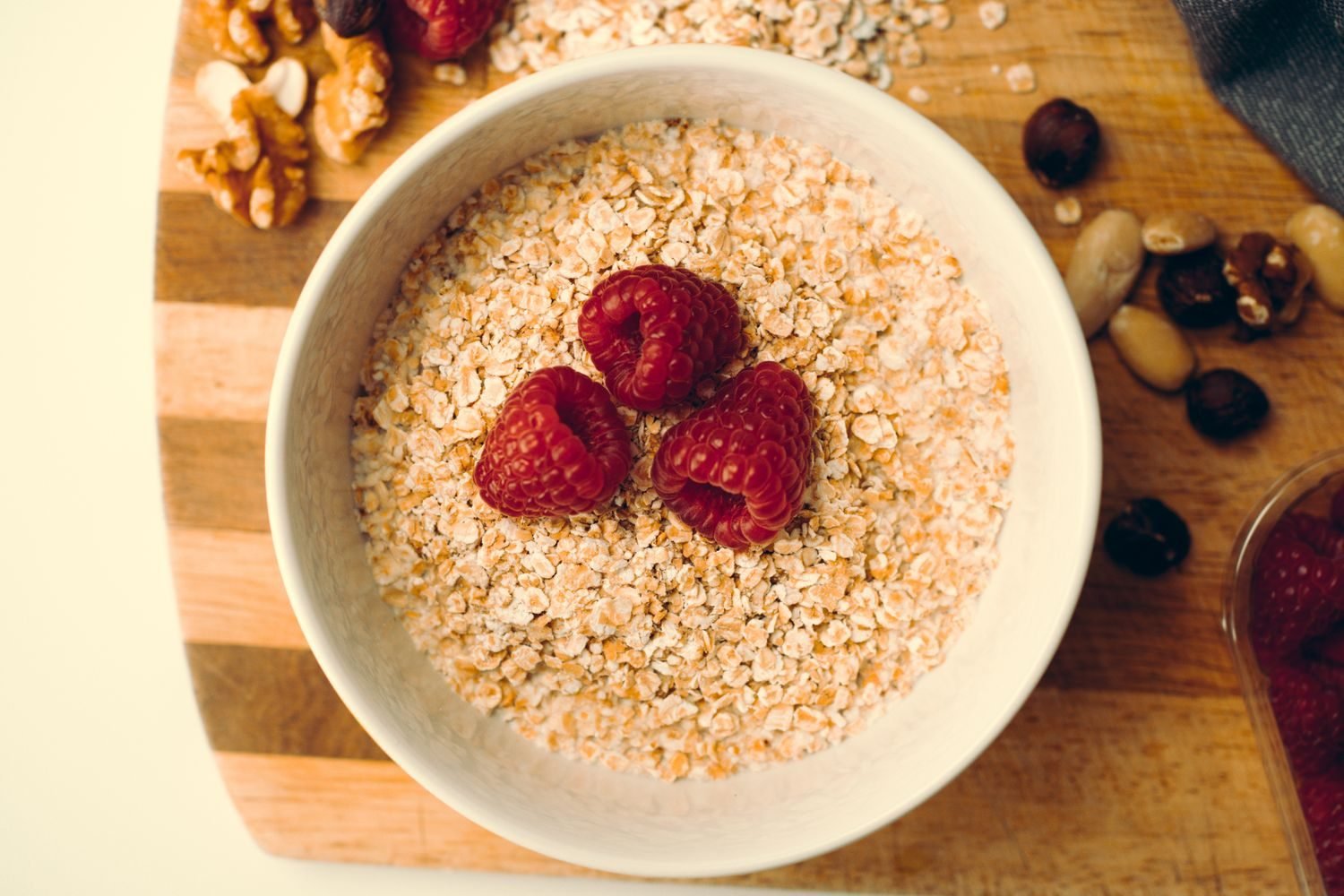
Oats, barley, and legumes lower cholesterol primarily through soluble (viscous) fiber, specifically a type called beta-glucan in the case of oats and barley. When you eat it, beta-glucan forms a gel in your gut that binds to bile acids — which are made from cholesterol — and carries them out of your body before they can be reabsorbed. Your liver then has to pull more cholesterol out of your bloodstream to replace that lost bile, which lowers circulating LDL.
Oats and barley
A 2023 systematic review of 17 randomized controlled trials found that around 3 grams of oat beta-glucan per day meaningfully lowered both total and LDL cholesterol, with oat consumption linked to roughly 5% and 7% reductions in total and LDL cholesterol, respectively. A larger 2016 meta-analysis of 58 trials involving nearly 4,000 people found that 3.5 grams of oat beta-glucan daily reduced LDL cholesterol by 4.2% and non-HDL cholesterol by 4.8%. That 3-gram threshold is also what the FDA-approved health claim is built on — roughly the amount in a large bowl of oatmeal or two servings of oat-based cereal.
Legumes
Beans, lentils, chickpeas, and split peas are dense in the same soluble fiber, plus plant protein that can stand in for higher-cholesterol animal protein at meals. The National Institutes of Health notes that 5 to 10 grams of soluble fiber a day — achievable with a cup of cooked beans or lentils plus a serving of oats — can lower total and LDL cholesterol by 5 to 11 points, sometimes more. Because legumes are cheap and versatile in soups, salads, and grain bowls, they’re one of the easiest additions here to make daily rather than occasional.
Which nuts and how much actually lower LDL cholesterol?
Nuts work through a combination of unsaturated fats, plant sterols, and fiber, and the research on specific amounts is more precise than most people expect. A comprehensive research update on nut consumption found a consistent cholesterol-lowering effect across walnuts, almonds, cashews, peanuts, and pistachios, with most clinical trials using doses between 5 and 100 grams per day — a median of about 45 grams, or roughly a small handful and a half.
Walnuts have the deepest evidence base specifically for LDL. Research summarized by the American Heart Association found that regular walnut-eaters lowered LDL cholesterol by an average of 4.3 mg/dL, reduced total LDL particle counts by 4.3%, and cut small, dense LDL particles — the type most linked to artery damage — by 6.1%. A review of 26 studies found the effect was strongest when walnuts made up 10% to 25% of daily calorie intake, roughly a small handful (about 30 grams, or 14 walnut halves) most days of the week.
Almonds show a similar pattern: a 2018 review found that adding almonds to the diet lowered LDL cholesterol while maintaining or even raising protective HDL cholesterol. The key with any nut is substitution — nuts help most when they replace less healthy snacks like chips or pastries, since a cup of walnuts runs well over 700 calories.
How does fatty fish improve your cholesterol profile?
Fatty fish like salmon, mackerel, sardines, and trout are rich in omega-3 fatty acids, which primarily lower triglycerides rather than LDL directly, but also tend to modestly raise HDL cholesterol and reduce the inflammatory load on your arteries. The American Heart Association has long recommended two servings of fatty fish per week (about 3.5 ounces cooked, roughly the size of a deck of cards) as part of a heart-protective eating pattern. Swapping fish in for red or processed meat a couple of times a week does double duty: it adds omega-3s while removing a source of saturated fat, often the more meaningful change for your LDL numbers.
Why are avocado and olive oil considered cholesterol-lowering fats?
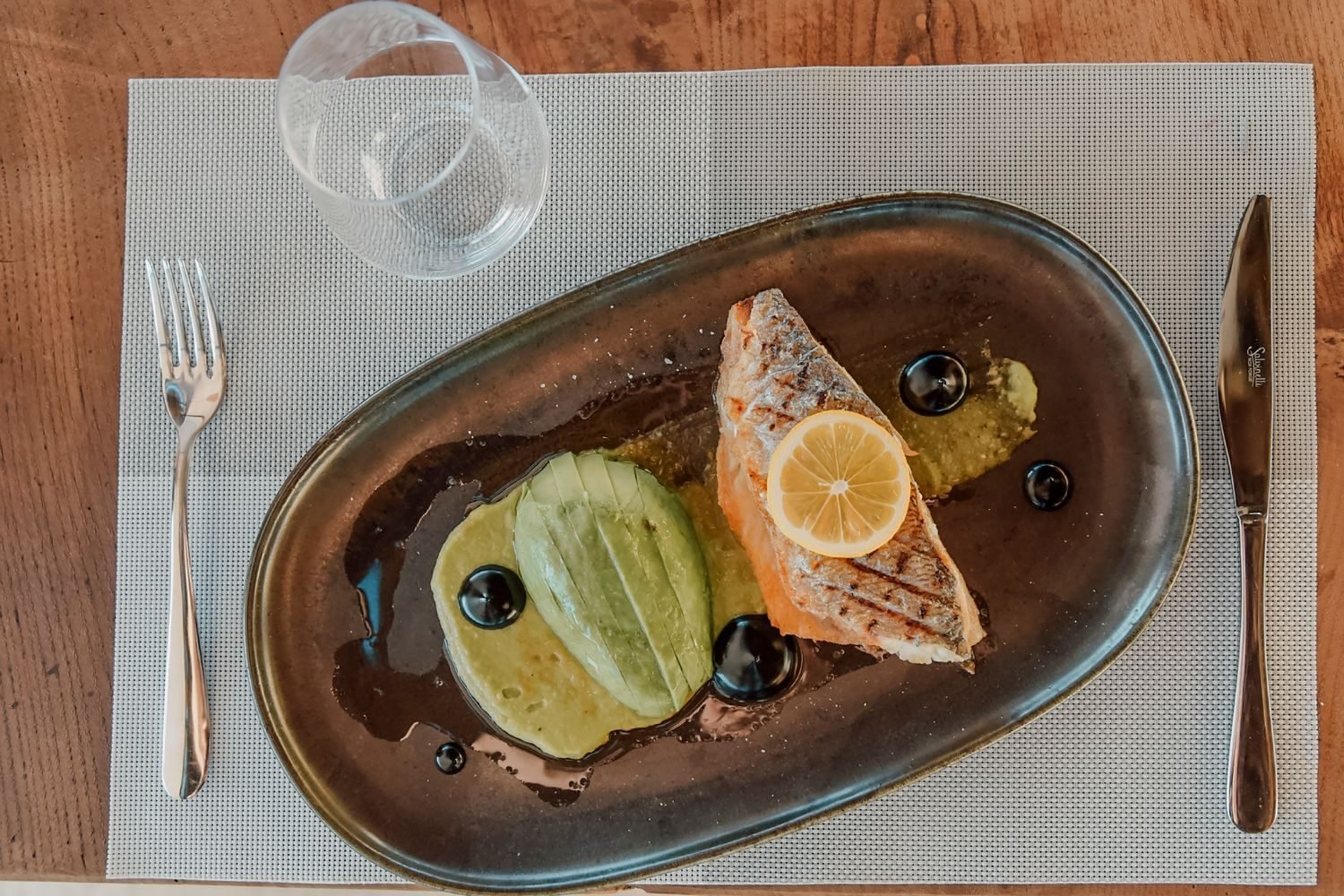
Avocado and extra-virgin olive oil both work the same basic way: they’re high in monounsaturated fat, which — when it replaces saturated fat from butter, fatty meat, or full-fat dairy — tends to lower LDL cholesterol while leaving or improving HDL cholesterol. Olive oil also contains polyphenols, plant compounds with antioxidant properties some research links to additional cardiovascular benefits beyond the fat content alone, part of why it’s a cornerstone of Mediterranean-style eating patterns studied for heart health.
A single avocado (about 200 grams) has roughly 20 grams of monounsaturated fat and also contributes plant sterols and fiber, giving it a small combined effect through more than one mechanism. The practical takeaway for both foods: they’re not meant to be added on top of a diet already high in saturated fat — the benefit comes from using them to replace butter, lard, or fried foods, not from eating them in addition.
What are plant sterol-fortified foods and do they really work?
Plant sterols and stanols are compounds found naturally in small amounts in vegetable oils, nuts, seeds, and whole grains, and they’re structurally similar enough to cholesterol to compete with it for absorption in your gut — essentially crowding it out. Because whole-food amounts are small, manufacturers add concentrated plant sterols to products like certain margarines, orange juices, and yogurt drinks marketed for cholesterol management.
The evidence here is unusually consistent: a meta-analysis of 40 plant sterol studies found an average 8.0% reduction in LDL cholesterol at doses of 2 to 2.5 grams per day, and NIH guidance points to that same 2-gram daily target. That’s a meaningfully large effect for a dietary change, though it works through a different pathway than medication and isn’t a substitute for prescribed treatment. Check labels for the actual plant sterol content in milligrams — many products only supply a fraction of the 2-gram target per serving.
How much of these foods do you actually need to eat each day?
Combining categories tends to produce a bigger effect than maxing out one food group, largely because each works through a different mechanism. A reasonable daily target based on the research above looks like this:
- Soluble fiber: 5–10 grams minimum (a bowl of oatmeal plus a cup of beans or lentils comfortably covers this)
- Beta-glucan specifically: around 3 grams from oats or barley
- Nuts: roughly 30–45 grams (a small handful), ideally replacing a less healthy snack
- Fatty fish: two servings of about 3.5 ounces per week
- Plant sterols: 2 grams per day if using fortified foods
- Monounsaturated fat sources: using olive oil or avocado in place of butter or fried oils at meals
None of these numbers require a specialty diet or expensive ingredients. If you want these swapped into a structured daily and weekly format rather than a list, see our diet plan to lower cholesterol for a day-by-day breakdown.
Can food alone lower cholesterol enough, or do you need other steps too?
For many people with mildly to moderately elevated cholesterol, dietary changes like the ones above can produce meaningful improvements over 6 to 12 weeks, especially combined with reducing saturated fat and added sugar intake — worth noting since sugar’s effect on cholesterol is often underestimated compared to fat. But genetics, existing health conditions, and how high your cholesterol is to begin with all affect how much diet alone can move the needle. If you’ve made these changes consistently and your numbers haven’t improved, or your cholesterol is significantly elevated, that’s a conversation for your doctor — not something to keep adjusting on your own. It’s also worth knowing which foods work against you; our guide to foods to avoid with high cholesterol covers the other half of the equation.
Frequently Asked Questions
Can I lower my cholesterol with food alone, without medication?
For mild to moderate elevations, dietary changes can produce real improvements, sometimes enough to avoid medication entirely. This depends on your starting numbers, genetics, and other health factors, so track progress with your doctor rather than assume diet is working without bloodwork to confirm it.
How long does it take for cholesterol-lowering foods to show results?
Most clinical trials measuring effects from oats, nuts, or plant sterols see measurable changes in LDL cholesterol within 4 to 8 weeks of consistent daily intake. Results vary by individual, and a follow-up cholesterol panel is the only reliable way to confirm the changes are working for you.
Are plant sterol-fortified foods safe to eat every day?
Generally yes, at the studied dose of 2 to 2.5 grams per day, but they’re not appropriate for everyone — people with a rare condition called sitosterolemia should avoid them. If you have an underlying health condition, check with your doctor before adding fortified products daily.
Do I need to eat all these foods every day to see benefits?
No single food is essential; the research supports a pattern, not perfection. Rotating through a few categories — a fiber source, a handful of nuts, fatty fish twice weekly, and healthy fats in place of saturated ones — works better than trying to eat everything daily.
Can eating too many nuts or too much olive oil raise cholesterol instead?
Not through the fat itself, since these are unsaturated fats, but portion size still matters for weight management, and both are calorie-dense. The benefit also depends on what they’re replacing — olive oil added on top of an already high-fat diet won’t help the way replacing butter with it will.
Is a personalized nutrition plan better than following a general food list?
A general list is a solid starting point, but individual factors like existing conditions, medications, and current cholesterol levels affect what works best for you. That’s where working with a nutritionist makes the difference between guessing and having a plan matched to your bloodwork.
Eating well is one of the most effective levers you have over your cholesterol, but it works best when it’s tailored to your actual numbers, habits, and health history rather than a generic list. If you’d like help turning this into a plan built around your own labs and lifestyle, an online nutritionist consultation is a good next step.