The best-supported diet for fatty liver reversal isn’t a branded plan — it’s a Mediterranean-style eating pattern combined with a specific weight loss target: 7-10% of body weight, according to research on nonalcoholic fatty liver disease (NAFLD). Studies tracking liver biopsies before and after weight loss found that losing just 5% of body weight can start reducing liver fat, 7% or more can improve liver inflammation, and 10% or more is linked with fibrosis (scarring) regression. That’s a wider, more diet-responsive window than most chronic conditions get credit for, and it’s why hepatologists increasingly treat food and weight as first-line therapy.
This article covers what the research actually says about reversing fatty liver through diet: how much weight loss matters, why the Mediterranean diet outperforms low-fat approaches, why fructose hits the liver harder than other conditions, and why coffee keeps showing up as protective. None of this replaces a diagnosis — if you suspect fatty liver or have been flagged on a scan or blood panel, a doctor or hepatologist needs to confirm what’s going on before you build a plan around it.
What Is Fatty Liver Disease and Can It Really Be Reversed?
Nonalcoholic fatty liver disease (NAFLD), now often called MASLD in newer research, is a buildup of fat in liver cells not caused by heavy alcohol use. It ranges from simple steatosis (fat with no inflammation) to NASH (inflammation and cell damage present) to fibrosis and, in advanced cases, cirrhosis.
Here’s what makes it stand out among diet-related conditions: unlike structural damage in many chronic diseases, early-stage fatty liver is genuinely diet-reversible according to research. The liver has strong regenerative capacity, and clinical trials using biopsy or imaging-confirmed liver fat have repeatedly shown that fat content can drop substantially with sustained dietary change. That said, “can improve or reverse with lifestyle change” is a different claim than “diet cures it” — fibrosis and cirrhosis are harder to reverse, and only a clinician can tell you which stage you’re dealing with. Get an ultrasound, elastography, or blood panel read by a professional before assuming diet alone is the fix. For a broader look at how food choices affect liver health day to day, see FitStrot’s guide to liver nutrition.
How Much Weight Do You Actually Need to Lose to Reduce Liver Fat?
This is the single most concrete number in fatty liver research, and it’s worth memorizing because it changes how you set goals.
- 5% body weight loss: associated with measurable reductions in liver fat (hepatic steatosis) in interventional studies using biopsy-confirmed outcomes.
- 7-10% body weight loss: linked to improvement in NASH activity — meaning less inflammation and cell damage, not just less fat.
- 10% or more body weight loss: the threshold associated with fibrosis regression or at least stabilization in research cohorts.
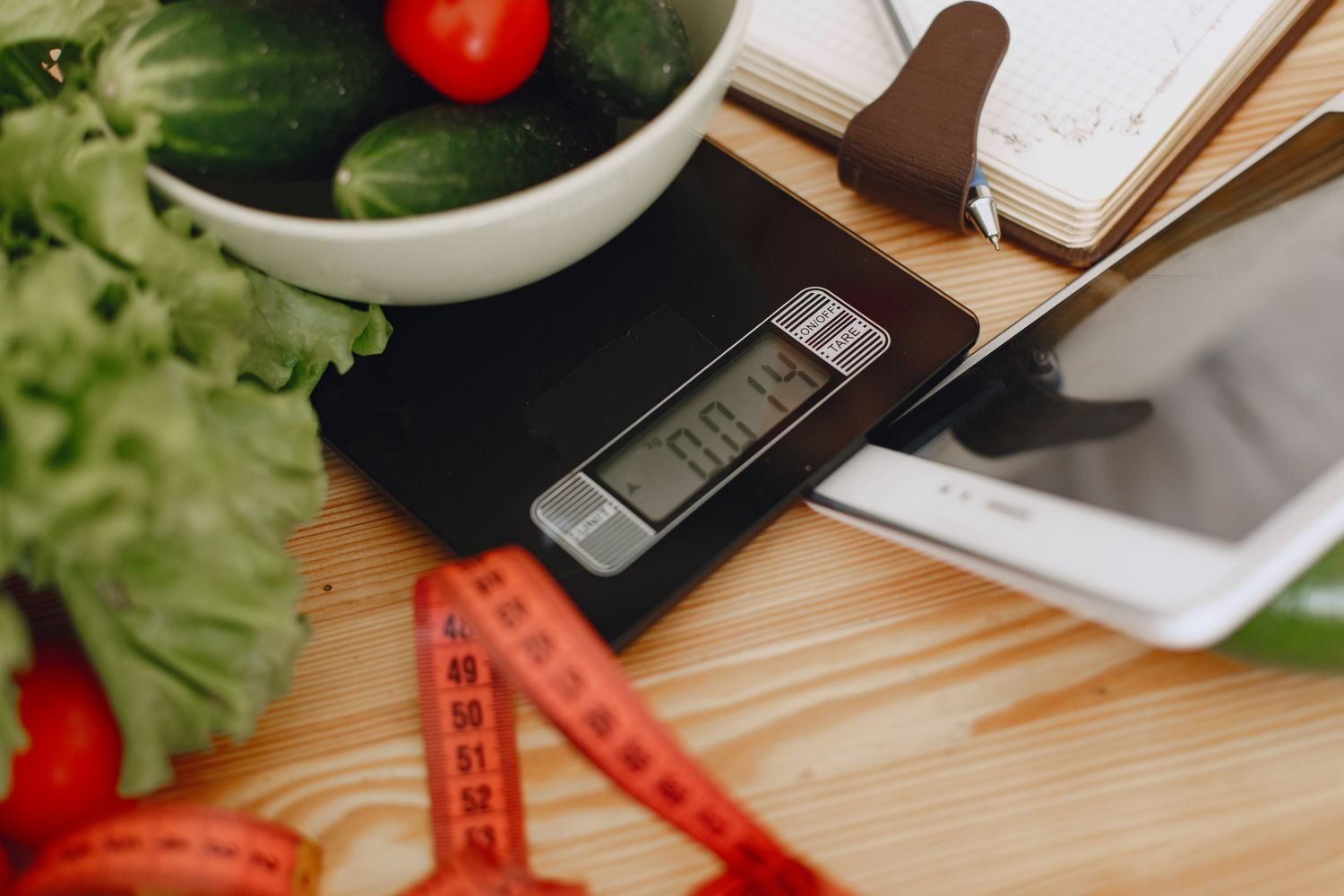
Research also points to a dose-dependent relationship: the more weight lost within a safe, gradual range, the greater the improvement in liver biomarkers. Practically, for someone at 200 lbs, that’s roughly 10-20 lbs for the first meaningful improvement. Slow, steady loss (about 1-2 lbs per week) is generally preferred over rapid loss, since very fast weight loss has in some cases been associated with worsening liver inflammation short-term. If you’re building a calorie plan around this, FitStrot’s guide to nutrition for weight loss covers how to set a sustainable deficit, and the piece on nutrition and fat loss digs into macronutrient balance during a cut.
Why Is the Mediterranean Diet the Top Recommendation for Fatty Liver?
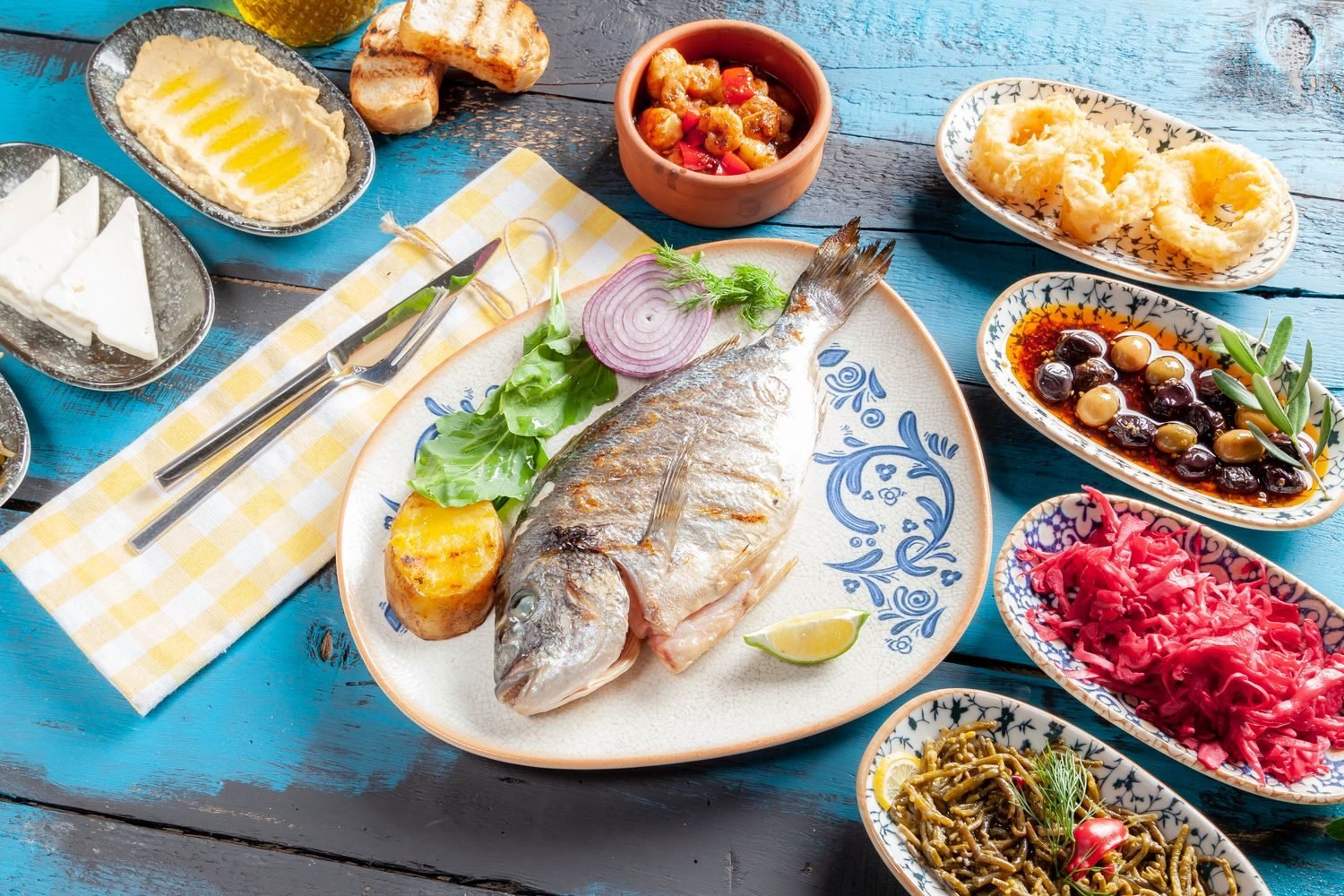
The Mediterranean diet has more direct research behind it for NAFLD than any other eating pattern, to the point that joint European clinical practice guidelines from liver, diabetes, and obesity societies name it the preferred dietary approach for NAFLD management. What the research shows specifically:
- High adherence to a Mediterranean pattern has been associated with dramatically lower NAFLD prevalence compared to low adherence in observational research — the gap between low and high adherence groups was substantial across multiple studies.
- Trials combining the Mediterranean diet with antioxidant-rich foods found reductions in liver fat and liver stiffness alongside improved cholesterol markers.
- Patients with higher Mediterranean diet adherence showed lower liver collagen deposition (a marker tied to fibrosis risk) and reduced platelet activation, a marker linked to disease progression.
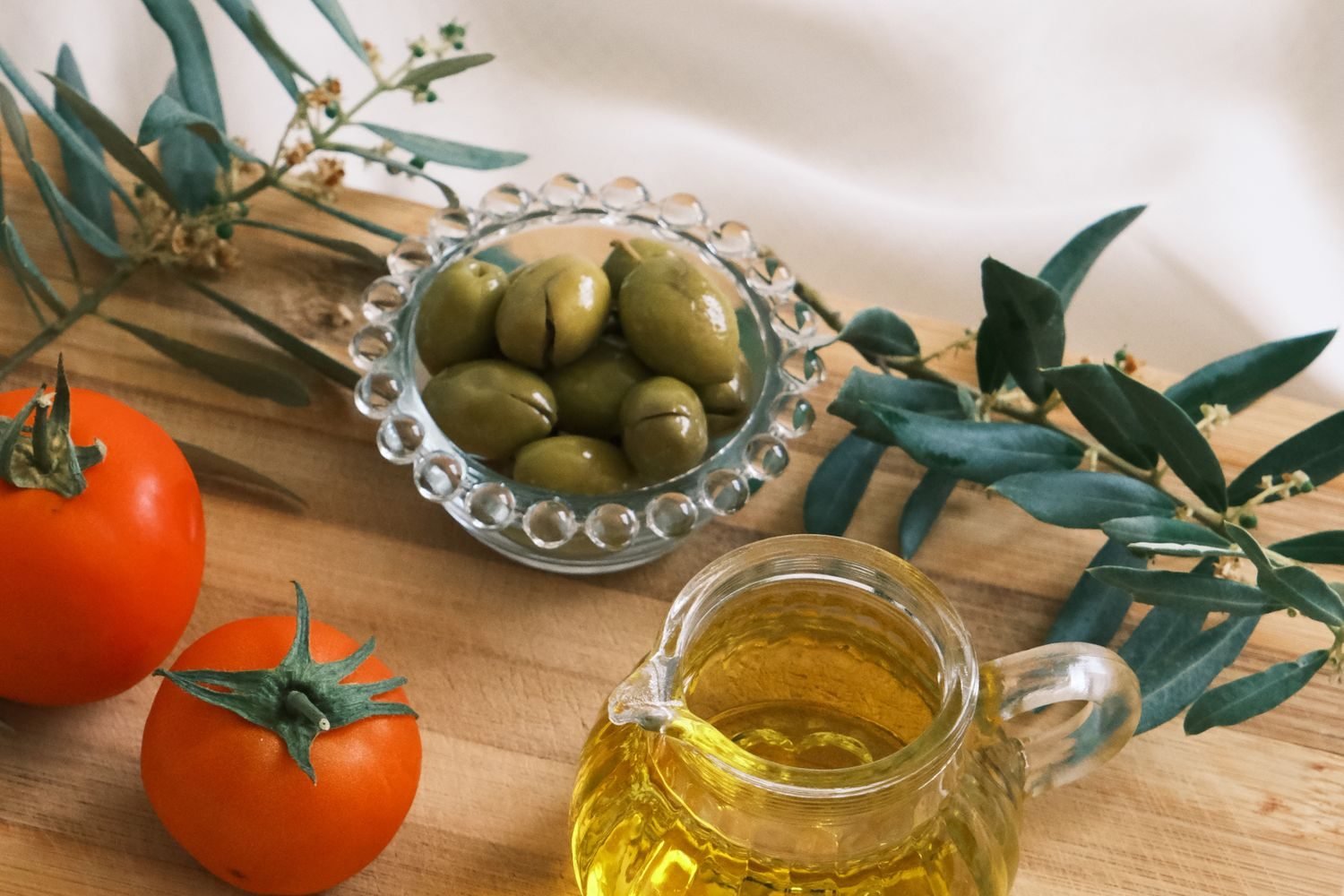
The mechanism isn’t mysterious. The diet is built around olive oil, fatty fish, vegetables, legumes, nuts, and whole grains — sources of monounsaturated fats, omega-3s, fiber, and polyphenols that reduce oxidative stress and inflammation, two core drivers of liver cell damage in NAFLD. It’s also naturally lower in refined carbohydrates and processed meats than a typical Western diet, which matters for the insulin resistance that usually accompanies fatty liver. This overlaps heavily with general heart-healthy eating, which is why the pattern also shows up in guidance on how sugar affects cholesterol. A practical starting point: olive oil as your primary fat, fish twice a week, nuts most days, vegetables at most meals, and red meat as an occasional item rather than a daily staple.
Why Does Added Sugar Affect the Liver More Than Other Organs?
If there’s one dietary component that deserves special attention in fatty liver — more than in general weight or heart health advice — it’s fructose, the sugar found in table sugar, high-fructose corn syrup, fruit juice, and many sodas.
Here’s why the liver is uniquely vulnerable: unlike glucose, which gets used by cells throughout the body, fructose is metabolized almost entirely in the liver. Research on fructose metabolism describes several ways it drives fat accumulation there specifically:
- It’s a direct substrate for de novo lipogenesis, the liver’s fat-manufacturing process, meaning fructose gets converted into fat more readily than glucose does.
- It inhibits fatty acid oxidation, so the liver burns less fat for fuel while also making more of it.
- Its breakdown increases uric acid production, a pathway linked to both liver fat accumulation and blood pressure effects.
- It’s linked to increased intestinal permeability, allowing more inflammatory compounds to reach the liver via the gut-liver axis.
To be precise: some human trials find that when calories are matched exactly, fructose doesn’t clearly outperform other calorie-dense sources in driving liver fat. But added sugar in the real world rarely comes calorie-matched — sugary drinks add calories on top of normal eating rather than replacing them, which is likely the bigger issue. The practical takeaway: sugar-sweetened beverages are the easiest target to cut, since they deliver a large fructose dose with no fiber or satiety to offset it. Whole fruit isn’t the concern — fiber and volume make it hard to overconsume fructose from fruit alone. For more on sugar’s broader metabolic effects, see does sugar raise cholesterol.
Does Coffee Actually Help Fatty Liver, or Is That Overstated?
Of all the counterintuitive findings in liver nutrition research, coffee’s protective association is one of the most consistently replicated. People who drink at least three to four cups daily show a lower incidence of fatty liver disease, an association researchers largely attribute to improvements in insulin resistance. In people who already have fatty liver, regular coffee consumption is linked with lower odds of progressing to cirrhosis — one meta-analysis found coffee associated with roughly 35% lower odds of significant liver fibrosis, and a large long-term cohort study found that five or more cups a day was linked with a 32% lower risk of cirrhosis, a 47% lower risk of liver cancer, and a 42% lower risk of dying from liver disease compared with non-drinkers. Both caffeinated and decaffeinated coffee show similar protective associations in several studies, suggesting the benefit likely comes from polyphenols rather than caffeine alone.
This is association research, not a controlled trial proving coffee reverses liver damage — people who drink coffee regularly may differ from non-drinkers in other habits. Still, the consistency across large, independent studies makes coffee a reasonable, low-risk addition, assuming you skip the added sugar and cream. Two to four cups of black or lightly-dressed coffee a day fits within most general health guidance — though anyone with heart rhythm issues, pregnancy, or caffeine sensitivity should check with their doctor first.
What Does a Practical Fatty-Liver-Reversal Day Look Like?
Translating the research into an actual day of eating, built around calorie awareness since weight loss is the biggest lever: coffee and Greek yogurt or eggs with vegetables in olive oil for breakfast; a large salad with olive oil dressing, legumes, and grilled fish or chicken plus whole-grain bread for lunch; roasted vegetables, a modest portion of whole grains, and fatty fish like salmon two to three times a week for dinner. Water, unsweetened tea, and coffee are the default drinks, with sugar-sweetened sodas and juices minimized. Snacks lean toward nuts, fruit, or vegetables rather than packaged, refined-carb options.
None of this requires precision — adherence over years matters more than any single day. Tracking weight trends and pairing this with movement supports the weight-loss targets discussed earlier. If you’re unsure how your current weight maps to relevant benchmarks, FitStrot’s piece on BMI and nutrition is a useful starting reference, understanding that BMI is a screening tool rather than a diagnostic one.
When Should You See a Doctor Instead of Just Changing Your Diet?
Diet changes are reasonable to start immediately if you’re generally healthy and want to reduce your risk. But medical evaluation matters if you’ve been told you have elevated liver enzymes (ALT/AST) on a blood test, an ultrasound or MRI noted fatty liver or hepatic steatosis, you have type 2 diabetes or metabolic syndrome, or you experience unexplained fatigue, upper-right abdominal discomfort, or jaundice. A hepatologist or gastroenterologist can determine your actual stage of disease using bloodwork, imaging, or elastography, and rule out other causes of liver fat. Diet is a genuinely powerful tool here per the research, but it works best paired with proper diagnosis and monitoring rather than guesswork.
Frequently Asked Questions
Can fatty liver be reversed completely through diet alone?
Research shows early-stage fatty liver can improve substantially, and sometimes resolve on imaging, with sustained weight loss and dietary change. More advanced fibrosis is harder to reverse. A doctor can assess your stage and whether diet alone is likely sufficient or needs to be paired with other treatment.
How long does it take to see liver fat improvement with diet changes?
Some studies show measurable reductions in liver fat within 8-12 weeks of consistent calorie reduction and dietary change, though fuller improvement in inflammation and fibrosis typically takes longer and correlates more closely with total weight lost than with time elapsed on the plan.
Is intermittent fasting good for fatty liver?
Some smaller studies suggest intermittent fasting can support weight loss and improve liver enzymes, largely through the same calorie-deficit mechanism as other approaches. It isn’t shown to be clearly superior to standard calorie reduction for liver-specific outcomes, so the best method is the one you can sustain.
Should I avoid all fat if I have fatty liver?
No. Research supports moderate-to-higher unsaturated fat intake (olive oil, nuts, fatty fish) as part of the Mediterranean pattern, which outperforms very low-fat diets in NAFLD studies. The concern is excess saturated fat and refined carbohydrates, not fat as a category.
Does alcohol matter if my fatty liver isn’t caused by drinking?
Yes. Even in NAFLD not caused by alcohol, existing liver stress from fat accumulation leaves less reserve capacity to process alcohol safely. Most clinicians recommend minimizing or avoiding alcohol during active dietary treatment — ask your doctor for personalized guidance.
Fatty liver disease is one of the more genuinely diet-responsive conditions in metabolic health, but translating “the Mediterranean diet works” and “lose 7-10%” into a plan that fits your actual life, preferences, and any other health conditions is where most people get stuck. If you want a structured, personalized plan rather than piecing it together from articles, FitStrot’s online nutritionist consultation can help you build one around your labs, your schedule, and your goals.