The biggest benefit of online diet counselling is that it removes the two things most likely to derail a nutrition plan: inconvenience and inconsistency. You skip the commute, you keep appointments that would otherwise get cancelled when work runs late, and you get a specialist who isn’t limited to whoever happens to have a clinic near your pin code. Research backs this up with results that are honest rather than hyped — telehealth nutrition counselling produces outcomes broadly comparable to in-person care, and in several studies, people actually show up to more of their sessions when they don’t have to leave the house to attend them.
If you’ve been putting off a consultation because visiting a clinic feels like a hassle, or you’re wondering whether a video call with a dietitian can really replace sitting across a desk from one, this is the article that answers it directly — with the evidence, not just the sales pitch. (If you’re curious about the session mechanics rather than the case for going online, see our companion piece on what an online nutritionist does.)
Does online diet counselling actually work as well as in-person visits?
Yes, for the majority of nutrition goals — weight management, diabetes support, cardiometabolic risk reduction, and general diet quality — the clinical evidence shows telehealth nutrition counselling delivers results comparable to face-to-face sessions. A clinical trial comparing telehealth and in-person delivery in adults with obesity found no significant difference in weight loss, body fat reduction, or waist circumference between the two groups, with roughly 45% of the in-person group and 49% of the telehealth group losing more than 5% of their initial body weight (Healthcare, 2024). That’s not a marginal difference favoring the clinic visit — if anything, it runs the other way.
What’s more telling is what happened around the numbers. The telehealth group had a significantly higher session attendance rate, 97% compared to 75% for the in-person group, and reported higher satisfaction with their obesity management outcomes (87% versus 76%). A separate randomized controlled trial in Turkey found that increasing the frequency of dietitian contact through telehealth meaningfully improved cardiometabolic markers in people with metabolic syndrome, reinforcing that more frequent, easier-to-attend touchpoints move the needle more than the format of any single session (Medicina, 2024). The honest takeaway from the research isn’t that online counselling beats in-person care on some magic multiplier — it’s that it removes friction, and friction is usually what breaks a nutrition plan before the plan itself does.
Some researchers do flag limitations worth knowing about. A qualitative study of dietitians in Malaysia noted that fully remote counselling can make certain physical assessments harder to conduct, and several experts recommend a hybrid approach for complex medical cases — an initial in-person or thorough video evaluation followed by remote check-ins (BMC study, 2025). For most people seeking help with weight, diabetes, PCOS, cholesterol, or everyday eating habits, though, a full online model works well. If you want a closer look at what a session involves, our guide on what an online nutritionist does walks through the process step by step.
How much time and travel does online counselling actually save?
Think about what an in-person nutrition visit really costs beyond the consultation fee: getting to the clinic, waiting-room time, getting back, and doing it all again every follow-up. For someone in a metro city, a single visit can easily eat two to three hours once you count travel and waiting, even if the appointment itself is 30 minutes. Multiply that by a typical counselling program — often six to twelve sessions over three to six months — and the time cost becomes a real reason people quietly stop going.
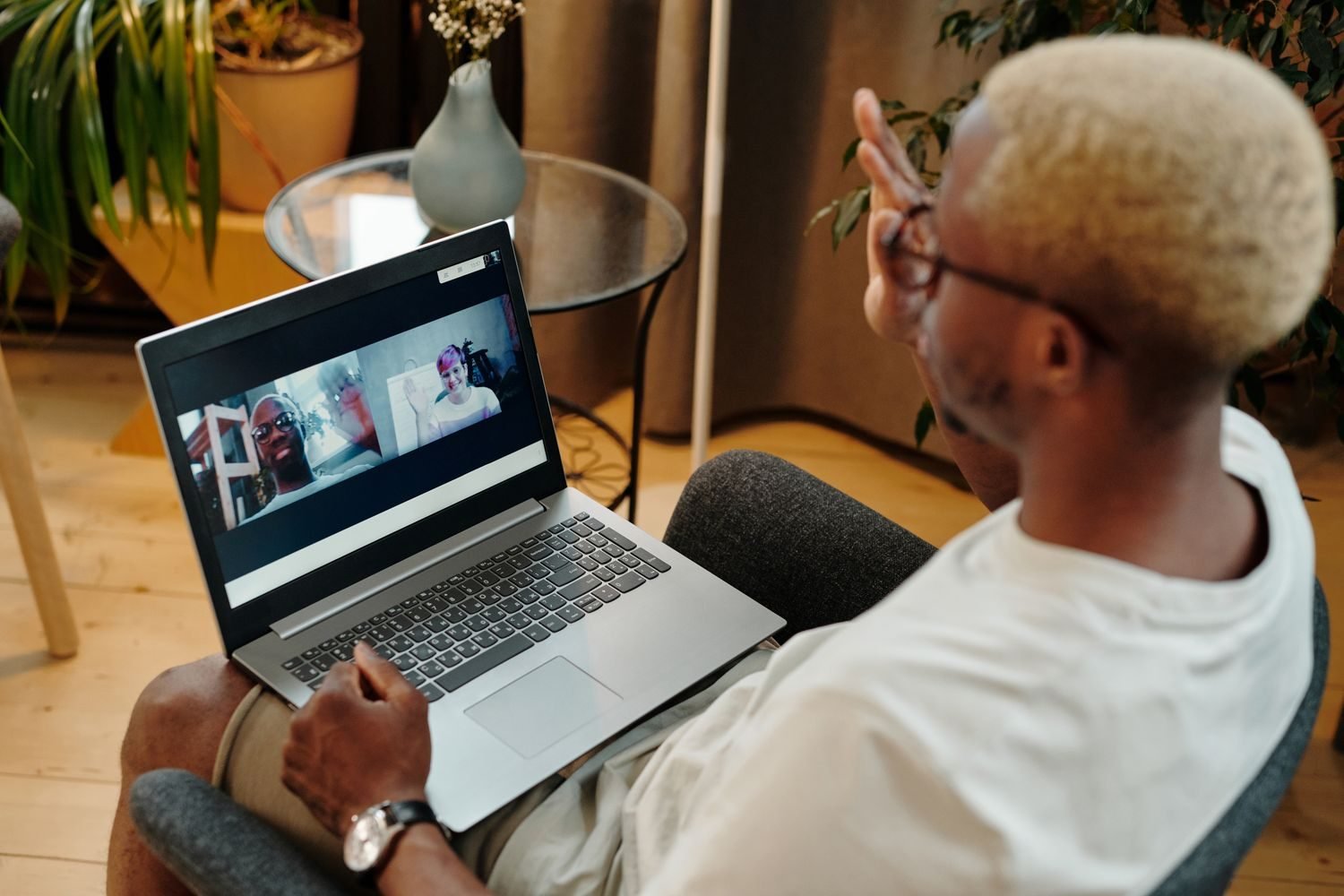
Online sessions collapse that down to the length of the call itself. You join from your desk during a lunch break, from home after the kids are asleep, or from a hotel room if you’re travelling for work. It’s often the difference between finishing a nutrition program and abandoning it at session three, since consistency is the single biggest predictor of results in diet counselling.
Can online counselling really match the personal connection of an in-person consult?
For most people, yes — because the relationship is built through conversation and follow-through, not through being in the same room. A good online nutritionist still reviews your food logs, asks about your sleep and stress, adjusts your plan based on how your body is responding, and holds you accountable between sessions. What changes is the delivery channel, not the substance of the relationship.
Where video consultation genuinely helps is follow-up frequency. A quick 15-minute check-in is far easier to schedule than a full in-person visit, so many online nutritionists offer shorter, more frequent touchpoints instead of spacing everything a month apart — which aligns with the research above showing more frequent contact correlates with better outcomes. If you’re deciding between a broader wellness coach and a clinically trained professional, it’s worth understanding the difference between an online nutritionist and a dietitian before you commit to a program.
Does going online mean you’re limited to generic advice instead of a specialist?
It’s actually the opposite — online counselling is often how people access a specialist they wouldn’t otherwise have. If you live in a smaller city or town, the number of dietitians who specialize in PCOS, renal nutrition, sports performance, or paediatric feeding within a reasonable driving distance may be zero. Online counselling removes that geographic ceiling entirely. You’re no longer choosing from “whoever practices near me” but from professionals who specifically treat your condition.
This matters most for conditions that need nuanced, ongoing dietary management rather than one-size-fits-all advice. Someone managing PCOS through nutrition, for instance, benefits from a practitioner who understands insulin resistance and hormonal eating patterns specifically, not just general weight-loss guidance. The same applies to people trying to lower cholesterol through diet — the plan needs to account for medication interactions, family history, and lab trends over time, which a specialist is better equipped to manage than a generalist. Telehealth is what makes that specialist accessible in the first place, regardless of your pin code.

Is online diet counselling actually cheaper than in-person visits?
Usually, yes, though the savings come from a few different places rather than one obvious discount. Online practices typically carry lower overhead — no clinic rent, no receptionist staffing a front desk — and that often shows up as a lower session fee compared to in-person specialist consultations in the same city. But the bigger saving for most people is indirect: no cab fare or fuel, no parking, and no half-day of lost work or missed income for appointments during business hours.
There’s also a subtler cost consideration: missed appointments. When a session requires travel, a bad traffic day can mean losing the fee entirely and rescheduling, which stretches out your program and delays results. Lower-friction online sessions are easier to actually keep, so you get more value out of every rupee spent. For a clearer sense of what’s typically included in a program and how pricing tends to be structured, see our overview on working with a nutrition consultant.
Who benefits most from choosing online over in-person counselling?
Online counselling tends to be the better fit for people in a few specific situations:
- People with unpredictable work schedules — shift workers and frequent travellers can reschedule a video call far more easily than an in-person slot.
- People outside major cities — if the nearest qualified specialist for your condition is a two-hour drive away, online access is often the only realistic way to see one regularly.
- People who need frequent check-ins — diabetes, PCOS, and post-surgical nutrition often respond better to shorter, more frequent adjustments than monthly deep-dive sessions.
- People managing social anxiety or mobility limitations — a call from a familiar space can lower the barrier to being open about eating habits.
- Parents and caregivers — fitting a consult around school pickups or childcare is easier when you don’t have to leave the house.
The exception worth naming honestly: if you have a condition requiring hands-on physical assessment — certain malabsorption issues, feeding tube management, or cases where body composition measurement tools matter clinically — a hybrid model with at least one in-person evaluation may serve you better than a fully remote one. A good nutrition consultant should tell you this upfront rather than push everyone into the same format.
What should you check before starting online diet counselling?
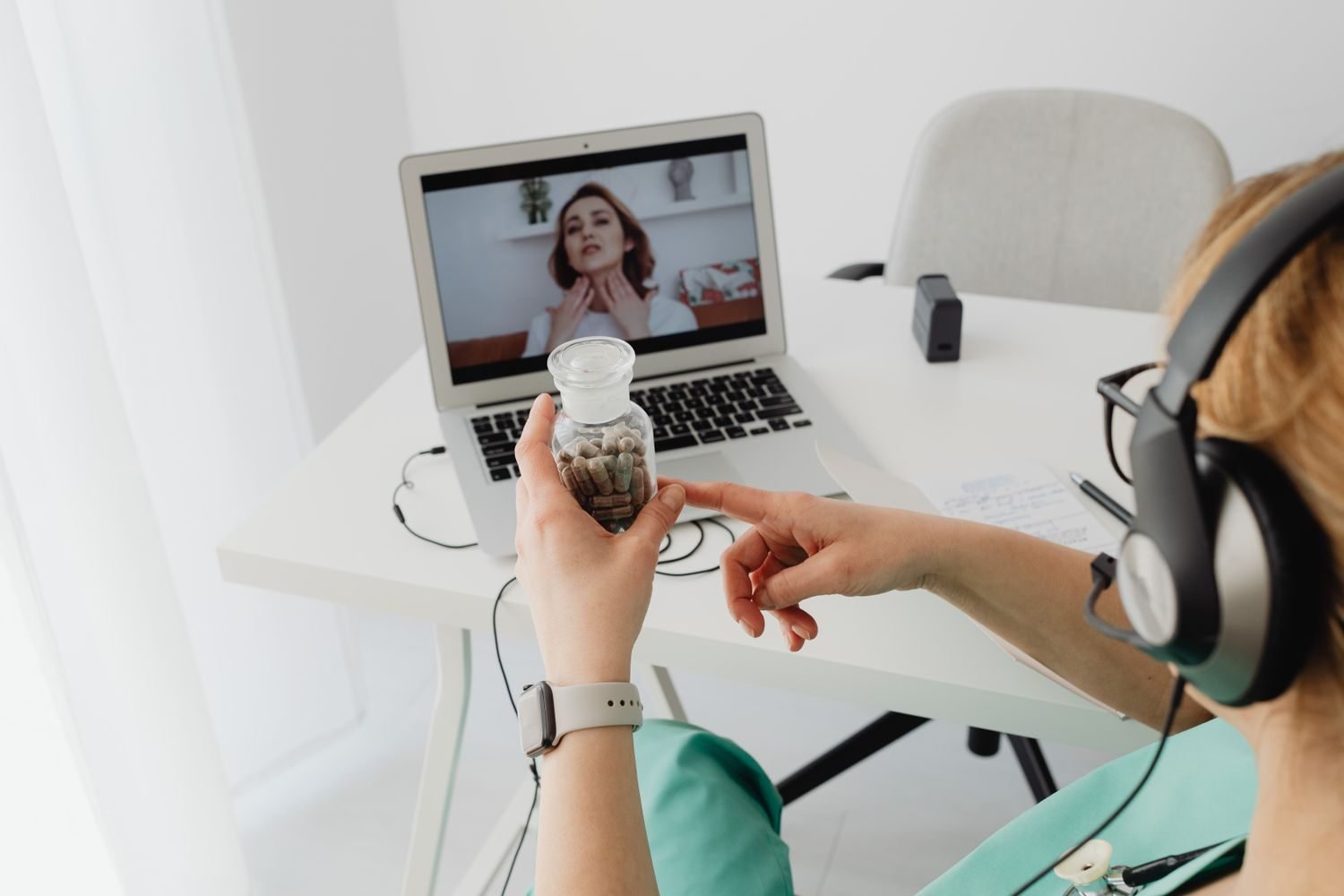
A few basics separate a solid online counselling experience from a frustrating one. First, confirm the practitioner’s qualifications — a registered dietitian or credentialed nutritionist, not just someone with a wellness certification, especially if you have a medical condition. Second, ask how follow-up works between sessions: is it just the next scheduled call, or is there a way to message with questions in between? Third, check whether the platform supports the basics you’ll actually use — sharing food logs and lab reports securely, and receiving a written plan you can refer back to rather than only verbal advice on a call.
Finally, ask about session frequency before committing to a package. Since the research consistently points to consistency of contact as the real driver of results, a program offering brief, frequent check-ins is often a better fit than one offering long sessions spaced a month apart.
Frequently Asked Questions
Is online diet counselling as effective as seeing a nutritionist in person?
For most goals — weight management, diabetes support, cholesterol, and general diet improvement — research shows comparable outcomes between telehealth and in-person nutrition counselling, with some studies showing higher attendance and satisfaction in the online group. Complex medical cases needing physical assessment may still benefit from a hybrid approach.
Can I get lab reports or a personalized diet plan through an online consultation?
Yes. You typically share existing lab reports, medical history, and food logs digitally before or during the call, and receive a written, personalized diet plan afterward — the same core deliverables as an in-person consult, just exchanged digitally instead of on paper.
How often should I have online nutrition sessions for good results?
It depends on your goal, but research suggests more frequent, shorter check-ins tend to outperform infrequent long sessions for adherence and outcomes. Many programs start with weekly or biweekly calls and space them out as habits stabilize.
Will an online nutritionist actually hold me accountable, or is it easier to skip sessions?
In practice, attendance tends to be higher for online sessions precisely because there’s no travel barrier to skipping them. Accountability comes from the structure the practitioner sets — regular check-ins, progress tracking, and follow-up messaging — not from being physically present in a room.
Is online diet counselling suitable for medical conditions like PCOS or high cholesterol?
Yes, for most people managing these conditions, online counselling with a qualified specialist works well and gives you access to practitioners who focus specifically on that condition rather than general advice, which can be harder to find locally.
If you’re ready to experience the convenience and accessibility for yourself, you can book an online nutritionist consultation and get matched with a specialist suited to your goals, without the commute.