If you have high triglycerides, the foods to cut back on first are added sugar, sugary drinks, refined grains like white bread and white rice, and alcohol — not dietary fat. That surprises a lot of people, because it’s the opposite of the advice usually given for high LDL cholesterol. Triglycerides are a different type of blood fat, and they respond to a different set of dietary triggers. Get the target wrong and you can spend months cutting the wrong foods while your triglyceride number barely moves.
A normal fasting triglyceride level is below 150 mg/dL, according to MedlinePlus. Levels of 150–199 mg/dL are borderline high, 200–499 mg/dL is high, and 500 mg/dL or above is very high and carries a risk of pancreatitis. If your latest lipid panel landed above 150, the diet strategy below has the most research behind it — but a number that high should also go through your doctor, since certain medications and underlying conditions like poorly controlled diabetes or thyroid issues can drive triglycerides up independent of diet.
Why do triglycerides respond differently to diet than cholesterol does?
LDL (“bad”) cholesterol is most sensitive to saturated fat and dietary cholesterol — which is why a cholesterol-focused eating plan emphasizes swapping fatty meats and butter for leaner proteins. Triglycerides work through a different pathway: they’re the form your body uses to store unused energy, and your liver converts excess calories — especially from sugar and refined starch — directly into triglycerides for storage.
That’s the core distinction: cholesterol is largely a fat-quality issue, while triglycerides are largely a carbohydrate-and-energy-balance issue. A 2009 American Heart Association scientific statement found that sugar intake, relative to other carbohydrate sources, is associated with increased triglyceride levels, and a meta-analysis of 37 controlled trials found that higher sugar intake raised triglycerides by an average of 9.7 mg/dL compared to lower intake — independent of weight change. Sugar raises triglycerides even before it shows up on the scale.
This is also why a triglyceride-lowering diet is not the same as a low-fat diet. The AHA has noted that replacing saturated fat with refined carbohydrates and sugar isn’t associated with better cardiovascular outcomes — it can just trade one problem for another. If you’re wondering how the two conditions differ, does sugar raise cholesterol covers the LDL side in more depth.
What foods should you avoid with high triglycerides?
The foods with the strongest evidence link to elevated triglycerides fall into a few categories, roughly in order of impact:
- Sugar-sweetened beverages — soda, sweet tea, fruit drinks, energy drinks, and sweetened coffee drinks. Liquid sugar is absorbed fast and delivers a concentrated fructose load to the liver.
- Added sugar in packaged foods — pastries, candy, flavored yogurt, granola bars, and sauces that use sugar as a filler.
- Refined grains — white bread, white rice, most crackers, and low-fiber breakfast cereals, which digest quickly into glucose.
- Alcohol — beer, wine, and spirits all raise triglycerides, with the effect getting sharply worse at higher intake.
- Fried foods and takeout — often a combination of refined carbs, added sugar (in sauces and breading), and excess calories.
- Foods high in trans fat — still found in some margarines, packaged baked goods, and shelf-stable snack foods.
Notice what’s missing: eggs, olive oil, nuts, and fatty fish. These foods are often restricted on a cholesterol-lowering diet, but they’re not the primary drivers of high triglycerides — and fatty fish actually helps lower them, thanks to its omega-3 content.
Why is added sugar the biggest dietary driver of high triglycerides?
Of everything on that list, added sugar — and specifically fructose — has the most consistent evidence behind it. When you eat sugar, roughly half is glucose and half is fructose (table sugar and high-fructose corn syrup are both close to this ratio). Glucose gets used by cells throughout the body for energy. Fructose is metabolized almost entirely by the liver, and when it arrives in excess, the liver converts a large share of it directly into new fat — triglycerides — through a process called de novo lipogenesis. This is a fundamentally different pathway than what happens with dietary fat, which mostly gets packaged and shipped out for storage or use without first being rebuilt from scratch in the liver. It’s part of why cutting sugar tends to move triglyceride numbers faster than cutting fat does for most people.
The American Heart Association has stated that drinking a 12-ounce sugary beverage more than once a day is linked to both higher triglycerides and lower HDL (“good”) cholesterol in middle-aged and older adults. If you drink your calories — soda, sweetened iced coffee, juice, sports drinks — that’s usually the single highest-leverage place to cut first, because liquid sugar has no fiber to slow absorption.
How much added sugar is too much?
The AHA’s general guidance caps added sugar at roughly 100 calories a day for women (about 6 teaspoons, or 25 grams) and 150 calories a day for men (about 9 teaspoons, or 36 grams). A single 12-ounce can of regular soda contains around 39 grams of added sugar — more than a full day’s limit in one can. If your triglycerides are elevated, treat that number as a ceiling, not a target. For how sugar behaves beyond triglycerides, does sugar raise cholesterol is worth reading alongside this one.
How do refined carbohydrates raise triglycerides, and does that mean all carbs are a problem?
No — this is a common misreading. The issue is specifically refined and rapidly digested carbohydrates, not carbohydrates as a category. White bread, white rice, most crackers, and low-fiber cereal digest quickly into glucose, which triggers a sharp insulin response. Chronically high insulin levels push the liver toward storing more energy as triglycerides rather than burning it, and this effect is more pronounced in people who already have some degree of insulin resistance.
Whole, fiber-intact carbohydrates behave differently. Foods like oats, quinoa, legumes, and fruit with the skin on digest more slowly, produce a smaller insulin spike, and haven’t shown the same triglyceride-raising effect in research. Fiber appears to be part of the protective mechanism — research summarized in lipid-management literature suggests that dietary strategies emphasizing higher fiber and lower simple-carbohydrate intake can lower triglycerides by roughly 20–50%, depending on the person’s starting point and consistency.
The practical takeaway: swapping white rice for brown rice, or white bread for a dense whole-grain loaf, is a meaningfully different move than swapping olive oil for a low-fat spread. One targets the pathway that actually drives triglycerides; the other mostly doesn’t. See this diet plan for lowering cholesterol for how the two goals overlap without being identical.

How much does alcohol really affect triglycerides?
More than most people expect, and the effect is specific to triglycerides in a way it isn’t for LDL cholesterol. Research on alcohol and lipid metabolism shows two mechanisms at work. In the short term, alcohol consumed alongside a fatty meal blunts the activity of lipoprotein lipase, the enzyme that clears triglyceride-carrying particles from the bloodstream — so a fatty meal with wine or beer produces a bigger, longer-lasting triglyceride spike than the same meal without alcohol. Over the longer term, regular alcohol intake increases the liver’s production of VLDL, the triglyceride-rich particle that becomes LDL cholesterol as it’s broken down in circulation.
In people who already have elevated triglycerides, this effect can become severe. Research has linked heavy chronic alcohol intake to markedly elevated triglycerides, including cases severe enough to raise the risk of pancreatitis — a serious, painful condition. People carrying extra body weight also appear more sensitive to alcohol’s triglyceride-raising effect than leaner individuals, according to lipid metabolism research.
If your triglycerides are in the borderline-high or high range, cutting back on alcohol is often one of the fastest levers you can pull — sometimes producing a noticeable change within a few weeks, though individual response varies and a clinician is the right person to help you set a target based on your specific numbers.
Does the type of alcohol matter?
Not as much as the total amount. Beer, wine, and spirits all raise triglycerides through the same underlying mechanisms — the calories and alcohol itself, not the specific beverage. Sweet mixed drinks and dessert wines add the further problem of added sugar on top of the alcohol effect, making them a particularly unhelpful choice for anyone managing high triglycerides.
What should a triglyceride-friendly diet actually look like?
Rather than a low-fat diet, think of it as a low-added-sugar, low-refined-carb, moderate-to-no-alcohol pattern that still includes healthy fats. A few practical shifts:
- Replace sugary drinks with water, unsweetened tea, or sparkling water — this alone addresses the single largest source of added sugar for most people.
- Choose whole-grain, fiber-intact carbohydrates over refined versions: brown rice instead of white, oats instead of sugary cereal, whole fruit instead of juice.
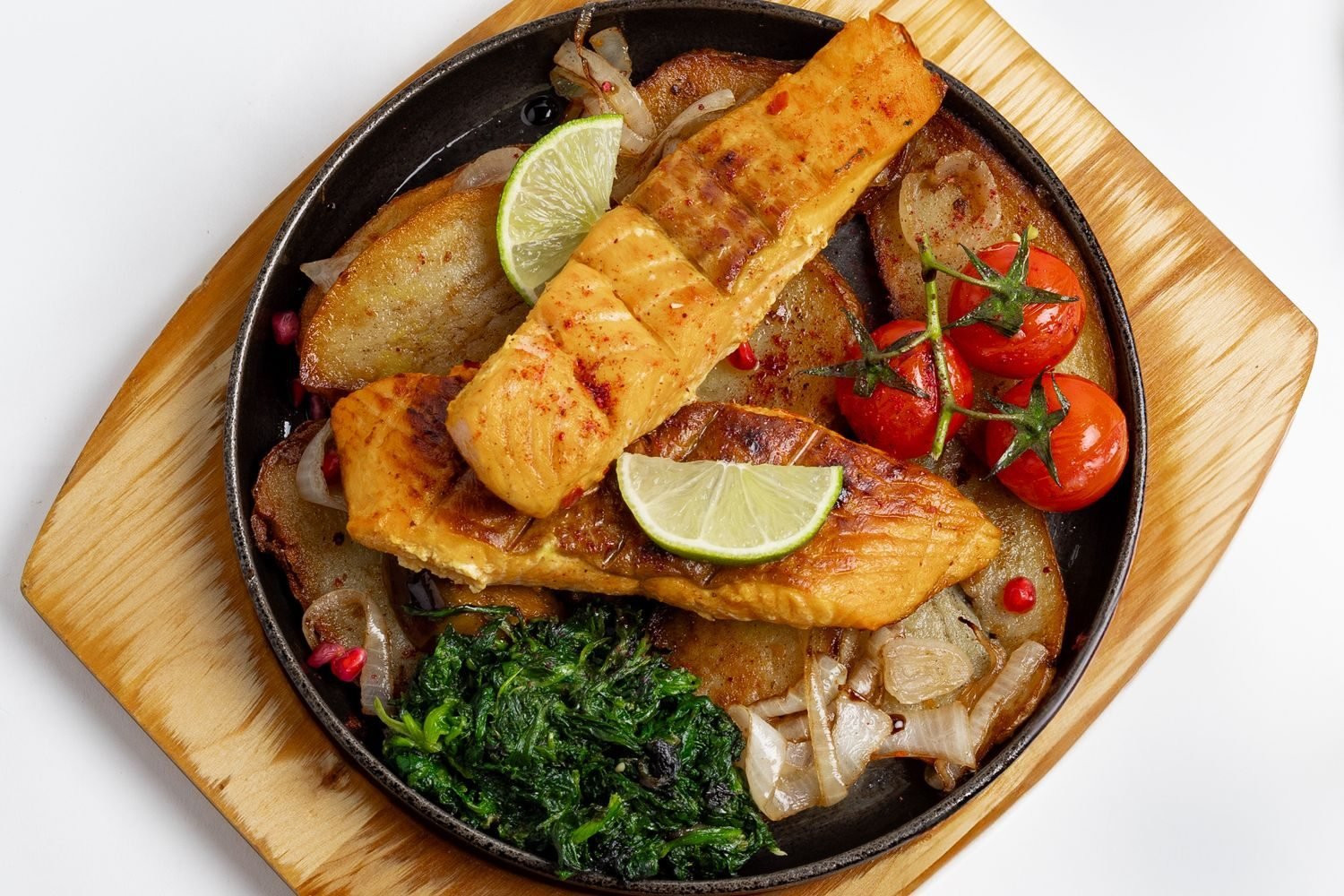
- Prioritize fatty fish like salmon, mackerel, and sardines a couple of times a week — the omega-3 fats in these foods have direct evidence of lowering triglycerides, one place where “more fat” is genuinely the right move.
- Watch portion sizes on alcohol and track how many drinks a week you’re actually having, since it’s easy to underestimate.
- Keep overall calorie intake in a range that supports a stable weight, since excess energy from any source can end up stored as triglycerides.
This is a different shopping list and mental model than a cholesterol-focused diet, even though the two conditions often get lumped together. For a plan that ties both goals into one everyday eating pattern, see this heart-healthy diet plan.
Can you lower triglycerides without medication?
For many people with borderline-high or high triglycerides, yes — diet and lifestyle changes are typically the first line of approach, and research summarized in clinical guidance suggests combined nutrition changes can lower triglycerides by roughly 20–50%, depending on starting levels and consistency. That’s a meaningful range, and it’s why most clinicians start here before considering medication, especially for levels under 500 mg/dL.
That said, very high triglycerides (500 mg/dL or above) carry a real risk of pancreatitis and usually need medical management alongside dietary change. Genetics, uncontrolled diabetes, thyroid disorders, kidney disease, and certain medications can all elevate triglycerides regardless of diet quality, so a diagnosis and treatment plan should come from a doctor with your full lab picture — this article is meant to inform that conversation, not replace it.
If translating any of this into a specific meal plan feels like the missing piece, working with a nutritionist can help turn general guidance into a plan that fits your routine and lab numbers. Since triglyceride and cholesterol targets often need to be balanced together, the foods to avoid with high cholesterol is worth reading alongside this one.

Frequently Asked Questions
Are eggs bad for high triglycerides?
Not particularly. Eggs are more relevant to LDL cholesterol discussions than triglycerides. In moderate amounts, they aren’t a major driver of high triglycerides, and cutting them out usually won’t move your numbers much. Added sugar, refined carbs, and alcohol are the higher-impact targets to address first.
Is fruit okay if I have high triglycerides?
Whole fruit is generally fine and often helpful, since its fiber slows sugar absorption and blunts the insulin response compared to juice or dried fruit. Fruit juice and dried fruit concentrate the sugar without the fiber, so they’re worth limiting more than fresh fruit.
How quickly can triglycerides drop after cutting sugar and alcohol?
Individual response varies, but triglycerides tend to respond faster to dietary changes than LDL cholesterol does, sometimes within a few weeks. A repeat fasting lipid panel, typically ordered by your doctor 6-12 weeks after a change, is the reliable way to confirm progress rather than guessing.
Do I need to avoid all fat if I have high triglycerides?
No — a common misconception. Unsaturated fats from fatty fish, olive oil, and nuts aren’t the primary driver of high triglycerides, and some, like omega-3s from fish, are specifically linked to lowering them. The bigger levers are added sugar, refined carbs, and alcohol.
Can high triglycerides be genetic rather than diet-related?
Yes. Some people have inherited conditions, such as familial hypertriglyceridemia, that raise triglycerides regardless of diet quality. If your levels stay high despite consistent dietary changes, talk to your doctor about testing for underlying causes rather than assuming diet alone will fix it.
Managing high triglycerides comes down to a different set of priorities than managing cholesterol — less about fat, more about sugar, refined carbs, and alcohol. If you want a plan built around your actual lab numbers and eating habits, an online nutritionist consultation can help you turn this guidance into a specific, sustainable next step.