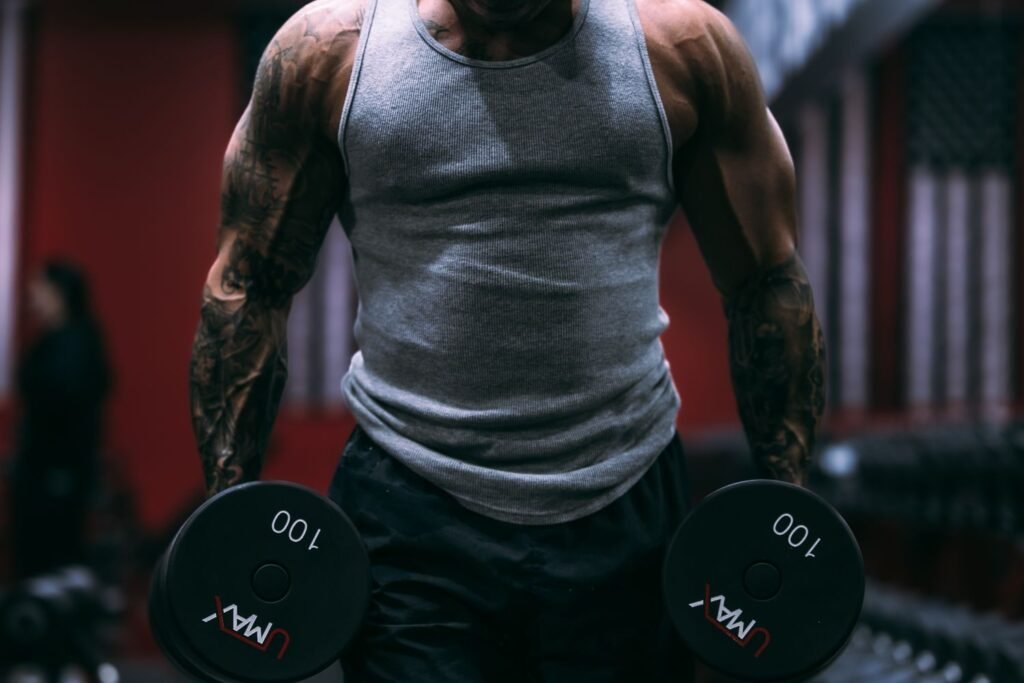
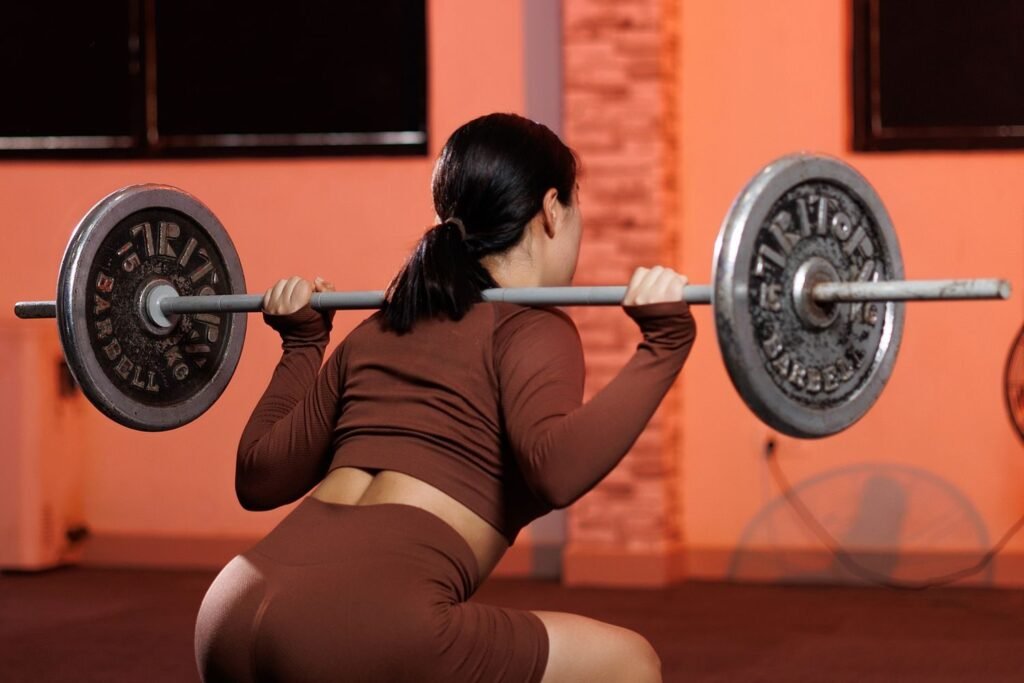
The first 15 to 30 minutes after a leg workout matter more than most people think. What you do right after your last set, walking around the gym floor, sitting on a bench scrolling your phone, or heading straight to the car, affects how your legs feel for the rest of that day. A proper after leg workout routine means a short walking cool-down, 5 to 8 minutes of static stretching for your quads, hamstrings, glutes and calves, rehydrating immediately, and getting protein and carbs in within the next hour or two. Skip this and you’ll likely feel stiff climbing stairs an hour later, even before DOMS sets in the next day.
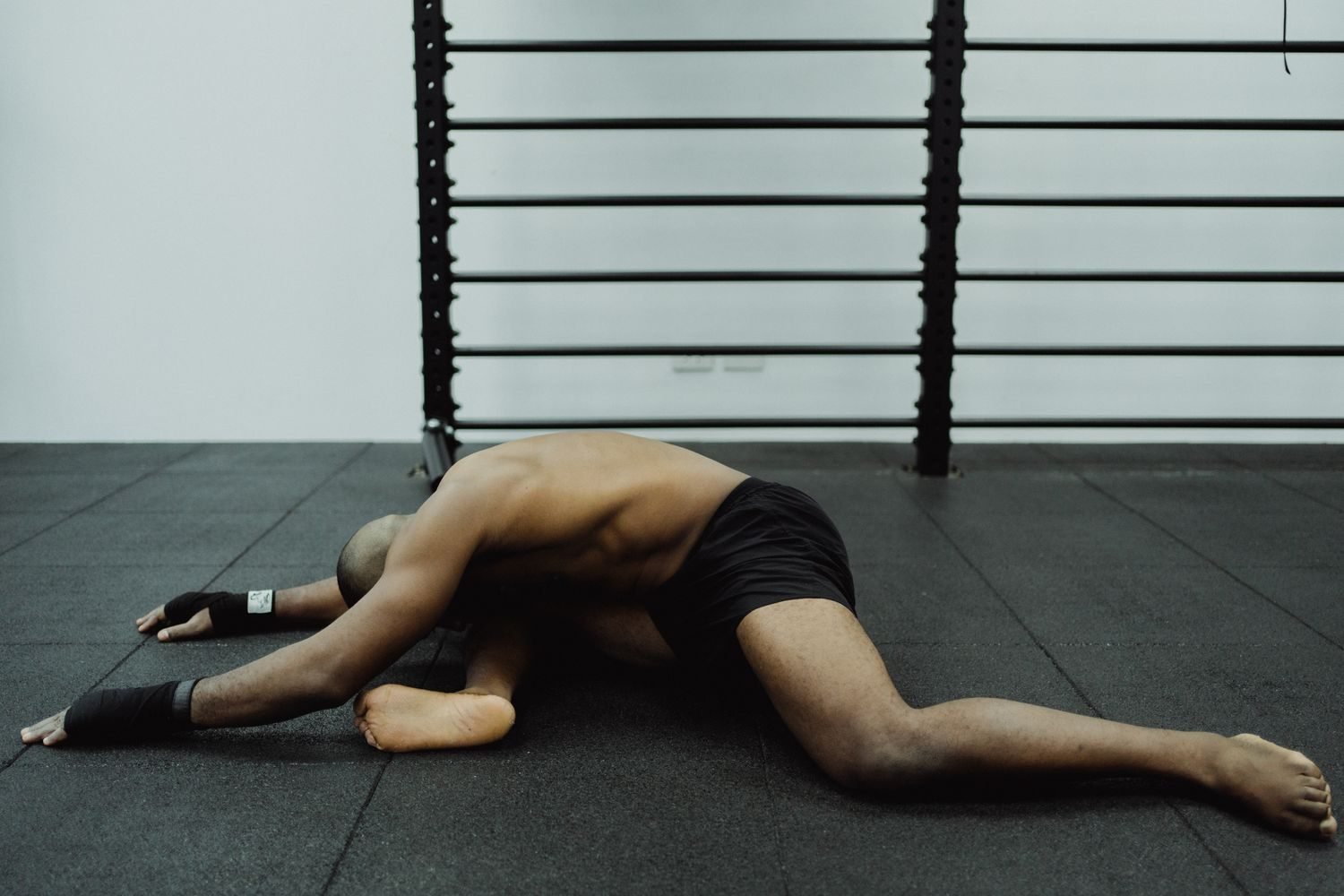
What Should You Do Right After a Leg Workout?
Your legs just went through squats, lunges, leg press, or a full lower-body circuit. Blood is pooled in your quads and hamstrings, your heart rate is still elevated, and your nervous system is running hot. Walking out of the gym straight into a car seat or an auto rickshaw is the worst possible transition.
Give yourself three things before you leave the gym floor: a short walk to bring your heart rate down, a stretching sequence to keep your muscles from tightening while they’re still warm, and water. None of this takes more than 10 minutes, and it makes a real difference to how your legs feel for the rest of the day.
Why Shouldn’t You Just Walk Out of the Gym Cold?
Leg day puts your body through a lot of mechanical stress. Your muscles are pumped with blood, your joints have been loaded repeatedly, and your nervous system is still in “work” mode. Going from a heavy set of squats straight to sitting still, whether that’s in a car, at your desk, or on a couch, means your muscles cool down and tighten while they’re in a shortened, fatigued state.
This is different from the soreness you feel the next day. That’s a separate topic, and we’ve written about DOMS, active recovery, and next-day nutrition in detail in our guide on what to do after leg day. This article is about the window right after you rack the weights, not the day after.
We see this a lot with clients who train on their lunch break or squeeze a session in before a long commute. They rush out the door straight after their last set, and by the time they’ve sat in traffic for 30 minutes, their legs feel locked up, far more than they would have if they’d just spent five minutes stretching first.
What Cool-Down Stretches Should You Do Right After Leg Day?
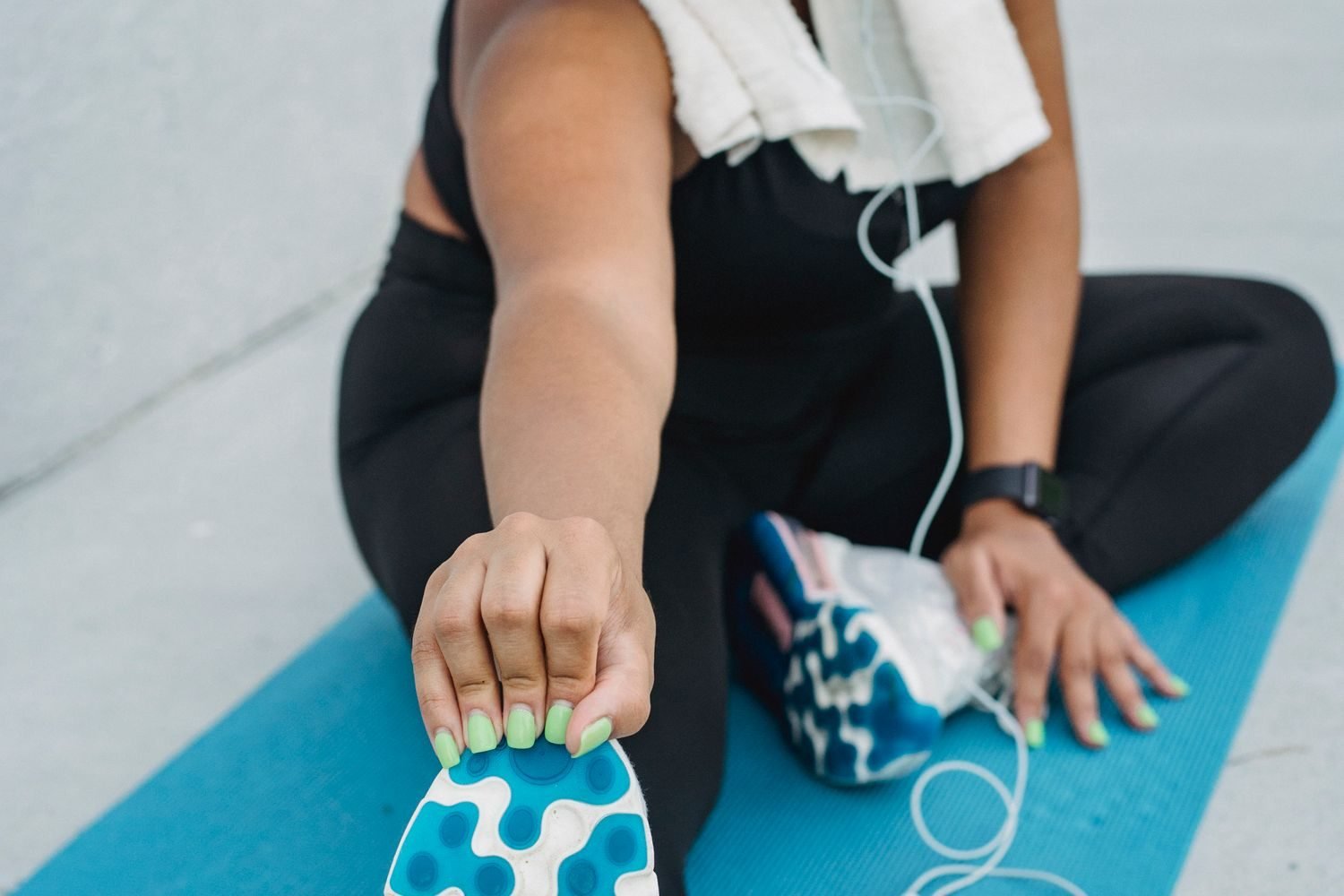
You don’t need a long routine. A focused 5 to 8 minute cool-down covering the major muscles you just trained is enough. Hold each stretch to a point of mild tension, not pain, and breathe through it. Don’t bounce.
| Step | Duration | Focus |
|---|---|---|
| Easy walk (treadmill or gym floor) | 3-5 minutes | Lower heart rate gradually |
| Standing quad stretch | 30 sec per leg | Quadriceps |
| Seated or standing hamstring stretch | 30 sec per leg | Hamstrings |
| Calf stretch against a wall or step | 30 sec per leg | Calves |
| Figure-4 glute stretch | 30 sec per side | Glutes and hips |
| Child’s pose | 60 seconds | Lower back and hip flexors |
If you trained legs at home rather than the gym, the same sequence works. You don’t need equipment for any of it, just floor space and a wall to lean against for the calf stretch. If your leg day included heavy compound lifts, our leg workouts at the gym guide has a full breakdown of exercises that pair well with this kind of cool-down.
How Do You Fuel Up Immediately After a Leg Workout?
Hydration comes first. You’ve likely sweated through a leg session, especially if it included squats, deadlifts, or any high-rep circuit work. Drink water as soon as you finish your last set, not 20 minutes later once you’re already thirsty. If your session ran over 45 minutes or you sweated heavily, add a pinch of salt or an electrolyte mix to your water rather than plain water alone.
On food, you don’t need to eat in the parking lot, but you shouldn’t wait three or four hours either. A meal or snack with protein and carbs within an hour or two of finishing works well for most people. This isn’t about hitting some exact number in a narrow window. It’s about not skipping the meal entirely because you got busy after training.
Some simple options that work after a leg session:
- A protein shake with a banana
- Paneer or grilled chicken with rice
- Greek yogurt with fruit and a handful of nuts
- Eggs on toast if it’s a morning session
Pick whatever’s practical for your schedule, the timing matters more than the exact food.
How Long Before Your Legs Are Ready for Walking, Stairs, or Other Activity?
This is the question we get asked most often right after a session, and the honest answer is: it depends on how hard you trained, but most people are fine to walk normally within 10 to 15 minutes if they’ve cooled down and stretched properly.
Light walking, like heading to your car or catching a train, is fine immediately. Your body needs to move after training anyway, standing around doesn’t help. Stairs are a bit different. If your session included heavy squats, lunges, or leg press, give yourself at least 15 to 20 minutes and a proper stretch before tackling a flight of stairs at pace. Your quads and glutes are fatigued, and rushing down stairs on tired legs is when ankles roll and knees buckle.
Anything more demanding, another workout, a sport, a long trek, should wait. Your legs did real work in that session and pushing them into another intense activity the same day increases injury risk without adding any training benefit. Save the next session for the following day or later, once you’ve eaten and rehydrated properly.
What Happens the Next Day, and Where Can You Read About That?
Everything covered so far is about the first half hour or so after you finish training. The soreness that shows up 24 to 48 hours later, what’s commonly called DOMS, is a separate process, and so is the nutrition and active recovery strategy for that next day. We’ve covered that in depth separately in our after leg day workout guide, which walks through active recovery options, sleep, and what to eat the day after a heavy session. Read that once you’ve got the immediate post-session routine sorted.
What Are the Benefits of an After Leg Workout Routine?
A proper cool-down and refuel routine right after training does a few concrete things. It brings your heart rate down gradually instead of dropping suddenly, which is easier on your cardiovascular system. It keeps your muscles from tightening up while they’re still warm, so you walk out of the gym feeling normal instead of stiff. Rehydrating and eating within a reasonable window supports muscle repair and keeps your energy steady for the rest of the day.
None of this is about maximizing gains through some narrow window. It’s about making leg day something you can walk away from without limping, and about setting yourself up to train again a few days later without carrying unnecessary stiffness forward. If you train legs regularly as part of a structured split, this routine becomes second nature fast. Our guide on push pull legs workout splits is a good next read if you’re figuring out how often to schedule leg day in the first place.
Women training legs often ask us whether the post-session routine should look any different. It doesn’t, the same cool-down and refuel principles apply regardless of gender or training experience. If you want exercise-specific guidance for a leg session built around your goals, our leg workout for women guide covers that in detail.
Frequently Asked Questions
What should you do after a leg workout?
Walk for 3 to 5 minutes to bring your heart rate down, stretch your quads, hamstrings, glutes and calves for about 5 minutes, and drink water right away. Eat a protein and carb-based meal within an hour or two. This keeps your legs from stiffening up before you even leave the gym.
How do you do a proper after leg workout cool-down?
Start with light walking, then move into static stretches, holding each for 20 to 30 seconds without bouncing. Cover quads, hamstrings, calves, and glutes since these are the muscles most leg exercises target. The whole sequence takes 5 to 8 minutes and should feel like mild tension, never pain.
What are the benefits of an after leg workout routine?
It brings your heart rate down gradually, prevents your muscles from tightening while still warm, and supports muscle repair through timely hydration and nutrition. Practically, it means you leave the gym able to walk normally, climb stairs safely, and get on with your day without unnecessary stiffness.
Is it okay to sit down immediately after leg day?
Sitting straight down after a heavy leg session, especially in a car or at a desk, tends to make your muscles feel tighter later. It’s better to walk for a few minutes and stretch first. If you have to sit right away, try to stand and move briefly every 20 to 30 minutes afterward.
How soon can you walk normally after a heavy leg session?
Most people can walk normally within 10 to 15 minutes if they’ve cooled down and stretched. Stairs or faster-paced walking are better attempted after 15 to 20 minutes. If your legs still feel unstable or shaky beyond that, slow down and give yourself a bit longer before pushing pace.
Getting the post-session routine right is easier when someone’s actually watching your form and load, not just your stretching afterward. FitStrot’s 1-on-1 personal training pairs you with a coach who builds your leg sessions, tracks your recovery, and adjusts your program week to week, so you’re not guessing what your legs need after every workout.