A practical 7-day PCOS meal plan works best when it’s built on low-glycemic-index (low-GI) carbohydrates, a protein anchor at every meal, and enough fiber to keep insulin from spiking. Below is a full day-by-day chart with Indian vegetarian and non-vegetarian options for breakfast, lunch, dinner, and snacks, so you can see exactly what a week of PCOS-friendly eating looks like on a plate, not just in theory.
We’ve covered the science of PCOS nutrition in detail elsewhere, and if you’re wondering whether working with a professional is worth it, that’s covered in how a nutritionist can help with PCOS. This article skips the deep theory and gets straight to the chart — what to eat, meal by meal, for seven days.
Why does a low-GI, anti-inflammatory approach matter for PCOS?
Up to 70% of women with PCOS have some degree of insulin resistance, meaning their cells don’t respond efficiently to insulin, so the body produces more of it. Excess insulin pushes the ovaries to make more androgens (male hormones), which worsens irregular periods, acne, and weight gain — the classic PCOS cycle. Research published in the National Institutes of Health’s PMC database has shown that a low-glycemic-index diet can reduce inflammation markers and improve antioxidant activity in women with PCOS, while other studies confirm that low-GI, calorie-appropriate eating improves insulin sensitivity more effectively than a standard low-fat diet alone.
In practical terms, every meal in this plan follows three rules: choose slow-digesting carbs (whole grains, legumes, non-starchy vegetables), pair them with 20-30 grams of protein, and add healthy fats like nuts, seeds, or olive oil to blunt the blood sugar response. This isn’t a cure — it’s a management tool — but consistent low-GI eating is one of the most evidence-backed ways to reduce symptoms over time.
What should a PCOS-friendly plate look like at each meal?
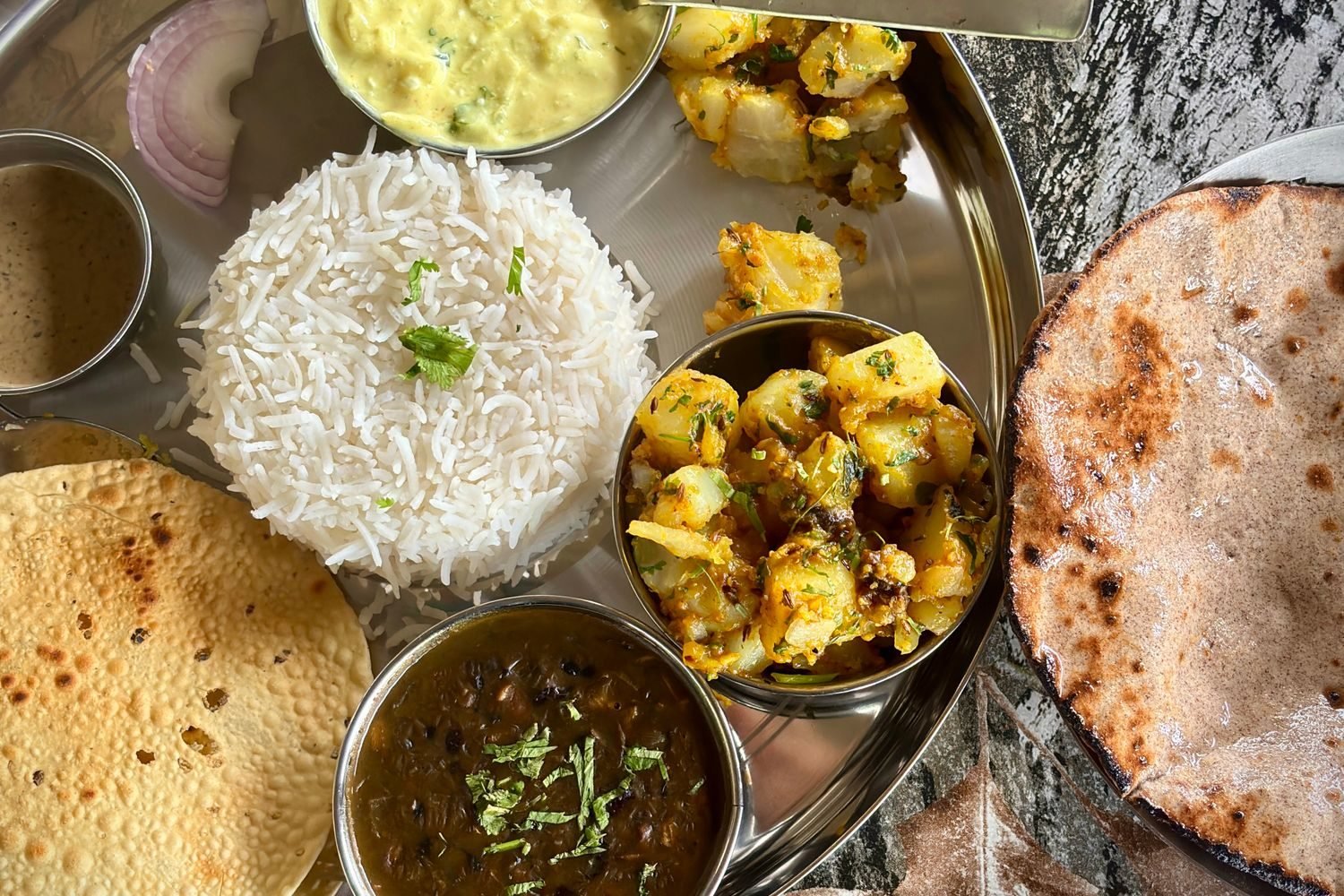
Before jumping into the daily chart, it helps to understand the template each meal follows. A PCOS-friendly plate is generally:
- Half non-starchy vegetables — spinach, broccoli, bell peppers, zucchini, cauliflower, gourds
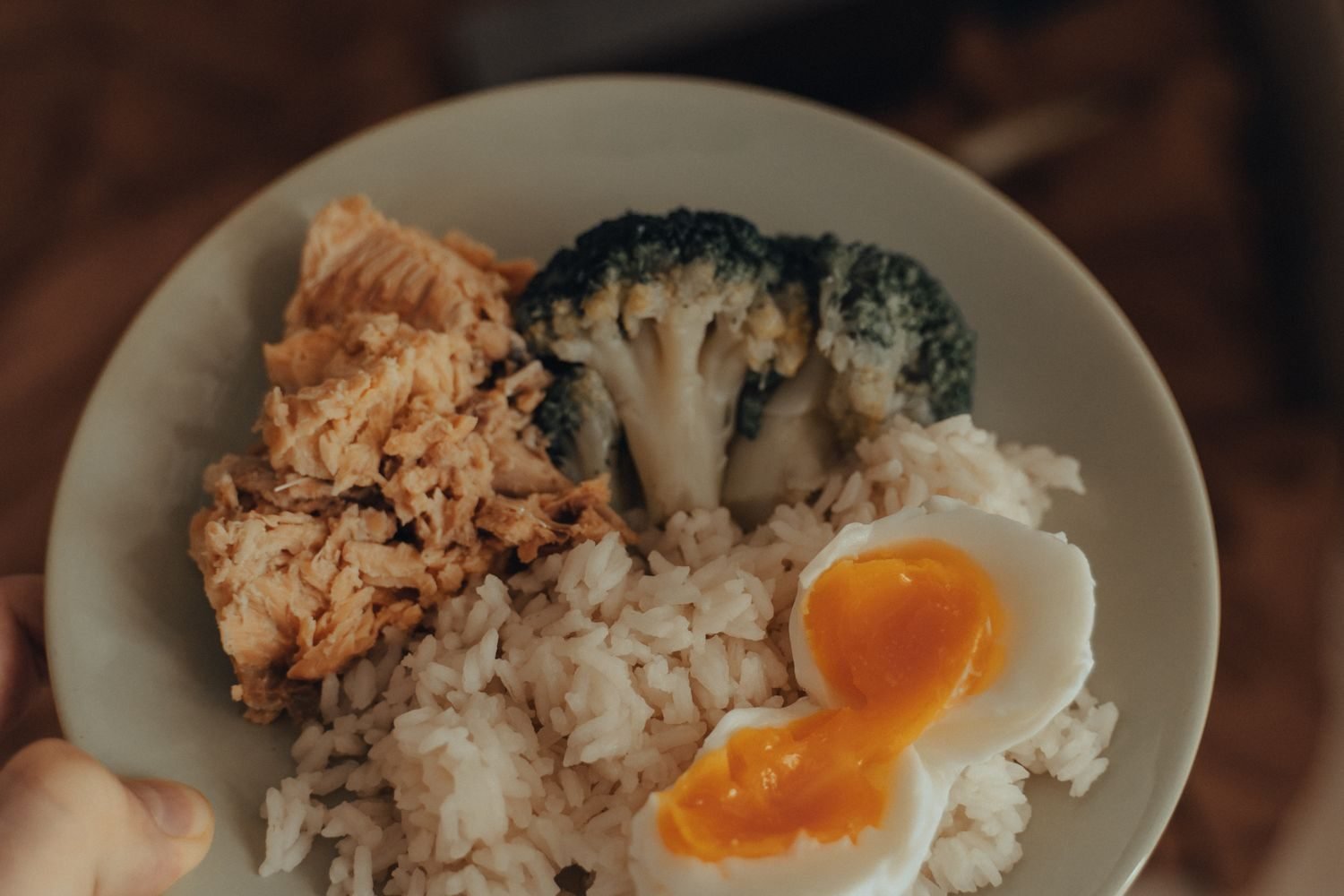
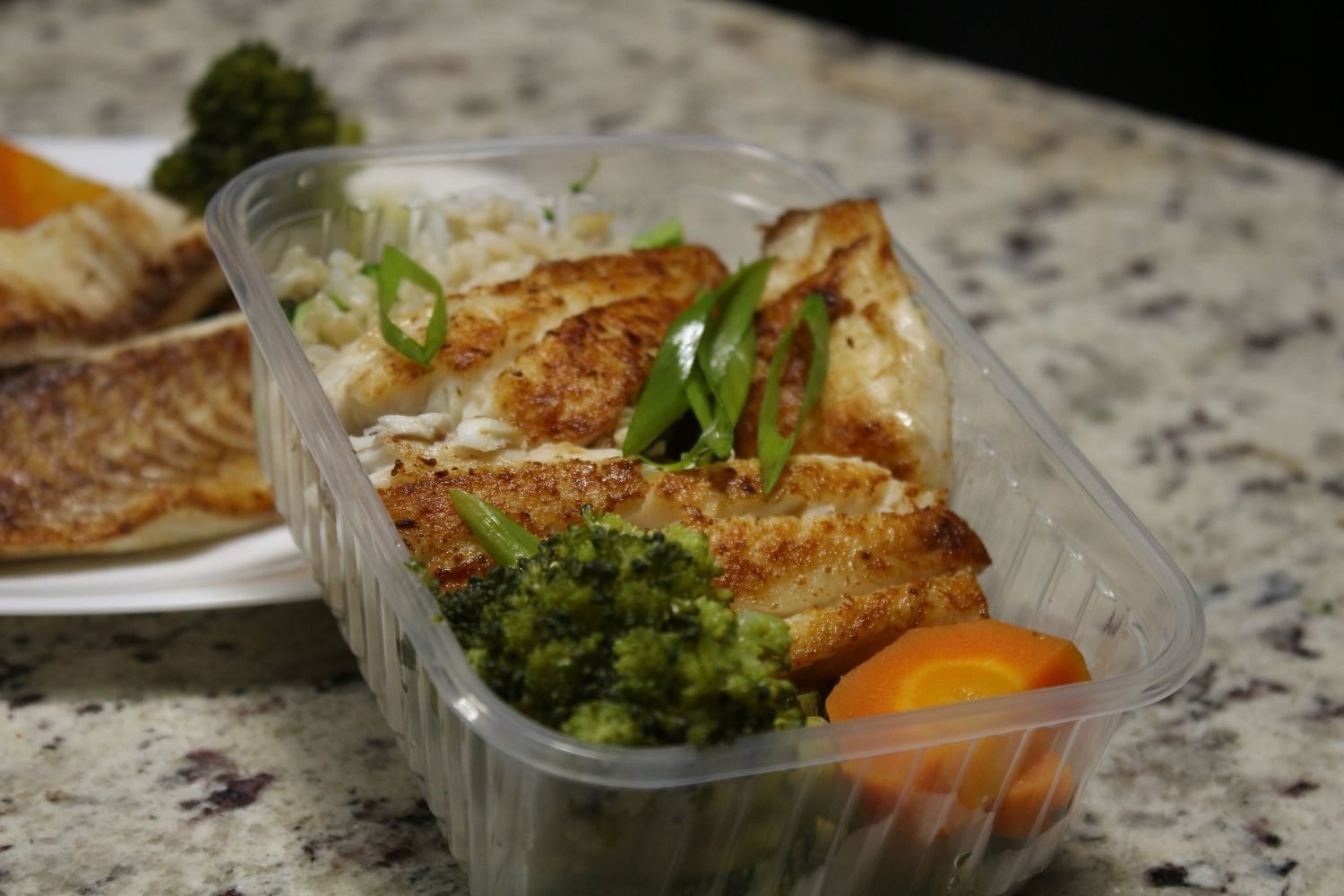
- A quarter protein — dals, paneer, eggs, fish, chicken, tofu, or Greek yogurt
- A quarter low-GI complex carbs — millets, brown rice, quinoa, whole wheat, or sweet potato in controlled portions
- A thumb of healthy fat — a drizzle of olive oil, a few almonds, or a spoon of flaxseed
This structure keeps blood sugar steadier than a plate dominated by refined carbs (white rice, maida, sugary cereals), and it’s the same logic behind the nutrition diet chart for weight loss we’ve published for general fat-loss goals — the PCOS version simply leans harder on fiber and low-GI swaps.
What does a full 7-day PCOS meal plan look like?
Here is the complete chart. Each day includes a vegetarian option and, where relevant, a non-vegetarian swap for the protein-heavy meals. Portion sizes should be adjusted to your height, activity level, and goals — ideally with guidance from a dietitian — but this gives you a realistic weekly structure to follow.
| Day | Breakfast | Mid-Morning Snack | Lunch | Evening Snack | Dinner |
|---|---|---|---|---|---|
| Day 1 | Vegetable besan chilla (2 medium) with mint chutney, or a 3-egg vegetable omelette | 1 small apple with 6-7 soaked almonds | 1 cup brown rice, moong dal, sautéed spinach, cucumber salad | Roasted makhana (1 cup) with a sprinkle of black pepper | 2 multigrain rotis, bhindi sabzi, and a small bowl of curd |
| Day 2 | Vegetable daliya (broken wheat porridge) with peanuts, or grilled fish with sautéed vegetables | 1 pear with a handful of walnuts | Quinoa pulao with mixed vegetables and a bowl of rajma | Sprouts chaat with lemon and chopped onion | Grilled paneer tikka or grilled chicken breast with a large salad |
| Day 3 | Moong dal chilla with grated vegetables, or overnight oats with chia and berries | 1 orange with 1 tbsp pumpkin seeds | Millet (bajra) roti with lauki sabzi and a bowl of chana dal | Greek yogurt (plain) with flaxseed powder | Vegetable soup followed by grilled tofu or grilled fish with steamed broccoli |
| Day 4 | Vegetable upma made with broken wheat, or a 2-egg boiled + 1 whole egg combo with whole wheat toast | Buttermilk (chaas) with roasted cumin | Brown rice khichdi with mixed dal and a side of curd | Roasted chana (1/2 cup) | 2 jowar rotis with palak paneer or chicken curry (light oil) |
| Day 5 | Sprouted moong salad with vegetables, or a spinach and mushroom omelette | 1 guava | Rajma with 1 cup brown rice and a side salad | Hummus with cucumber and carrot sticks | Grilled chicken or paneer skewers with sautéed vegetables and 1 small roti |
| Day 6 | Vegetable oats khichdi, or besan cheela with paneer stuffing | 1 small bowl of papaya or melon | Whole wheat vegetable pulao with a bowl of curd and cucumber raita | Trail mix (almonds, walnuts, pumpkin seeds) — small handful | Fish curry (mustard oil, light) with brown rice or a millet roti with mixed vegetable sabzi |
| Day 7 | Ragi dosa with sambar, or a vegetable frittata (3 eggs) | 1 kiwi with a few soaked walnuts | Chickpea (chole) curry with quinoa or brown rice and a green salad | Roasted soy nuts or a small bowl of curd | Grilled paneer or grilled prawns with stir-fried vegetables and 1 multigrain roti |
How should hydration and timing work alongside this plan?
The food list matters, but so does the rhythm around it:
- Don’t skip breakfast. Long gaps without eating, especially in the morning, tend to cause a sharper insulin response at the next meal.
- Space meals 3-4 hours apart. This keeps blood sugar from dipping too low and prevents the cravings that often follow.
- Drink water before meals. Aim for 2.5-3 litres a day; herbal teas like cinnamon or spearmint are commonly used alongside PCOS diets, though they don’t replace the meals themselves.
- Limit fruit juice and packaged snacks. Whole fruit is fine in the portions above; juiced or dried fruit concentrates sugar and loses the fiber that slows absorption.
If weight management is also a goal, our guide on nutrition for weight loss layers neatly on top of this low-GI structure.
How much fiber and protein do these meals actually provide?
Fiber is arguably the most underrated part of a PCOS meal plan. It slows glucose absorption, feeds gut bacteria linked to better hormone metabolism, and improves satiety so you’re not reaching for snacks between meals. Most days in this chart land between 25-30 grams of fiber when you count the dals, vegetables, whole grains, and fruit — the range generally recommended for PCOS management. For a deeper breakdown of which foods contribute the most fiber, see our piece on fiber and nutrition.
Protein is the second pillar. Each lunch and dinner includes a dal, paneer, egg, fish, or chicken portion aimed at roughly 20-25 grams, which slows digestion and keeps you fuller longer. If you’re vegetarian, rotating between dals, paneer, soy, and Greek yogurt across the week helps avoid the fatigue of eating the same dal every day.
What foods should you limit or avoid on this plan?
This chart works best when a few high-GI, inflammatory foods are kept to a minimum rather than eliminated entirely — strict elimination diets are hard to sustain and unnecessary for most women:
- Refined carbohydrates — white rice, maida-based items (naan, white bread, most bakery items), sugary breakfast cereals
- Sugary beverages — soft drinks, sweetened tea/coffee, packaged fruit juices
- Deep-fried and processed snacks — chips, samosas, packaged namkeen eaten frequently
- Processed and red meats in excess — occasional is fine, but frequent processed meat intake is linked with higher inflammation
- Excess dairy for some women — a subset of women with PCOS report symptom improvement when reducing dairy, though this isn’t universal and doesn’t need to be assumed without guidance
Swapping rather than restricting tends to stick better long-term — brown rice instead of white, roasted makhana instead of chips, and fruit instead of fruit juice are simple substitutions that don’t require overhauling your entire kitchen.
Can this meal plan be adjusted for weight loss or a non-vegetarian diet?
Yes, and it should be personalized. The chart above is a template, not a rigid prescription. If your goal is fat loss alongside PCOS management, the same meals can be adjusted by trimming carb portions slightly (say, one roti instead of two) while keeping protein and vegetable portions constant. If you eat meat, fish, or eggs regularly, you can lean more heavily on the non-vegetarian options listed for lunch and dinner across the week rather than alternating.
What shouldn’t change is the underlying structure: low-GI carbs, a protein anchor, fiber-rich vegetables, and healthy fats at most meals. The specific dishes are flexible — the pattern is what does the metabolic work.
Frequently Asked Questions
Is this 7-day PCOS meal plan enough to see results on its own?
It’s a strong starting structure, but results depend on consistency, portion sizes, activity levels, and individual hormone patterns. Most women notice changes in energy and cravings within a few weeks, while cycle and symptom changes take longer and vary person to person. Pairing it with medical guidance gives the clearest picture of progress.
Do I need to follow this plan exactly, or can I swap meals around?
You can swap freely as long as you keep the same structure — a low-GI carb, a protein source, vegetables, and a healthy fat at each meal. Repeating a lunch you liked on another day, or moving a dinner option to lunch, doesn’t reduce the plan’s effectiveness.
Is dairy allowed on a PCOS diet?
Dairy in moderate amounts (curd, paneer, milk) is included in this plan and works well for most women. A smaller group finds their symptoms improve with reduced dairy, but this isn’t true for everyone, so it’s worth discussing with your doctor before cutting it out entirely.
Should I take supplements alongside this meal plan?
Some women with PCOS are advised to take inositol, vitamin D, or omega-3 supplements, but this should always be based on blood work and a doctor’s recommendation rather than self-prescribing, since needs vary widely between individuals.
Can this diet cure PCOS?
No. PCOS is a hormonal condition with no known cure, and no diet — including this one — reverses it. Low-GI, anti-inflammatory eating is a well-supported way to manage symptoms like insulin resistance, weight gain, and irregular cycles, but it works alongside, not instead of, care from a gynecologist or endocrinologist.
This meal plan gives you a realistic weekly structure, but PCOS shows up differently in every body — insulin resistance, thyroid involvement, weight, and cycle patterns all vary. A gynecologist or endocrinologist should guide diagnosis and any medical treatment, and pairing that care with personalized nutrition tends to work better than a generic chart alone. If you’d like a plan built around your own labs, preferences, and schedule, consider booking an online nutritionist consultation.