A nutritionist helps with PCOS by targeting the mechanism that drives most of its symptoms: insulin resistance. Through individualized low-glycemic-index eating, structured carbohydrate timing, and anti-inflammatory food patterns, a nutritionist can help improve ovulation, reduce cravings tied to blood sugar swings, and support the modest weight changes that research links to real symptom relief. This is not a cure — PCOS is a hormonal condition that needs medical diagnosis and treatment from a gynecologist or endocrinologist — but nutrition is one of the few levers with genuine evidence behind it, and it works differently here than it does for general weight loss.
If you’ve been told to “just eat healthy” and left to figure out what that means with PCOS specifically, here’s what the evidence actually supports and what a nutritionist does that a generic diet plan doesn’t.
What role does insulin resistance play in PCOS symptoms?
Insulin resistance is present in an estimated 65-70% of women with PCOS, including many who are not overweight. When cells stop responding efficiently to insulin, the pancreas compensates by producing more of it. That excess insulin does two things that make PCOS worse: it signals the ovaries to produce more androgens (testosterone-type hormones), and it disrupts the normal hormonal signaling needed for ovulation. This is why irregular periods, acne, excess hair growth, and difficulty losing weight so often cluster together in PCOS — they trace back to the same insulin problem.
This is also why insulin resistance, rather than weight itself, is the primary target of nutrition therapy for PCOS. Two women at the same body weight can have very different insulin responses, and the dietary approach needs to reflect that. Our detailed PCOS nutrition guide covers specific food lists and meal structures if you want to go deeper on the day-to-day mechanics.
How does a low-glycemic-index diet help manage PCOS?
Of all the dietary approaches studied for PCOS, low-glycemic-index (low-GI) eating has the strongest evidence base. Low-GI foods release glucose into the bloodstream slowly, which means the pancreas doesn’t need to release as much insulin to manage them. Over weeks, this can meaningfully reduce the insulin spikes that drive androgen production.
A widely cited controlled study published in the Journal of the Academy of Nutrition and Dietetics found that an isocaloric low-GI diet (same calories, just lower-GI food choices) improved insulin sensitivity in women with PCOS compared to a conventional healthy diet with the same calorie count. A more recent systematic review and meta-analysis of randomized controlled trials found that low-GI and low glycemic load diets reduced HOMA-IR (a marker of insulin resistance), fasting insulin, total cholesterol, and LDL cholesterol in women with PCOS. Some studies have also reported improved menstrual regularity and reduced acne with sustained low-GI eating, alongside increases in sex hormone-binding globulin (SHBG), a protein that helps keep testosterone in check.
In practice, low-GI eating for PCOS looks like:
- Choosing whole grains, legumes, and steel-cut oats over refined carbs and white flour products
- Pairing carbohydrates with protein or fat to blunt the glucose response (for example, fruit with nut butter instead of fruit alone)
- Prioritizing high-fiber vegetables that slow digestion and reduce post-meal glucose spikes
- Limiting sugary drinks and highly processed snacks, which cause the sharpest insulin spikes
Researchers are clear that low-GI eating isn’t a guaranteed fix for every PCOS symptom, and more research is still needed to recommend it universally. But across the current evidence, the direction is consistently positive, with no harmful effects reported. That combination — real physiological benefit, low downside — is exactly why it’s the first lever most nutritionists reach for.

Does losing weight actually improve PCOS symptoms, and by how much?
This is one of the more encouraging findings in PCOS research: you don’t need dramatic weight loss to see dramatic symptom improvement. Multiple studies and international PCOS management guidelines point to the same figure — a 5-10% reduction in body weight is enough to meaningfully improve ovulation, menstrual regularity, insulin sensitivity, and metabolic markers in women with PCOS who are carrying excess weight. For a woman weighing 180 lbs, that’s roughly 9-18 lbs — not a total lifestyle overhaul, but a realistic, sustainable target. Research following women with PCOS and anovulation has found that even modest weight loss can restore ovulation in women who weren’t ovulating regularly, and one recent analysis found the benefit continued to build with more weight loss, without an identified upper limit where it stopped helping.
This is where a nutritionist’s approach diverges sharply from generic weight-loss advice. The goal isn’t the fastest or largest weight loss possible — it’s a sustainable 5-10% reduction achieved in a way that doesn’t spike insulin further through crash dieting or extreme restriction, which can backfire by increasing cortisol and disrupting hormones even more. If you’re weighing different approaches to losing weight in a healthy, sustainable way, our article on nutrition for weight loss covers the broader principles that apply here, adapted for PCOS-specific insulin sensitivity.
What is an anti-inflammatory eating pattern, and why does it matter for PCOS?
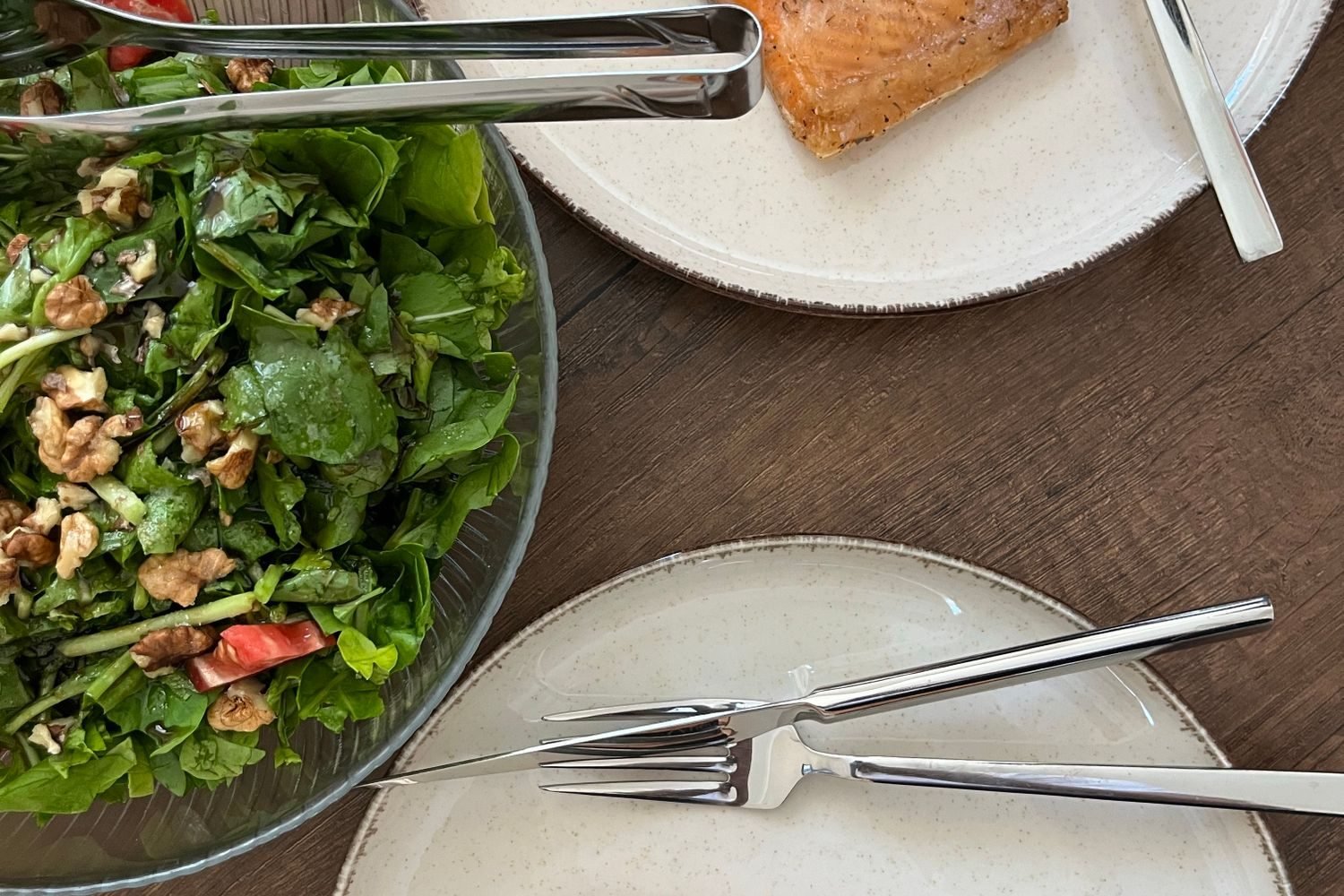
Chronic low-grade inflammation is increasingly recognized as part of what drives PCOS symptoms, sitting alongside insulin resistance rather than replacing it as a target. Research has linked higher dietary inflammatory scores with worse hormonal and metabolic profiles in women with PCOS, which is part of why Mediterranean-style eating patterns — rich in vegetables, fiber, antioxidants, and omega-3 fats — are frequently recommended. Omega-3 fatty acids specifically have been studied for their effect on inflammatory markers like CRP in PCOS, with several reviews reporting reductions in inflammatory and oxidative stress markers following omega-3 intake, largely from fatty fish, walnuts, chia seeds, and flaxseed. Some early research also suggests omega-3s may support a healthier gut microbiome, an emerging area of interest in PCOS, though this connection is still being studied in humans.
An anti-inflammatory pattern for PCOS typically includes:
- Fatty fish like salmon, sardines, or mackerel two to three times a week
- A wide variety of colorful vegetables and berries for antioxidant content
- Extra-virgin olive oil in place of refined seed oils
- Nuts and seeds, particularly walnuts and flaxseed, for plant-based omega-3s
- Minimal ultra-processed food and added sugar, both linked to higher inflammatory markers
This pattern overlaps considerably with low-GI eating, which is part of why the two approaches are usually combined rather than treated as separate diets.
What does a nutritionist do differently for PCOS versus generic weight-loss coaching?
This is often the biggest gap between what people try on their own and what actually moves the needle. Generic weight-loss advice — eat less, move more, count calories — doesn’t account for the specific hormonal mechanics of PCOS, and can occasionally make things worse if it leads to under-eating and added stress on the body. A nutritionist working specifically with PCOS clients typically differs in a few concrete ways:
Individualized carbohydrate timing
Rather than a flat “low-carb” rule, a nutritionist looks at when carbohydrates are eaten relative to activity and other meals. Spreading carbohydrate intake evenly across the day, and avoiding large carb-heavy meals eaten alone, helps prevent the sharp insulin spikes that worsen androgen production.
Addressing insulin-driven cravings directly
The intense sugar or carb cravings many women with PCOS experience aren’t a willpower problem — they’re often a direct consequence of insulin swings and reactive hypoglycemia after high-GI meals. A nutritionist builds meals and snacks designed to prevent the blood sugar drop that triggers those cravings, rather than telling a client to simply resist them.
Working around PCOS-specific barriers
Fatigue, mood changes, and a slower metabolic response to standard calorie deficits are common in PCOS and often go unaddressed in generic plans. A nutritionist adjusts pacing and expectations accordingly, rather than assuming PCOS clients should respond to nutrition changes at the same rate as someone without the condition.
Coordinating with medical care
Nutrition works best as part of a coordinated plan that includes your gynecologist or endocrinologist, particularly if you’re also using medication like metformin or considering fertility treatment. A nutritionist doesn’t diagnose or treat PCOS itself — that’s the role of your physician — but adjusts your eating plan to complement medical treatment and flags when symptoms suggest you should bring something back to your doctor. If you’re deciding whether working with a nutritionist online makes sense for your situation, what an online nutritionist actually does walks through the process end to end, and the practical benefits of online diet counselling covers why many people with PCOS find virtual consultations more sustainable than one-off visits.

How is PCOS nutrition guidance different from BMI-based advice?
PCOS affects women across the full weight spectrum, including those with a BMI in the “normal” range, and insulin resistance can be present regardless of body size. This is one reason PCOS nutrition planning shouldn’t be reduced to a BMI number or a generic calorie target. Our piece on BMI and nutrition explains why BMI is a limited screening tool on its own, and that limitation is especially relevant for PCOS, where hormonal and metabolic factors matter more than weight category when it comes to designing an effective eating plan.
Frequently asked questions
Can a nutritionist diagnose or cure my PCOS?
No. PCOS diagnosis and medical treatment require a gynecologist or endocrinologist, typically involving blood tests, ultrasound, and clinical evaluation. A nutritionist supports symptom management through diet alongside your medical care, but nutrition is not a substitute for diagnosis or treatment, and there is no dietary cure for PCOS.
How long before I notice improvements from dietary changes?
Insulin sensitivity markers can shift within 8-12 weeks of consistent low-GI eating in research studies, but menstrual cycle changes often take two to three cycles to become noticeable, since hormonal patterns need time to reset. Consistency matters more than speed here.
Do I need to cut out carbs completely to manage PCOS?
No. The evidence supports choosing lower-glycemic-index carbohydrates and timing them well, not eliminating carbs. Very low-carb diets aren’t necessary for most women with PCOS and can be harder to sustain long term, which matters more than short-term restriction for lasting results.
Does PCOS nutrition guidance differ if I’m not overweight?
Yes. Insulin resistance and its symptoms occur in women with PCOS across all body sizes, so a nutritionist working with a “lean PCOS” client focuses on blood sugar stability and inflammation rather than weight loss, which may not be an appropriate or relevant goal at all.
Can nutrition help with PCOS-related fertility issues?
Nutrition changes that improve insulin sensitivity and support modest weight loss (where relevant) have been associated with improved ovulation rates in research. However, fertility treatment decisions should always be made with your gynecologist or a reproductive endocrinologist, who can evaluate your full clinical picture.
The bottom line
The evidence for nutrition in PCOS management is genuinely encouraging, but it’s specific: low-GI eating to reduce insulin spikes, modest 5-10% weight loss where excess weight is present, and anti-inflammatory food patterns to support the underlying metabolic picture. None of this replaces medical care from a gynecologist or endocrinologist, and none of it promises a cure — PCOS needs ongoing management. What a nutritionist adds is a plan built around your specific insulin response, cravings, and lifestyle, rather than a generic diet that ignores what’s actually driving your symptoms.
If you’re ready to build an eating plan around your specific PCOS symptoms and lab markers, book an online nutritionist consultation to get started.