What you eat after a workout should do two things well: give your muscles protein to repair what training just broke down, and give your body carbohydrates to refill the glycogen you burned through the session. That is the whole principle. For most people training in India, everyday foods like paneer, eggs, dal, rice, curd, and fruit do this job just as well as any packaged shake. The exact combination matters less than people think. What matters is getting roughly 20 to 40 grams of protein and some carbs within a few hours of finishing, and doing this consistently, workout after workout, not just once in a while.
What Should You Eat After a Workout?
Two nutrients matter most after training: protein and carbohydrates.
Protein gives your body the amino acids it needs to repair the muscle fibers you stressed during the workout. Without enough of it, you are not building or maintaining muscle, no matter how hard the session was. Most people do well with 20 to 40 grams of protein post workout, depending on body size and how much muscle they are trying to build or hold on to.
Carbohydrates refill glycogen, the stored fuel in your muscles and liver that you use up during training, especially in longer or more intense sessions. If you train most days, replacing this glycogen matters for how you feel and perform in your next workout. If you train lightly two or three times a week, it matters less and you can be more relaxed about it.
Fat is not the enemy here, but a very high-fat meal right after training slows digestion, which can delay how fast your body absorbs protein and carbs. Save the heavier, ghee-loaded dishes for later in the day.
Is There Really a 30-Minute “Anabolic Window”?
The old advice was to eat within 30 minutes of finishing a workout or lose most of the benefit. This is outdated. Research on the anabolic window has moved a long way from that original claim, and in practice it is far more flexible than a 30-minute cutoff.
Your muscles stay primed to absorb protein for several hours after training, not minutes. Eating within 1 to 2 hours after your workout works fine for almost everyone. What actually drives results is your total protein intake across the whole day, not how fast you eat after your last set.
This does not mean timing is irrelevant. If you train fasted, train twice in a day, or go a long stretch without eating before your session, eating sooner after training helps. But for someone who had a solid pre-workout meal (see our guide on the right pre-workout meal) and trains at a normal time of day, stressing over a 30-minute window is wasted energy. Put that energy into hitting your protein target for the day instead.
What Are Some Good Post-Workout Meals in India?
You do not need imported powders or complicated recipes. Indian kitchens already have what you need. Here are a few combinations that give you the protein and carbs a post-workout meal should have.
| Meal or Snack | What’s In It | Protein (approx) | Carbs (approx) | Best For |
|---|---|---|---|---|
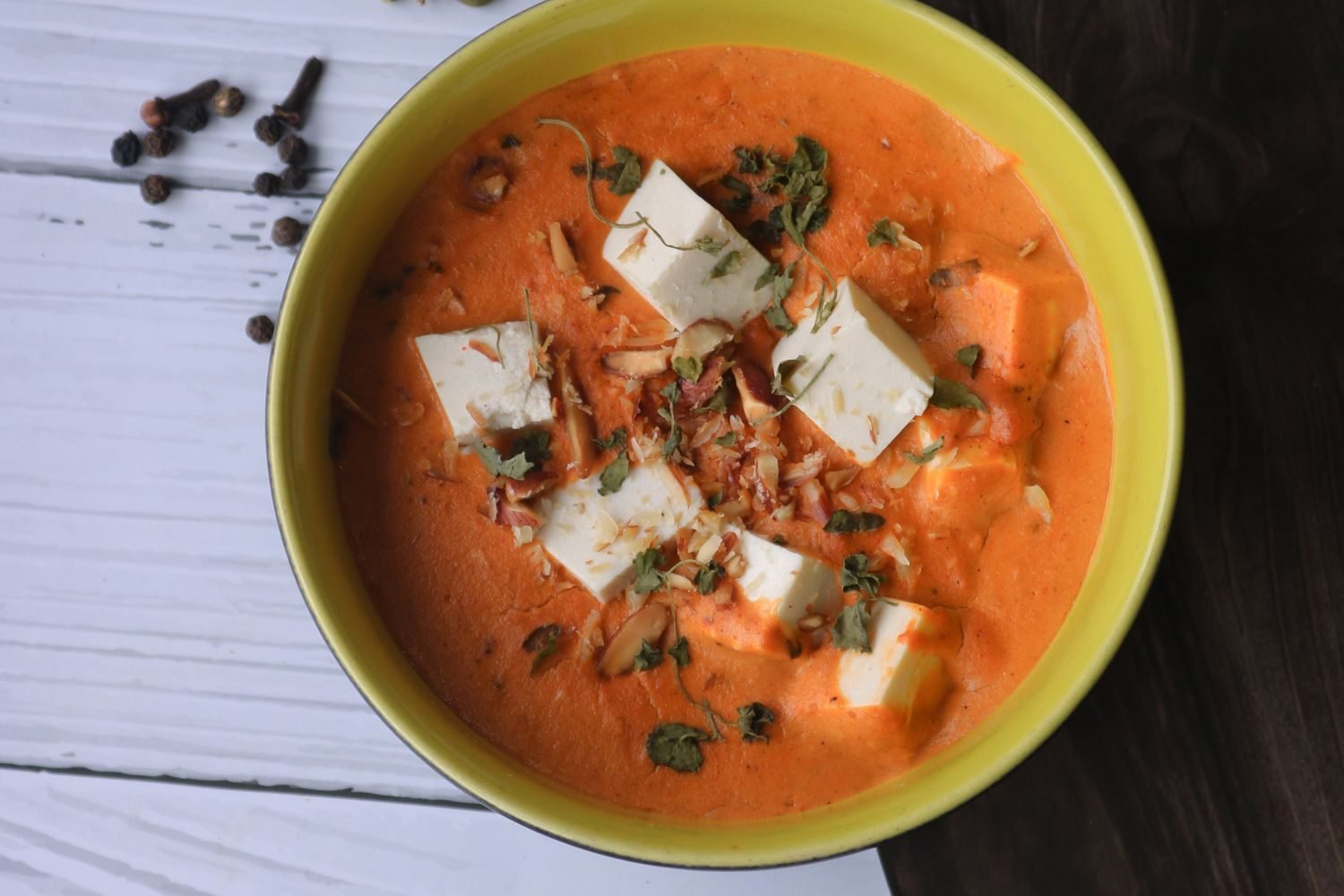
| Paneer bhurji with roti | 150g paneer scrambled with onion, tomato, and a little oil, served with one or two rotis | 25 to 30g | 30 to 35g | Vegetarians who trained in the evening and want a filling meal |
| Egg bhurji or omelette with toast | Three whole eggs scrambled or made into an omelette, with two slices of whole wheat toast | 20 to 24g | 25 to 30g | A quick meal after a morning workout when you are short on time |
| Dal chawal with a bowl of curd | One cup cooked dal, one cup rice, and a small bowl of curd on the side | 18 to 22g | 45 to 50g | A comfort meal after a long or intense session, easy on the stomach |
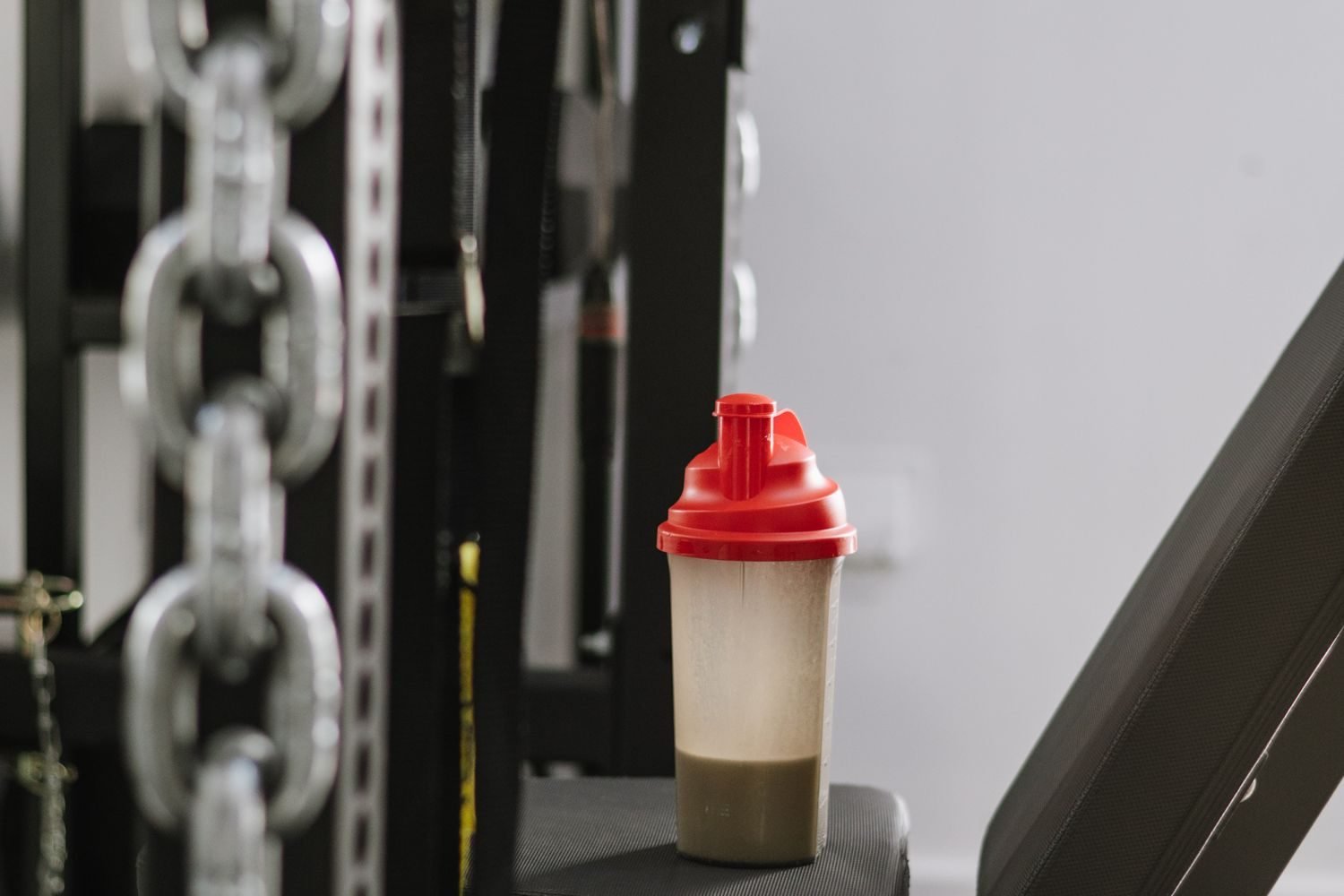
| Protein shake with banana and peanut butter | One scoop whey or plant protein blended with a banana and a spoon of peanut butter | 25 to 30g | 30 to 35g | Right after training when you do not feel like a full meal yet |
If you want more ideas beyond this list, our detailed breakdown of after-workout food options covers vegetarian, non-vegetarian, and shake-based choices in more depth.
What Should You Eat After a Late-Night Workout?
Late-night training is common once work hours settle down, and it needs a slightly different approach than a morning or evening session.
Keep the meal lighter than you would during the day. A large, heavy meal close to bedtime can sit in your stomach and disturb your sleep, which undoes a chunk of the recovery benefit you were training for in the first place. Good late-night options include:
- A small bowl of dal with a little rice
- A glass of milk with a banana
- Curd with fruit
- A protein shake, if you do not feel like eating a full meal
Skip the deep-fried or very oily dishes at this hour.
In our coaching experience, we see a lot of late-night trainers either skip the post-workout meal entirely because they are “too tired to eat,” or overcorrect and eat a heavy, dinner-sized meal at 11 pm. Both create problems, one for recovery and one for sleep. A small, protein-forward snack within an hour of finishing works better than either extreme.
If you are curious whether supplements are worth adding to this routine, we cover that separately in our guide to pre-workout supplements, though for most people, food alone covers post-workout needs just fine.
How Much Does Timing Actually Matter Day to Day?
Here is the honest take: your post-workout meal is one part of a bigger picture. Total daily protein, total daily calories, sleep, and consistency in training all matter more than what you eat in the ten minutes after your last set. Get the post-workout meal roughly right, most days, and stop treating it like a make-or-break decision. It isn’t one.
Frequently Asked Questions
What should you eat after a workout?
Eat a mix of protein and carbohydrates within a couple of hours of training. Good Indian options include paneer bhurji with roti, egg bhurji, dal chawal with curd, or a protein shake with banana. Aim for roughly 20 to 40 grams of protein and enough carbs to feel satisfied, not stuffed.
When should you eat after a workout?
You don’t need to eat within 30 minutes. Eating within 1 to 2 hours after training works fine for muscle repair and glycogen refill. What matters more is your total protein intake across the day. If you trained on an empty stomach or feel very hungry, eat sooner rather than later.
What should we eat after a workout for the best recovery?
Focus on quality over complexity. A meal with 20 to 40 grams of protein, from paneer, eggs, dal, chicken, or a shake, plus a serving of carbs like rice, roti, or fruit, covers most recovery needs. Add vegetables for micronutrients. You don’t need supplements or perfect timing, just consistent, adequate meals.
What to eat after a workout at night?
Keep it lighter than a daytime post-workout meal so digestion doesn’t disturb your sleep. Try a small bowl of dal with rice, a glass of milk with a banana, or curd with fruit. Avoid heavy, oily food right before bed. Aim to eat within an hour of finishing your session.
Can I eat a banana after a workout?
Yes. A banana is a solid post-workout carb source. It helps replenish glycogen, and its potassium supports muscle function. Pair it with a protein source like a shake, curd, or peanut butter so your meal covers both recovery needs, not just carbs on their own.
Can I eat eggs before a workout?
Yes, eggs work well before training if you eat them 1 to 2 hours beforehand so digestion doesn’t slow you down. They give you protein without weighing you down. If you’re training within 30 minutes, pick something lighter and faster-digesting instead, like fruit or a small carb snack.
Getting your post-workout nutrition right is one piece of the puzzle. The bigger difference comes from having a structured plan built around your goals, your schedule, and your training history, something a generic meal chart cannot give you. If you want that level of personal guidance, FitStrot’s 1-on-1 personal training pairs you with a coach who plans your workouts and your nutrition together, so you are not guessing what to eat after every session.