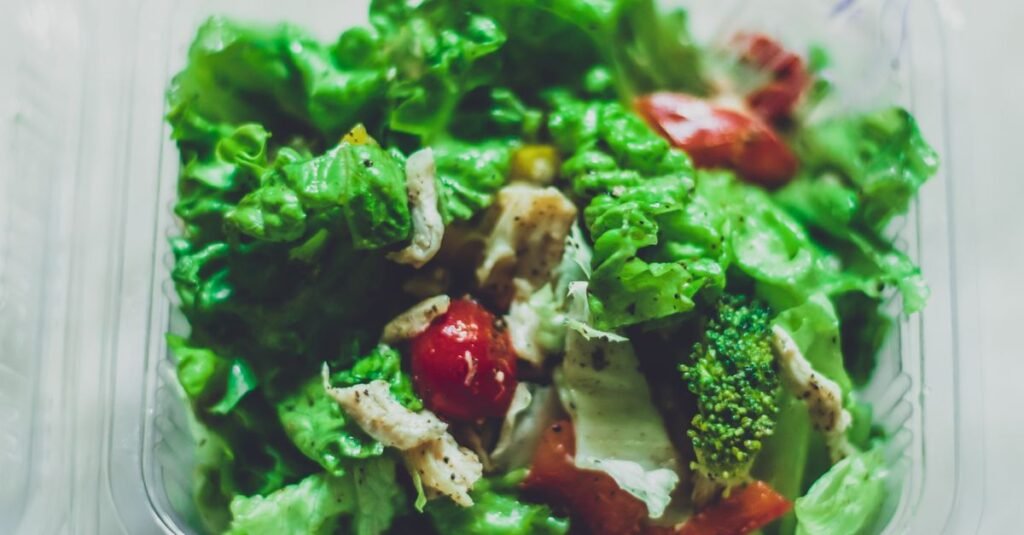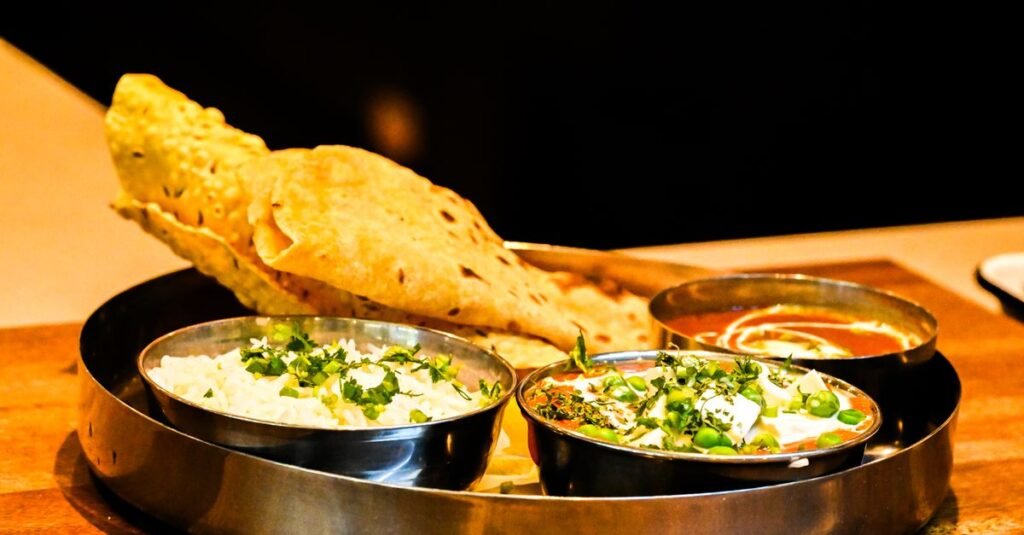
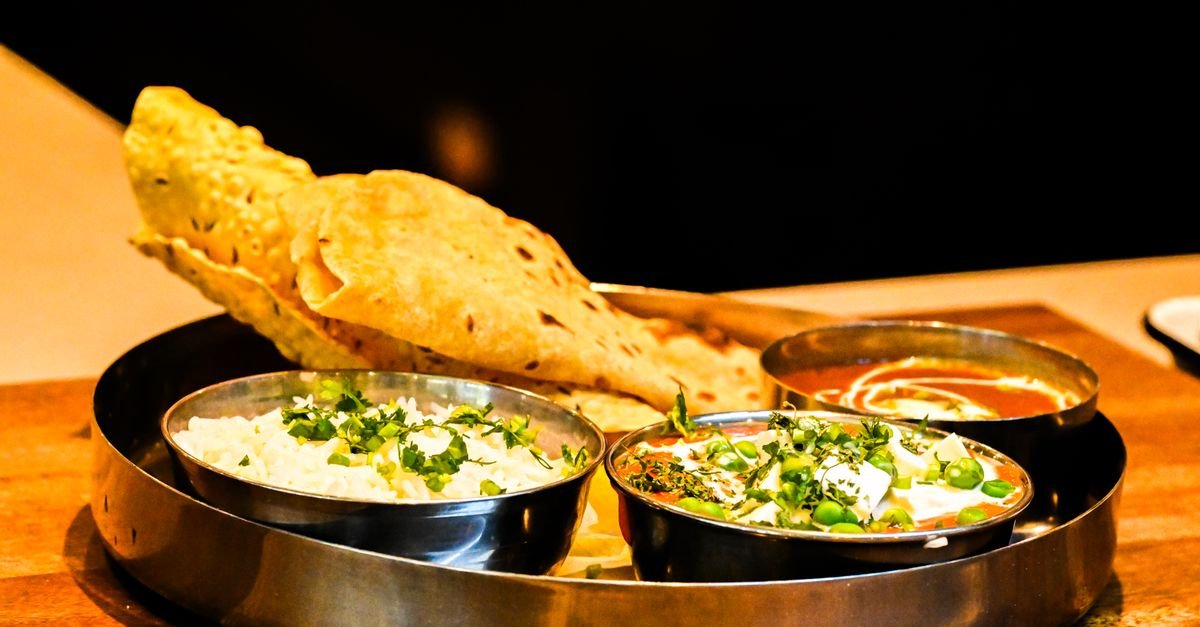
An Indian vegetarian meal plan for weight loss works when it’s built around dal, paneer, and soy for protein rather than relying on rice and roti as the main event. The most common reason vegetarian plans stall isn’t the absence of meat — it’s under-planned protein, which leaves you hungrier and eating more carbohydrate to compensate.
I’m Yash Pathak, founder and lead trainer at FitStrot. This is the exact meal plan structure I use with vegetarian clients, built around Indian staples that are already in most kitchens.
The Protein-First Principle
Indian vegetarian cooking is naturally carbohydrate-forward — rice, roti, and potato-based dishes are default fillers. For weight loss, the plate needs to flip: protein and vegetables should take up more space than they typically do, with rice or roti as a smaller, portioned side.
A useful target: roughly 20g of protein at breakfast and lunch, 15-20g at dinner. That’s achievable through dal, paneer, curd, and soy without needing protein powder, though a plant-based protein supplement can help close the gap on busier days.
A 7-Day Meal Plan
Day 1: Breakfast — moong dal chilla with mint chutney. Lunch — one roti, chana dal, bhindi sabzi, salad. Dinner — paneer bhurji with sautéed spinach.
Day 2: Breakfast — vegetable upma with peanuts. Lunch — brown rice, rajma, mixed vegetable sabzi. Dinner — tofu stir-fry with broccoli and capsicum.
Day 3: Breakfast — besan chilla with curd. Lunch — one roti, masoor dal, lauki sabzi, salad. Dinner — soya chunk curry with a small portion of rice.
Day 4: Breakfast — sprouts salad with lemon and curd. Lunch — quinoa or brown rice, chole, cucumber salad. Dinner — paneer tikka (grilled, not fried) with vegetables.
Day 5: Breakfast — idli with sambar (extra dal on the side for protein). Lunch — one roti, moong dal, tinda sabzi, salad. Dinner — vegetable and tofu stir-fry.
Day 6: Breakfast — oats with milk, nuts, and a spoon of peanut butter. Lunch — brown rice, rajma or chana, salad. Dinner — paneer and vegetable curry, lighter portion.
Day 7: Breakfast — moong dal chilla or leftover-based bowl. Lunch — one roti, dal, sabzi, curd. Dinner — soup with a side of roasted chana or paneer cubes.
Snacking Without Derailing the Plan
Between-meal hunger is where most vegetarian plans lose ground to convenience snacking. Roasted chana, a small bowl of sprouts, a handful of nuts, or buttermilk cover the gap with protein and fibre rather than empty carbohydrates.
Common Nutrient Gaps to Watch
Iron and B12 are the two nutrients Indian vegetarian diets most often run low on, especially with a calorie deficit layered on top. Pair iron-rich foods (leafy greens, dal, jaggery) with vitamin C sources (lemon, tomato, citrus) to improve absorption, and consider a B12 supplement if dairy intake is limited — this is worth confirming with a doctor if you’ve been vegetarian for years.
Adapting This Plan to Your Region
This structure works as a base, but regional variations matter — a Kerala household eats differently than a Punjabi or Gujarati one, even within vegetarian cooking. Our Kerala diet for weight loss guide adapts these same protein principles to South Indian staples, and if you want the broader framework this plan is built on, our vegetarian diet plan for weight loss guide covers it in more depth.
Why a Generic 7-Day Plan Has Limits
This plan is a strong starting template, but your actual calorie and protein targets depend on your weight, activity level, and goals — someone training regularly needs meaningfully more than what’s outlined here. An online weight loss trainer takes this same structure and calibrates the portions and protein targets specifically for your body, then adjusts it as you progress rather than repeating the same 7 days indefinitely.
Sample Indian Vegetarian Meal Plan for a Full Day
Breakfast: Moong dal chilla with mint chutney, or vegetable poha with peanuts, alongside a glass of curd.
Mid-morning: A piece of fruit or a small handful of soaked almonds.
Lunch: Two rotis, one cup dal or rajma/chole, a vegetable sabzi, and a side salad.
Evening: Roasted chana, sprouts chaat, or makhana.
Dinner: Paneer or tofu-based sabzi with one roti or a small portion of rice, plus sautéed greens.
This structure repeats with ingredient rotation (different dals, seasonal vegetables, varied chutneys) to prevent the monotony that often derails vegetarian diet plans specifically, since the protein sources are more limited than in a non-vegetarian diet and can start to feel repetitive without deliberate variety.
How Cooking Method and Oil Quantity Quietly Add Up
When I sit down with a new client who eats purely vegetarian and isn’t losing weight despite eating what looks like a healthy thali, the answer is almost never in the vegetables. It’s in how those vegetables were cooked. A bowl of bhindi or lauki sabzi can swing from 90 calories to 280 calories depending entirely on how much oil went into the tadka, and most home cooks don’t measure oil, they pour it. One tablespoon of oil is roughly 120 calories, and if a sabzi for a family of four uses four tablespoons, you’re eating 120 calories of oil alone in your one serving, before the vegetable, the salt, or the roti even enter the picture.
Point: the fix isn’t cooking without oil, which makes food unpalatable and unsustainable, it’s measuring it. I ask clients to switch to a tablespoon measure for two weeks and cap oil at three to four teaspoons across their entire day’s cooking, not per dish. Ghee deserves the same honesty. One teaspoon of desi ghee on dal or roti is about 45 calories and genuinely helps with vitamin absorption and satiety, but it’s easy to unconsciously add four or five teaspoons across a day between dal, roti, and rice, which quietly becomes 200-plus calories you never accounted for.
Cooking method matters just as much as quantity. A pressure-cooked or steamed sabzi, a dry bhindi or gobi sabzi, or a tawa-cooked paneer bhurji uses far less oil than a deep-fried aloo tikki or a restaurant-style paneer butter masala loaded with cream and cashew paste. If you love paneer, cook it dry with onions and capsicum rather than in a rich gravy, and you’ll get the same protein and satisfaction for a third of the calories. This one shift, changing how food is cooked rather than what food is eaten, is often the single biggest lever I use with vegetarian clients who feel like they’re already eating clean.
Navigating Weddings, Festivals and Eating Out as a Vegetarian
Vegetarian social life in India runs on food-centered occasions, and no meal plan survives contact with a wedding buffet, a kitty party spread, or a Diwali mithai box unless you have a strategy going in. I don’t tell clients to skip these events or eat before feeling deprived at them, that approach doesn’t last. Instead, I tell them to eat a small protein-forward meal an hour or two before, something like a moong dal chilla, a bowl of curd with roasted chana, or a handful of sprouts. Arriving hungry is the single biggest reason people overeat at these events, because hunger removes your ability to make selective choices.
At the event itself, scan the entire spread before serving yourself anything. Pick two or three dishes you genuinely want rather than taking a small portion of everything, because ten small portions add up to more than three full ones. Watch liquid calories closely, they’re the most underestimated part of Indian festive eating. A glass of sweetened lassi or thandai can run 250 to 300 calories, and at a wedding you might have two or three without noticing, which quietly adds up to a full extra meal in liquid form.
Navratri fasting days deserve a special mention here because they’re often assumed to be automatically weight-friendly, and they’re frequently the opposite. Sabudana khichdi, fried makhana, and kuttu puri are calorie-dense, and fasting foods fried in ghee can end up heavier than a regular thali. If you observe these fasts, lean toward roasted makhana over fried, kuttu roti over puri, and boiled sabudana with peanuts over the deep-fried version. And whatever the occasion, don’t punish the next day by skipping meals to compensate, that pattern of overeating followed by under-eating is what actually derails long-term progress, not the one indulgent evening itself.
Eating This Way When You’re Not the One Doing the Cooking
A big share of the vegetarian clients I coach don’t cook their own food. They eat what their mother, wife, or the family cook makes for the whole household, and that changes the conversation completely. You can’t tell someone to just switch to grilled paneer and quinoa when the kitchen runs on a shared sabzi, dal, and roti made in one pot for six people. The plan has to bend around the kitchen, not the other way round.
The first thing I ask these clients to do is stop trying to change the family menu and start changing their own plate at the table. If the sabzi is made with more oil than you’d like, you don’t ask for a separate low-oil version — you take a smaller portion and let the extra oil drip off before you eat it, or blot it lightly with a tissue, which sounds fussy but genuinely cuts a noticeable amount of fat over a month of daily meals. If dal is cooked with a generous tadka, you spoon from the top layer rather than stirring the ghee back in. None of this requires anyone in the kitchen to know you’re on a plan.
Where you do have leverage is roti and rice — the two things usually served on request rather than fixed in advance. Ask for one roti less than you’d normally take, or ask for the rice to be served after the sabzi and dal rather than alongside, so you naturally eat less of it once you’re already partway full. If your family makes extra dal or extra sabzi, request a bigger second helping of those instead of a second roti. This one swap, protein and vegetables over refined carbs when you’re asking for seconds, is worth more than most people expect, and nobody at the table will think it strange.
The other real lever is what you add on your own plate that nobody else needs to eat. Keep a bowl of curd, a katori of sprouts, or a couple of boiled eggs on the side that you prepare for yourself in five minutes, separate from the main cooking. This is usually the single biggest gap I see in family-style eaters — they’re getting reasonable carbs and vegetables from the shared pot but almost no dedicated protein, because nobody is cooking chicken breast or a protein bowl for one person in a family kitchen. A small addition you make yourself, eaten alongside the shared meal, closes that gap without asking anyone to change how they cook.
If you travel for work or eat at a hostel or PG mess, the same logic applies with more limits. Mess food tends to be starch-heavy and protein-light, so carry roasted chana, peanuts, or a tin of tuna if that’s accessible to you, and use it to top up whatever the mess is serving that day. I’ve had clients lose 6 to 8 kg over several months eating almost entirely mess or family food, simply by controlling portion and adding their own protein — they never once had a separate meal cooked for them. The plan works because it respects that most people eating vegetarian in India aren’t eating alone or by choice of menu; they’re eating what’s put in front of them, and the skill is learning to work with that reality instead of fighting it.
Frequently Asked Questions
How does an Indian vegetarian meal plan for weight loss work?
It works by prioritising plant protein (dal, paneer, soy) at every meal alongside portioned carbohydrates, creating a calorie deficit while keeping hunger manageable through protein and fibre.
Is an Indian vegetarian meal plan for weight loss safe?
Yes, when protein, iron, and B12 needs are actively covered. A vegetarian plan that leans too heavily on refined carbs without enough protein is less effective and can leave you fatigued.
How long does an Indian vegetarian meal plan for weight loss take to show results?
Most people notice better energy and less bloating within 2 weeks, with visible weight change typically by week 4-6 when paired with regular movement.
Can beginners follow an Indian vegetarian meal plan for weight loss?
Yes — this plan uses familiar Indian staples, so the learning curve is mainly around portioning and protein awareness rather than new ingredients.
Ready for a Meal Plan Built Around Your Protein Needs?
A FitStrot online weight loss trainer calculates your specific protein and calorie targets, builds your vegetarian meal plan around them, and adjusts it weekly based on real progress.