If you’re managing hypothyroidism, hyperthyroidism, or you’re waiting on bloodwork because something feels off, the food question usually boils down to three things: get enough iodine (but not too much), make sure selenium isn’t the missing piece, and stop panicking about broccoli. Nutrition doesn’t replace thyroid medication or an endocrinologist’s care, but the two nutrients your thyroid actually depends on — iodine and selenium — have narrow, specific ranges where they help, and getting either one wrong in either direction can make things worse, not better. This guide walks through what the evidence actually says, without the fear-based food lists that circulate online.
Why does the thyroid need iodine in the first place?
Your thyroid gland uses iodine as the literal raw material for thyroid hormone. It pulls iodine from your bloodstream and attaches it to a protein called thyroglobulin to build thyroxine (T4) and triiodothyronine (T3) — the hormones that regulate your metabolism, heart rate, body temperature, and, during pregnancy and infancy, brain development. Without adequate iodine, the thyroid simply cannot manufacture enough hormone, regardless of how well the gland itself is functioning.
According to the NIH Office of Dietary Supplements, the recommended daily iodine intake is 150 micrograms (mcg) for teens and adults, rising to 220 mcg during pregnancy and 290 mcg while breastfeeding, because maternal iodine directly supports fetal brain development. Iodized salt, dairy, eggs, seafood, and seaweed are the main dietary sources in most Western diets — a half-teaspoon of iodized salt provides roughly 190 mcg, which is why iodine deficiency is rare in countries with salt iodization programs, though it hasn’t disappeared entirely, especially among people avoiding salt or dairy for other health reasons.
What happens with too little iodine
Mild-to-moderate deficiency can produce a sluggish, underactive thyroid (hypothyroidism) with symptoms like fatigue, cold sensitivity, weight gain, and dry skin. Severe deficiency in pregnancy is a leading preventable cause of intellectual disability worldwide. If you suspect deficiency, the fix is dietary and medical, not guesswork — a doctor can check urinary iodine or thyroid labs before you start supplementing. Because low thyroid function can also slow digestion and reduce stomach acid, it can worsen how well you absorb iron — meaning unmanaged nutritional anemia can mimic or compound this same fatigue, which is one more reason fatigue alone isn’t a reliable way to self-diagnose the cause.
What happens with too much iodine
This is the part people underestimate: excess iodine can also cause thyroid dysfunction, including triggering hypothyroidism or hyperthyroidism, particularly in people who already have thyroid autoimmunity, nodules, or a history of thyroid surgery. The American Thyroid Association has specifically warned against iodine or kelp supplements exceeding 500 mcg per day, noting the tolerable upper intake level for adults is 1,100 mcg daily. Kelp, dulse, and other seaweed supplements are the most common culprits — a single serving of certain seaweed products can contain many times the daily requirement. If you have a thyroid condition, run any iodine-containing supplement past your endocrinologist first.
What does selenium actually do for the thyroid?
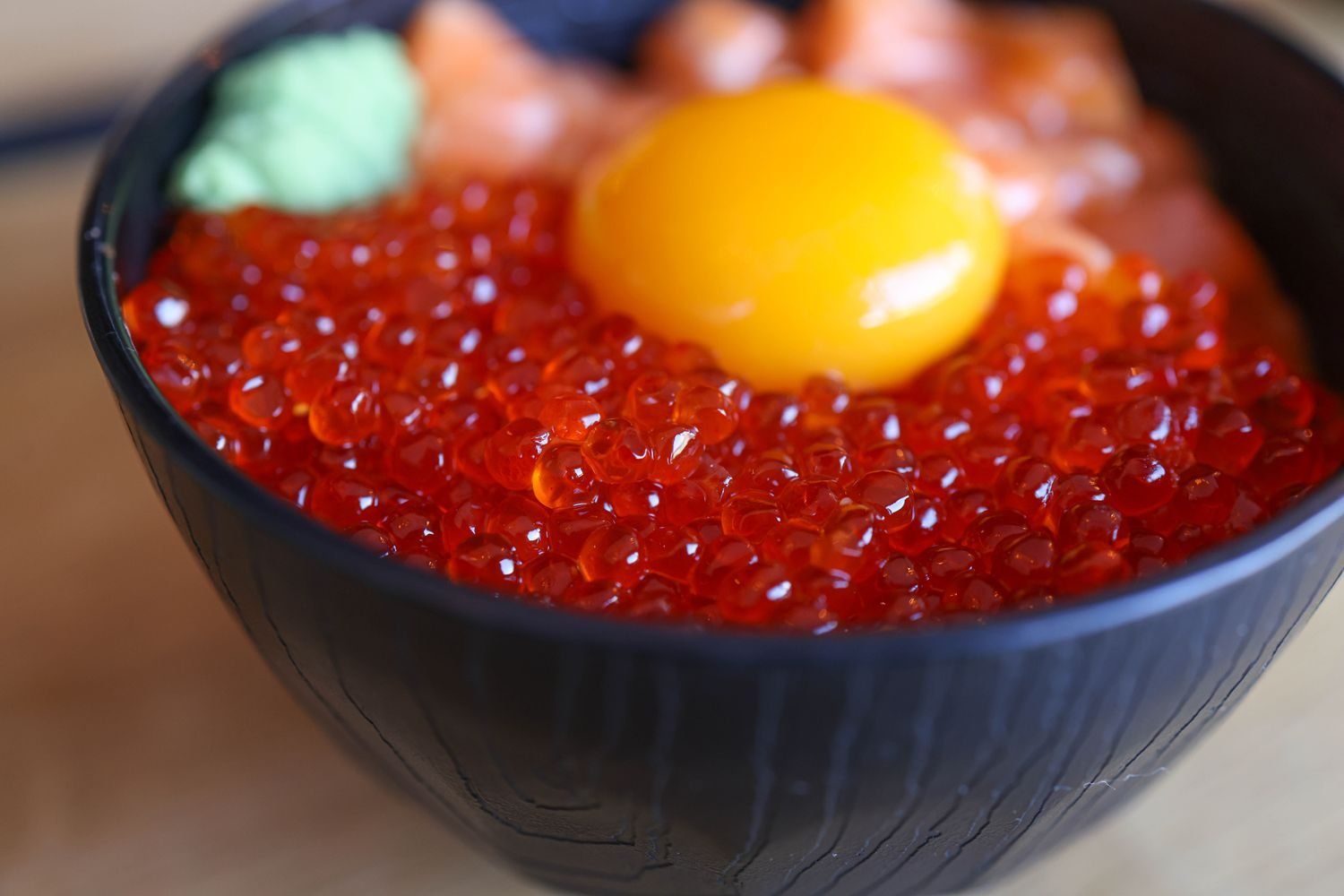
Selenium is the thyroid’s quieter partner. The thyroid gland contains more selenium per gram of tissue than any other organ in the body, because selenium is a building block for selenoproteins — enzymes that convert T4 (the mostly-inactive hormone your thyroid releases) into T3 (the active form your cells actually use), and that protect thyroid tissue from oxidative damage during hormone production.
The NIH ODS lists the RDA for selenium at 55 mcg per day for adult men and women, 60 mcg during pregnancy, and 70 mcg while breastfeeding. Brazil nuts are famously concentrated — just one or two nuts can meet your entire daily requirement — while seafood, organ meats, eggs, and sunflower seeds also contribute meaningfully. Most people eating a varied diet in the U.S. meet their selenium needs without trying.
Research has connected selenium status to autoimmune thyroid conditions like Hashimoto’s thyroiditis, and some studies have looked at whether selenium supplementation lowers thyroid antibody levels. That said, the evidence on whether supplementing changes long-term outcomes is mixed, and selenium has its own toxicity risk at high doses (hair loss, nail brittleness, GI upset, and in severe cases nerve damage). This is a nutrient to get from food first and discuss with your doctor before supplementing — more is not automatically better, mirroring the iodine story. Iodine and selenium are just two pieces of a much larger picture — our broader vitamin and nutrition guide can help you understand how other micronutrients fit around a thyroid-focused diet.
Do cruciferous vegetables really hurt your thyroid?
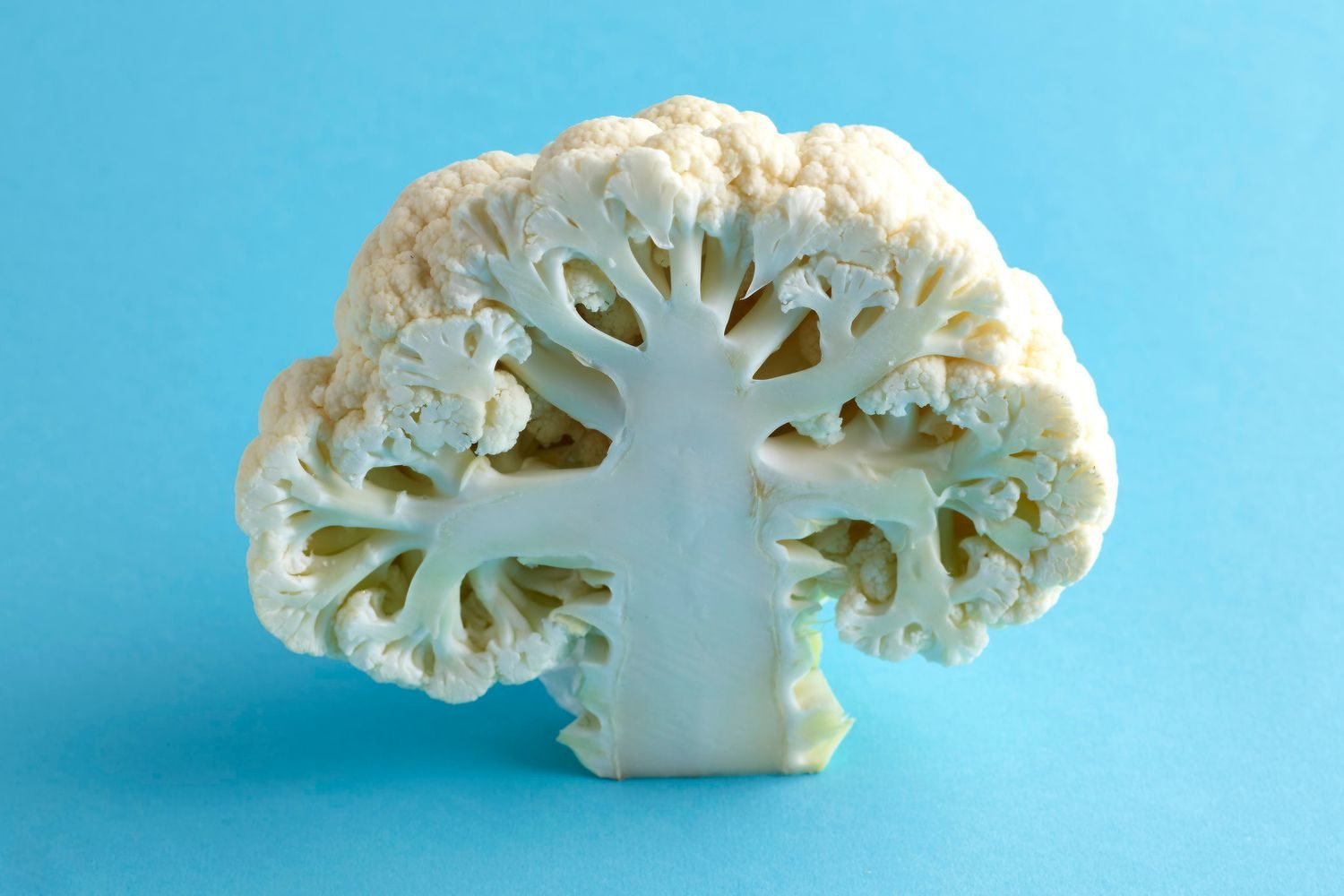
Short answer: for the vast majority of people, no — and this is one of the most overblown fears in thyroid nutrition. Broccoli, cauliflower, cabbage, kale, and Brussels sprouts contain compounds called goitrogens, which can theoretically interfere with the thyroid’s ability to take up iodine. That mechanism is real in a laboratory sense, but the practical risk has been wildly exaggerated in wellness content.
The American Thyroid Association does not support a blanket recommendation to avoid the Brassica family, and the broader research shows goitrogenic effects show up mainly in populations with pre-existing, often severe, iodine deficiency — not in people with adequate iodine intake eating normal amounts of vegetables. If your iodine status is fine, cruciferous vegetables lose their theoretical leverage over your thyroid.
A few practical notes if you still want to be cautious:
- Cooking substantially deactivates the enzyme responsible for forming goitrogenic compounds, so steamed or roasted cruciferous vegetables carry even less theoretical risk than raw.
- Moderate intake — a few servings a week — has not been shown to cause problems in people with treated thyroid conditions and adequate iodine intake.
- These vegetables are also excellent sources of fiber, vitamin C, and antioxidants that support overall health, so removing them without a clear reason trades a real benefit for an unproven risk.
If your doctor has specifically flagged iodine deficiency alongside your thyroid diagnosis, that’s a different conversation worth having directly with them — but “I read that broccoli is bad for thyroids” isn’t, on its own, a reason to cut out a food group.
Why does levothyroxine timing around food matter so much?
If you’re on levothyroxine (the standard synthetic thyroid hormone replacement for hypothyroidism), you’ve probably been told to take it on an empty stomach — and there’s a real absorption reason behind that instruction, not just habit. This is general education, not medication advice; always follow your prescriber’s specific instructions over anything you read online.
Levothyroxine absorption happens in the small intestine and is sensitive to what else is in your gut at the same time. A systematic review of levothyroxine interactions found that food, coffee, high-fiber meals, calcium, and iron supplements can all reduce how much of the dose actually gets absorbed — meaning the same prescribed dose could behave inconsistently depending on when and how you take it relative to meals.
Common, general timing patterns clinicians discuss include:
- Taking it first thing in the morning on an empty stomach, then waiting 30–60 minutes before eating or drinking anything besides plain water.
- Separating it from coffee specifically — studies have shown coffee taken at the same time or shortly after a dose can meaningfully blunt absorption.
- Spacing calcium and iron supplements (including calcium-fortified foods and multivitamins containing iron) by at least four hours from your dose, since both minerals can bind the medication in the gut.
- Some people take it at bedtime instead, at least three hours after their last meal — this is a documented alternative, but only under a doctor’s guidance, not something to switch to on your own.
The bigger point is consistency: taking your dose the same way relative to food and supplements every day helps keep absorption — and therefore your lab results — predictable, which is exactly what your endocrinologist is trying to fine-tune when they adjust your dose. If your routine around meals, coffee, or supplements changes, that’s worth mentioning at your next visit rather than adjusting the medication yourself.
It’s also worth remembering that thyroid hormone interacts with other systems your daily routine touches. It affects blood sugar regulation, so if you’re navigating both a thyroid condition and blood sugar concerns, our diabetes and nutrition guide covers how these systems overlap. The liver also plays a role in converting T4 to active T3, so if you have liver-related concerns alongside a thyroid diagnosis, our liver and nutrition guide is worth a read too.

What else in your diet is worth paying attention to with a thyroid condition?
Thyroid health doesn’t exist in isolation from the rest of your nutrition status. Thyroid conditions are also markedly more common in women, particularly around pregnancy and menopause, which is covered in more depth in our women’s nutrition resource. Whatever else is going on with your diet, iodine and selenium remain the two nutrients most directly tied to how well your thyroid can do its job — everything else here is secondary support.
Frequently Asked Questions
Can diet alone fix hypothyroidism or hyperthyroidism?
No. Diet supports thyroid function but does not cure thyroid conditions like Hashimoto’s, Graves’ disease, or nodules. Thyroid disorders typically require medical evaluation and, often, medication managed by an endocrinologist. Nutrition works alongside treatment, not instead of it.
Should I take an iodine supplement if I have hypothyroidism?
Not automatically. Most hypothyroidism in iodine-sufficient countries isn’t caused by deficiency, and excess iodine can worsen certain thyroid conditions. Ask your doctor to check your iodine status and thyroid antibodies before adding any iodine or kelp supplement.
Is soy safe to eat with a thyroid condition?
Soy contains goitrogenic compounds similar to cruciferous vegetables, but normal dietary amounts haven’t been shown to cause problems in people with adequate iodine intake. If you take levothyroxine, space soy foods away from your dose since soy protein can also affect absorption.
How do I know if I need more selenium?
Most people meet selenium needs through food — a couple of Brazil nuts, seafood, or eggs cover the daily 55 mcg RDA for adults. Selenium deficiency is uncommon in the U.S. A blood test can confirm status; avoid high-dose supplements without medical guidance since excess selenium has its own toxicity risks.
Why does my doctor keep adjusting my levothyroxine dose?
Absorption can shift with changes in weight, other medications, supplements, pregnancy, or even how consistently you’re taking it relative to food and coffee. Regular lab monitoring lets your endocrinologist fine-tune the dose to your current absorption pattern, not just your diagnosis.
None of this replaces a conversation with your doctor or endocrinologist, especially if you’re newly diagnosed, pregnant, or adjusting medication. If you want personalized support building a thyroid-friendly eating pattern around your specific labs and lifestyle, an online nutritionist consultation can help you put these principles into practice — as a complement to your medical care, not a replacement for it.