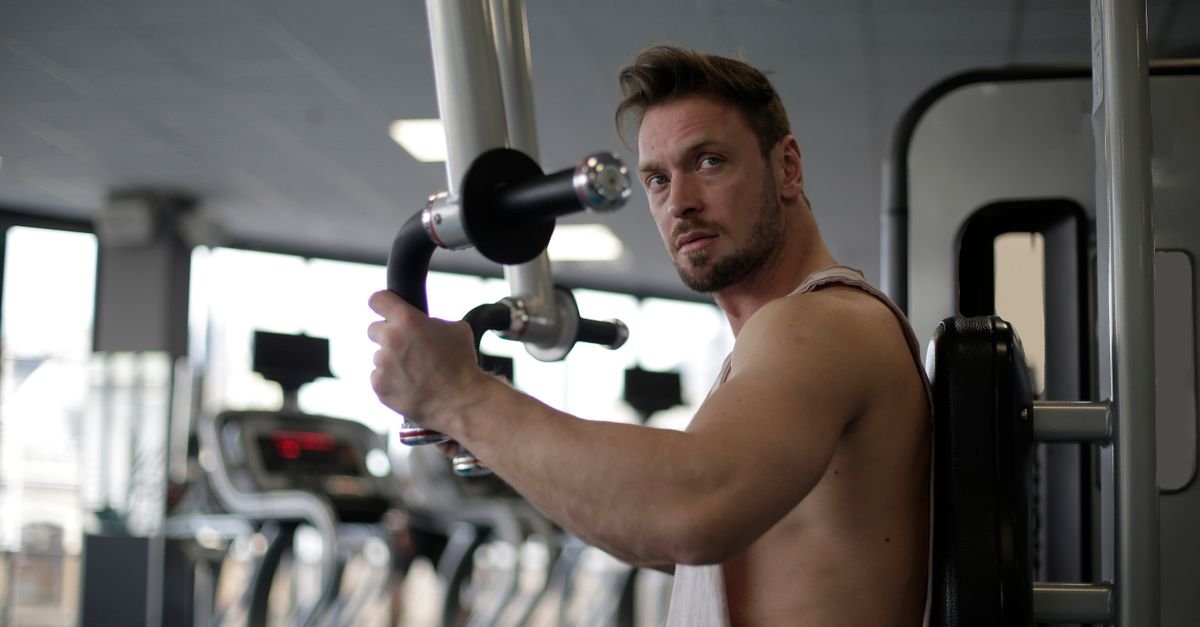
Building a slim body as a man requires a moderate calorie deficit combined with strength training focused on compound movements, since men typically carry more muscle mass and higher testosterone than women, meaning muscle-building and toning tend to progress somewhat faster with consistent training — but the fundamental principles (calorie deficit for fat loss, resistance training for tone) remain the same regardless of gender.
I’m Yash Pathak, founder and lead trainer at FitStrot. Male clients pursuing a slim, toned look often default to excessive cardio, missing the strength training component that’s actually central to achieving the specific appearance they’re after.
Why Cardio Alone Rarely Produces the “Slim” Look Men Want
A cardio-only approach produces weight loss, but often results in a smaller, less defined appearance rather than the leaner, more toned look most men associate with “slim” — because cardio alone doesn’t build the muscle that creates visible definition once body fat decreases. Strength training is what builds that muscle, meaning it’s not optional for this specific aesthetic goal, even though it’s sometimes treated as secondary to cardio in generic weight-loss advice.
The Core Framework for Men
Moderate calorie deficit. 300-500 calories below maintenance supports steady fat loss without excessively compromising strength training performance.
Higher protein target. 1.6-2g per kg body weight supports both fat loss (through satiety) and muscle preservation and growth, particularly important given men’s generally higher muscle mass to maintain.
Strength training, 4 days weekly. Focused on compound movements (squats, deadlifts, bench press, rows, overhead press) that build the muscle mass and definition central to a slim, toned male physique.
Moderate cardio, 2-3 days weekly. Supporting the calorie deficit without excessive volume that could interfere with strength training recovery.
A Sample Weekly Structure
Monday: Chest and triceps (bench press, dips, tricep work). Tuesday: Cardio (30-40 minutes) plus core work. Wednesday: Back and biceps (rows, pull-ups, bicep work). Thursday: Rest or light activity. Friday: Legs (squats, lunges, deadlifts). Saturday: Shoulders and cardio (a mixed session). Sunday: Rest.
Diet Structure
Protein at every meal — eggs, chicken, fish, dal, paneer — hitting the higher protein target this goal requires. Portioned carbohydrates, particularly around training, to support workout performance and recovery. And consistent meal timing to manage hunger through a deficit that’s supporting both training demands and fat loss.
Common Areas Men Want to Address Specifically
Abdominal definition. Requires both overall body fat reduction (diet-driven) and core strength training — neither alone produces visible abs; the combination does, and body fat percentage matters more than ab exercises specifically for visibility.
Chest and shoulder definition. Benefits significantly from consistent strength training focused on these areas, becoming visible as overall body fat decreases.
Reducing visceral (abdominal) fat specifically. This type of fat, common in men carrying weight predominantly around the midsection, responds to overall calorie deficit and consistent training — no targeted approach reduces it faster than general fat loss, but it’s often among the more responsive areas to a well-executed plan.
Why Testosterone and Muscle-Building Speed Matter Here
Men generally have higher testosterone levels than women, which supports somewhat faster muscle building and maintenance with consistent strength training — this is part of why a properly structured slim-body plan for men often shows visible muscle definition changes a bit faster than equivalent effort might for women, though individual variation is still significant and consistency matters more than this general tendency.
Common Mistakes Men Make Pursuing This Goal
Excessive cardio at the expense of strength training, missing the muscle definition that’s central to the “slim, toned” look. Inadequate protein intake, undermining muscle preservation during the deficit. And inconsistent training, since visible muscle definition requires the progressive, consistent stimulus that sporadic gym visits don’t provide. Our gym workout for weight loss and high protein diet for weight loss guides cover these components in more depth.
Why a Personalized Plan Produces Better Results
Your starting body composition, how quickly you build muscle relative to losing fat, and your specific goals (more emphasis on certain areas) all affect how this framework should be calibrated for you. An online weight loss trainer builds a plan targeting genuine muscle definition and fat loss together, adjusting it as your body responds.
Why Men’s Body Composition Goals Need Strength Training Specifically
For men specifically, visible muscle definition (not just reduced body fat) is usually central to what “slim body” or a fit physique actually means in practice — this makes strength training a non-negotiable part of the plan, not an optional add-on to cardio and diet. Compound lifts (squats, deadlifts, bench press, rows) that engage multiple large muscle groups tend to deliver more visible physique change per hour invested than isolated, single-muscle exercises, making them a smart priority for a time-efficient training plan.
How Age Changes the Approach for Men
A slim, defined body composition goal doesn’t require the same strategy at 24 as it does at 44, and treating it like it does is one of the more common reasons men get frustrated with slow progress. In your twenties, metabolism tends to be more forgiving, recovery between sessions is faster, and muscle responds quickly to almost any reasonable training stimulus — mistakes in programming get forgiven by youth. This is the phase where men can often get away with less structured training and still see visible change within 8-10 weeks.
Through your thirties and forties, recovery slows down noticeably, testosterone begins its gradual natural decline, and years of a desk job start showing up as tight hip flexors, rounded shoulders, and a midsection that holds onto fat more stubbornly than it used to. This is the phase where training needs to become more deliberate — proper progressive overload in strength work, more attention to protein intake to counter the slower muscle protein synthesis rate, and genuinely respecting recovery time between sessions rather than pushing through fatigue the way you could a decade earlier.
Past fifty, the priorities shift again. Preserving existing muscle mass becomes as important as building new muscle, because muscle loss accelerates with age if it isn’t actively maintained through resistance training. Joint health, cardiovascular conditioning, and getting medical clearance before starting or intensifying a program all move higher up the priority list. None of this means the goal becomes unreachable with age — it means the plan needs to account for where your body actually is, not where it was fifteen years ago.
Alcohol, Late-Night Eating and Social Habits That Undermine Progress
For a lot of Indian men, the biggest obstacle to a slim, fit look isn’t the gym or the weekday diet — it’s the weekend. Office parties, wedding season stretching across several months, Sunday drinks with friends, and the near-automatic pairing of alcohol with fried snacks or a late-night biryani or roll order can quietly undo an entire week of disciplined eating in a single evening. A typical night of a few beers or pegs of whisky alongside kebabs or fries can easily add 1,000-1,500 calories on top of what someone would normally eat that day, and that’s before factoring in how alcohol lowers inhibition around food choices generally.
Beyond the calories, alcohol disrupts sleep quality even when it makes you fall asleep faster, and it has a measurable, if temporary, suppressive effect on testosterone — which matters directly for a goal built on visible muscle definition and fat loss. The late-night eating that often follows drinking also tends to be the least controlled eating of the week, happening when judgment is already impaired and easy food is closest at hand.
None of this means cutting alcohol out entirely is the only path forward, and I don’t ask most clients to become teetotal unless they want to. What works better is strategy: deciding in advance how many drinks you’re having rather than deciding in the moment, eating a proper meal before you start drinking so you’re not making food decisions on an empty stomach, and picking grilled or tandoori options over fried ones when you do want food alongside drinks. Planning for social occasions instead of treating them as automatic write-offs is usually the difference between a body composition goal that stalls every few weekends and one that keeps moving forward.
Why Chasing Visible Abs Too Early Sabotages a Slim Body Goal
A huge number of men who come to me saying they want a slim body actually mean they want visible abs, and conflating the two sends them down the wrong path in the first month. Slim means your overall body fat has come down enough that you look lean and proportionate in a t-shirt, typically achievable around 15-18% body fat for most Indian men. Visible, defined abs usually require getting closer to 10-12%, a meaningfully harder, longer, more restrictive process. I’ve seen men set their nutrition as aggressively as if prepping for a photoshoot, when what they actually wanted, and would have been thrilled with, was to comfortably fit into a slim-cut shirt again.
The problem with aiming straight for visible abs is that the deficit required is harder to sustain, and most men can’t hold it for the 4-5 months it realistically takes without their gym performance, sleep, or mood taking a hit. I’ve had clients who set an ab-focused target, crashed their calories to speed things up, lost strength in the gym within three weeks, felt constantly irritable, and quit the whole plan by week six, when a more moderate deficit aimed at genuinely slim would have kept them consistent and delivered most of the visual improvement they wanted, sustainably.
What I do instead is separate the two goals explicitly at the start. If a client’s actual priority is looking slim in clothes, performing better physically, and feeling lighter day to day, we build the plan around a moderate deficit with strength training, and abs become a byproduct of general fat loss over months rather than the target itself. If a client genuinely wants visible definition for a specific reason, a wedding, a trip, a personal milestone, we discuss honestly what that requires: a longer timeline, tighter tracking, and usually a period of eating at maintenance first if they’re not already lean, because chasing abs from a higher starting body fat in a short window almost always means losing muscle along with fat.
The honest conversation up front saves months of frustration. Most men who think they want six-pack abs are satisfied the moment their shirts fit better and their waistline drops two sizes, and reaching that point takes a fraction of the time and restriction that chasing visible abs specifically would demand.
Frequently Asked Questions
What’s the best approach for men to get a slim body?
A moderate calorie deficit combined with consistent strength training (focused on compound movements) and adequate protein — cardio alone typically produces a smaller but less defined result than this combined approach.
How long does it take for men to see a slim, toned body?
Visible changes typically begin within 4-6 weeks, with more significant definition appearing over 3-6 months of consistent training and diet adherence.
Do men need more protein than women for this goal?
Generally yes, given typically higher muscle mass — 1.6-2g per kg body weight is a reasonable target, supporting both fat loss and muscle preservation during the deficit.
Can beginners follow this slim body approach?
Yes, beginners should focus on learning proper strength training form with manageable weights, building toward more intensity and complexity as strength and confidence develop.
Ready for a Plan Built for Your Specific Goals?
A FitStrot online weight loss trainer builds a strength and diet plan calibrated to help you achieve genuine muscle definition and fat loss together.