A high protein diet for weight loss means eating roughly 1.6 to 2.2 grams of protein per kilogram of body weight daily, spread across 3-4 meals, to preserve muscle mass during a calorie deficit and reduce hunger. Most people significantly underestimate how much protein this actually is — for a 65kg person, that’s 100-140g daily, well above the 45-60g a typical Indian diet provides.
I’m Yash Pathak, founder and lead trainer at FitStrot. Protein is the single most under-prioritised macronutrient in the weight-loss diets I see people attempt on their own, and fixing it alone often produces a noticeable improvement in results.
Why Protein Matters More During Weight Loss
Muscle preservation. In a calorie deficit, your body pulls energy from both fat and muscle unless protein intake is high enough to signal “preserve this.” Losing muscle alongside fat lowers your metabolic rate, making continued weight loss harder — adequate protein is the main defence against this.
Satiety. Protein is the most filling macronutrient gram-for-gram, meaning a high-protein meal keeps hunger at bay longer than an equivalent-calorie meal higher in carbs or fat — directly supporting adherence to a calorie deficit.
Thermic effect. Digesting protein burns more calories than digesting carbs or fat (roughly 20-30% of protein’s calories go toward digesting it, versus 5-10% for carbs and 0-3% for fat) — a modest but real advantage.
How Much Protein You Actually Need
A practical target for weight loss: 1.6-2.2g per kg of body weight. For a 60kg person, that’s 96-132g daily. For 75kg, 120-165g. This is higher than general health recommendations (0.8g/kg) because active weight loss and any strength training increase the requirement.
Protein Sources for an Indian Diet
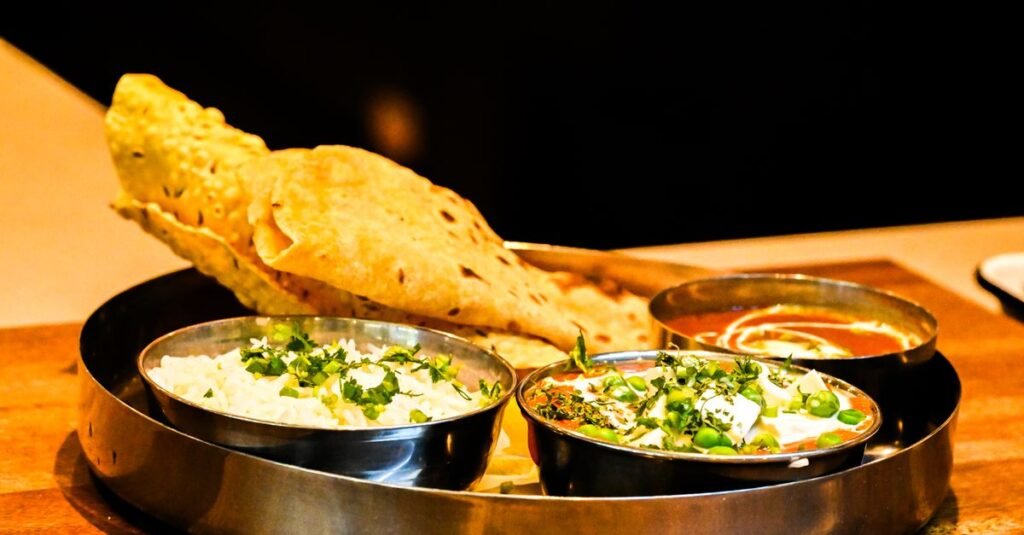
Vegetarian: Dal and legumes (15-18g protein per cooked cup), paneer (18-20g per 100g), curd and Greek yoghurt, soya chunks (52g per 100g dry — very protein-dense), tofu, and eggs if ovo-vegetarian.
Non-vegetarian: Chicken breast (31g per 100g), fish (20-25g per 100g depending on type), eggs (6g each).
Supplemental: Whey or plant-based protein powder, useful for closing gaps on busier days rather than replacing whole food sources entirely.
A Sample High-Protein Day
Breakfast: Egg bhurji or moong dal chilla with an extra portion of dal on the side (roughly 25-30g protein). Lunch: Grilled chicken or paneer with dal, sabzi, and a small portion of rice (35-40g protein). Snack: Roasted chana or a protein shake (15-20g protein). Dinner: Fish or tofu stir-fry with vegetables (25-30g protein). Total: roughly 100-120g across the day.
Common Mistakes When Increasing Protein
Loading protein into one meal instead of spreading it across the day — your body uses protein more effectively in smaller, distributed doses (20-40g per meal) than one large 100g serving. Ignoring fibre and vegetables while focusing only on protein, which can cause digestive issues. And assuming a “high protein” packaged snack is automatically healthy — many are also high in sodium or added sugar despite the protein claim on the label.
Protein and Overall Calorie Balance
Increasing protein doesn’t override the need for an overall calorie deficit — protein supports the deficit by managing hunger and preserving muscle, but eating high-protein foods in unlimited quantities without attention to total calories will stall results. Our diet plan for weight loss guide covers how to balance protein within an overall calorie target, and our vegetarian diet plan for weight loss guide focuses specifically on hitting protein targets without meat.
Why Your Protein Target Isn’t Generic
The 1.6-2.2g/kg range is a starting guideline, but your ideal target depends on your current weight, activity level, and whether you’re strength training. An online weight loss trainer calculates your specific protein and calorie targets, builds meals around hitting them consistently, and adjusts as your training and results progress.
Spacing Protein Across the Day
Hitting a daily protein target matters, but how you distribute it across meals also affects results — research on muscle protein synthesis suggests roughly 25-40g of protein per meal is more effective for muscle preservation than concentrating most of your protein into one large meal and eating very little at others. For someone targeting 100g of protein daily, this looks like roughly 30g at breakfast, lunch, and dinner, with a smaller amount from snacks, rather than skipping protein at breakfast and trying to make up for it at dinner.
Vegetarians pursuing a high protein diet specifically benefit from this spacing approach, since plant protein sources are often lower in protein density per serving than animal sources, making it easier to fall short if protein isn’t deliberately planned into every meal rather than just the main ones.
Do You Need a Protein Supplement? Whey, Plant Blends and When They Make Sense
I get asked about protein powder more than almost any other supplement, and my honest starting position is that most people can hit their protein target through food alone if they plan meals deliberately, which I’d generally recommend trying first before adding a supplement to the monthly budget. That said, supplements exist for a practical reason: hitting 90-110 grams of protein a day through Indian vegetarian food specifically requires real intention, and for clients with limited cooking time, a scoop of protein powder is often the easiest way to close a 20-25 gram daily gap without another cooking session.
Whey protein is fast-absorbing, complete in amino acid profile, and generally the most cost-effective per gram of protein among supplements, which makes it a reasonable default for anyone who isn’t strictly vegetarian in diet philosophy, since whey is a dairy derivative and lactose-tolerant for most Indians. For clients who want a plant-based option, pea protein, soy isolate, or blended plant proteins work nearly as well, though they’re often slightly more expensive per gram and some people find the taste and texture less pleasant, which matters for whether you’ll actually use it consistently.
Where I’d caution clients is treating protein powder as a meal replacement rather than a supplement to an already reasonable diet. A scoop with water or milk is roughly 120-150 calories and 20-25 grams of protein, useful as a top-up after a workout or when a meal falls short, but it isn’t a substitute for the fibre, micronutrients, and satiety that whole food sources like dal, paneer, curd, and eggs provide. I generally suggest one scoop a day at most for someone eating a reasonably planned diet, used to fill a specific gap rather than as a daily default meal.
Debunking the Kidney Damage Myth (and What Actually Warrants Caution)
The claim that a high-protein diet damages the kidneys is one of the most persistent pieces of nutrition misinformation I hear from clients’ families, usually well-meaning parents or in-laws who’ve heard it secondhand. For someone with healthy kidney function, the research on this is fairly clear and reassuring: higher protein intake within the ranges I recommend, generally 1.6-2 grams per kilogram of bodyweight for someone in a fat loss phase, has not been shown to cause kidney damage in people without pre-existing kidney disease. The kidneys process more nitrogen waste from higher protein intake, but healthy kidneys are well within their capacity to handle this.
The caution genuinely does apply, and matters a great deal, for people who already have compromised kidney function, whether from diabetes, hypertension, or a diagnosed kidney condition. For this specific group, protein intake does need to be individually calibrated, often to a level lower than what I’d typically recommend for weight loss, and this absolutely should be guided by a doctor or nephrologist rather than a generic diet plan, high protein or otherwise. If you have any known kidney concern, elevated creatinine on a recent blood test, or a family history of kidney disease, that’s a conversation to have with your doctor before increasing protein significantly, not something to navigate through general advice.
For the large majority of otherwise healthy adults, the practical risk worth worrying about with a high-protein diet isn’t the kidneys, it’s inadequate hydration and fibre intake as protein foods crowd out other food groups, both of which I’ve covered elsewhere in how I structure a sample day. The kidney concern, while worth taking seriously for the specific population it applies to, gets applied far too broadly as a blanket warning against a dietary approach that’s well-supported for most people trying to lose weight while preserving muscle.
How You Cook Your Protein Matters Almost as Much as How Much You Eat
I can give someone a perfect protein target and a perfect list of sources, and they can still undercut the whole plan through cooking method alone. This comes up constantly with clients who are technically eating enough protein but not losing weight at the rate the numbers suggest they should, and nine times out of ten, the answer is sitting in how that protein was prepared, not in the source itself.
Take paneer as the clearest example, because it’s the single most common protein in a vegetarian Indian diet. A hundred grams of paneer is roughly 260–290 calories on its own. The same paneer cooked as bhurji with a teaspoon of oil and some onion-tomato masala stays close to that number. The same paneer cooked as butter paneer or paneer tikka masala, swimming in a cream and cashew-based gravy, can easily hit 450–500 calories for the same 100 grams once you account for the gravy you inevitably eat with it. The protein content doesn’t change; the calorie cost of getting that protein does, sometimes by 70 to 80%. I ask clients to keep paneer in dry preparations — bhurji, tikka grilled without excess oil, or added to a vegetable sabzi — during an active weight loss phase, and save the gravy versions for occasions rather than daily meals.
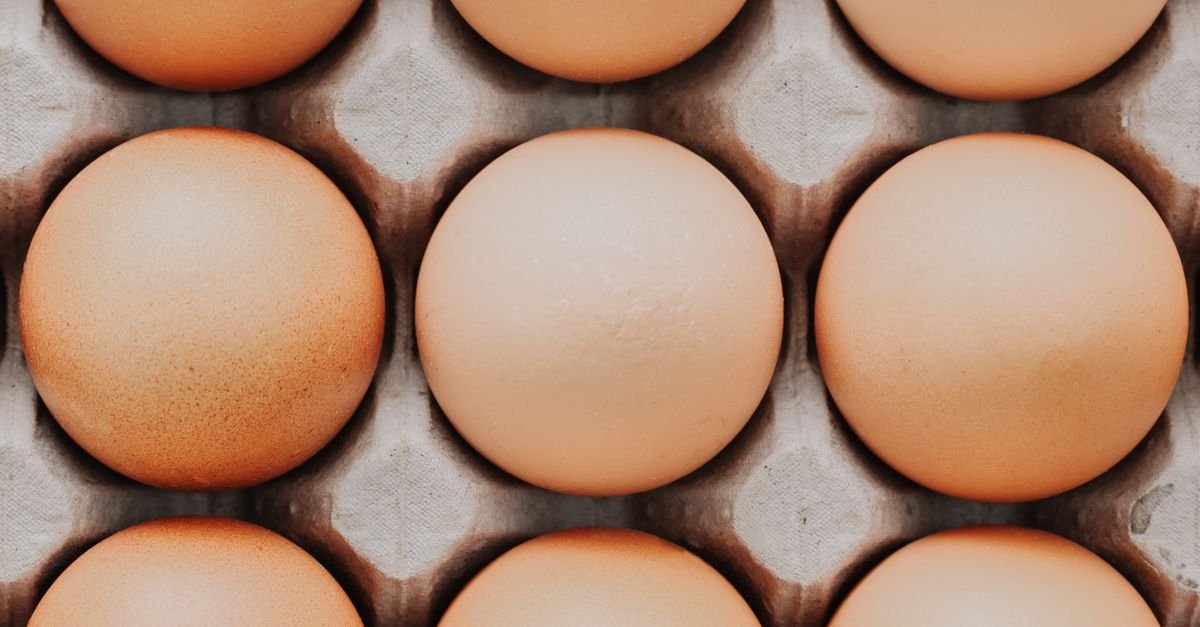
Eggs follow the same logic on a smaller scale. A boiled or poached egg is about 70–75 calories. The same egg fried in a generous slick of oil or ghee, which is how a lot of home kitchens make them, can run 110–130 calories once the absorbed oil is counted, and if you’re eating three or four eggs a day for protein, that difference compounds to 150–200 calories daily just from the cooking method, which is roughly what a small extra meal would cost you. Poaching, boiling, or dry-cooking in a good non-stick pan with a light oil spray gets you the same protein without that hidden addition.
Chicken shows this most dramatically because the range is so wide. Skinless chicken breast, grilled or boiled, sits around 165 calories per 100 grams. The same weight of chicken in a restaurant-style butter chicken or a deep-fried chicken 65 can run anywhere from 280 to 400+ calories per 100 grams once oil, cream, and batter are factored in — more than double, for the identical protein content. This doesn’t mean you can never eat chicken curry again; it means recognising that a curry-based chicken meal and a grilled chicken meal are not interchangeable on a calorie-controlled plan even though the protein label would say the same thing.
The practical fix isn’t to eat only boiled and bland food forever — that’s how people abandon a high-protein plan within three weeks. It’s to build a working ratio: cook your protein simply on most days, using grilling, boiling, roasting, or a light-oil pan-sear, and keep the rich, gravy-heavy versions for maybe once or twice a week, eaten in a controlled portion rather than an unlimited one. That single shift in cooking method, more than almost any other change I coach, is often the difference between a high-protein plan that produces steady fat loss and one that quietly plateaus because the protein source became a calorie source in disguise.
Frequently Asked Questions
How does a high protein diet work for weight loss?
It works by preserving muscle mass during a calorie deficit, increasing satiety to reduce overeating, and requiring more energy to digest than carbs or fat — supporting the deficit from multiple angles rather than through calorie counting alone.
Is a high protein diet safe for weight loss?
Yes, for most healthy adults. People with existing kidney conditions should consult a doctor before significantly increasing protein intake, since very high protein loads can stress compromised kidney function.
How long does a high protein diet take to show weight loss results?
Most people notice reduced hunger and better satiety within the first week, with visible weight loss results typically by week 3-4 when combined with an appropriate overall calorie deficit.
Can beginners follow a high protein diet for weight loss?
Yes — the main adjustment is intentionally adding a protein source to each meal, which is a straightforward habit change rather than a complex diet overhaul.
Ready for a Protein Target Calculated for You?
A FitStrot online weight loss trainer calculates your exact protein and calorie needs, builds meals around hitting them, and adjusts as your training and body respond.