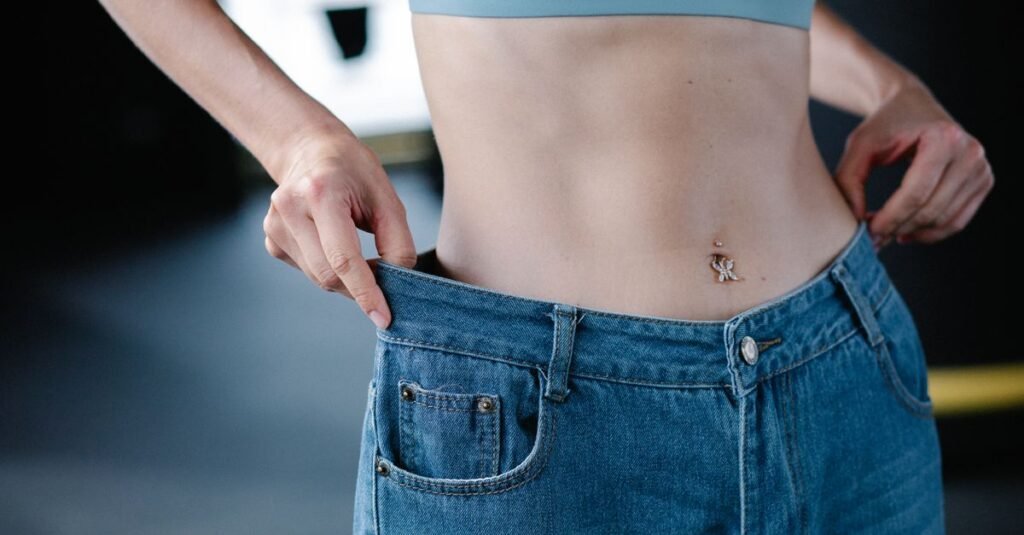
Before and after weight loss comparisons typically show visible changes in body composition (reduced fat, more muscle definition if strength training was included), facial appearance, energy levels, and often clothing fit and posture — but understanding what drives these visible changes, and being realistic about timeline and individual variation, matters more than the photos themselves for setting expectations.
I’m Yash Pathak, founder and lead trainer at FitStrot. Before and after comparisons are motivating, but they can also create unrealistic expectations if the underlying factors — pace, individual variation, and what’s actually achievable — aren’t well understood.
What Typically Changes Visually
Body composition and shape. Reduced fat overall, with more visible muscle definition if strength training was part of the process — the specific areas that show change first vary by individual, based on genetics and fat distribution patterns.
Facial appearance. Often one of the more visible early changes, since facial fat responds to overall body fat reduction and sometimes shows change before other areas.
Posture and how clothes fit. Often noticeable to the person themselves before it’s dramatically visible in photos, particularly in the early weeks.
Energy and how someone carries themselves. Less visible in a static photo, but a genuine and often significant part of what changes — many people report improved energy, confidence, and mobility that photos alone don’t capture.
What Timeline Realistically Looks Like
4 weeks: Often the first genuinely visible changes — reduced bloating, slightly more defined features, improved energy. Weight change is real but modest (2-4kg for many people).
8-12 weeks: More substantial visible change, particularly if strength training has been consistent — muscle definition becomes more apparent, clothes fit noticeably differently.
6 months: Often when more dramatic before-and-after comparisons become visible, assuming consistent adherence — this is a more realistic “transformation” timeline than the 4-6 week windows often implied by more aggressive marketing.
Why Individual Variation Matters So Much
Two people following similar plans can show meaningfully different visible progress over the same timeframe, based on genetics (where fat is stored and lost first), starting body composition, consistency, and factors like sleep and stress that affect results beyond diet and exercise alone. Comparing your own timeline to someone else’s before-and-after photos, rather than tracking your own progress against your own starting point, often creates unnecessary discouragement that isn’t warranted by your actual results.
Why Before-and-After Photos Can Be Misleading
Lighting, pose, clothing, and even hydration status at the time of the photo can make a meaningful visual difference independent of actual fat loss — this is part of why heavily marketed transformation photos sometimes show more dramatic change than the underlying physiological reality would suggest. Taking your own progress photos under consistent conditions (similar lighting, pose, time of day) gives a more accurate personal comparison than comparing to others’ potentially optimized photos.
What Doesn’t Show Up in Before-and-After Photos
Improved blood pressure, cholesterol, or blood sugar markers. Better sleep quality. Increased strength and functional fitness. Reduced joint pain from carrying less weight. Improved mental health and confidence. These changes are often more meaningful for long-term health than the visual transformation alone, even though they’re the parts that don’t make it into a photo comparison.
Using Before-and-After Tracking Effectively
Taking photos every 4 weeks under consistent conditions, alongside measurements (waist, hips, other relevant areas) and how clothes fit, gives a more complete and useful picture of progress than the scale alone, particularly if strength training means the scale isn’t moving as dramatically despite real, visible change happening. Our weight loss transformation and fat to fit guides cover related aspects of tracking and sustaining this kind of change.
Why a Structured, Guided Approach Produces More Reliable Results
The variation in before-and-after outcomes often comes down to whether the underlying plan (diet, training, consistency) was actually well-calibrated to the individual, rather than just effort alone. An online weight loss trainer builds a plan specifically for your body and adjusts it based on how your own before-and-after progress actually unfolds.
What to Actually Look for When Comparing Your Own Photos
Comparing photos taken under consistent conditions — same time of day, similar lighting, same general pose — removes a lot of the visual noise that can make week-to-week comparisons misleading, since lighting and posture alone can make the same body look meaningfully different. Looking beyond just visual leanness to muscle definition, posture, and how clothes fit gives a fuller picture of progress than focusing on a single visual cue, particularly during phases where the scale is moving slowly but body composition is still genuinely improving.
How to Take Before-and-After Photos That Actually Mean Something
Most before-and-after comparisons people show me are almost impossible to read accurately because the two photos weren’t taken under comparable conditions. Lighting changes shadows and can make the same body look leaner or softer depending on whether the light is overhead, from the side, or from the front. Clothing matters enormously too — a loose t-shirt in the “before” photo and a fitted one in the “after” photo will exaggerate a difference that’s partly fabric, not fat. For a comparison you can actually trust, use the same spot, the same lighting — ideally natural daylight near a window — the same minimal clothing, the same three angles (front, side, back), and the same distance from the camera every time.
Timing matters as much as setup. Take the photo first thing in the morning, after using the bathroom and before eating or drinking anything, because your body’s water content and stomach fullness shift visibly through the day and can make an evening photo look noticeably different from a morning one even with zero actual fat change. I generally tell clients to photograph monthly rather than weekly — weekly photos are dominated by water retention, bloating, and the natural day-to-day fluctuation of a few hundred grams to a kilo, and comparing two photos a week apart usually shows noise, not progress.
Pairing photos with a tape measurement of your waist, taken at the navel with the tape snug but not compressed, gives you a number to cross-check against what you’re seeing. If the photo looks similar but the waist measurement has dropped two centimetres, that’s real progress the camera angle simply didn’t capture that day — and it’s exactly the kind of thing that keeps people from giving up on a plan that’s actually working.
What Happens to Skin, Posture and Face Shape
The face is often the first place people notice weight loss, sometimes before it shows up anywhere else, because facial fat tends to be relatively responsive to an overall calorie deficit. Cheeks appear less full, the jawline becomes more defined, and this is frequently the change that makes friends and family say something before the scale has moved by a large amount — which is worth knowing, because it means the earliest visible signal of progress may not be in the mirror where you’re looking for it.
Skin elasticity is the part people worry about most and understand least. Whether skin tightens back down as you lose weight depends heavily on your age, how much weight you’re losing, how fast you’re losing it, and genetics around collagen and skin elasticity that vary a lot between individuals. A 24-year-old losing 10 kg over six months will generally see their skin retract far more completely than a 50-year-old losing 25 kg over the same period — younger skin simply has more elastic capacity. Losing weight gradually, staying well hydrated, and including resistance training to build the muscle underneath the skin all help, but for larger amounts of weight lost quickly, some looseness — particularly around the abdomen — is a realistic possibility that no cream or lotion meaningfully reverses.
Posture changes are the quiet contributor that most before-and-after comparisons miss entirely. As people lose weight and build strength, they often stand taller and hold their shoulders back more naturally, partly from reduced strain on the lower back and partly from simple confidence — and this alone can make someone look more transformed than the actual fat loss accounts for. A practical marker worth tracking alongside photos is how your existing clothes fit: a kurta that used to strain at the buttons lying flat, or jeans dropping a size, often tell a clearer story than the photo does.
Why Comparing Your Progress to Instagram Transformation Photos Sets You Up to Feel Like You’re Failing
Almost every client I work with has, at some point, pulled up someone else’s 90-day transformation reel and quietly measured their own photos against it. I understand the pull, these posts are everywhere and designed to be inspiring. But comparing your before-and-after to a stranger’s on Instagram is one of the fastest ways to feel like your own progress isn’t working, even when it’s going exactly as it should.
Here’s what those posts don’t show. You rarely know the person’s starting body fat percentage, whether they were regaining muscle they’d previously built and lost, what supplements or medical support they had, or how many attempts came before the one that got posted. A 24-year-old college student with no job stress, three home-cooked meals a day, and eight hours of sleep will transform faster than a 34-year-old with a full-time job, a commute, and a toddler at home, and that has nothing to do with effort or discipline on either side. I’ve had clients quietly stop believing in their own 6 kg loss over four months because someone online showed a bigger change in eight weeks, without knowing that account belonged to someone half their age with a completely different starting point and completely different life circumstances.
There’s also a selection bias worth naming directly: nobody posts the transformation that took fourteen months, or the one where they lost 8 kg, gained 3 back over a stressful quarter, and lost it again more slowly the second time. What gets posted is usually the fastest, cleanest version of someone’s story, sometimes helped along by different lighting, a pumped state from training right before the after photo, or genuinely favourable genetics for fast visible change. None of that is dishonest exactly, but it’s not a fair yardstick for your own body, metabolism, or schedule.
What I ask clients to do instead is put their phone away from other people’s transformation content during the actual process, at least for the first three months, and compare themselves only against their own photo from four weeks earlier. If you want a benchmark, use your own trend line, waist measurement, energy levels, how your clothes fit, not someone else’s highlight reel where you’re only seeing the two best days out of however many months it took them. Your transformation is real even if it doesn’t look as dramatic or as fast as what shows up in your feed.
Frequently Asked Questions
How long does it take to see a visible before and after weight loss change?
Initial changes are often visible within 4 weeks, with more substantial transformation typically apparent by 8-12 weeks, and more dramatic change over 6 months of consistent effort.
Why do some people show more dramatic before and after results than others?
Individual variation in genetics, starting body composition, consistency, sleep, and stress all affect the pace and visibility of change — comparing your own progress to your own starting point is more useful than comparing to others.
Are before and after photos always an accurate representation of progress?
Not entirely — lighting, pose, and other factors can exaggerate visual differences independent of actual physiological change, which is part of why tracking under consistent personal conditions matters more than comparing to others’ photos.
What matters more than the visual before and after change?
Health markers (blood pressure, blood sugar, cholesterol), strength and functional fitness, energy levels, and sleep quality often represent more meaningful long-term change than the visual transformation captured in photos alone.
Ready for Your Own Before and After, Calculated for Your Body?
A FitStrot online weight loss trainer builds a plan specifically calibrated to your body, tracking your real progress rather than comparing you to someone else’s timeline.