
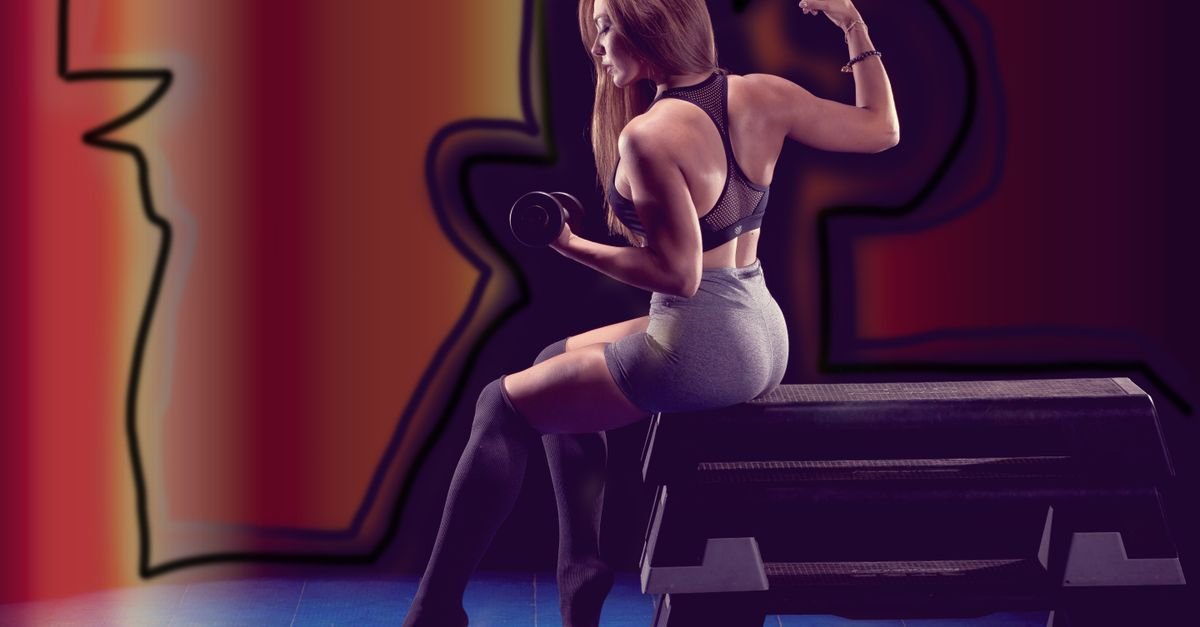
Getting slim and fit simultaneously requires two things working together: a moderate calorie deficit to reduce fat (the “slim” part) and consistent strength training to build and maintain muscle tone (the “fit” part) — pursuing either alone typically produces an incomplete result, either a smaller but softer body from diet-only approaches, or a stronger but not visibly leaner body from training without dietary attention.
I’m Yash Pathak, founder and lead trainer at FitStrot. “Slim fit” captures a specific combined goal — not just smaller, and not just stronger, but both together — which requires a somewhat different approach than either goal pursued in isolation.
Why Slim and Fit Require Different (But Compatible) Strategies
Getting slim is primarily about calorie balance — reducing body fat through a consistent deficit. Getting fit, in the sense of visible muscle tone and strength, is primarily about resistance training and adequate protein. These aren’t in conflict, but a plan optimized purely for weight loss (aggressive calorie cutting, minimal strength focus) often undermines the “fit” component, just as a plan optimized purely for muscle building (calorie surplus, heavy lifting) works against the “slim” component. The combined goal needs a calibrated middle path.
The Core Framework
Moderate calorie deficit. 300-500 calories below maintenance supports steady fat loss without being aggressive enough to significantly compromise strength training performance or recovery.
Higher protein than a pure weight-loss plan. 1.6-2g per kg body weight, toward the higher end of typical recommendations, to support both fat loss (through satiety) and muscle preservation and growth during training.
Consistent strength training, 3-4 days weekly. Compound movements (squats, deadlifts, presses, rows) build and maintain the muscle that creates visible tone and definition as body fat decreases.
Moderate cardio, 2-3 days weekly. Supports the calorie deficit without excessive volume that could interfere with strength training recovery or accelerate muscle loss.
A Sample Weekly Structure
Monday: Full-body strength training. Tuesday: Moderate cardio (30 minutes). Wednesday: Upper body strength. Thursday: Rest or light activity. Friday: Lower body strength. Saturday: Cardio or a mixed session. Sunday: Rest.
Diet Structure for This Combined Goal
Protein at every meal (dal, paneer, eggs, lean protein) to hit the higher target this goal requires. Portioned carbohydrates, timed around training when possible, to support workout performance and recovery. Healthy fats in moderation, supporting hormone function and satiety. And consistent meal timing to manage hunger throughout a deficit that’s supporting both fat loss and training demands.
Why Patience Matters More for This Combined Goal
Pursuing slim and fit together typically produces slower visible change than either goal pursued more aggressively in isolation — a very aggressive calorie deficit alone might show faster weight-loss numbers but at the cost of muscle and tone; a calorie surplus focused purely on building muscle would build strength faster but without fat loss. The combined, moderate approach trades faster results in either single dimension for a more complete outcome across both.
Common Mistakes Pursuing This Goal
Cutting calories too aggressively, which compromises training performance and muscle preservation, undermining the “fit” half of the goal. Neglecting strength training in favor of cardio-only approaches, missing the muscle tone that “fit” specifically requires. And expecting rapid results, when this combined goal inherently moves more gradually than either pure fat loss or pure muscle building pursued alone.
Tracking Progress for a Slim Fit Goal
Since this goal involves both fat loss and muscle development, the scale alone is a limited and sometimes misleading metric — someone building muscle while losing fat might see minimal scale change despite significant visible improvement. Progress photos, measurements (waist, arms, other areas), and how clothes fit often tell a more complete story than weight alone for this specific combined goal. Our gym workout for weight loss and high protein diet for weight loss guides cover the components this combined approach draws on.
Why a Calibrated Plan Matters More for This Specific Goal
Because “slim fit” requires balancing two objectives that can work against each other if not carefully calibrated (too aggressive a deficit undermines strength training; too much focus on muscle building undermines fat loss), getting the balance right specifically for your body and goals matters more here than for a single-focus plan. An online weight loss trainer can calibrate this balance and adjust it as you progress toward both halves of the goal.
What “Slim Fit” Actually Requires Beyond Weight Loss
A slim, fit appearance is the combination of reduced body fat and adequate muscle tone — pursuing weight loss through diet alone, without strength training, often produces a smaller but less defined version of your current shape rather than the visibly toned “fit” look most people picture. Prioritizing protein intake and consistent strength training alongside your calorie deficit is what specifically builds the muscle definition that separates “thinner” from “slim and fit” as a visible outcome.
How Body Type and Fat Distribution Affect Your Timeline
Two people can eat the same diet, train with the same intensity, and lose the same amount of weight on the scale, yet look visibly different in how “slim fit” they appear after three months. A large part of this comes down to where your body stores fat, and Indians as a population tend to carry a disproportionate amount of visceral fat — the fat around the organs and abdomen — even at body weights and BMIs that look unremarkable on paper. This is sometimes called the “thin-fat” pattern, where someone looks slim in clothes but carries more abdominal fat than a Western population at the same BMI would. If your fat concentrates around the midsection rather than distributing evenly, the lean, defined look takes longer to show up, even when the underlying fat loss is happening at a perfectly healthy rate.
This isn’t something you did wrong, and it isn’t something diet tweaks alone can override — it’s genetics, and to some extent ethnicity-linked physiology, interacting with your specific hormone profile and muscle distribution. I’ve had clients lose 8-9 kg and see dramatic strength gains and clothing size changes while the visible “six pack” definition they were hoping for stayed stubbornly out of reach, simply because their genetic fat storage pattern favours the abdomen last-to-lose. Comparing your midsection progress to someone else’s, especially someone with a different fat distribution pattern, is one of the fastest ways to feel like the plan isn’t working when it actually is.
What you can control is consistency and the things that do move the needle on abdominal fat specifically — a sustained calorie deficit over months rather than weeks, resistance training that builds the muscle underneath, and patience with the fact that this particular area is often the last to visibly change and the first to reappear if you loosen the plan too early. Genetics sets your timeline; it doesn’t cancel your progress.
Sleep, Stress and Recovery: The Third Pillar People Skip
Diet and training get all the attention in a slim fit plan, but I’d estimate a third of the clients who plateau despite doing both correctly are undermined by sleep and stress that nobody addressed. Poor sleep directly disrupts ghrelin and leptin, the hormones that regulate hunger and fullness, which means a night of five hours’ sleep can leave you noticeably hungrier the next day regardless of how disciplined your meal plan is. Chronically elevated cortisol from stress also encourages fat storage specifically around the abdomen — which matters enormously for a slim fit goal where a visible midsection is often the whole point.
The Indian lifestyle context makes this worse than it needs to be. Long commutes that eat into evening hours, work-from-home schedules that blur the line between office time and personal time, late-night web series binges, and family or social obligations that push dinner past 10 pm all chip away at sleep quality and duration. I regularly see clients doing everything right at the gym and on the plate while running on six hours of broken sleep and constant low-grade work stress, wondering why their midsection isn’t changing as fast as their arms and legs are.
Fixing this doesn’t require a dramatic lifestyle overhaul — it requires treating sleep and stress as part of the plan rather than an afterthought. Aim for 7-8 hours consistently, build a genuine wind-down routine instead of scrolling until you fall asleep, and find at least one stress outlet that isn’t food, whether that’s a short walk, breathing exercises, or simply protecting one hour a day that’s yours. Clients who fix this piece often see their midsection change faster than clients who only tightened their diet further, because the hormonal environment finally stopped working against the training.
Why the Scale Can Lie to You on a Slim Fit Goal: Reading Your Wardrobe and Measurements Instead
If you’re chasing a slim fit look specifically, the bathroom scale is one of the least reliable tools you have, and I tell every client this in the first week. Slim fit is a visual and structural goal, how clothes sit on your shoulders, waist and hips, not purely a number goal. I’ve had clients lose 2 kg in a month and look visibly sharper, and others lose 4 kg and look almost unchanged because the loss came from areas that don’t affect how a shirt fits. When your goal is specifically to fit into slimmer cuts of clothing, you need to track things the scale doesn’t capture at all.
The measurements that matter most for this goal are waist circumference at the navel, hip circumference, and chest, taken with a simple measuring tape every two weeks, same time of day, same conditions. I also ask clients to keep one test garment, a shirt or pair of jeans that fits snugly at the start, and try it on every couple of weeks instead of relying on memory of how tight it felt. This single habit catches progress the scale misses completely, especially in the first month when water retention and muscle gain from new strength training can mask fat loss on the scale entirely.
There’s also a sequencing pattern worth knowing: for most people pursuing a slim fit look, the waist and midsection are usually the last places to visibly change, even though they’re the area people care about most. Shoulders and the face often show change first, arms and thighs next, waist last. If you’re only checking your stomach in the mirror every morning, you’ll conclude nothing is working for weeks while your shirt sleeves are already looser and your jawline is already sharper. This is exactly why I ask clients to photograph themselves in fitted clothing, not just loose t-shirts, because fitted clothing reveals shape changes that an oversized kurta or hoodie will hide for months.
None of this means the scale is useless, a consistent downward trend over four to six weeks still matters and tells you your calorie deficit is real. But if you’re weighing yourself daily and getting discouraged by a body composition goal the scale simply isn’t built to measure, switch your primary metric to measurements and how two or three specific garments fit. For a slim fit goal, that’s the honest scoreboard.
Frequently Asked Questions
Can I get slim and fit at the same time?
Yes, through a moderate calorie deficit combined with consistent strength training and adequate protein — this combined approach takes longer to show dramatic results than either goal pursued in isolation, but produces a more complete outcome.
Is it better to focus on getting slim first, then fit, or both together?
Pursuing both together tends to work well for most people, since strength training during fat loss preserves muscle that would otherwise be lost, producing a better final result than sequential approaches for most goals.
How long does it take to get slim fit results?
Visible changes typically begin within 4-6 weeks, with more significant transformation over 3-6 months, given the combined and moderate nature of this approach compared to more extreme single-focus goals.
Can beginners pursue a slim fit goal from the start?
Yes, beginners should focus on learning proper strength training form alongside establishing the calorie deficit, building both skills together rather than mastering one before starting the other.
Ready for a Plan Balancing Both Goals?
A FitStrot online weight loss trainer calibrates the calorie deficit and training intensity specifically to help you get both slim and fit, adjusting the balance as you progress.